Melissa Oil Around Cats and Dogs: What Vets Say
The lemon balm plant is listed as non-toxic to cats and dogs, but a bottle of the oil is another matter. Here is what veterinary sources advise at home.
Does Melissa Oil Go Bad? How to Read an Old Bottle
Found a bottle of melissa oil at the back of a drawer? Four quick checks for date, smell, look and feel, and what oxidation does to a lemony oil.
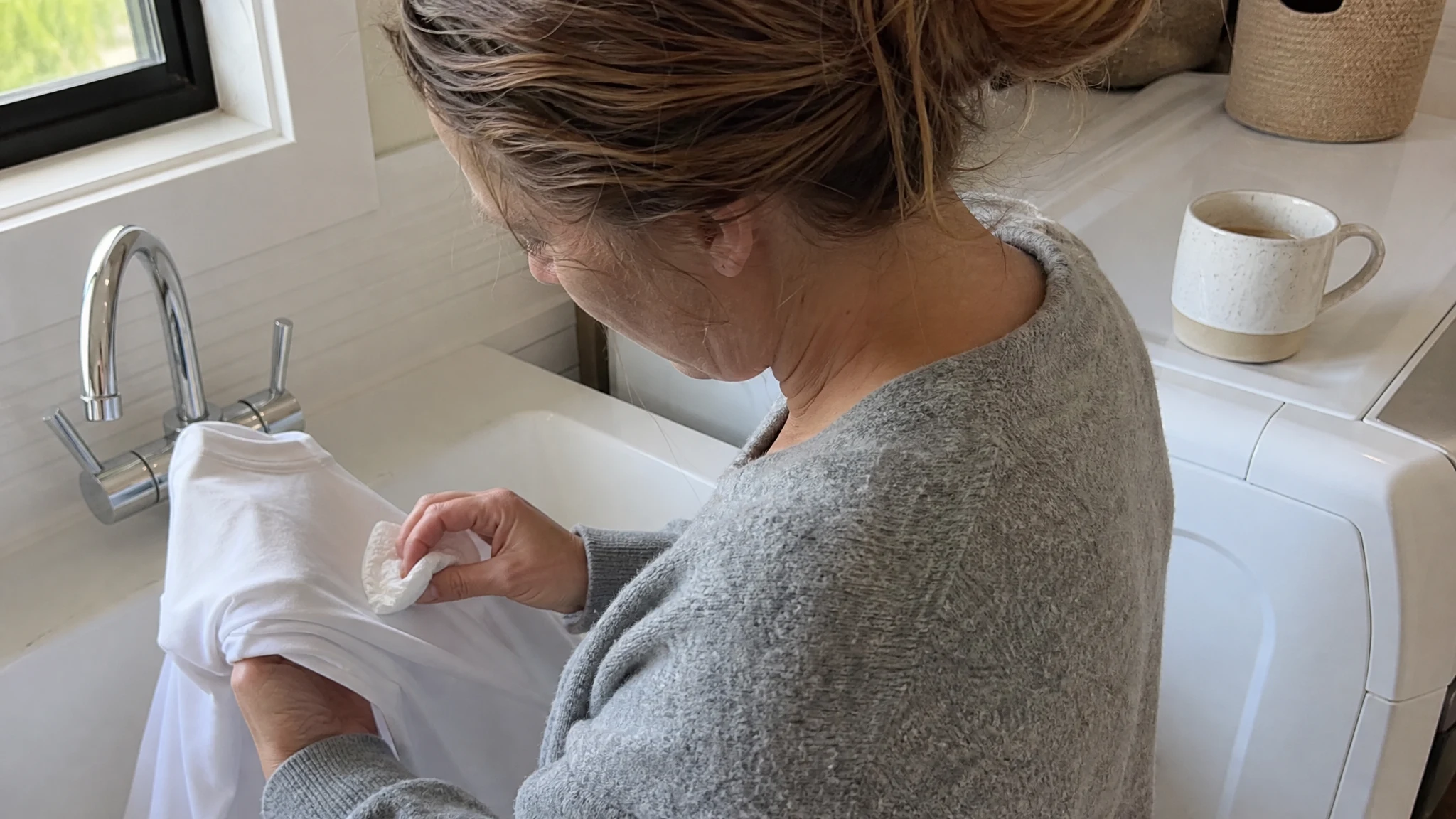
Does Melissa Oil Stain Clothes? What to Do Fast
One drop on a sleeve leaves a grease-type mark. Here is what extension services advise: blot, pretreat, wash, and skip the dryer until it is gone.
How to Read a Melissa Oil Certificate of Analysis
What does a melissa oil Certificate of Analysis really tell you? We read ours line by line, then show what a GC-MS table adds and how to read one.
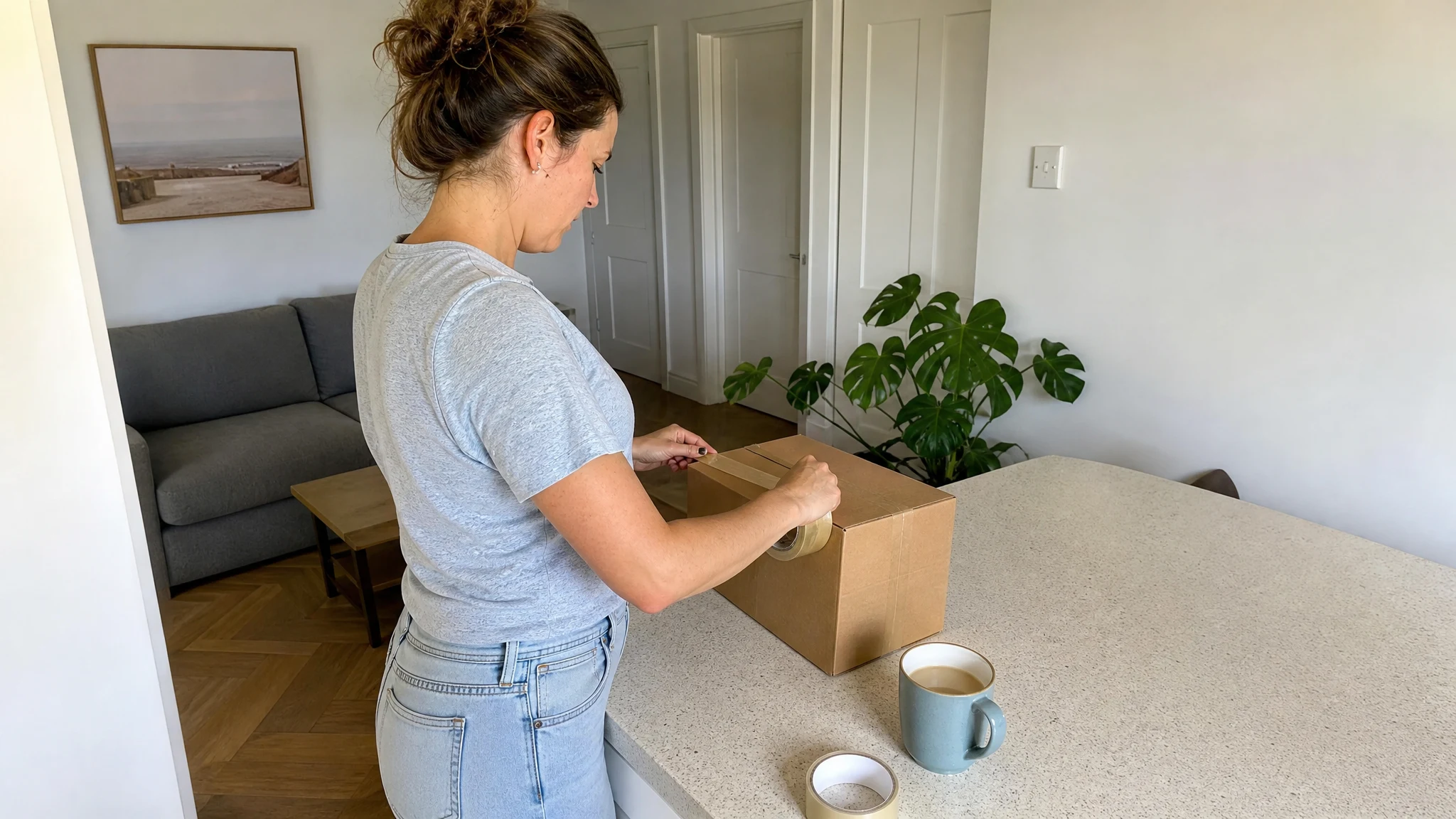
Melissa Oil Supplier Documents: What to Ask For
A COA tells you about one batch. Here is which document answers which question when you buy melissa oil by the pound, and what to ask for first.
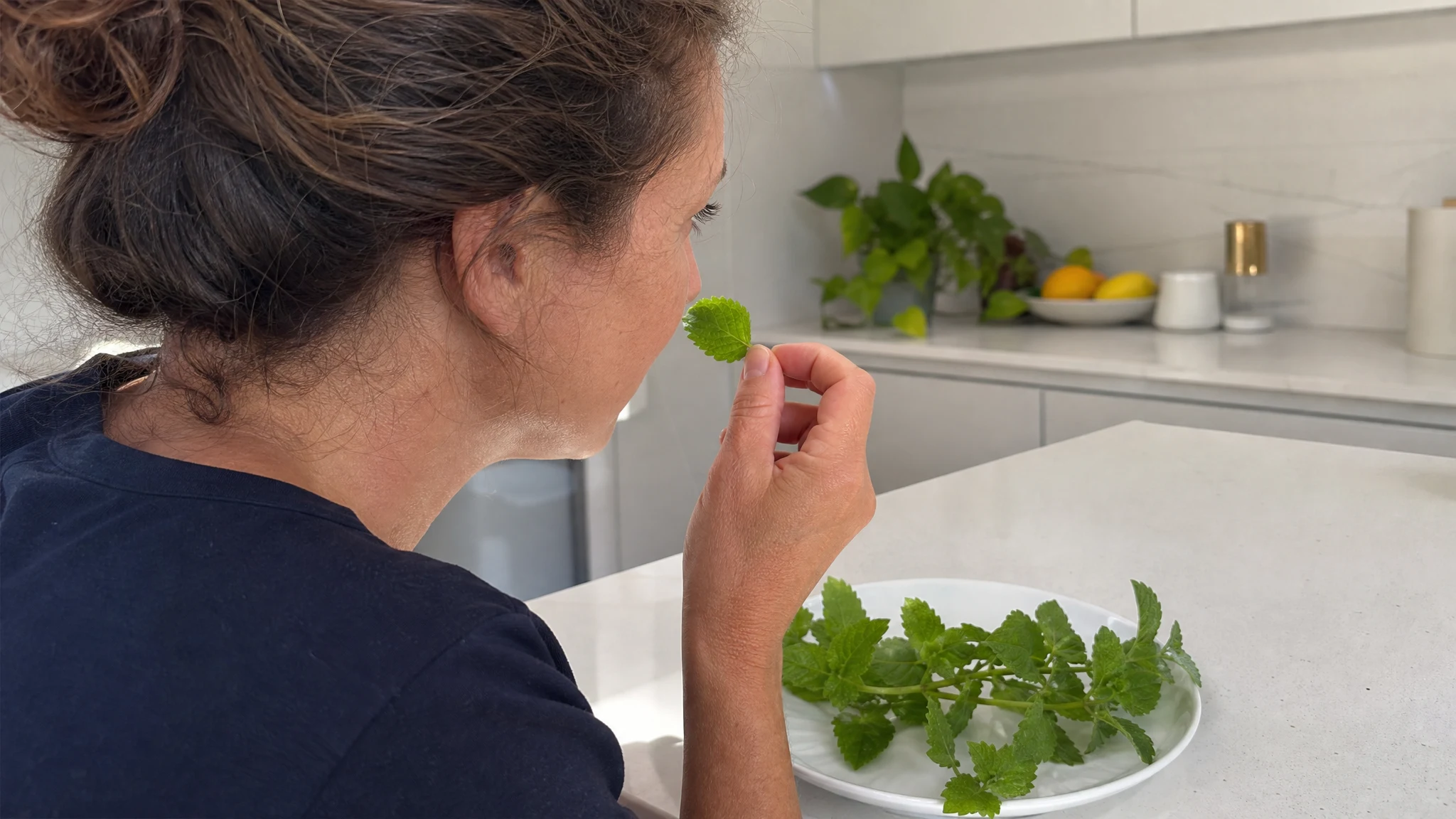
What Is in Melissa Oil? Citral, Citronellal and More
Melissa's lemon comes from citral, but published analyses put it anywhere from about 30% to 77% of the oil. What that means for aroma and for dosing.
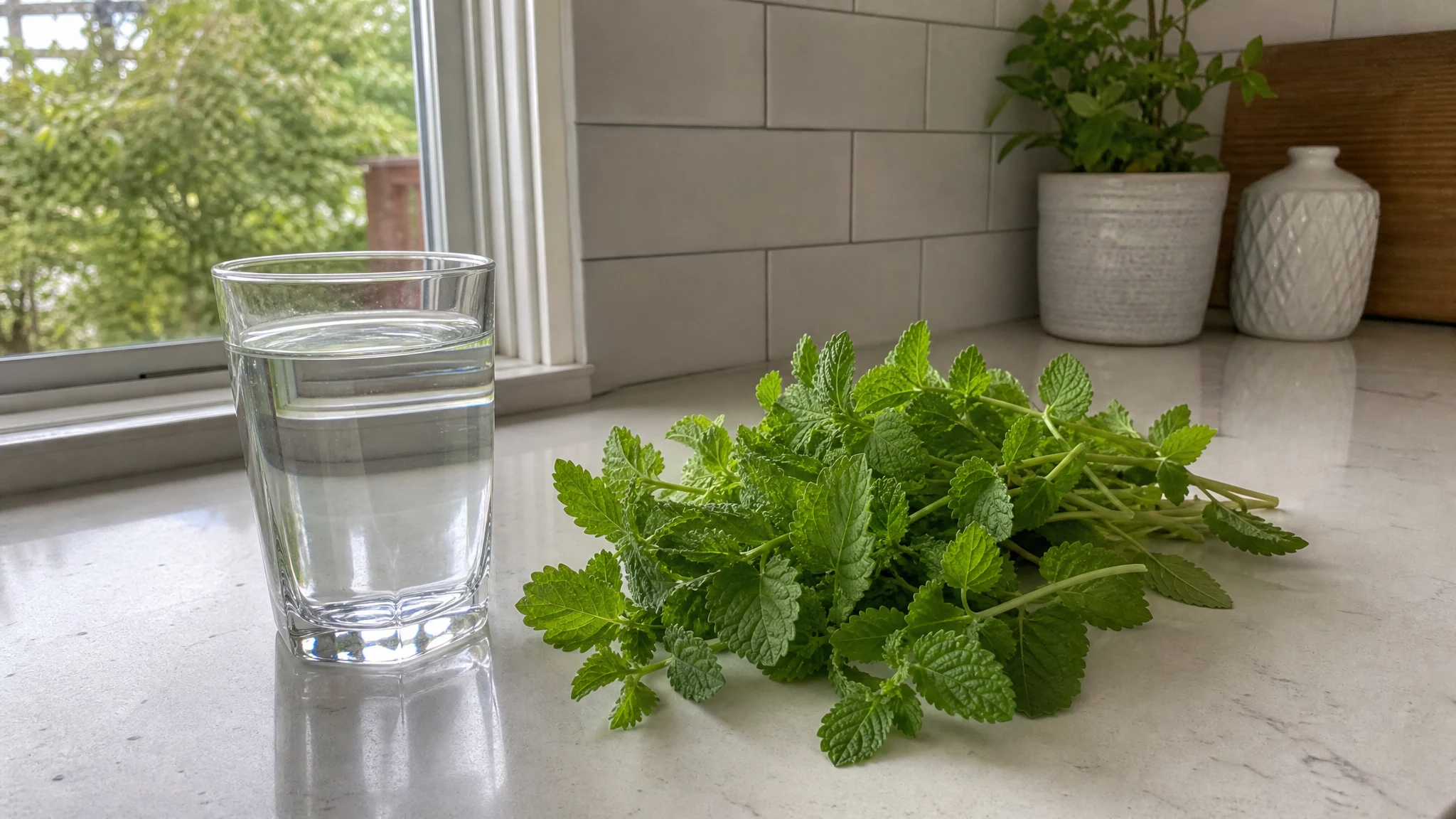
Melissa Oil vs Hydrosol: Which Do You Need?
Melissa hydrosol is not a diluted oil. Strength, character and handling all differ, and an ounce of it holds less than one drop of the neat oil.
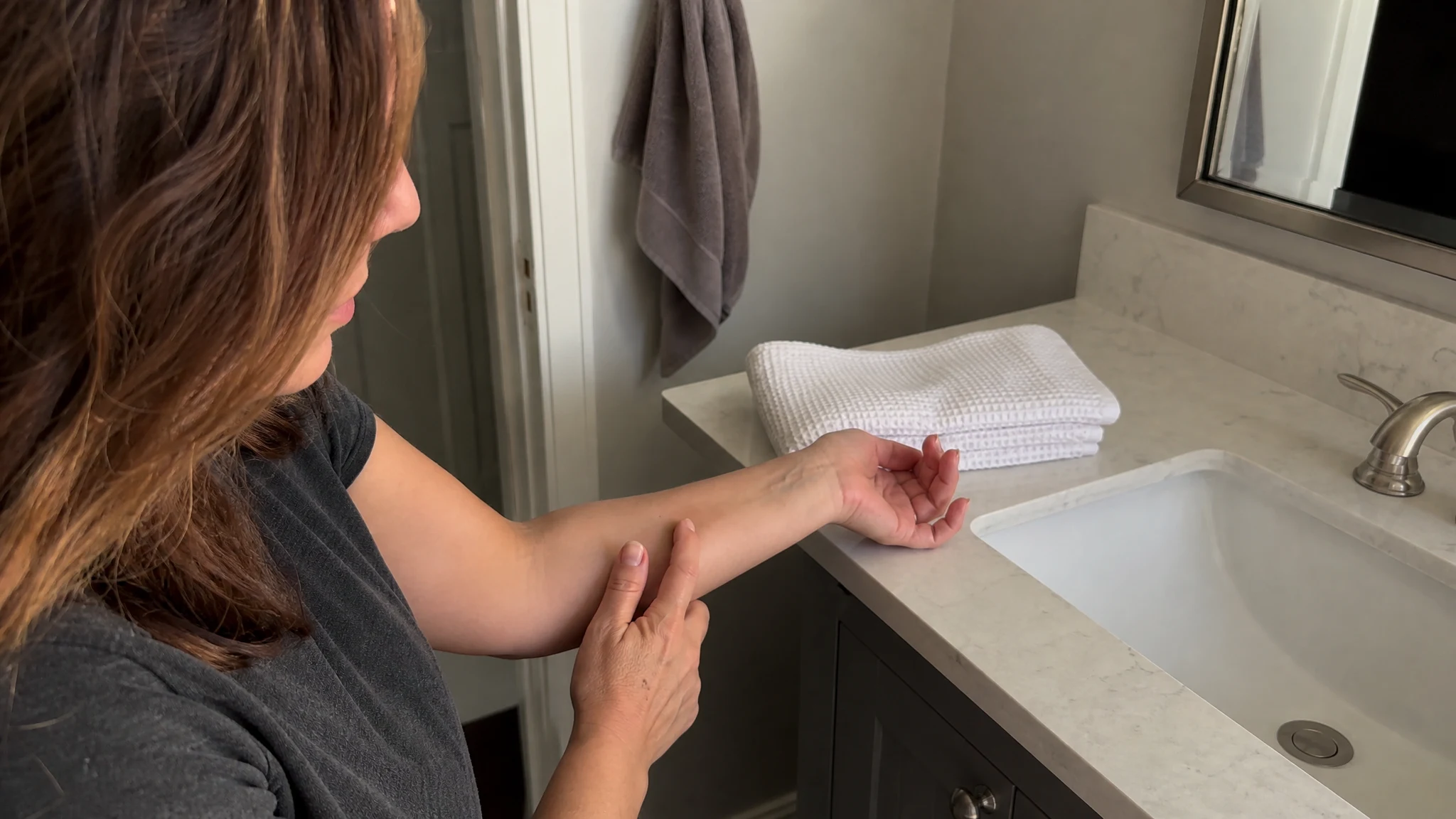
Melissa Oil Skin Dilution: Why We Start at 0.15%
Our general skin range is 0.5% to 2%, but melissa has its own lower figure from IFRA. Here is why citral sets the pace and where we begin.

Melissa Oil and Pregnancy: What the References Say
What the references say about melissa oil, citral and nursing, where the research stops, and the questions to bring to your midwife or obstetrician.

Lemon Balm Studies: What They Actually Tested
Most famous lemon balm studies used extracts or capsules taken by mouth, not essential oil. Here is how to tell the two apart when you read a headline.
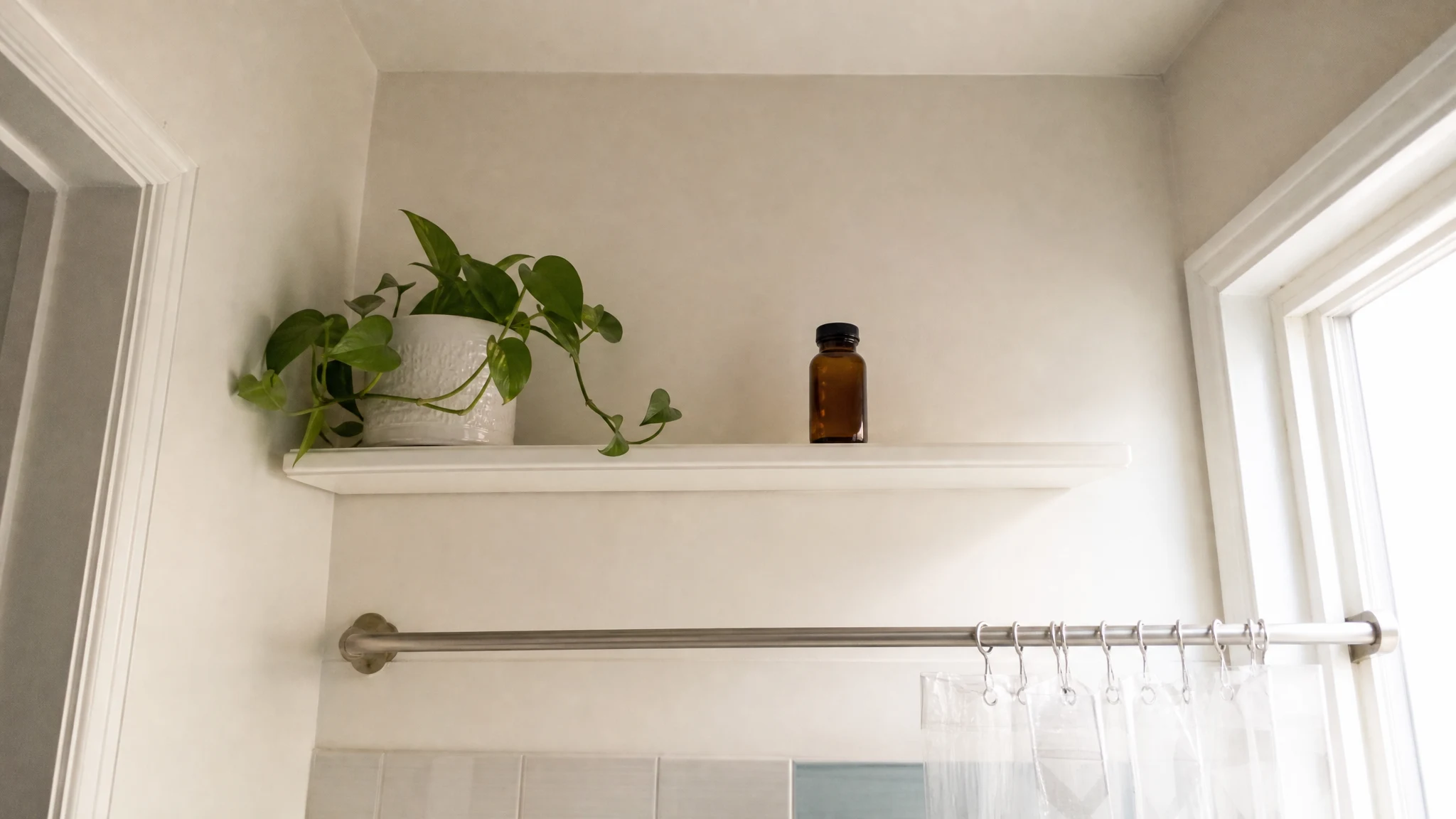
Is Melissa Oil Safe to Swallow? Tea vs Oil
Lemon balm tea and a drop of melissa oil are very different amounts. Here is why we say not for internal use, and what to do if the bottle is swallowed.

Lemon Balm and Cold Sores: What the Research Shows
Lemon balm has a cold sore reputation. Here is what lab dishes and extract creams showed, how the oil differs, and why a pharmacist comes first.
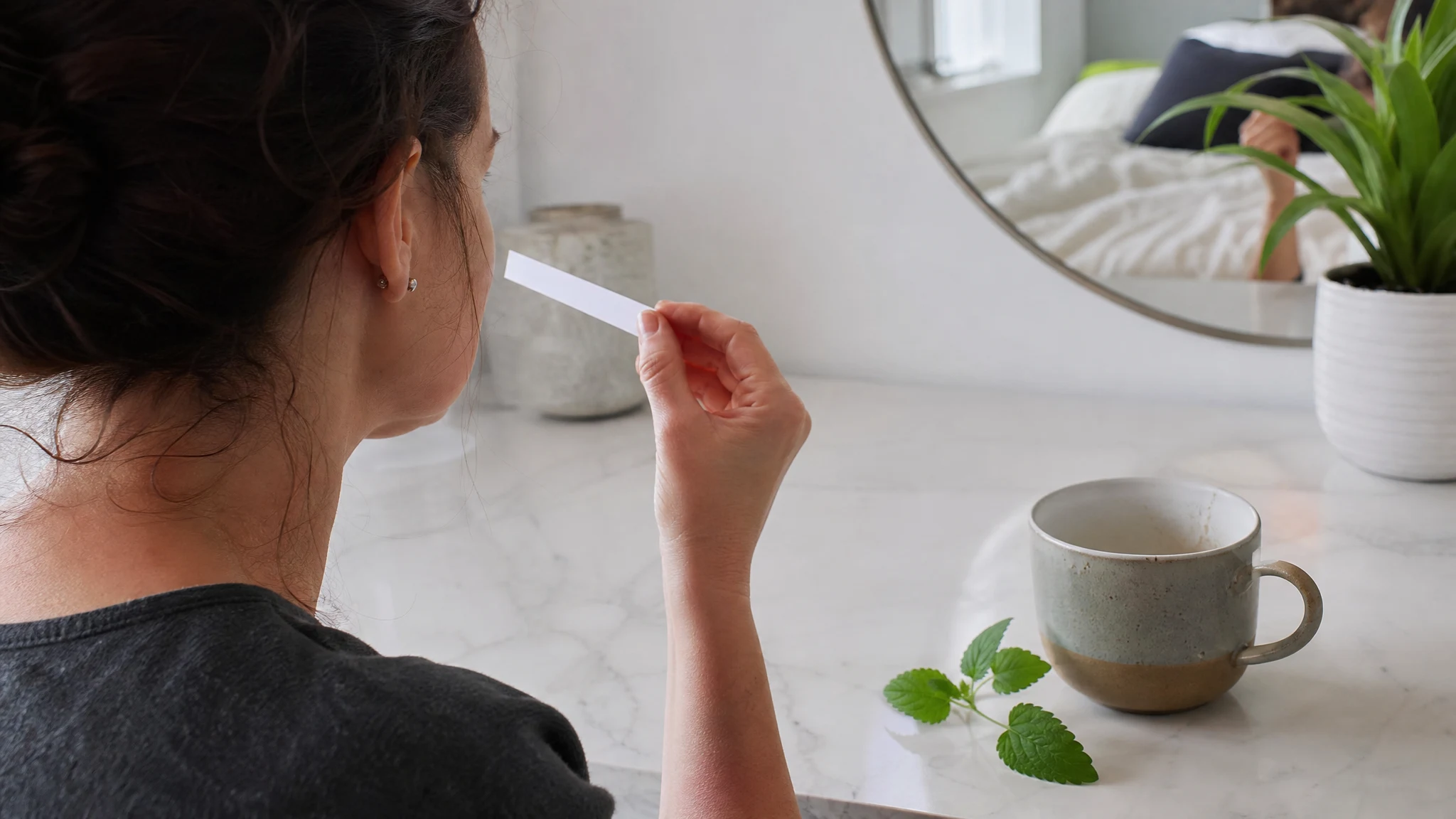
Melissa in Perfume: Using a Bright Top Note Well
A soft, green lemon with a hard ceiling: 0.60% of a finished perfume, about one drop in a small bottle. How to dose, blend and plan around that limit.
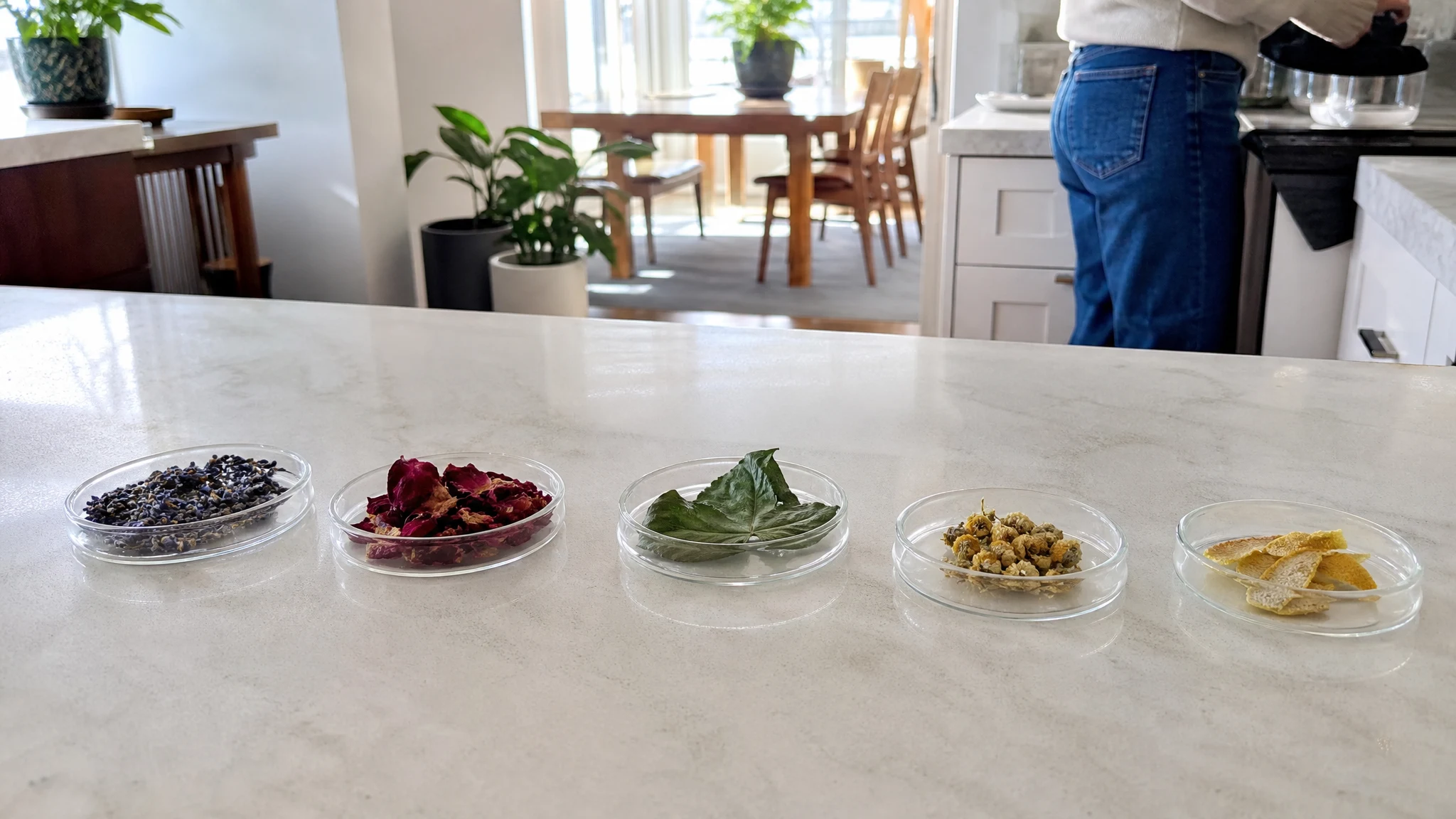
Melissa Perfume Accords: Three Blends for a Tiny Dose
Melissa has a firm ceiling in fine fragrance. Three accords with lavender, geranium, rose and more, each weighed out and checked against the caps.
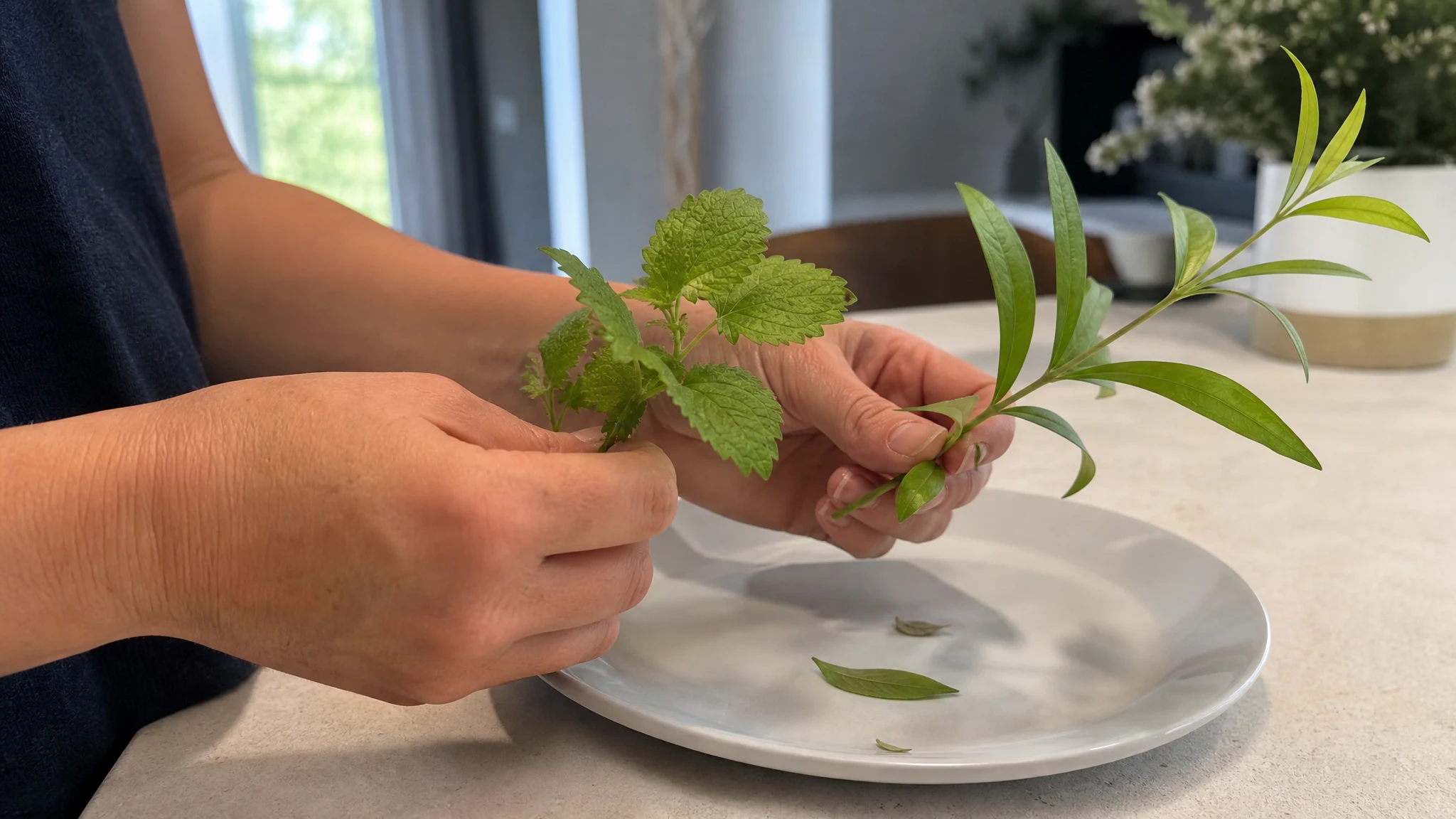
Melissa vs Lemon Verbena: Two Lemons Compared
Both smell like lemon and share citral, yet the fragrance rulebook welcomes one and shuts out the other. Here is what that means for your formula.
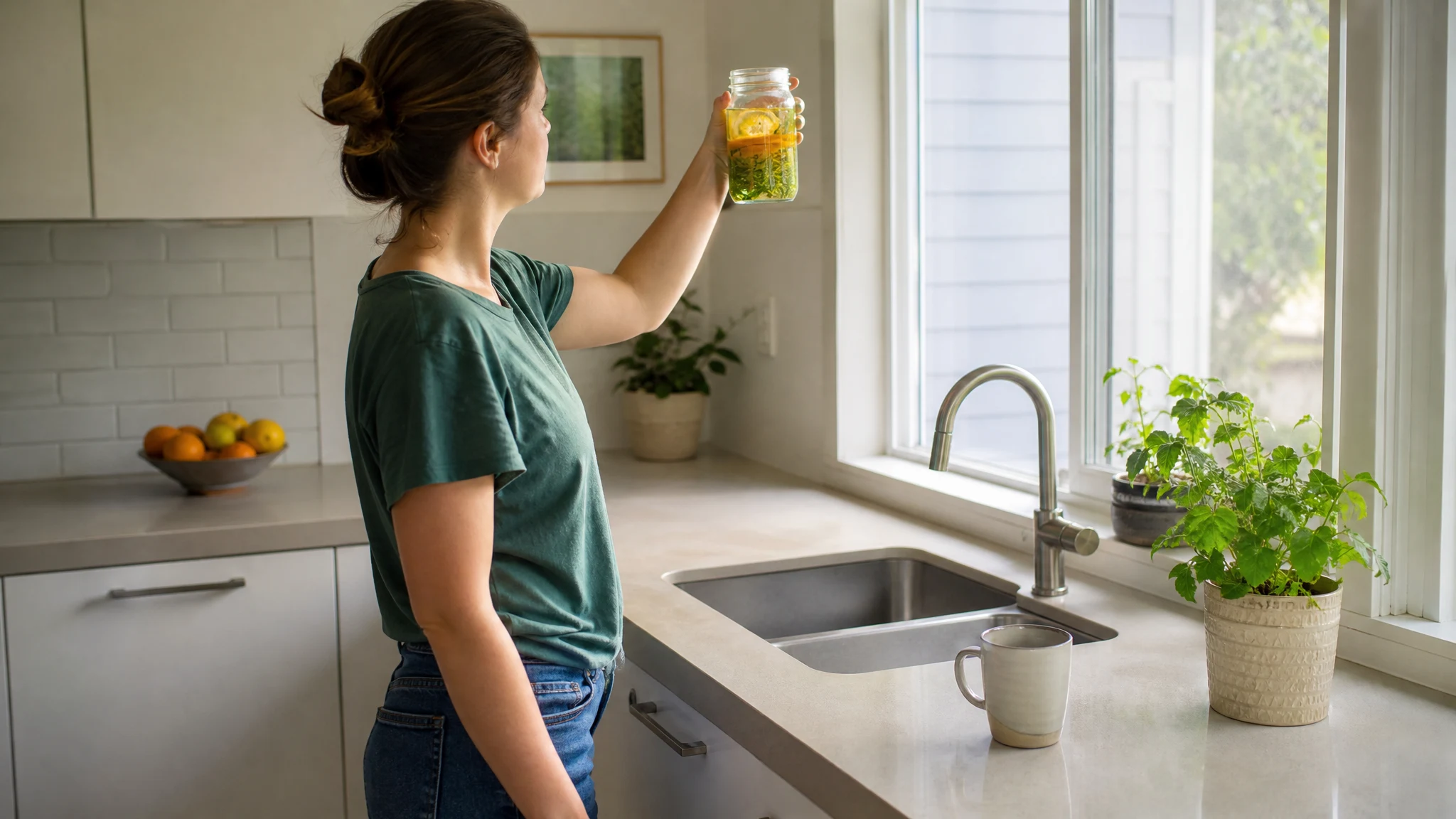
Homemade Melissa Cologne: A Weighed Recipe
IFRA allows melissa oil at 0.60% in a cologne. Here is a 100 g formulation with the weights, the spirit to ask your supplier for, and a quick citral check.
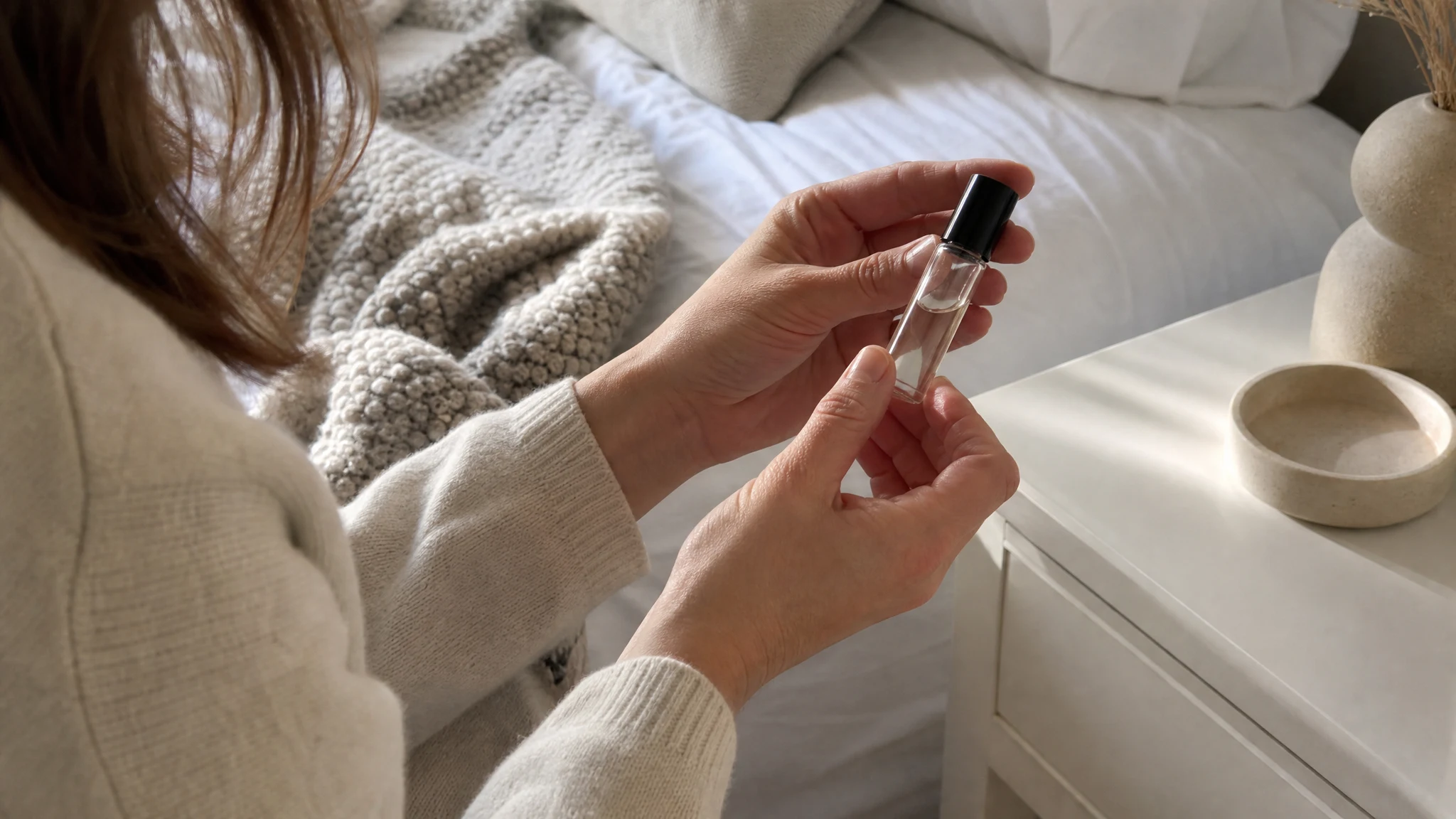
Melissa Roll-On Perfume: A Simple Recipe by Weight
Two drops can already pass the published limit in a roller bottle. Make a melissa roll-on by weight, with a stock solution and clear percentages.
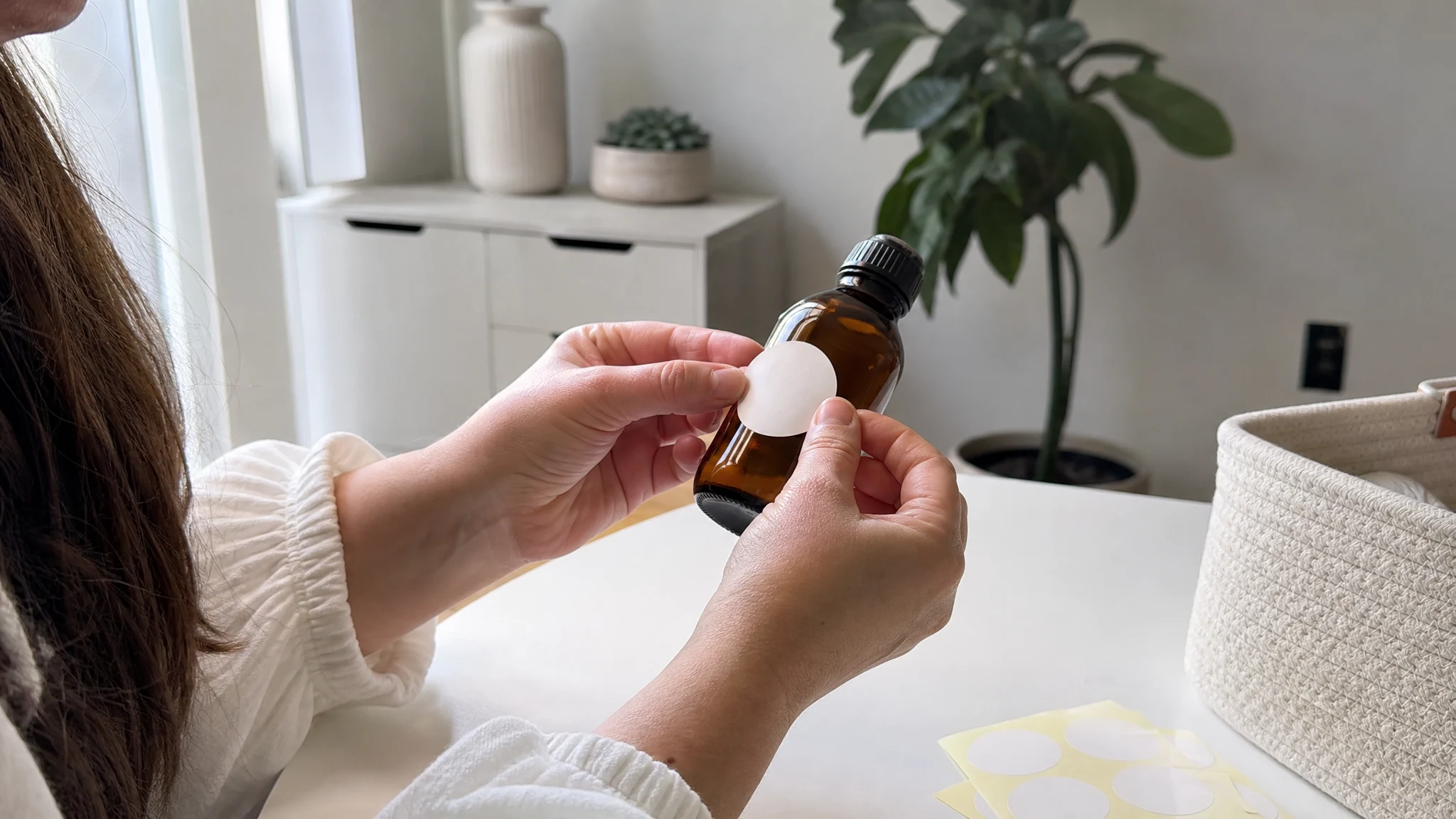
Citral in Melissa Lotion: A Maker's Worked Example
How much citral does a melissa oil lotion carry? One worked example shows IFRA limits, EU label thresholds and the one number that decides it.
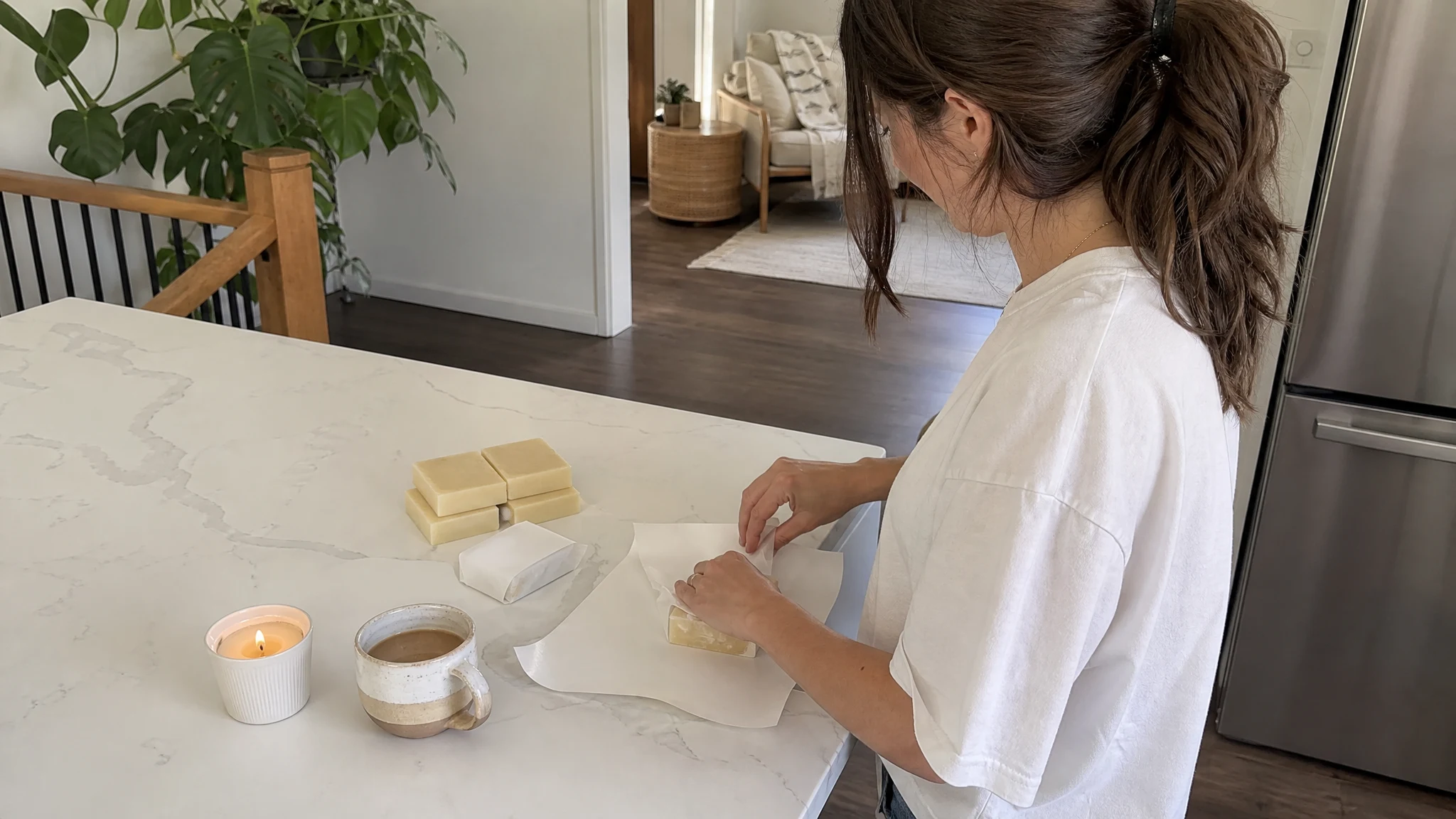
Making Things With Melissa Oil: Limits by Product
From a 0.15% lotion to a candle with no published limit, the ceiling decides what suits melissa. A maker's product by product walk through the numbers.
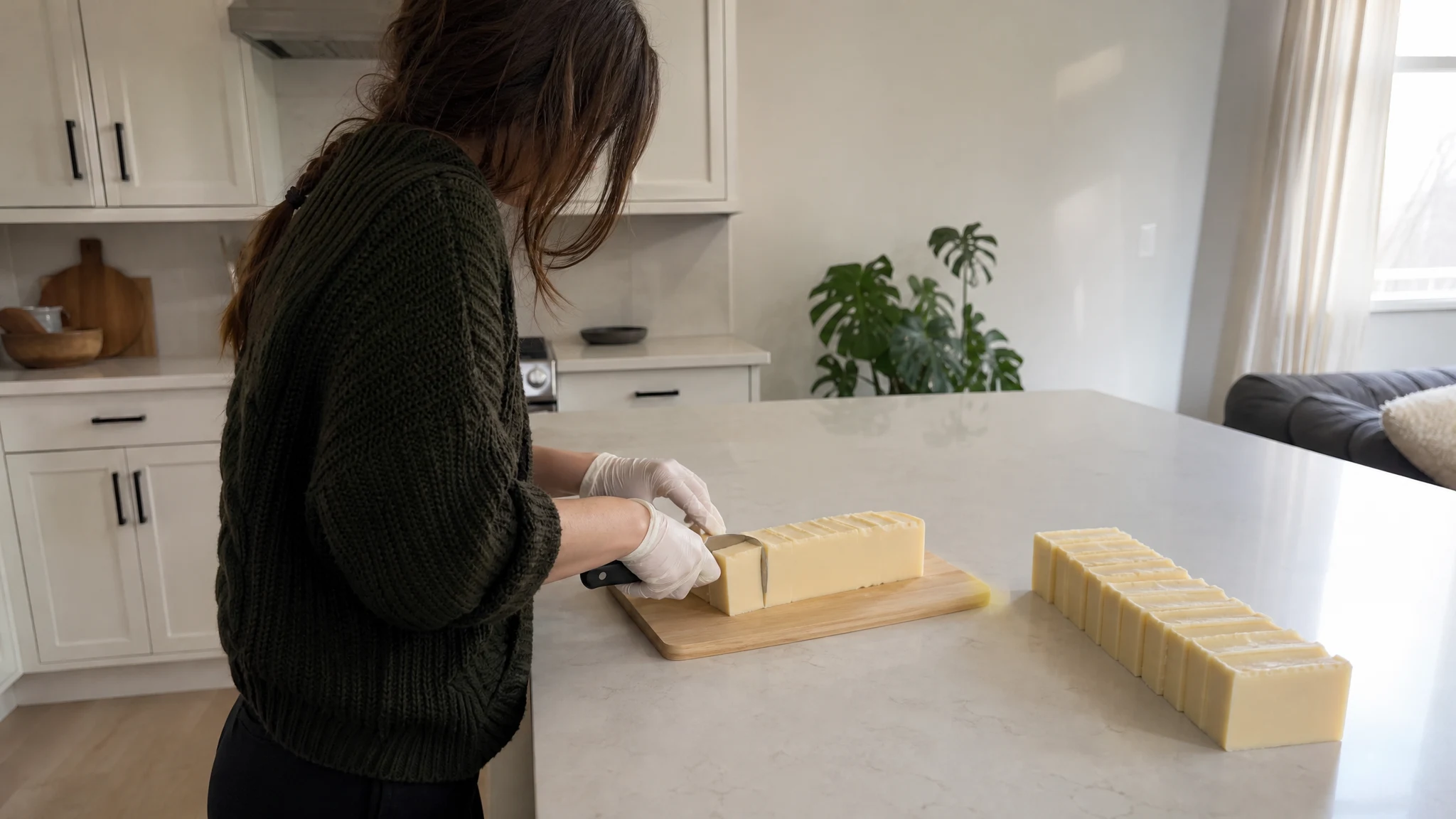
Melissa Oil in Cold Process Soap: Rates and Limits
A soap batch can easily carry more melissa than IFRA allows. See the dose in grams for a 500 g batch and how to keep a delicate scent in the bar.
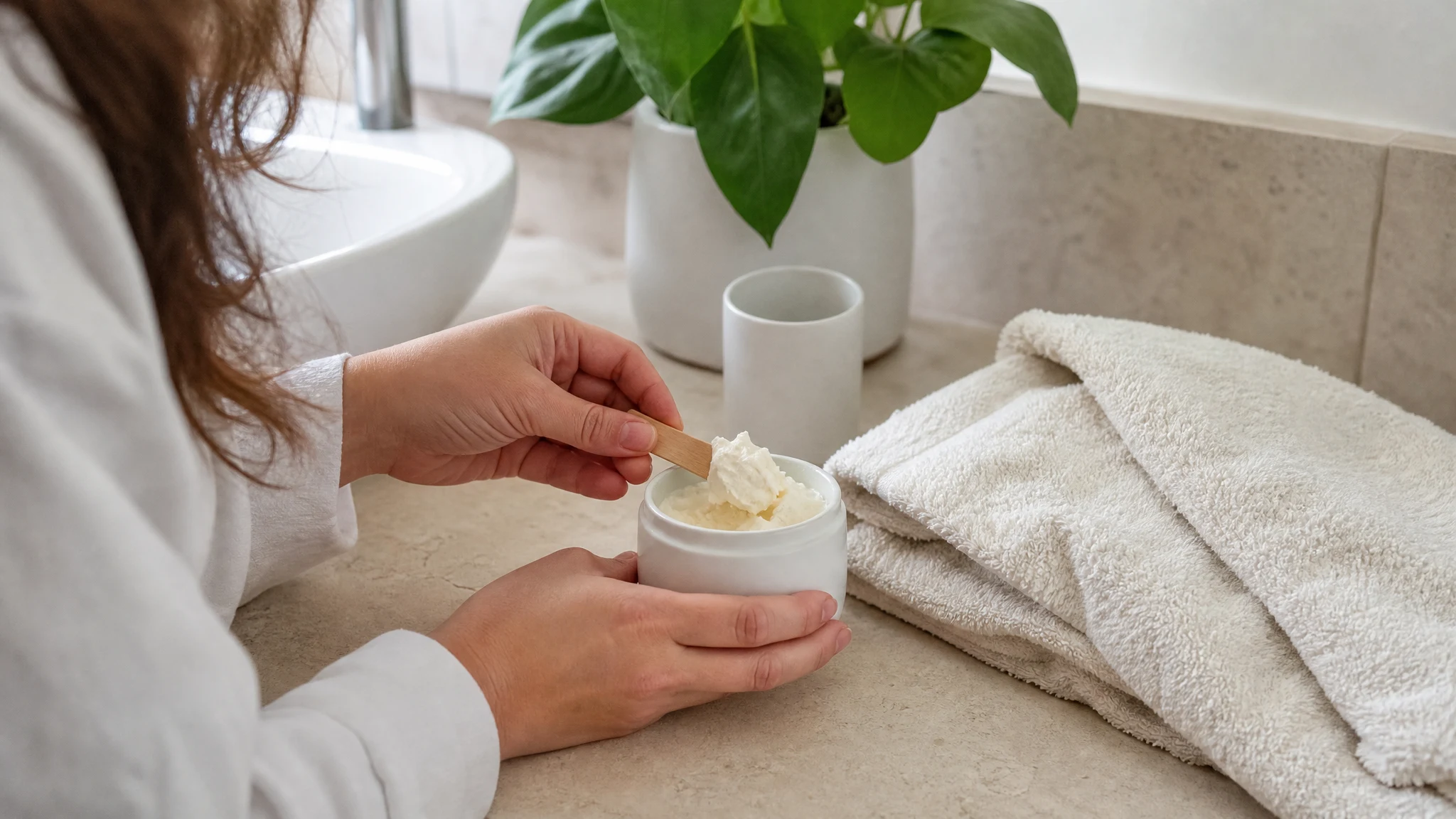
Melissa Body Butter Recipe: Whipped and Waterless
Whipped body butter is easy to over-scent. Here is a 100 g waterless butter with melissa at the 0.15% IFRA leave-on limit, weighed out step by step.
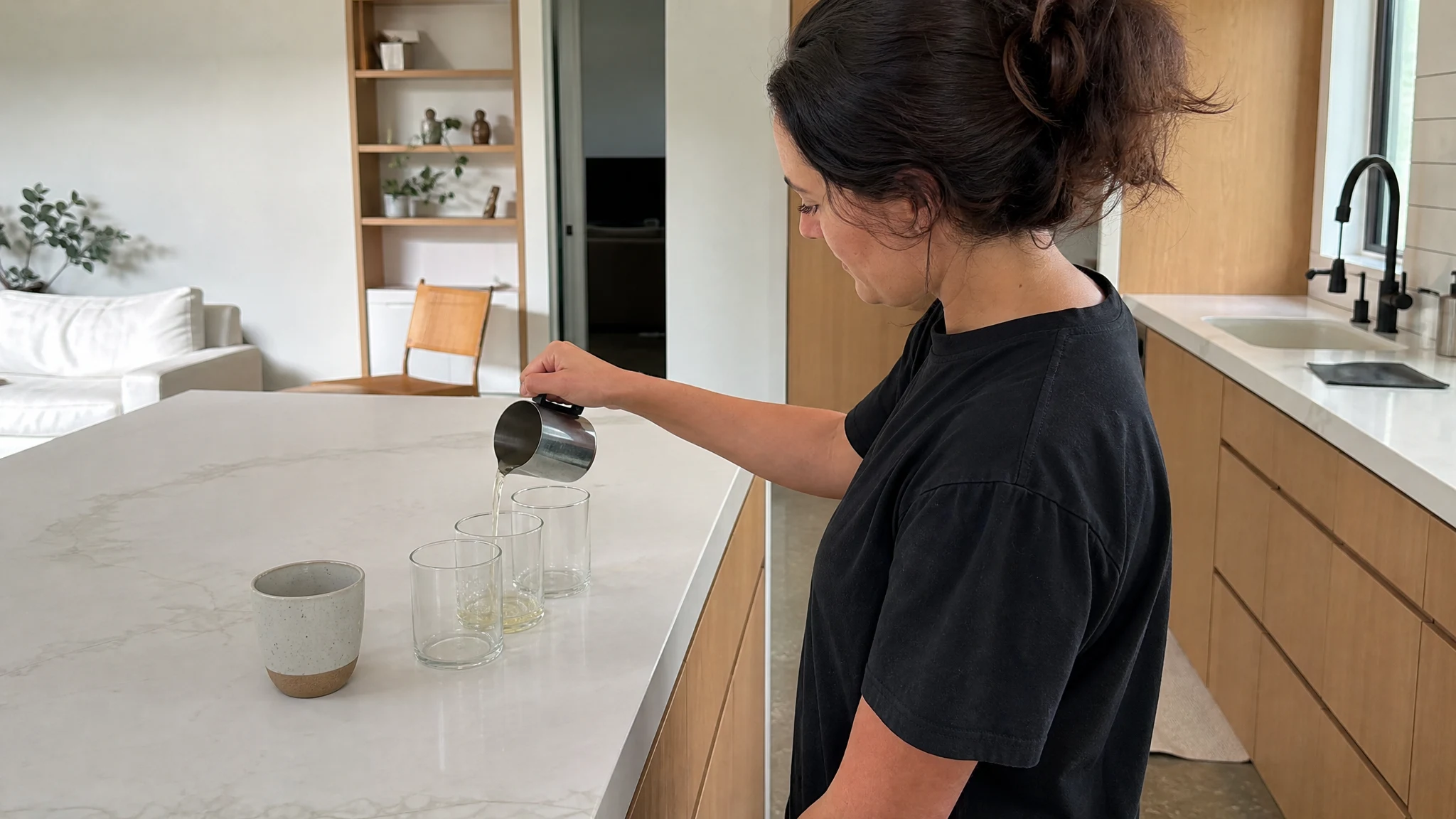
How Many Batches Does One Bottle of Melissa Oil Make?
One ounce of melissa oil can fill 175 batches of body butter or 44 of perfume. The usage limits do the sums, and here they are worked out.

Melissa Facial Steam: Safer Ways to Enjoy the Scent
A bowl of steam is the trickiest way to enjoy melissa oil. Read the cautions, a one-drop approach if you try it, and gentler ways to enjoy the scent.
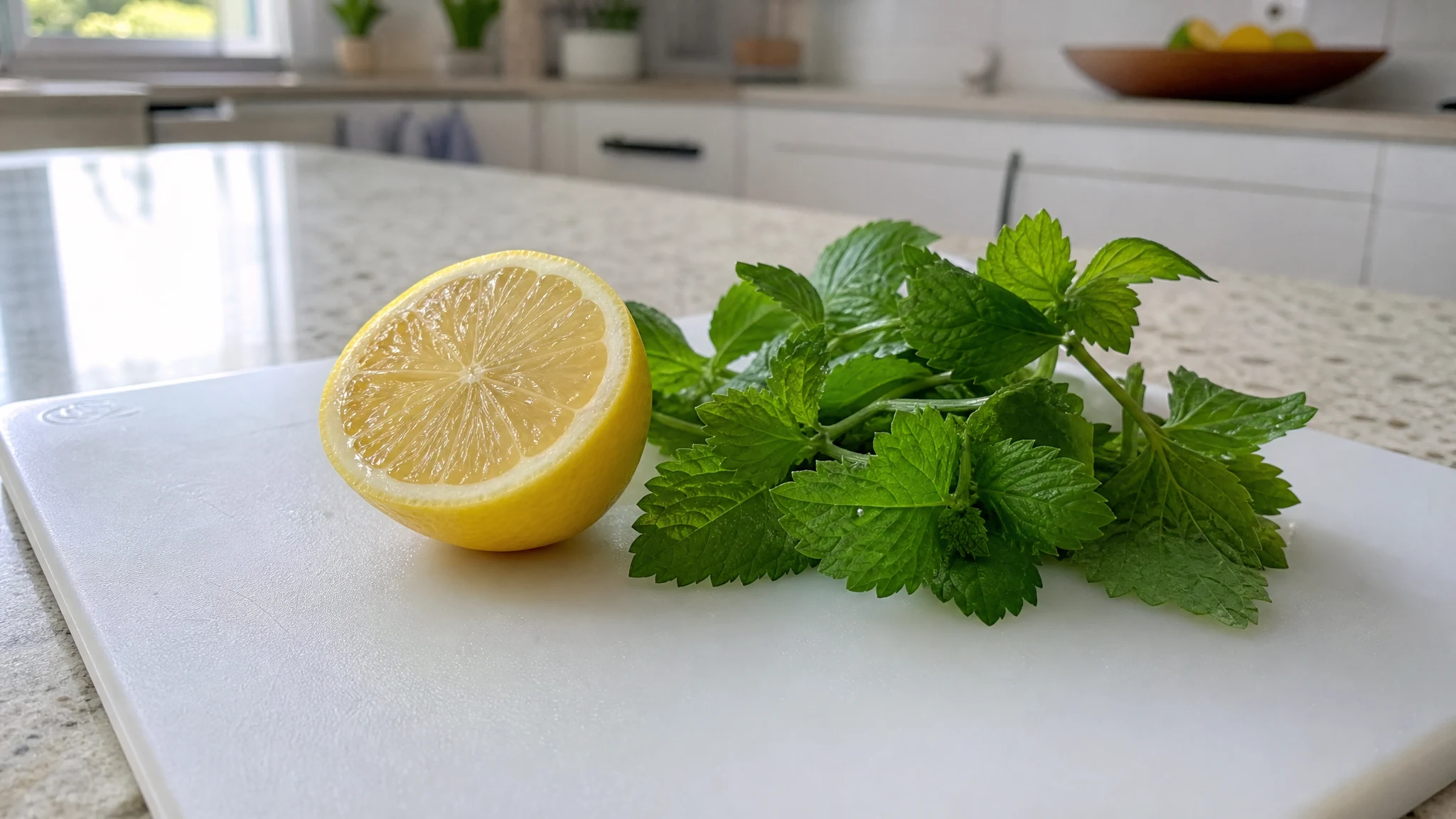
Melissa vs Lemon Oil: Which Lemon Note Fits You?
Lemon oil is built on limonene, melissa on citral. The difference changes the scent, the usage limits and which oil suits what you are making.
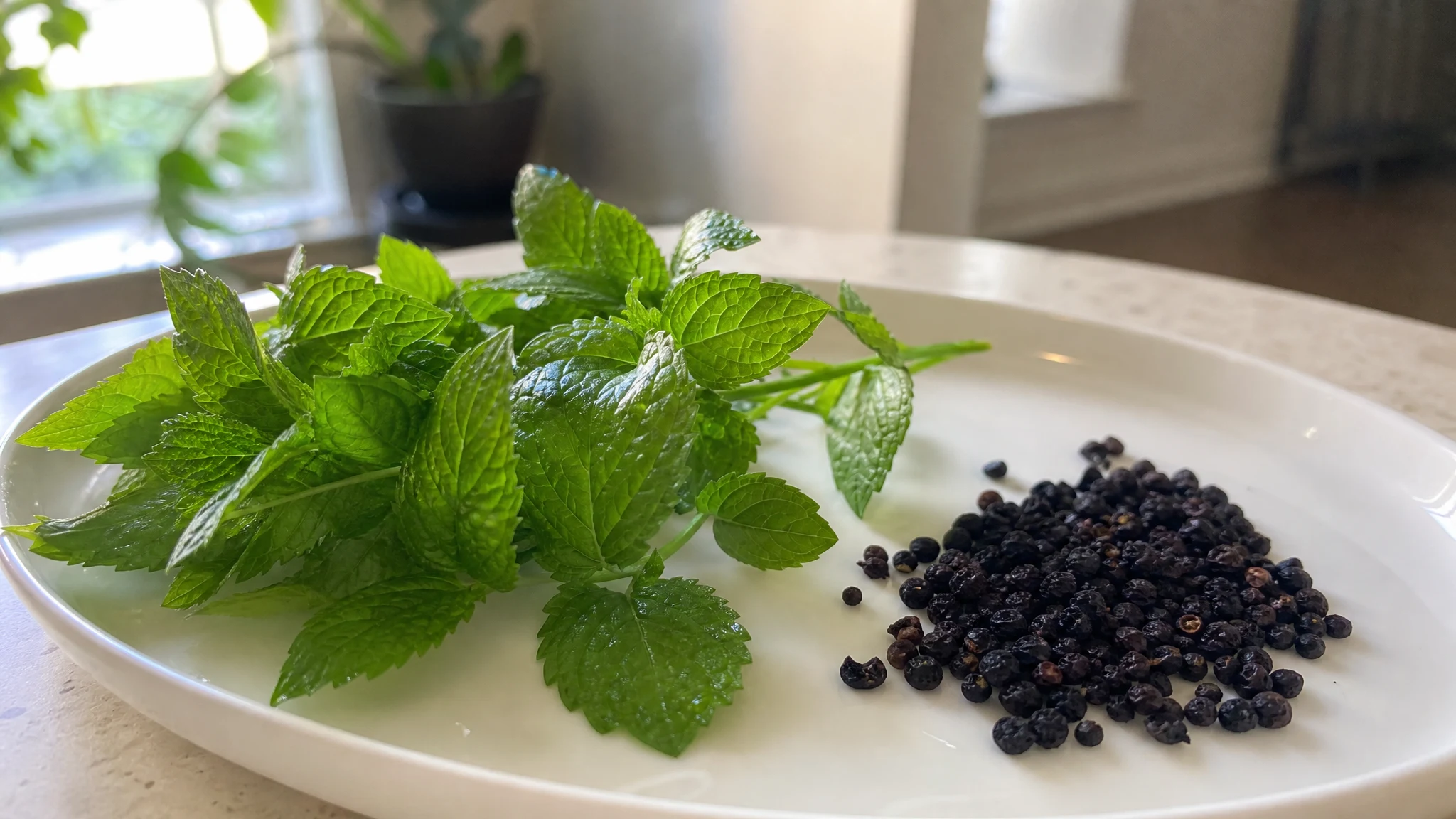
Melissa vs Litsea Cubeba: How to Tell Them Apart
Litsea is the lemon look-alike people worry about. A short certificate cannot tell the oils apart, but the right GC-MS peaks can. Here is what to ask for.
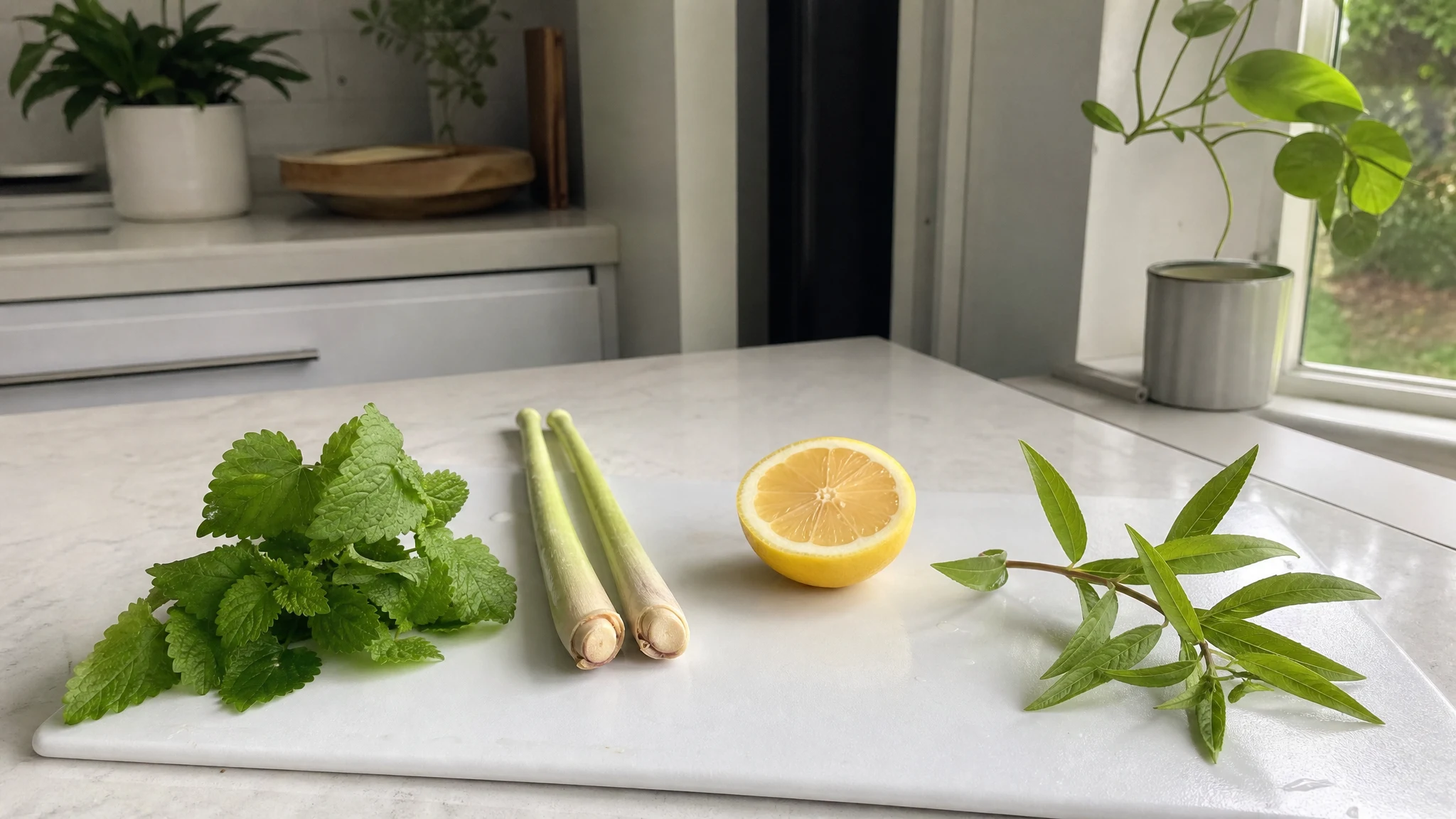
Lemon Scented Oils Compared: Melissa, Lemongrass and More
Only one lemon-scented oil gets its lemon from limonene. Five compared by citral share, what that means for dose, and where melissa fits.
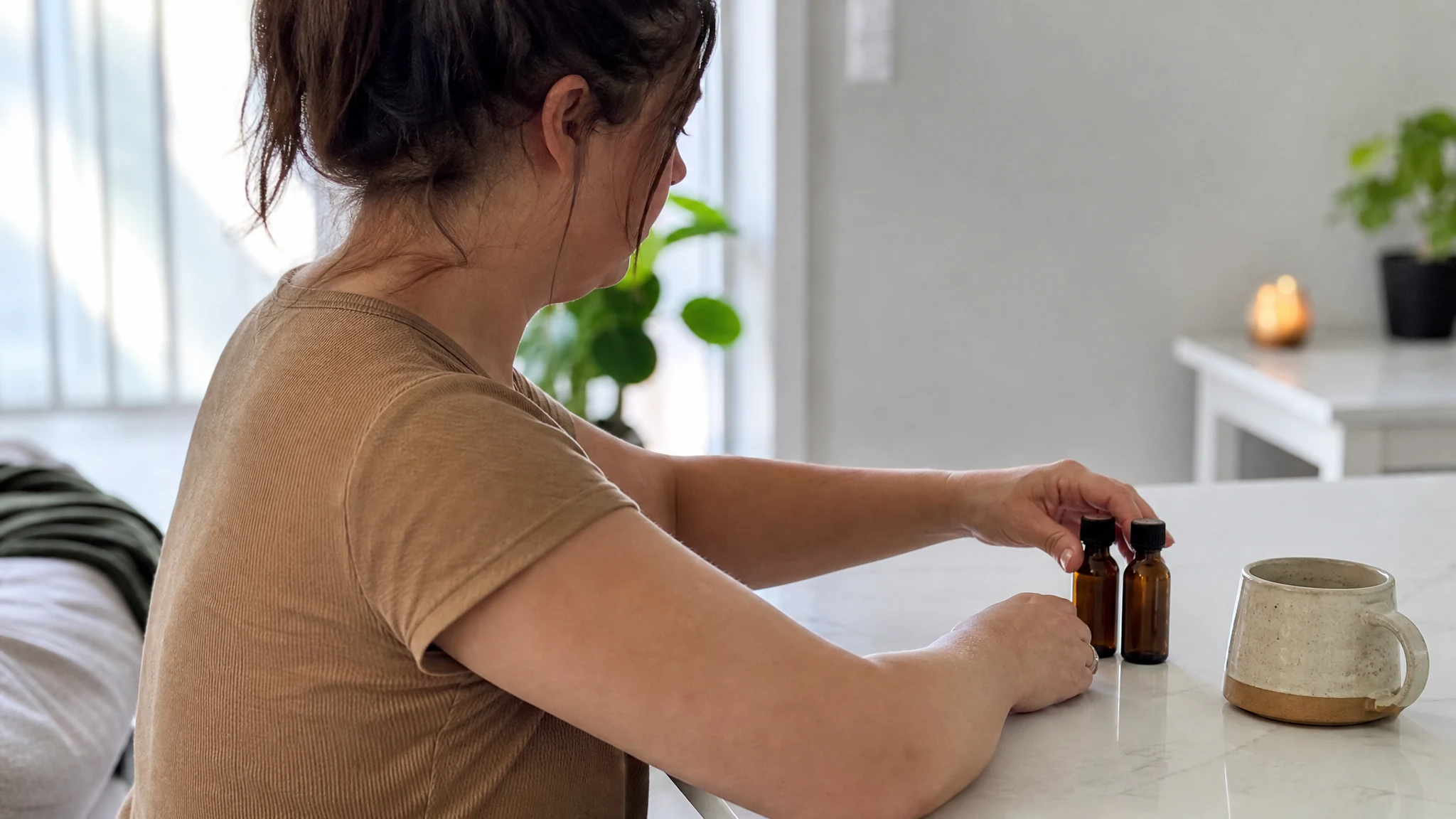
Scaling a Melissa Formula from Bottle to Batch
A recipe for one bottle is not yet a product. Move to grams, pilot at a tenth of the size and keep batch records before you size up your melissa order.
How to Price Products Made with Melissa Oil
Melissa's low usage limits keep the oil a small slice of your cost. Here is how to price around it, from markup versus margin to the retailer's double.
Essential Oil Labels: What You Can and Can't Claim
In FDA's eyes the oil is not what makes a product a drug. The words around it are. How intended use works and how to word a label for a cosmetic.
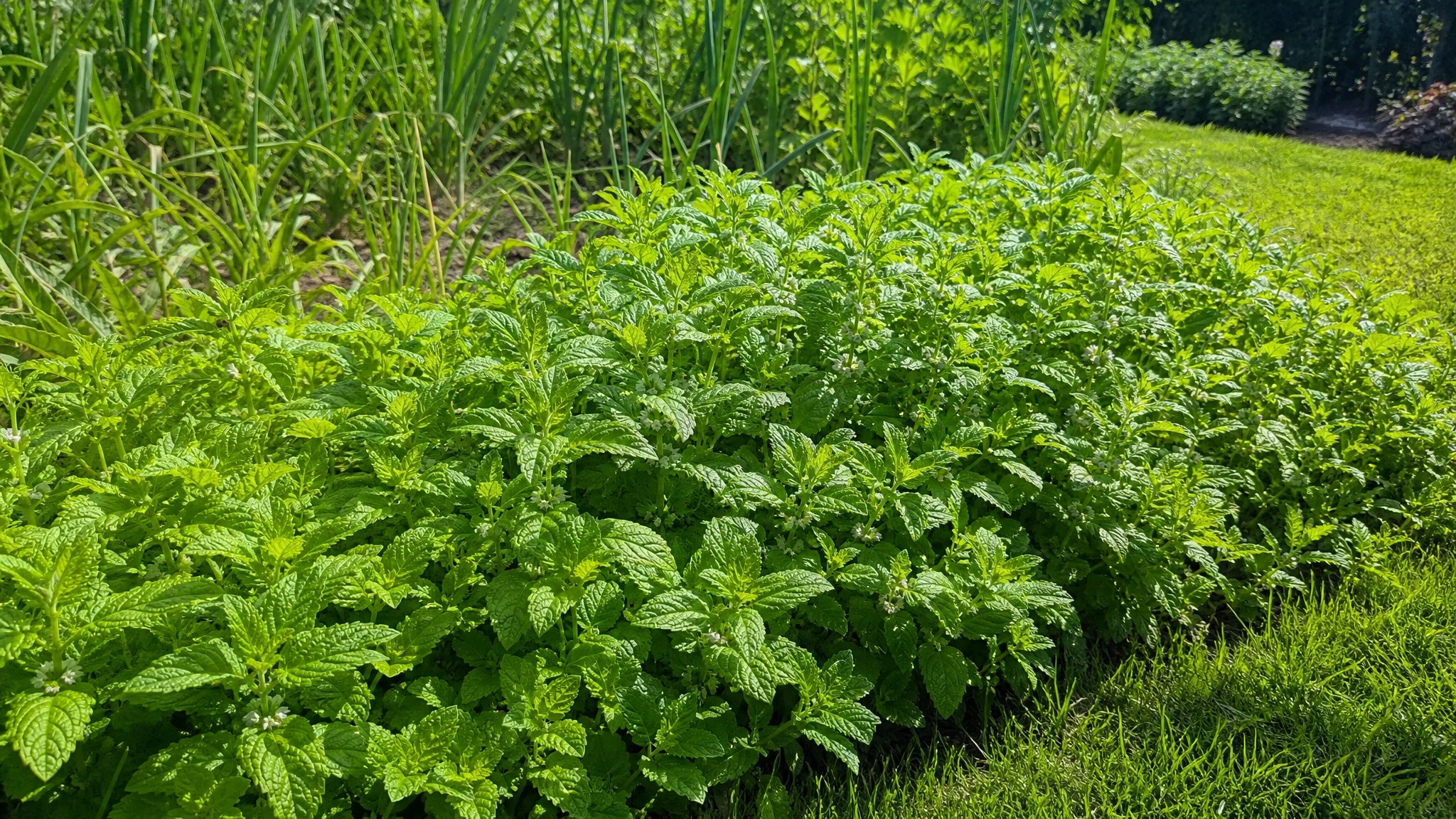
Melissa Harvest Time: How Cutting Date Shapes the Oil
Cut lemon balm in May or August and you get a different crop. How timing, plant age and type shape melissa oil, and why yields stay so small.
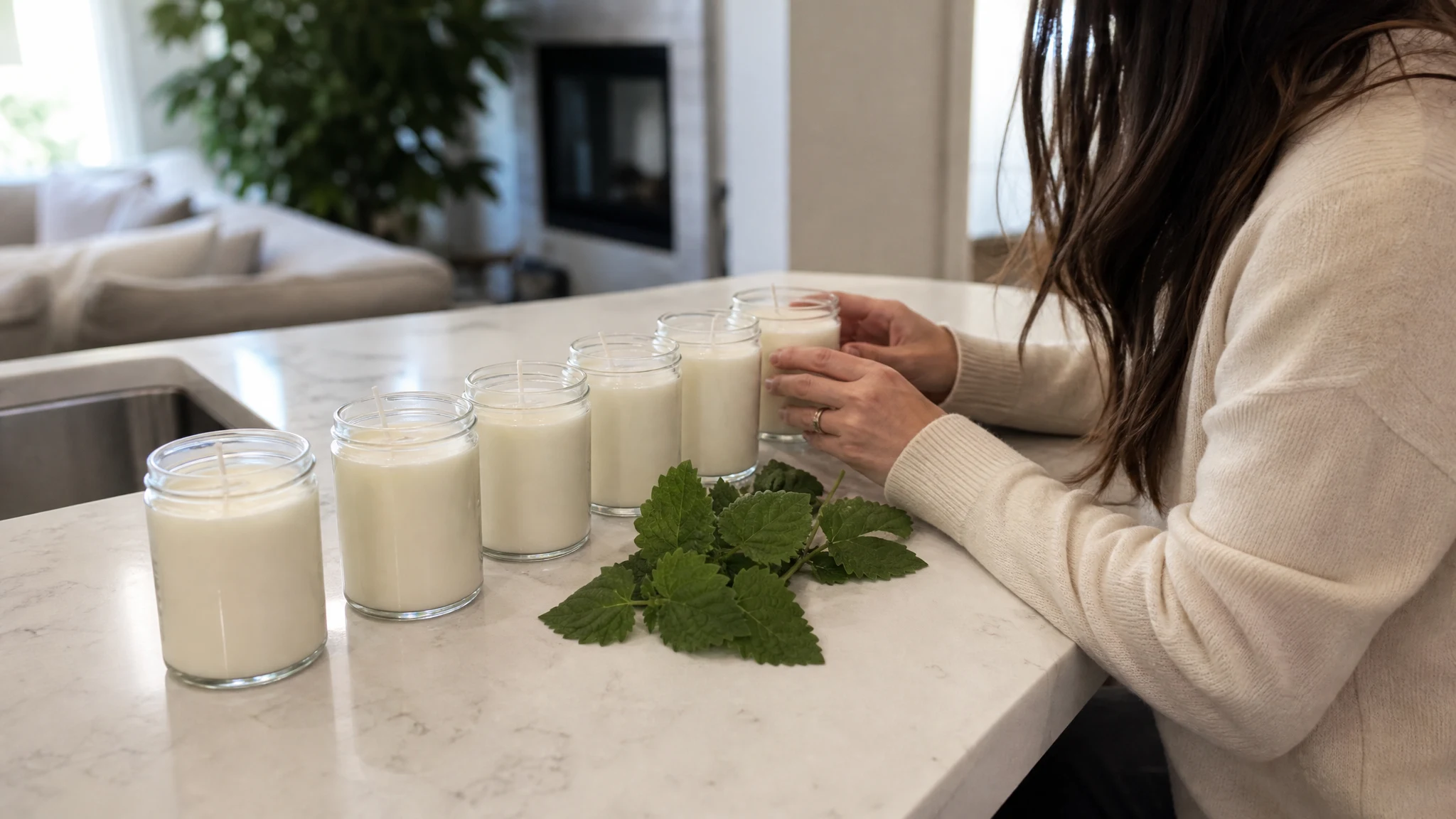
Melissa Oil in Candles: Is It Worth the Wax?
Candles are the thirstiest place to spend melissa oil. Here is the arithmetic, what a wax maker's data sheet asks for, and a sensible way to test.
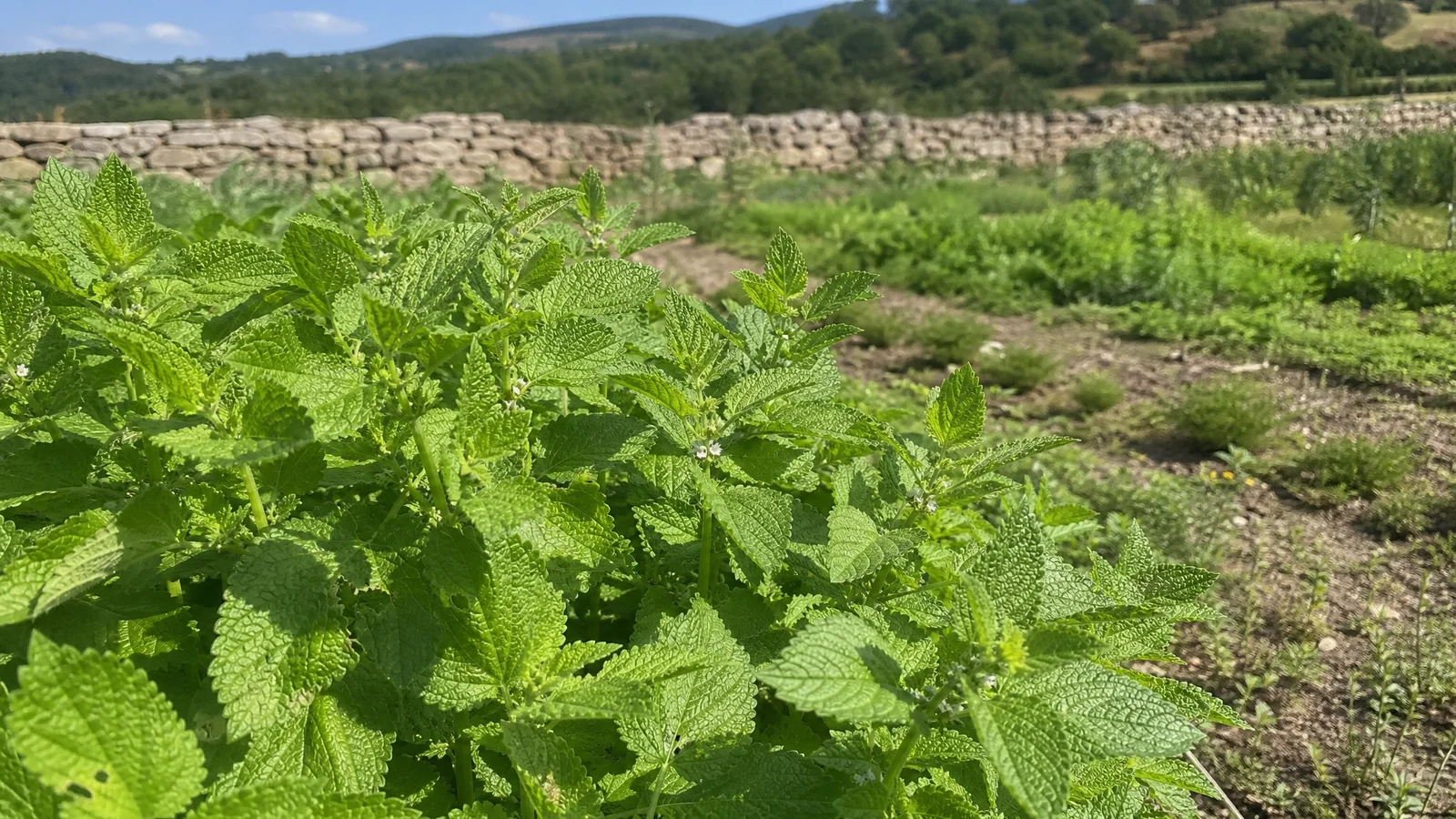
What Is Melissa Oil? Names, Types and Basics
One plant, several names and two chemical personalities. Why two bottles of melissa oil can smell different and what the name does and does not say.

Using Melissa Oil at Home: Air, Bath and Skin
Melissa is easiest in the air and most exacting on skin. A walk through diffuser, body oil, bath and spray, with the limit and key habit for each use.
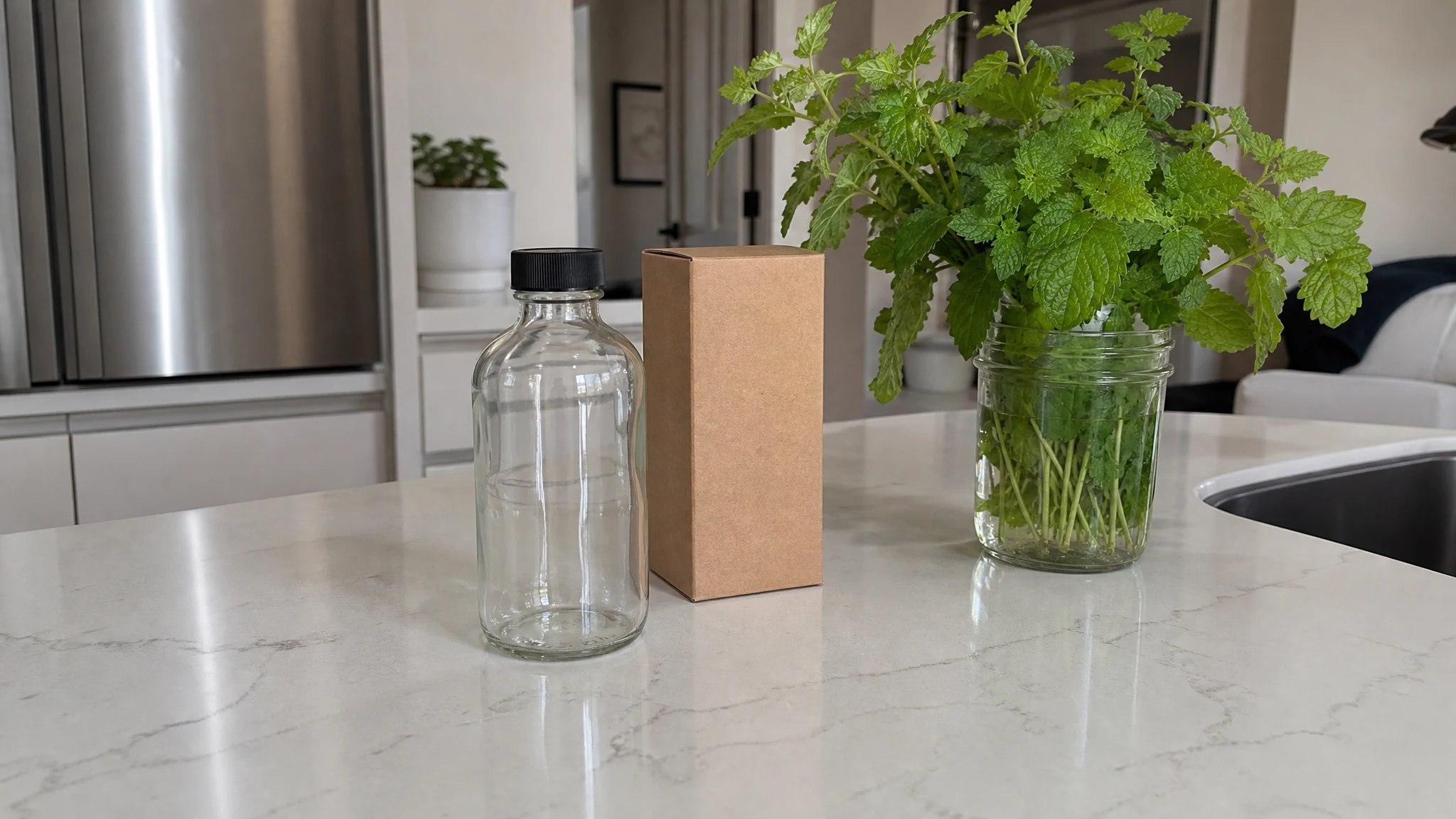
How to Buy Melissa Oil: Start With Your Use
Diffuser, lotion, soap or wholesale? The use sets the limit and the paperwork worth asking for. Here is how to match the two before you buy melissa oil.
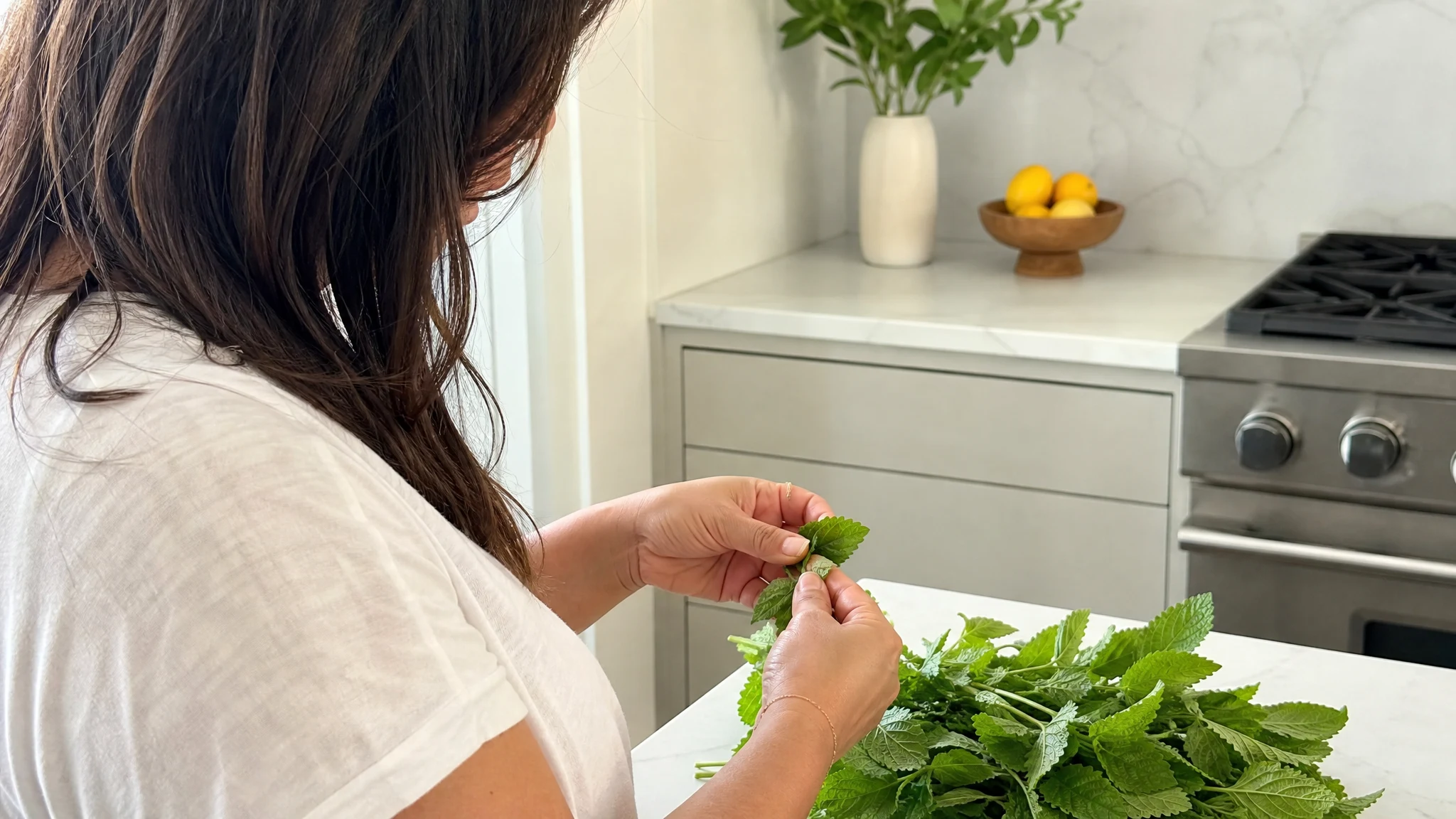
What Does Melissa Oil Smell Like?
Lemon first, then a soft green heart. Why melissa oil smells softer than lemongrass, why bottles differ, and a blotter test to try yourself.
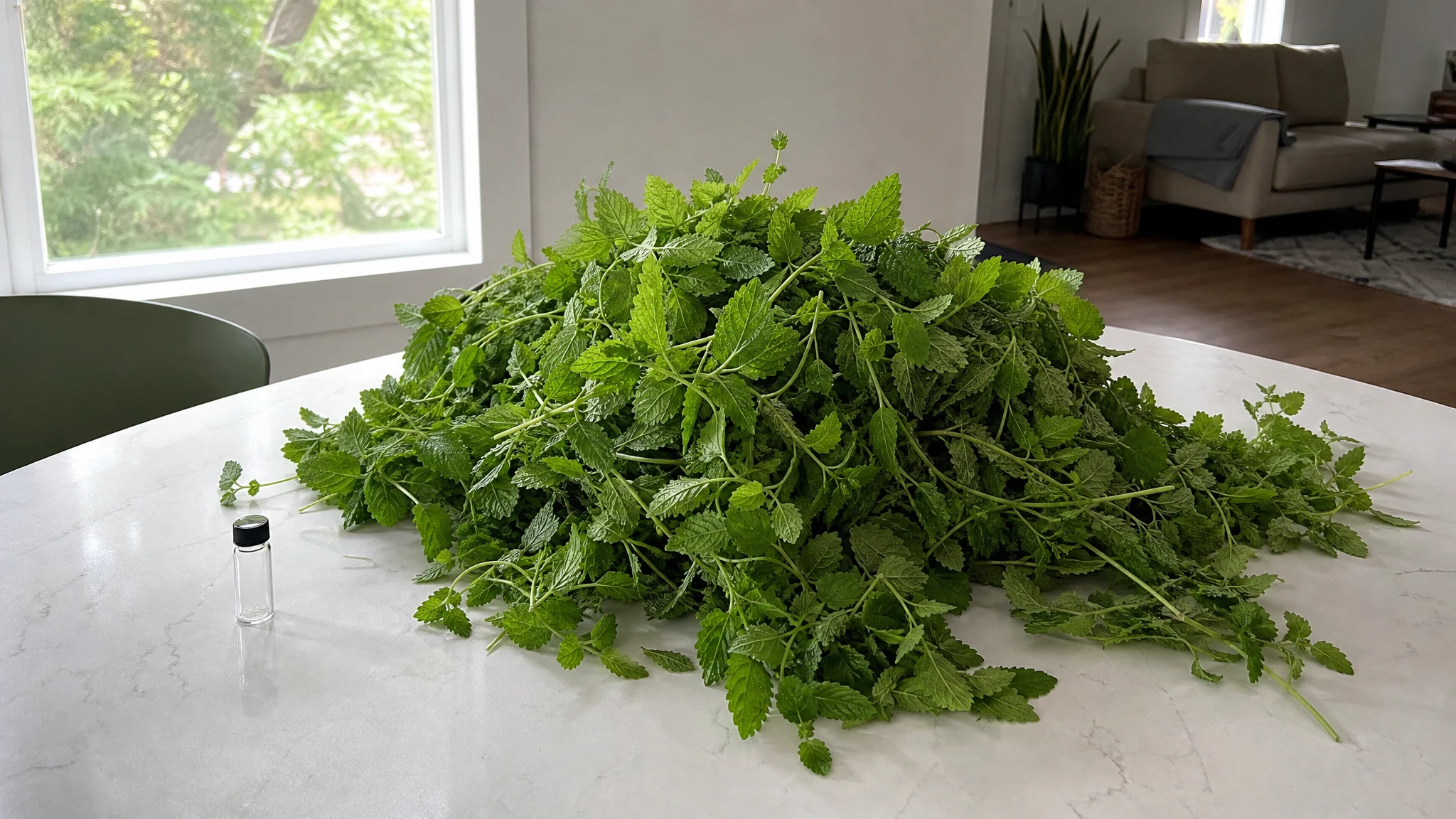
Why Is Melissa Oil So Expensive? Leaf to Bottle
Lemon balm smells generous but gives up little oil. The yield figures behind the price, why price is a poor test of quality, and how far a bottle goes.
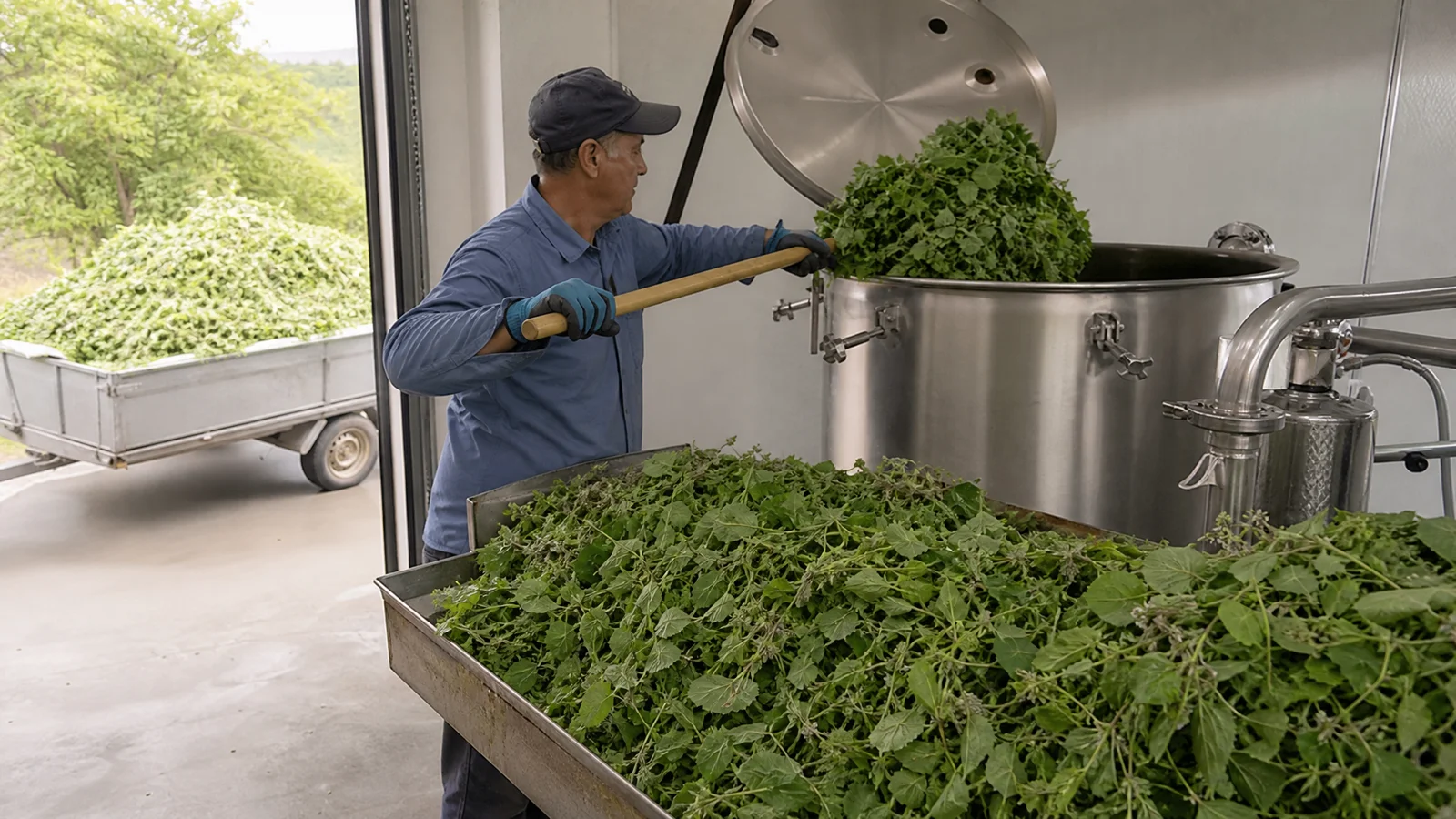
How Is Melissa Oil Made? Yields, Stills and Variation
Lemon balm gives up very little oil. See what yields are reported, how steam distillation works, and why one melissa oil can smell unlike another.

Melissa Oil FAQ: Straight Answers to Common Questions
Is it lemon balm oil? How much goes on skin? How do I store it? Plain answers to the questions we would expect from anyone considering melissa oil.
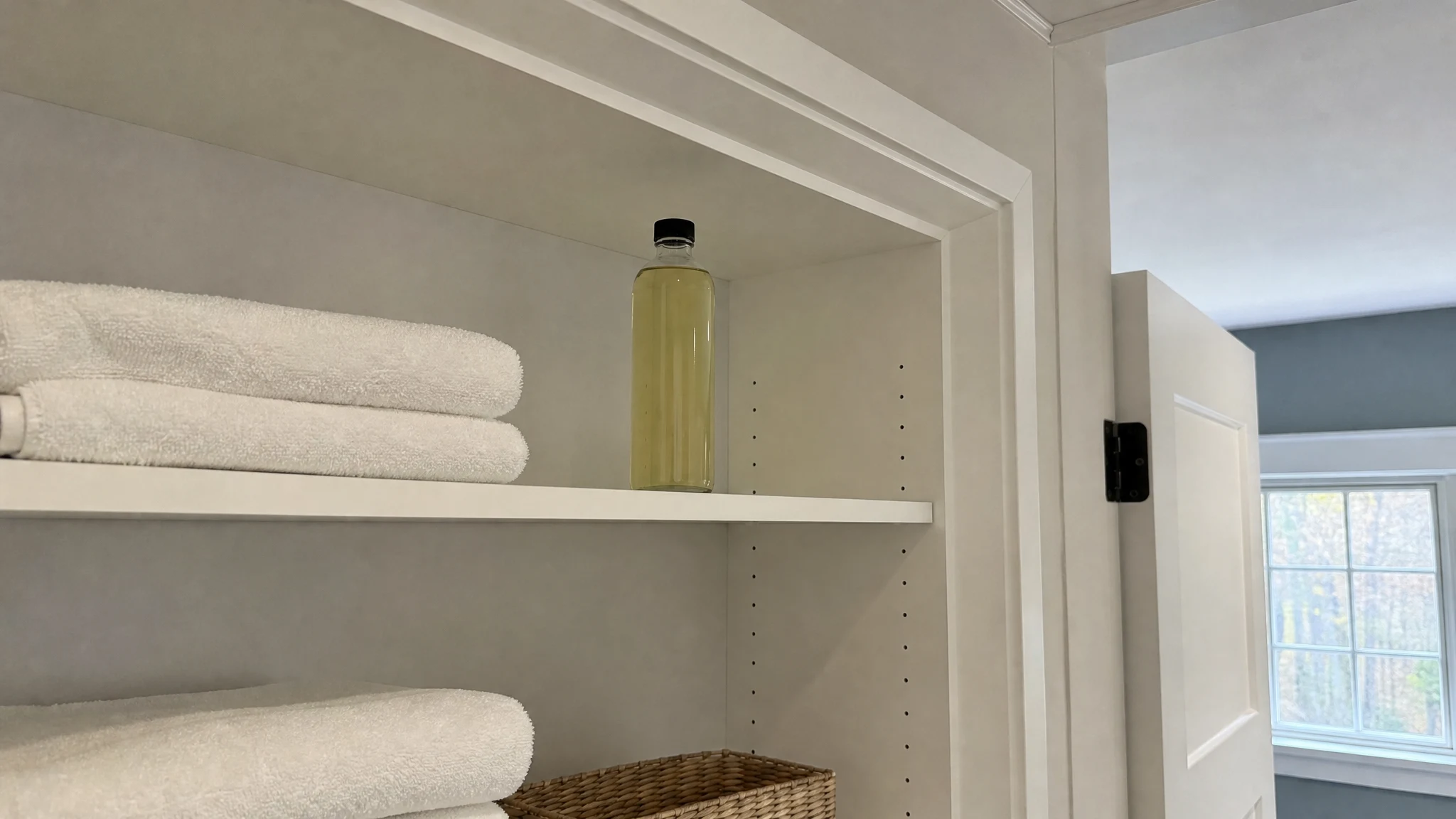
How to Store Melissa Oil So It Stays Fresh
Heat, light, moisture and air age an oil. Learn how to keep melissa oil fresh, when to decant into a smaller bottle and how to judge an older one.

A Short History of Lemon Balm and Its Bee Connection
Lemon balm's name means honeybee in Greek. Follow the plant from ancient texts to the herb garden, and see how a leaf becomes a few drops of oil.
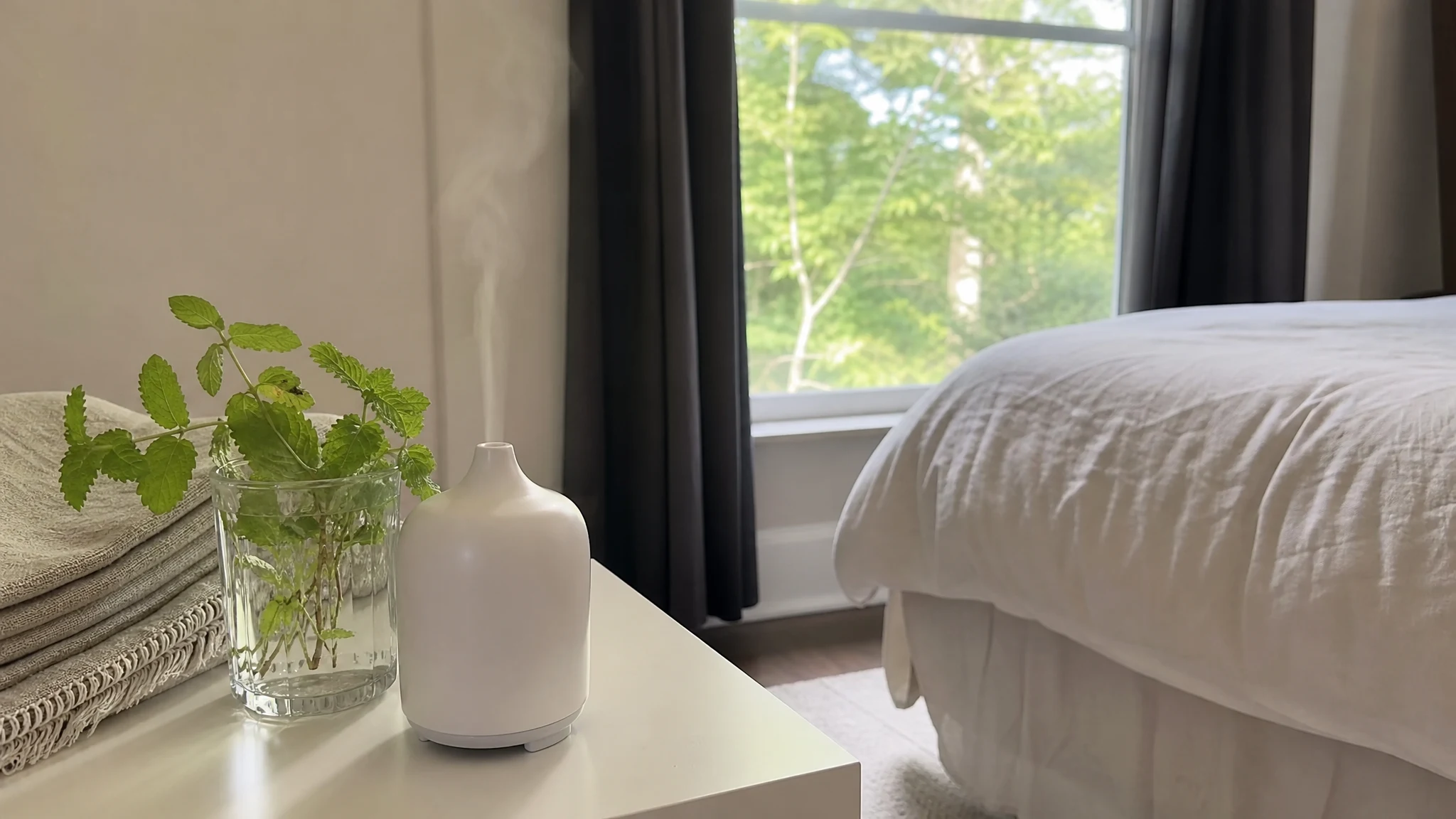
Melissa Oil in a Diffuser: How Much and How Long
One drop, short sessions and a ventilated room: how to diffuse lemony melissa oil, pair it by nose, and who should check with a professional first.
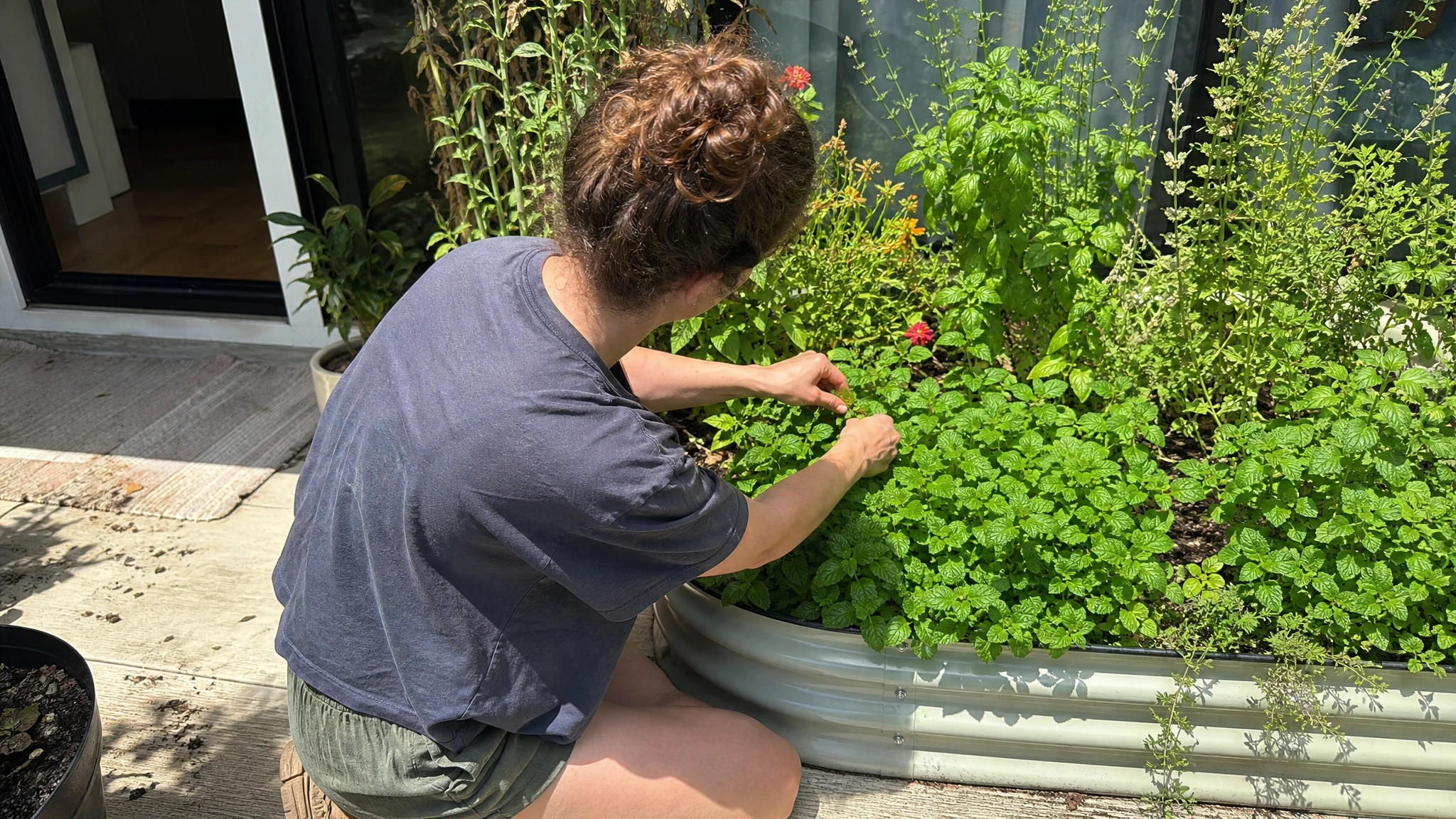
How to Grow Lemon Balm: Sun, Spacing and Harvest
Sun, spacing, seed, cutting and reseeding tips for lemon balm, plus a look at why a garden clump yields only a few drops of melissa oil.
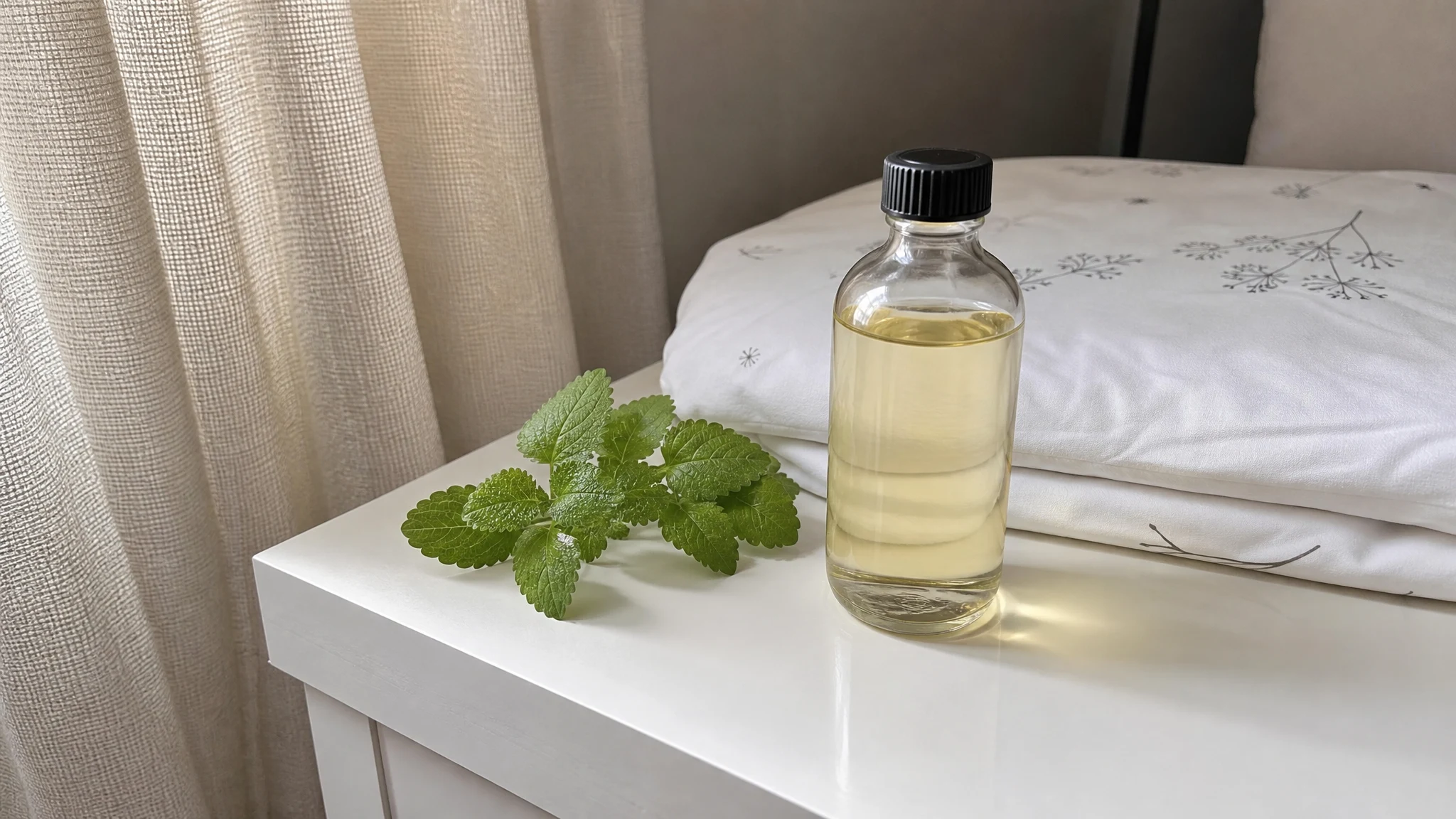
Melissa Pillow Spray: How Few Drops Is Enough?
Most pillow spray recipes use far too much oil. Here is why citral sets the dose for melissa, and a two-step recipe by weight that keeps to the limits.
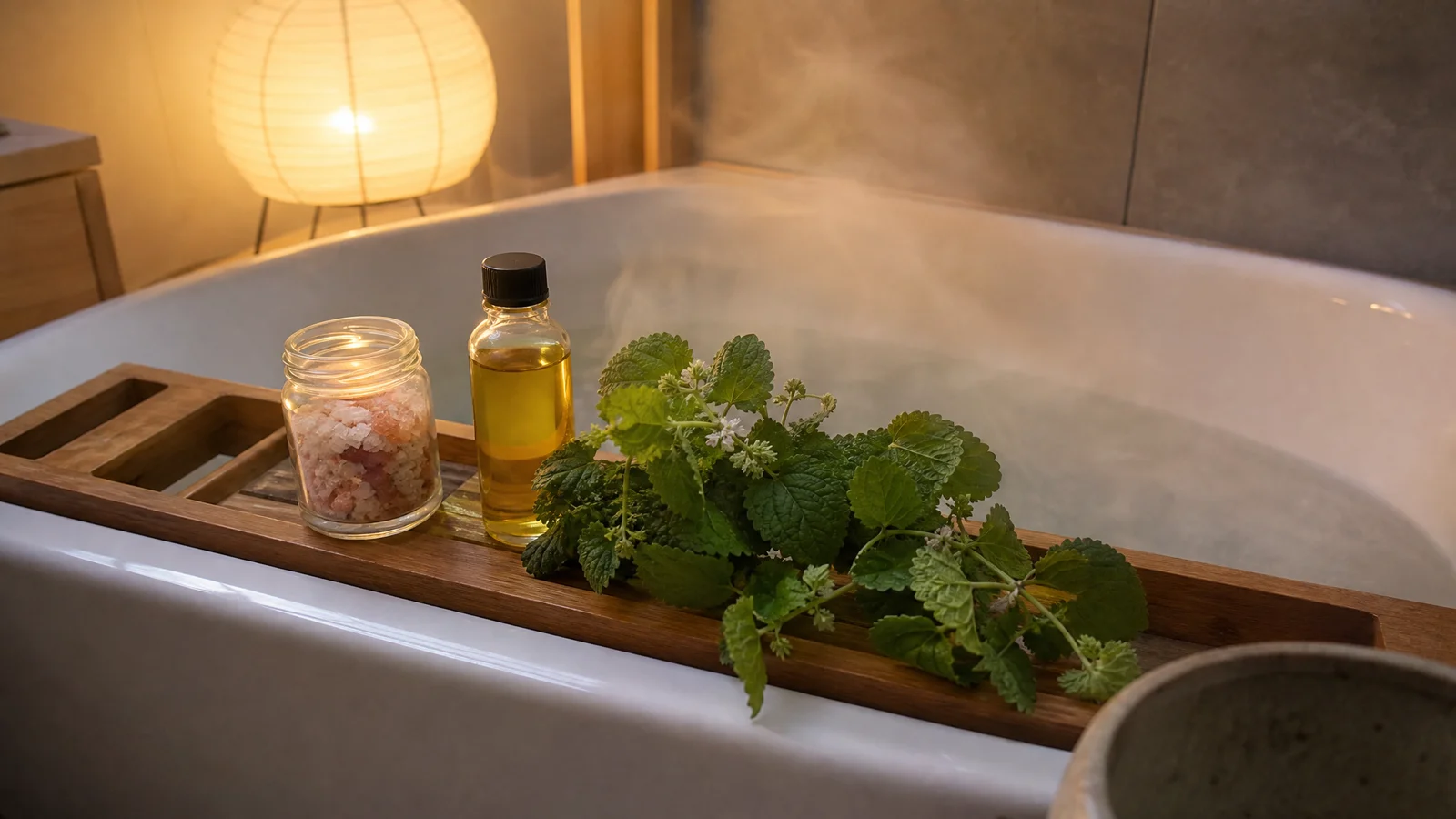
Melissa Bath Oil: How to Make It Actually Disperse
Oil stirred into bath salts just floats. Here is a dispersed melissa bath oil, worked out by weight and kept well under the published bath limit.
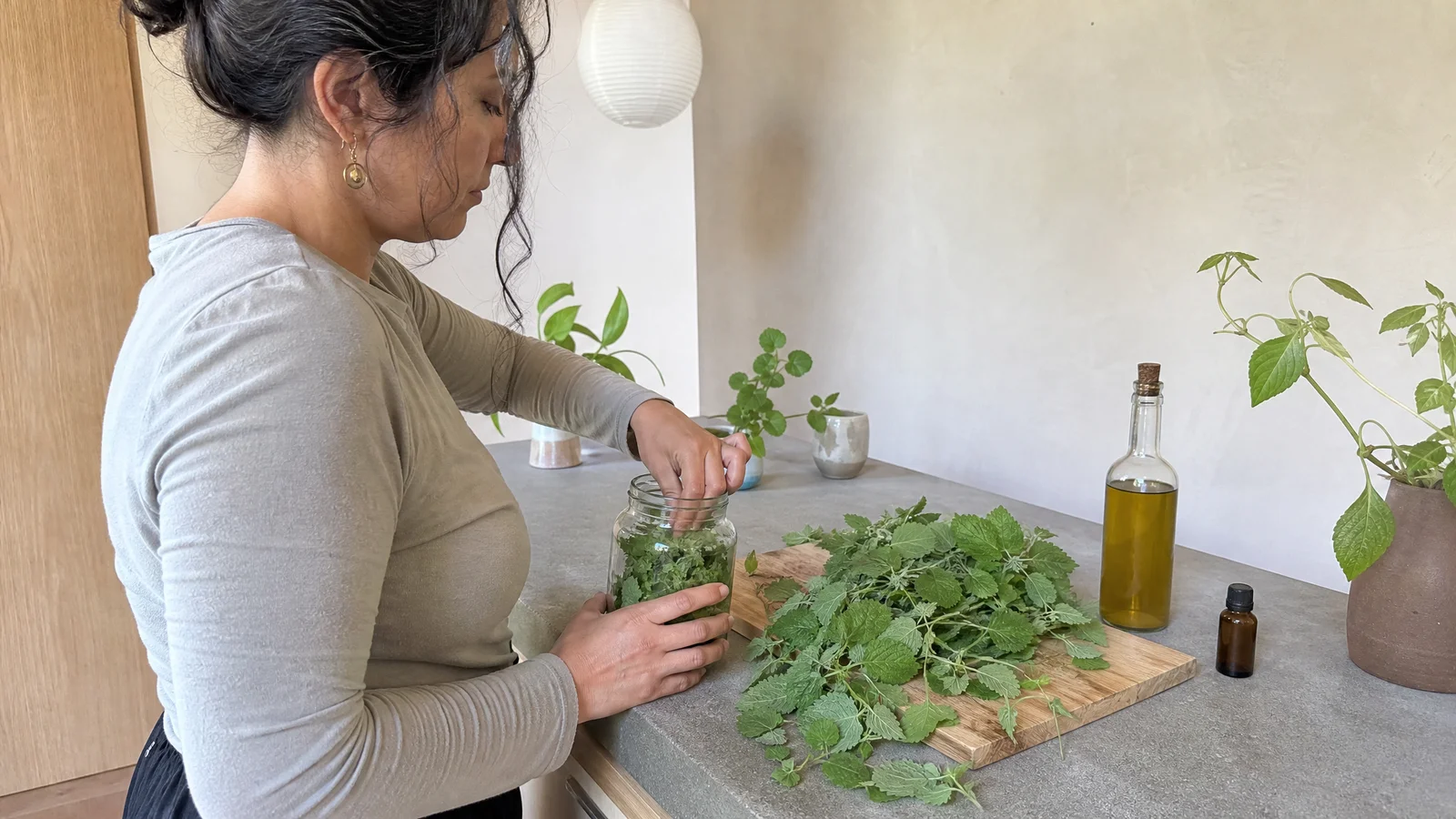
Lemon Balm Oil vs Melissa Essential Oil: What Differs
One plant, two very different bottles: what an infused lemon balm oil is, why the steam-distilled oil is the concentrated one, and which to choose.
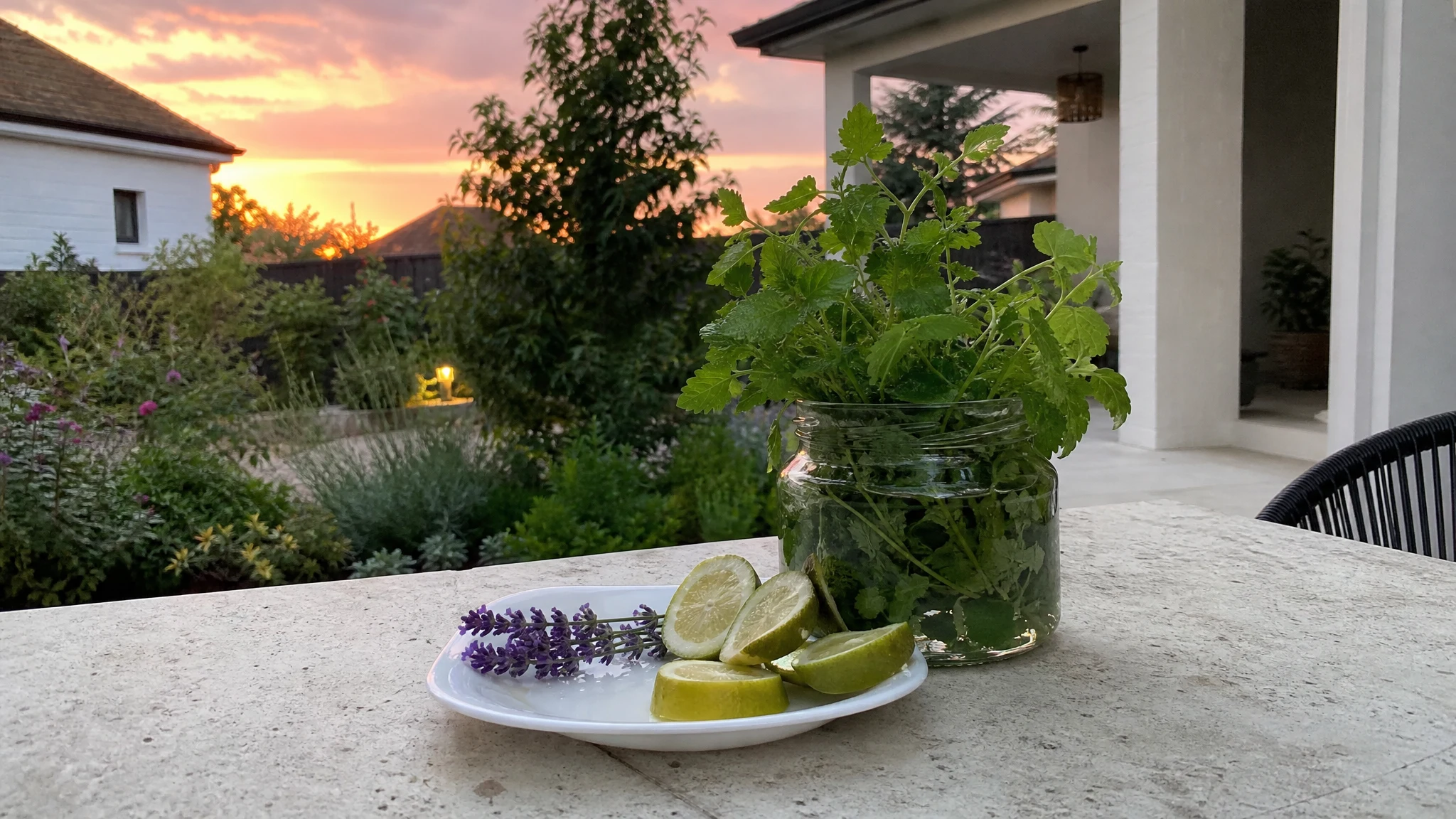
Melissa, Lavender and Bergamot Blend: Ratios and Limits
Bergamot, not melissa, caps the perfume. A 1:2:1 melissa, lavender and bergamot blend worked out by IFRA limits for lotion, perfume and soap.
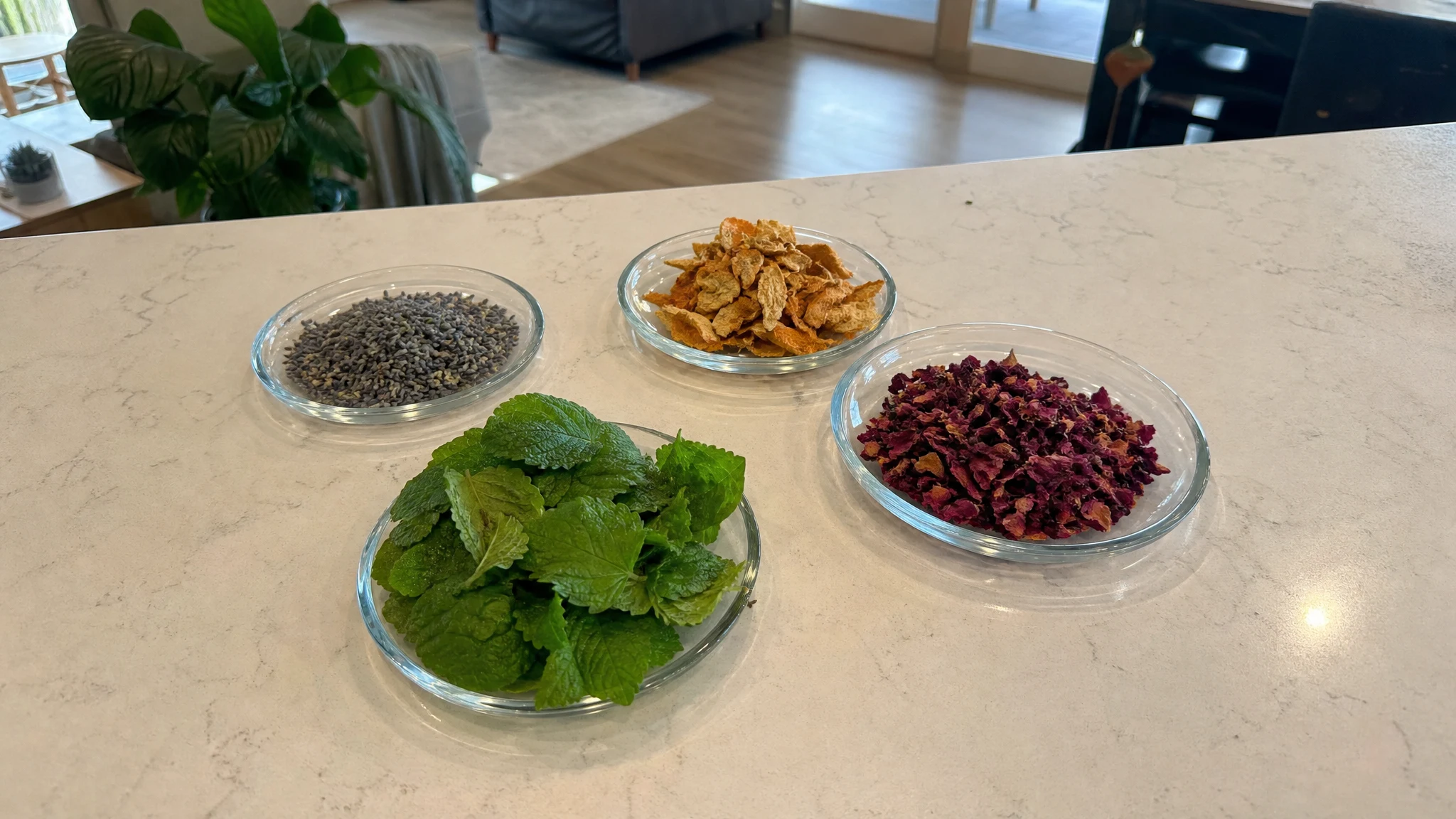
What to Blend with Melissa Oil: Partners That Work
Melissa's bright lemon top note looks for a soft partner. Here is how lavender, bergamot, geranium, rose, chamomile and ylang ylang each play the part.

Scenting Rooms with Melissa Oil: Diffusers to Sprays
Windows open, melissa oil ready. Which room method fits which published limit, from water diffusers to reed diffusers, with the sums done for you.
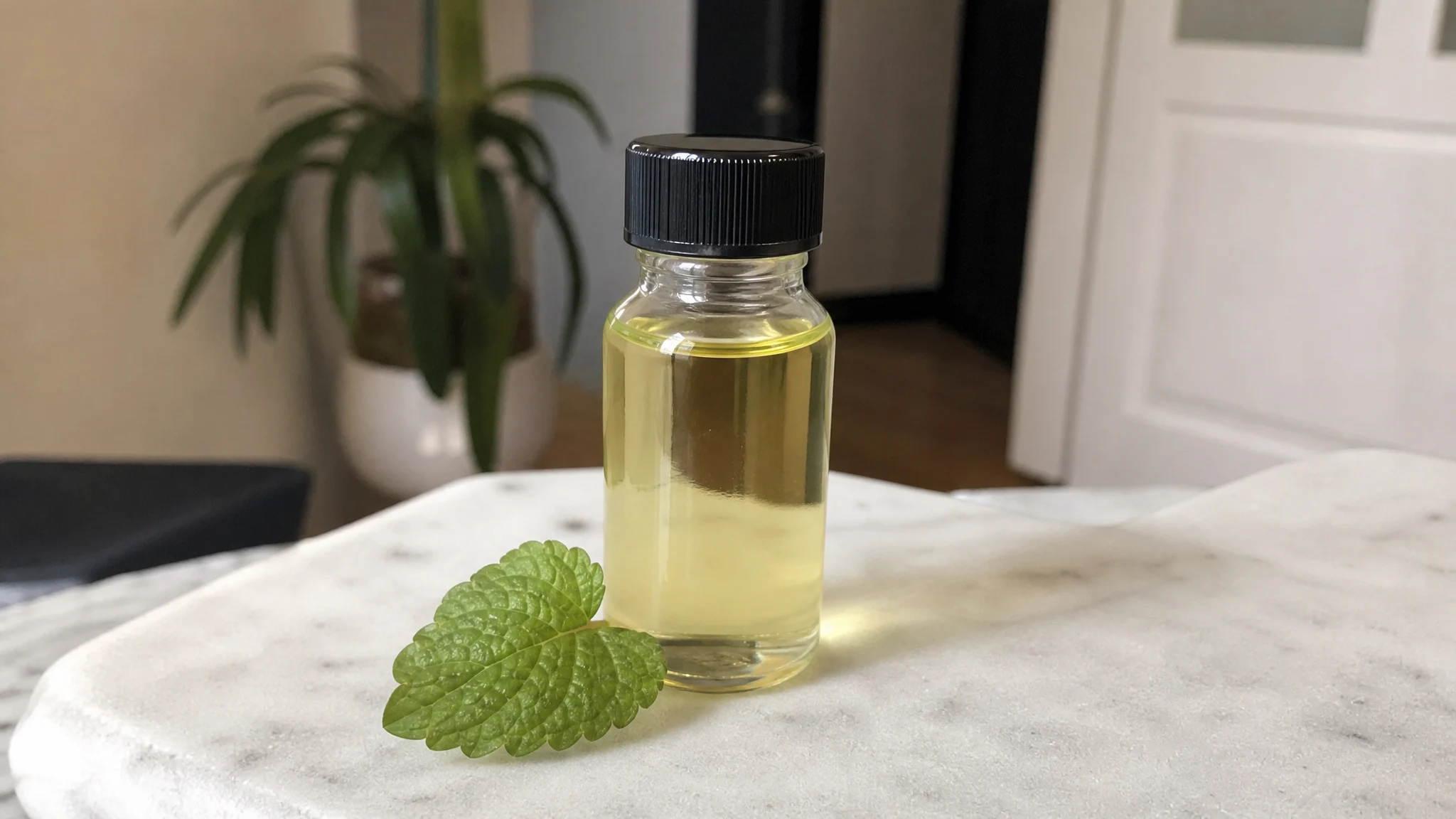
How Long Does a Bottle of Melissa Oil Last?
A half-ounce of melissa oil holds roughly 300 drops. Here is how to count them, why the doses stay tiny, and how to keep the last drops fresh.
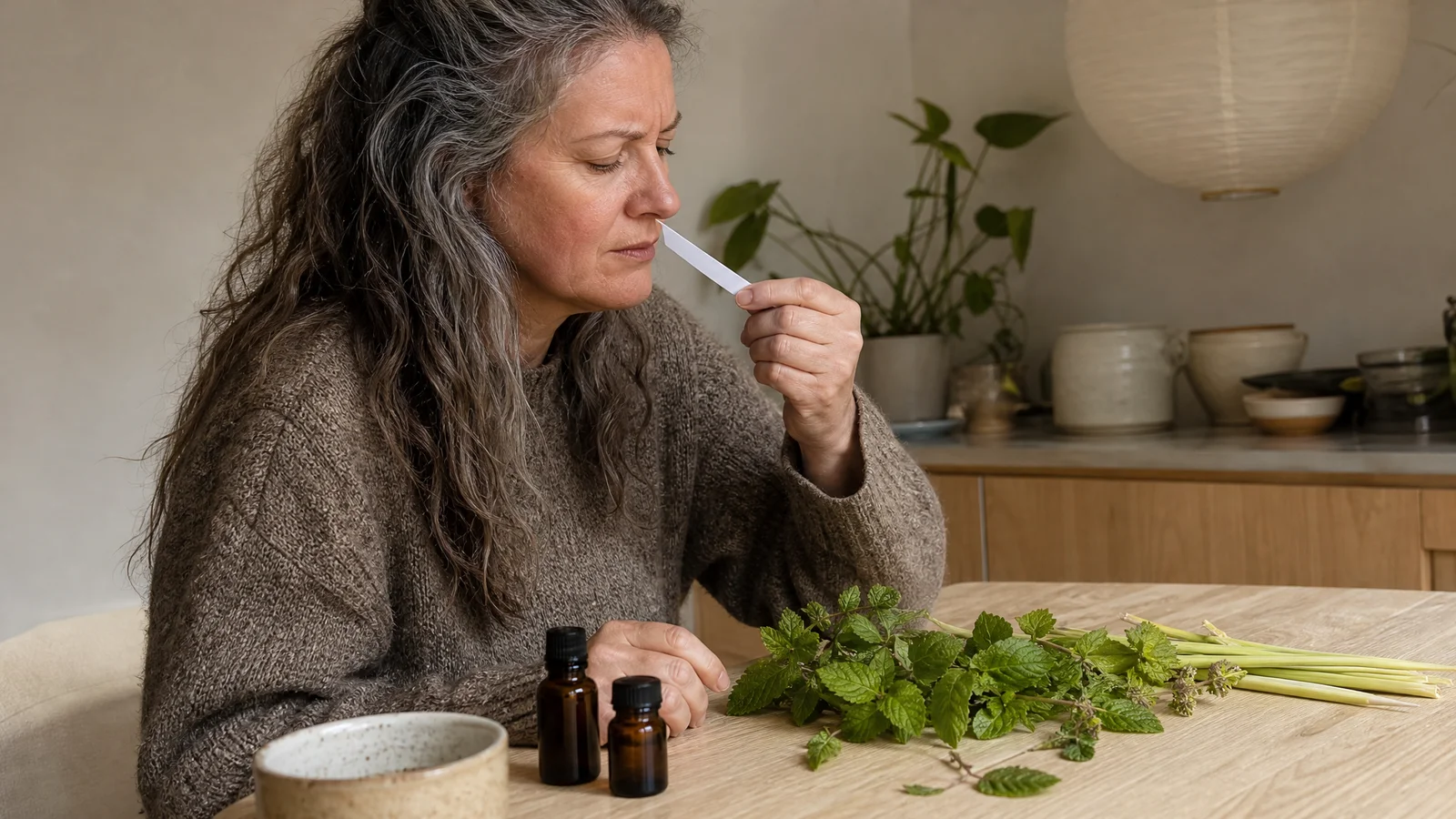
Real Melissa Oil: What Smell and Paperwork Can Tell You
Melissa oil varies so much that smell alone cannot confirm it. A ladder of checks from label to GC-MS, and what each one can really tell you.
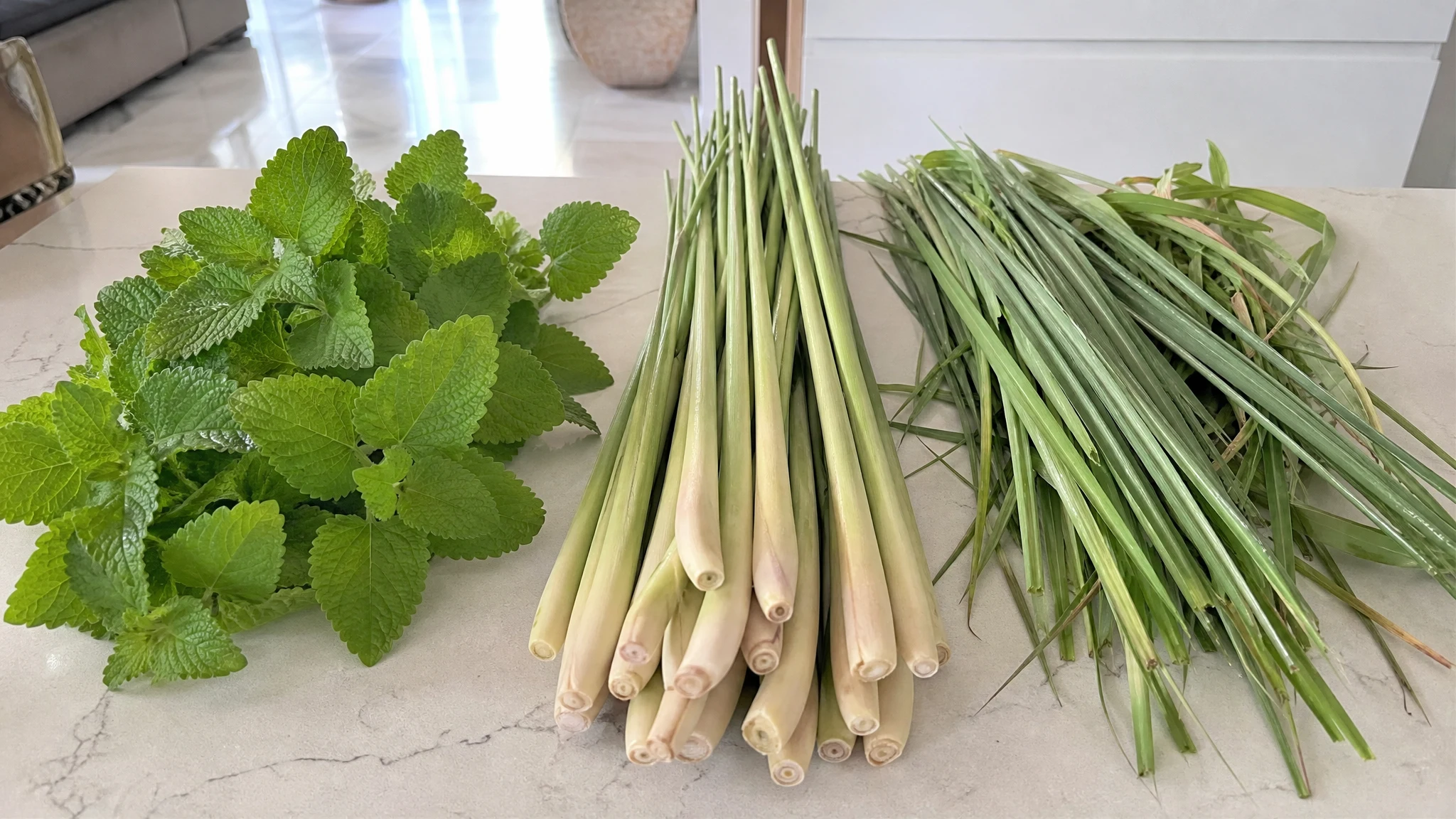
Melissa vs Lemongrass vs Citronella: Lemony Oils Compared
Melissa, lemongrass and citronella share a lemony note but not a chemistry. See what the analyses and usage limits say before you pick one.
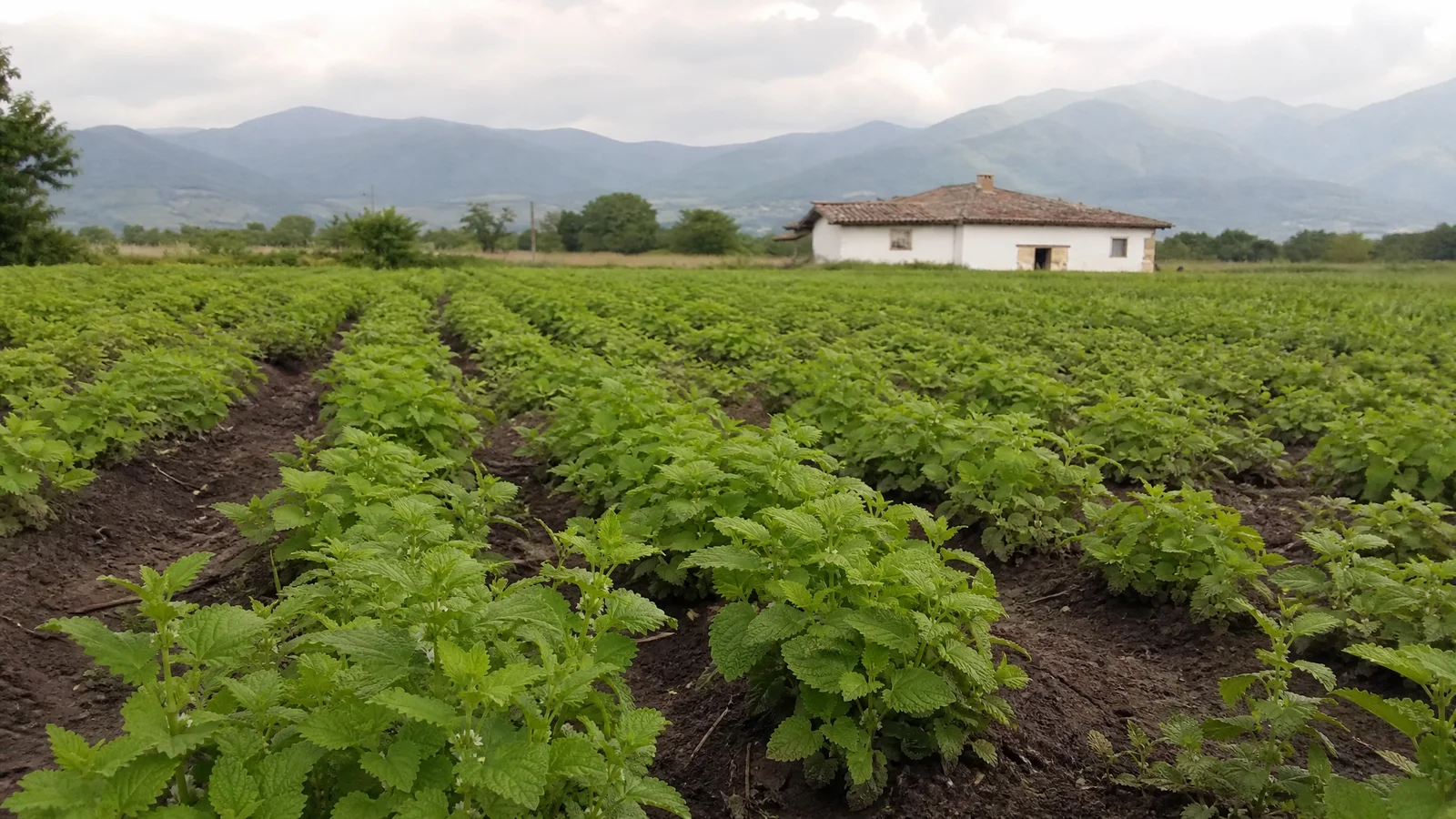
Young Living Melissa Oil: How to Read the Page
We read Young Living's melissa page line by line: the farm, the dilution advice, the citral note. Then the questions that work on any seller's page.
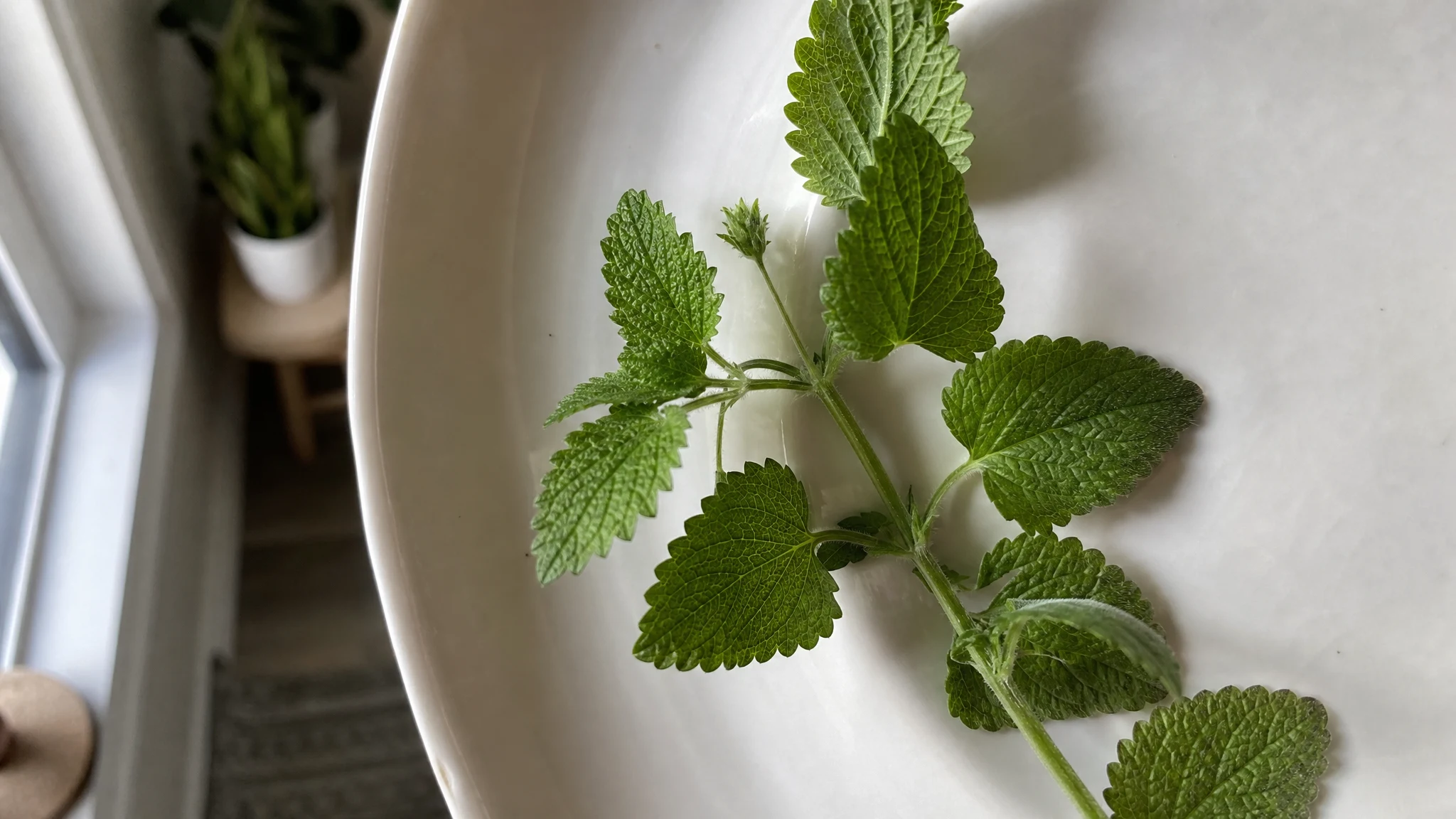
How to Read a Melissa Oil Label: What Matters
Botanical name, dilution percentage, the word 'tested': what each line on a melissa oil label tells you, and the one question to ask about each.
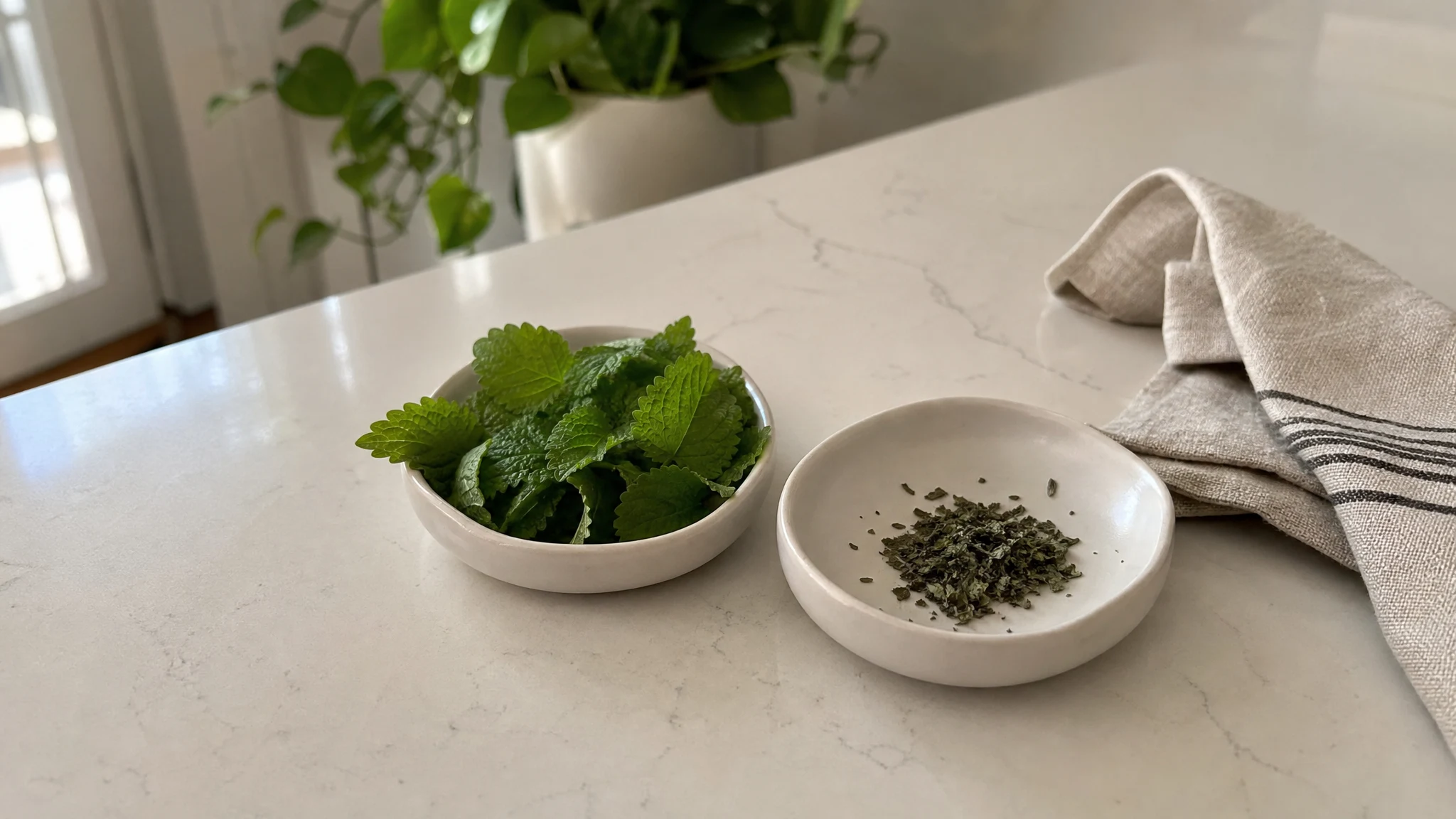
Is Pre-Diluted Melissa Oil Worth Using?
A pre-diluted melissa bottle is a convenience for measuring tiny amounts, not a finished product. See the arithmetic and when neat oil makes more sense.
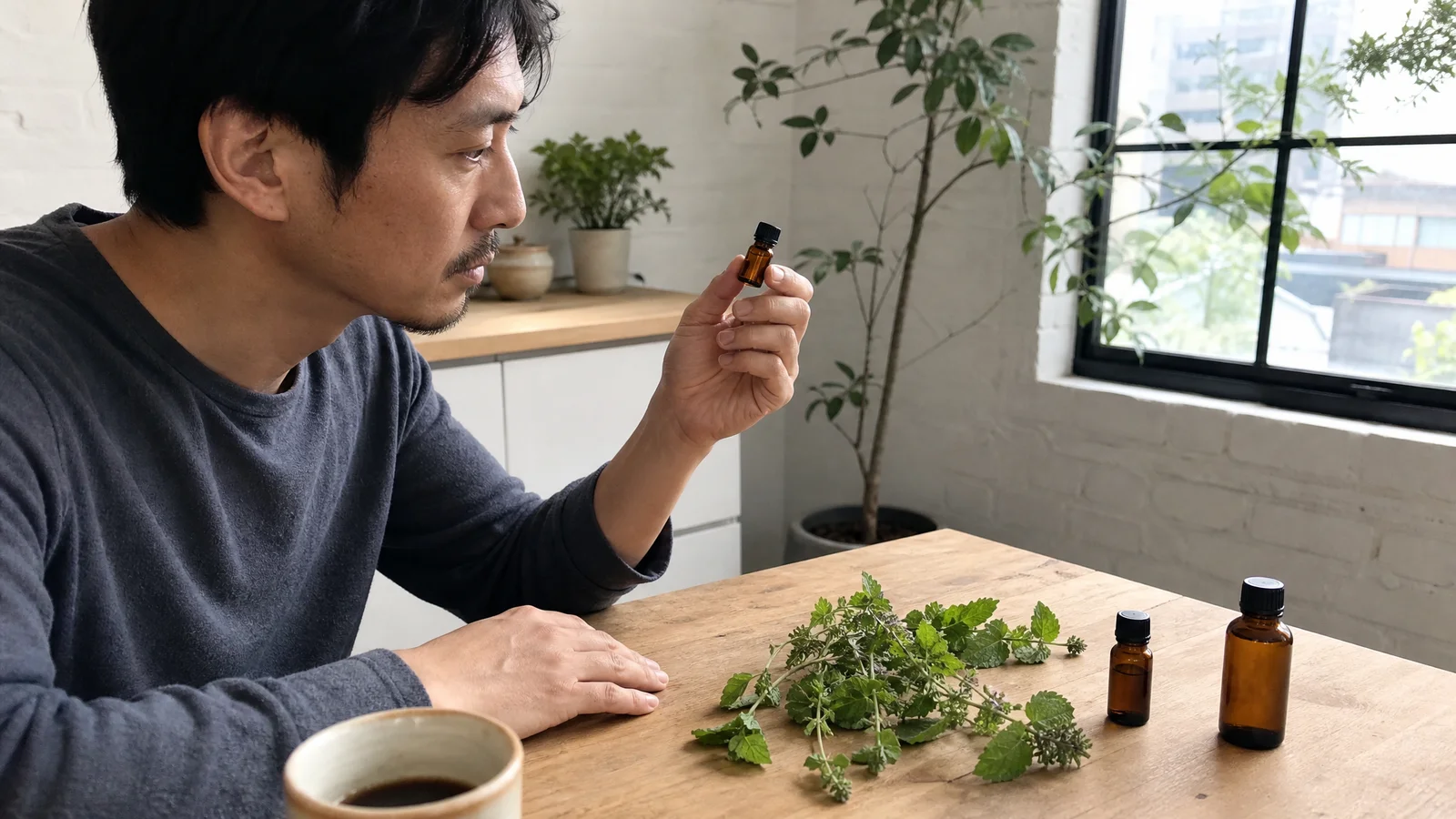
Which Melissa Oil Bottle Size Should You Choose?
Bigger is not better value if the oil sits open. How many batches a half ounce covers, how air affects a bottle, and when it makes sense to size up.
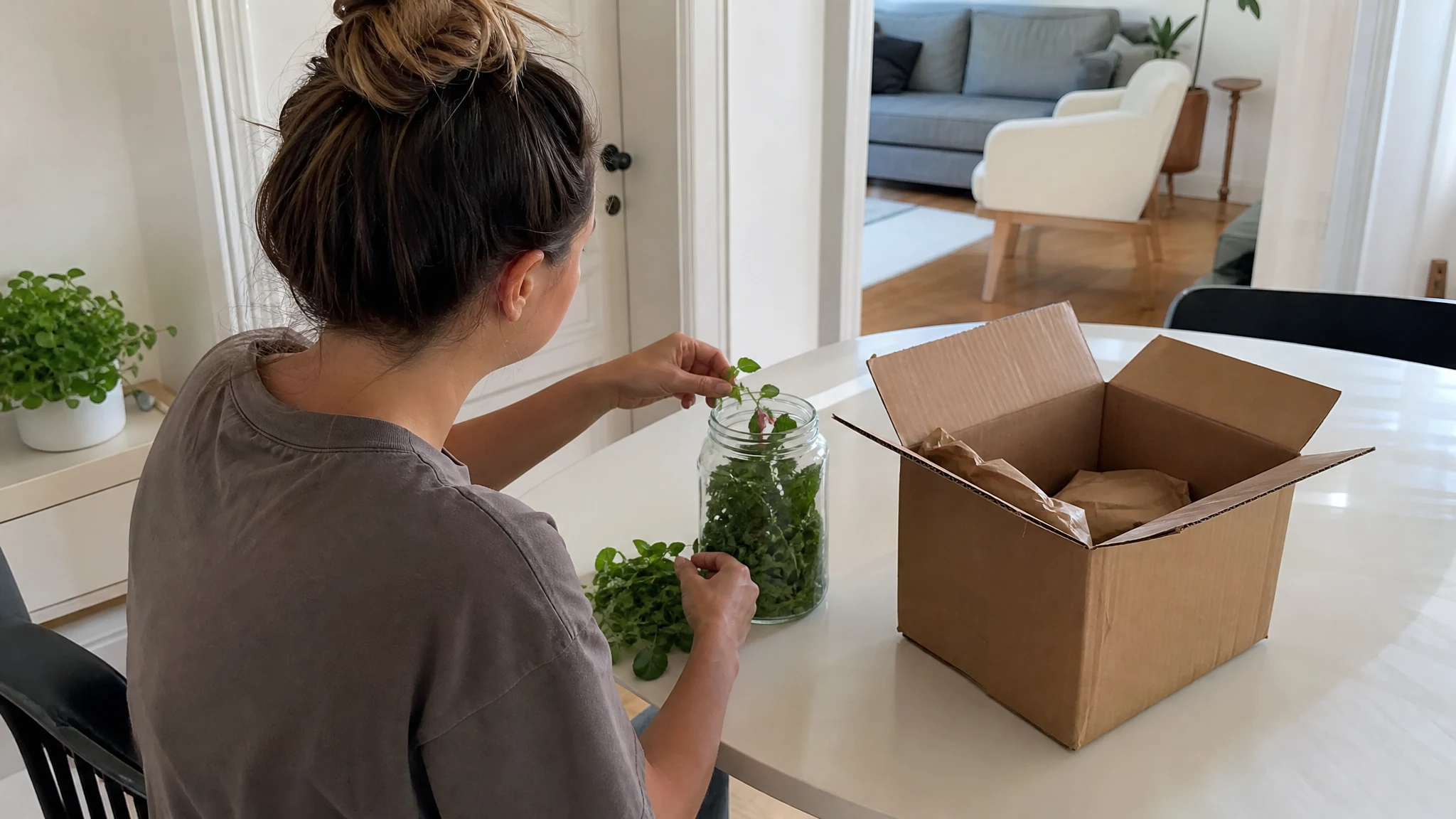
Where to Buy Melissa Oil: 4 Questions to Ask
The best predictor of a good melissa oil purchase is what the seller will put in writing. Four questions to ask, and a home density check.