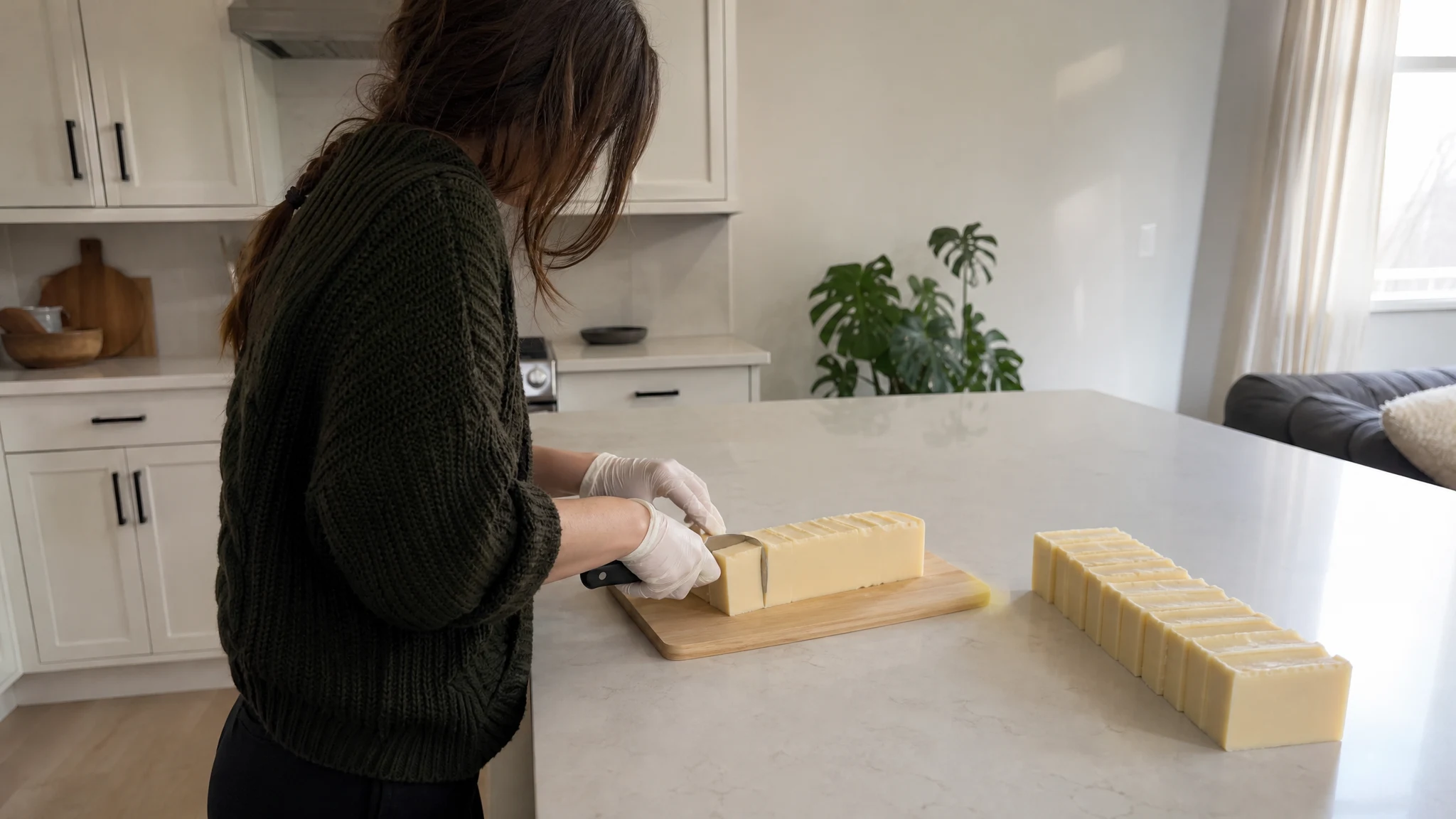
Melissa Oil in Cold Process Soap: Rates and Limits
Cold process soap and a delicate, lemony oil can be a lovely pairing, or a quietly disappointing one. Soap makers often add extra fragrance when a citrus note comes out faint, and with melissa that instinct runs straight into a published limit. Knowing the numbers before you start is what lets you make a bar that smells the way you hoped.
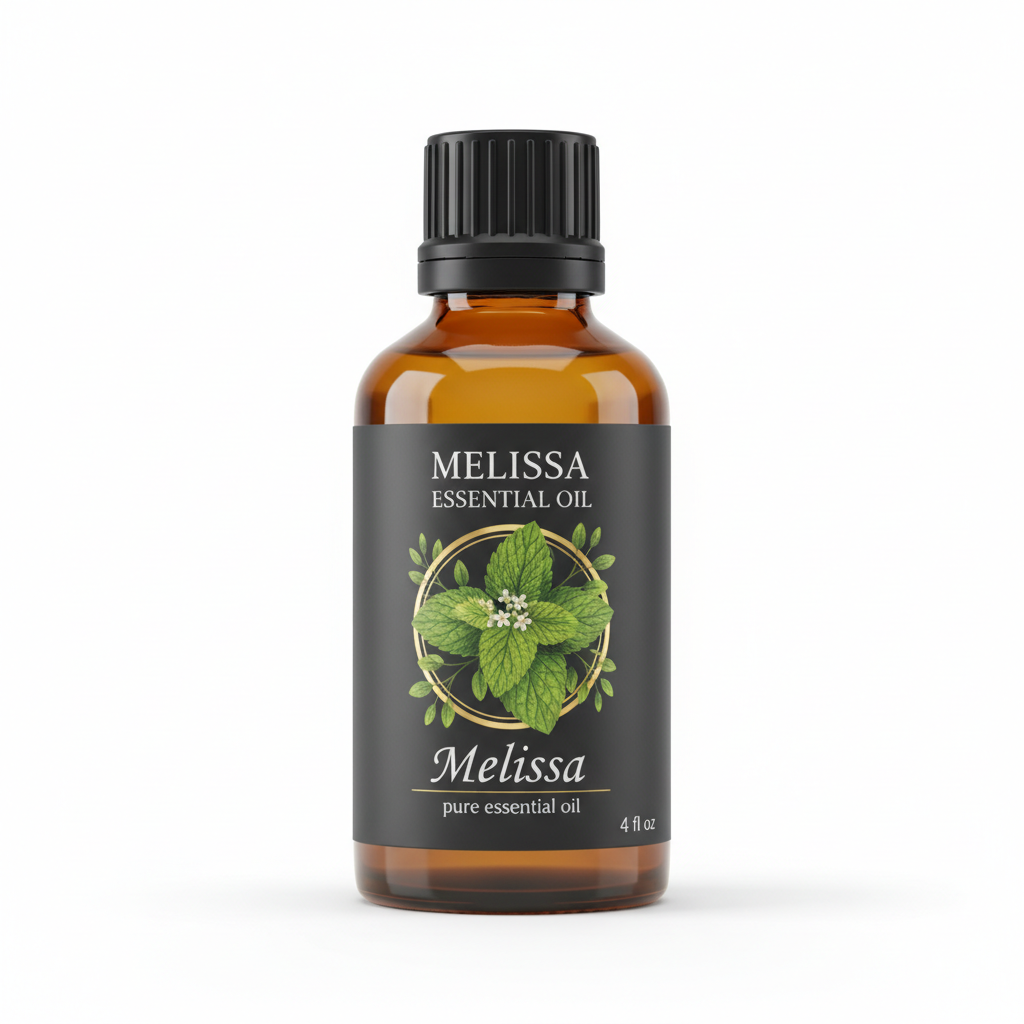
Melissa Essential Oil
Our own Melissa Essential Oil, in sizes from 0.5 oz to bulk.
From $23.99
Shop Now →The limit comes first
IFRA's standard for melissa oil allows 1.2% of the finished product in category 9, and IFRA's guidance document places bar soap in that category. IFRA does not bind a home soaper, but it is the best benchmark we have, and it is the one we recommend you work from. Our own skin dilution guidance of 0.5% to 2% is written for oil in a carrier, so for a soap bar the lower IFRA figure is the one to keep in front of you.
Compare that with a general rule of thumb. Soap Queen's article How to Prevent Scent Fading in Soap gives 0.8 ounces of fragrance or essential oil per pound of soap for a strong scent, "within regulatory limits." That works out to about 5% of the weight. It is a general guideline, not a rate for melissa, and it shows how quickly a usual soap dose can pass this oil's ceiling.
What the numbers look like in a batch
Take a batch with 500 g of oils. The finished weight is not fixed, since it depends on your lye solution and how much water the bar gives up while curing, so here are two bases: the oils alone, and an assumed 700 g of batter. A drop is about 0.044 g, from the 0.888 relative density on the Certificate of Analysis we publish for one batch and roughly 20 drops per ml, which is about 22.5 drops per gram.
| Basis | Melissa oil | Approximate drops |
|---|---|---|
| 1.2% of 500 g (oils only) | 6.0 g | 135 |
| 1.2% of an assumed 700 g batter | 8.4 g | 189 |
| Half of the 700 g limit (a gentle first try) | 4.2 g | 95 |
| 0.8 oz per pound, read as oils (5%) | 25.0 g | 563 |
The general-rule dose is three to four times the IFRA figure. Weigh in grams rather than counting drops, as droppers differ. If the batch makes six bars of about 115 g (an assumption), the 8.4 g limit is roughly 1.4 g per bar, around 31 drops, and a 0.5 oz bottle, about 13 g of oil, covers a little over a batch and a half.
Scent and the soap pot
Soap Queen explains that the pH of cold process soap can change how components of an oil smell, and it names lemon and orange Valencia essential oils as citrus oils that can come out very light. Its suggestion is to anchor a light scent by pairing it with a deeper, earthier one. Melissa is not lemon or orange, so we cannot say how it will behave, but our shop describes it as delicate, and reasoning from the Soap Queen advice, a delicate citrus-like oil is the kind that benefits from a modest expectation. Think of melissa in soap as a soft, fresh top note rather than a loud one.
That suggests a sensible order. Start at or under half the limit. Choose an anchoring oil only after checking its own IFRA limit, because every oil you add has one. Judge the bar after a full cure, not the day you cut it, and patch test the soap on a small patch of skin before you share it.
Plan a small test bar
Before you scent a full batch, consider a very small batch of your usual recipe, scented at the rate you plan to use. Cure it next to its full-size siblings, because a bar judged after a week and a bar judged after a month are different bars. You will also learn how the batter behaves with the oil, thick or smooth, quick or slow, before a whole batch is committed. Write the date, the rate and the weight of oil on a tag and keep it with the bar. It costs a little patience and saves a good deal of oil. If the test bar smells soft, that is useful information too: a gentle, fresh lemon-and-herb note is exactly what we would expect from a delicate oil, and you can decide whether to nudge the rate within the limit or simply enjoy it as it is.
The lye is yours to calculate
We are leaving the oil-and-lye recipe to you. The lye weight depends on exactly which oils you use and your superfat, and a lye calculator is the right tool; wear goggles, gloves and long sleeves, and keep lye away from children and pets. Oils, lye, molds and a scale come from a soap or craft supply shop, as we sell only the melissa oil.
Is soap the best home for this oil?
A small bottle of melissa is precious, and a rinse-off bar spends a fair amount of it on a scent that may be gentle by the time the bar is cured. If what you love is the aroma itself, our bath oil keeps the lemony character in the water, and our handmade products guide compares every category. For pricing a batch, cost per batch runs the three doses above, and if you plan to sell soap, our labeling article covers the ingredient side. Keep the labels to cleansing and scent, and ask a regulatory consultant about claims.
Soap-making rewards patience, and a small test bar tells you more than any table can. Make one, let it cure, and see what your nose says.
Melissa Essential Oil
Melissa Essential Oil from our own shop, in sizes from 0.5 oz to bulk.
From $23.99
Shop Now →Sources & Further Reading
- IFRA, January 2024. The complete IFRA Standards (Melissa oil, genuine Melissa officinalis L., Amendment 49).
- IFRA, 30 June 2023. Guidance for the Use of IFRA Standards.
- Soap Queen. How to Prevent Scent Fading in Soap.