Melissa Oil Around Cats and Dogs: What Vets Say
The lemon balm plant is listed as non-toxic to cats and dogs, but a bottle of the oil is another matter. Here is what veterinary sources advise at home.
How to Read a Melissa Oil Certificate of Analysis
What does a melissa oil Certificate of Analysis really tell you? We read ours line by line, then show what a GC-MS table adds and how to read one.
What Is in Melissa Oil? Citral, Citronellal and More
Melissa's lemon comes from citral, but published analyses put it anywhere from about 30% to 77% of the oil. What that means for aroma and for dosing.
Melissa Oil Skin Dilution: Why We Start at 0.15%
Our general skin range is 0.5% to 2%, but melissa has its own lower figure from IFRA. Here is why citral sets the pace and where we begin.

Lemon Balm Studies: What They Actually Tested
Most famous lemon balm studies used extracts or capsules taken by mouth, not essential oil. Here is how to tell the two apart when you read a headline.

Lemon Balm and Cold Sores: What the Research Shows
Lemon balm has a cold sore reputation. Here is what lab dishes and extract creams showed, how the oil differs, and why a pharmacist comes first.
Citral in Melissa Lotion: A Maker's Worked Example
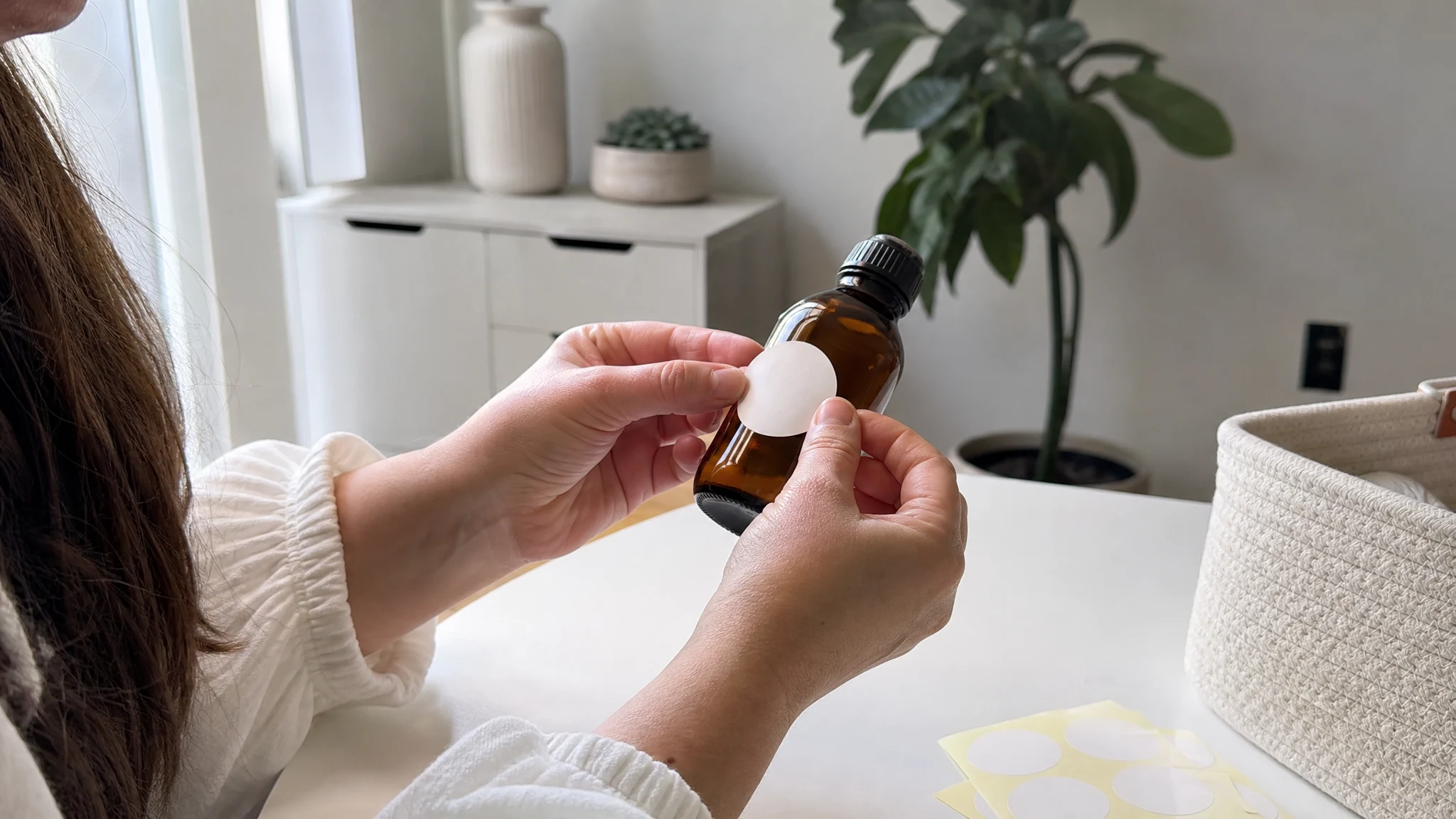
How much citral does a melissa oil lotion carry? One worked example shows IFRA limits, EU label thresholds and the one number that decides it.
Essential Oil Labels: What You Can and Can't Claim
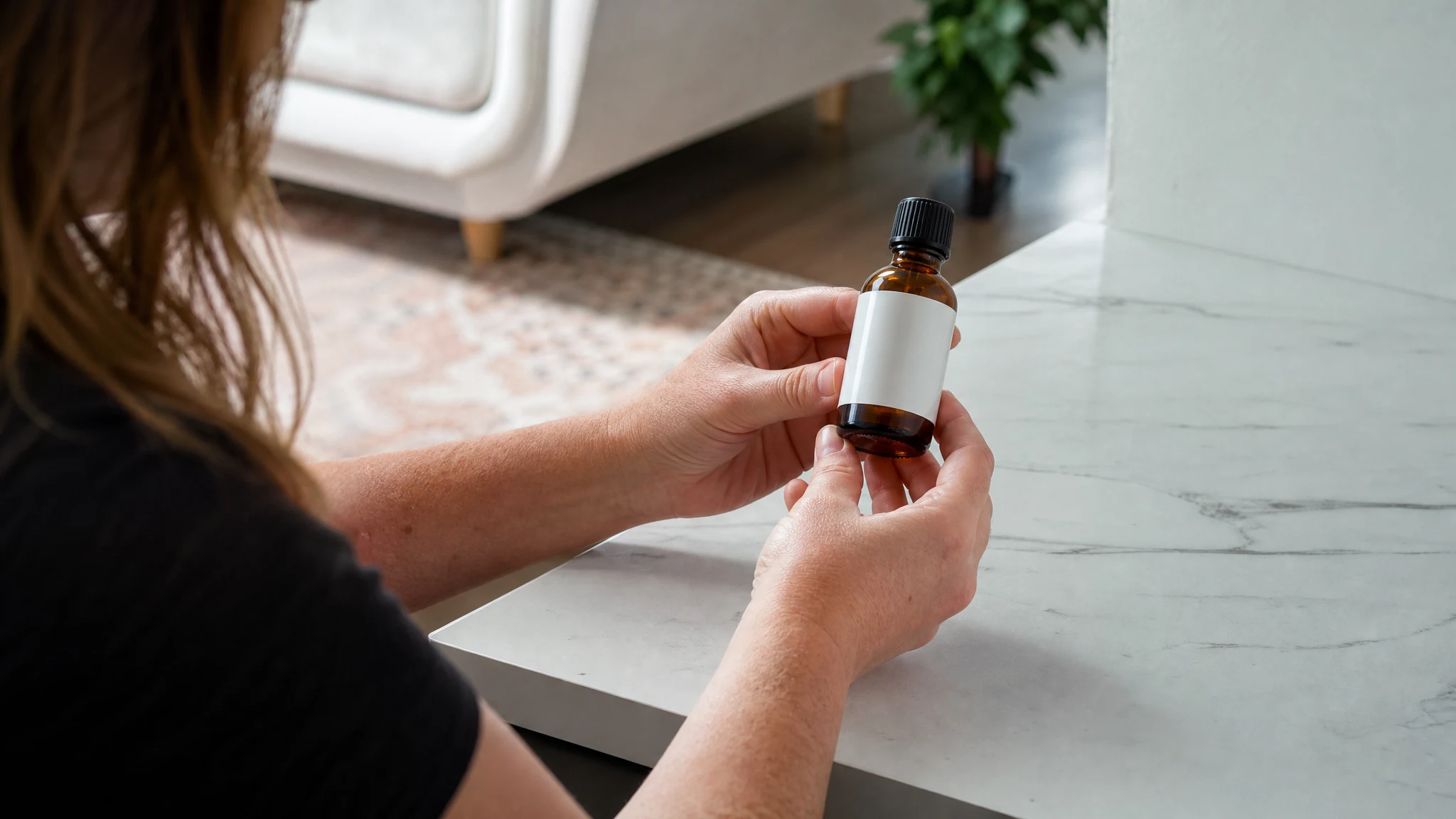
In FDA's eyes the oil is not what makes a product a drug. The words around it are. How intended use works and how to word a label for a cosmetic.
What Does Melissa Oil Smell Like?
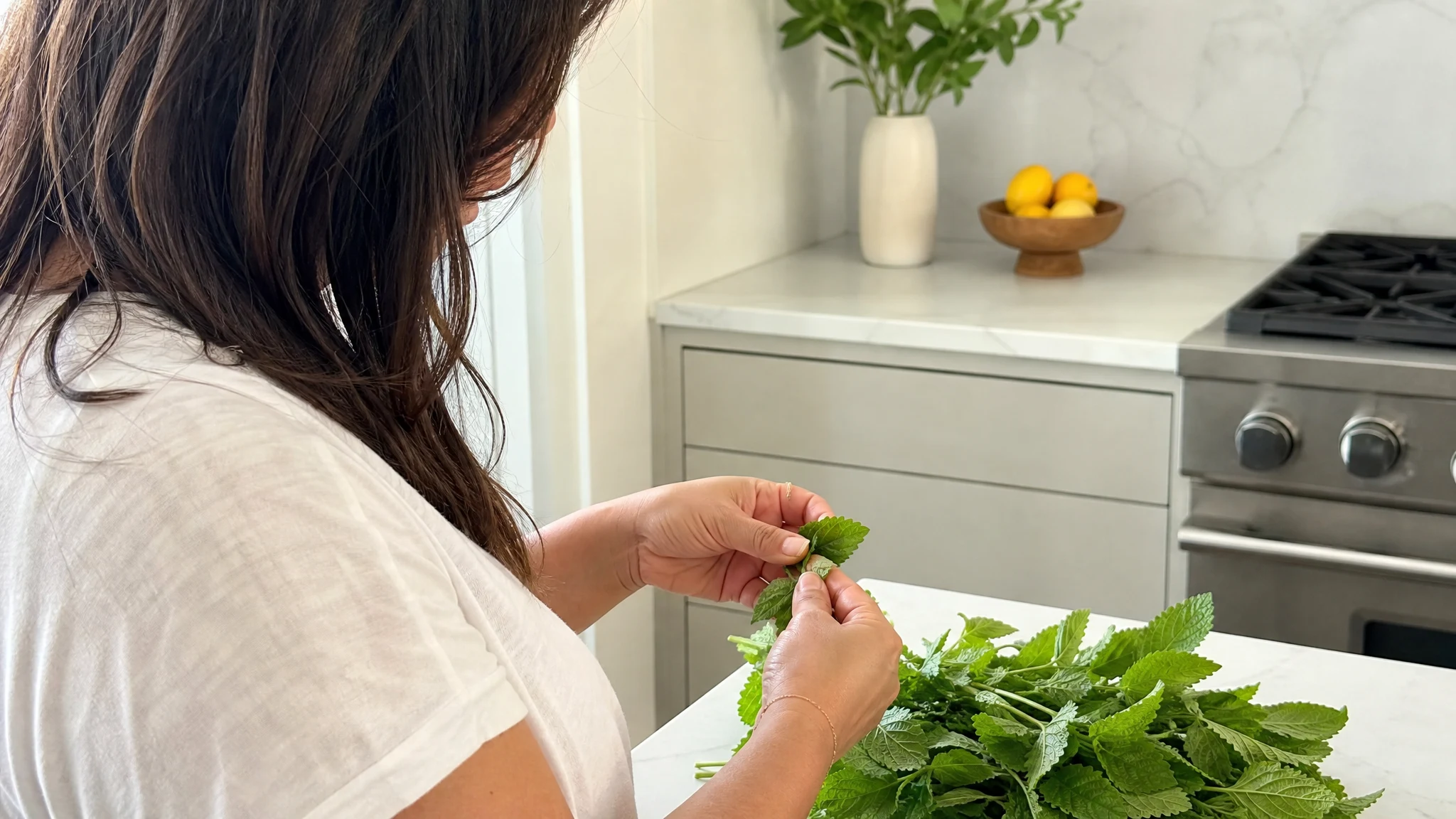
Lemon first, then a soft green heart. Why melissa oil smells softer than lemongrass, why bottles differ, and a blotter test to try yourself.
Why Is Melissa Oil So Expensive? Leaf to Bottle
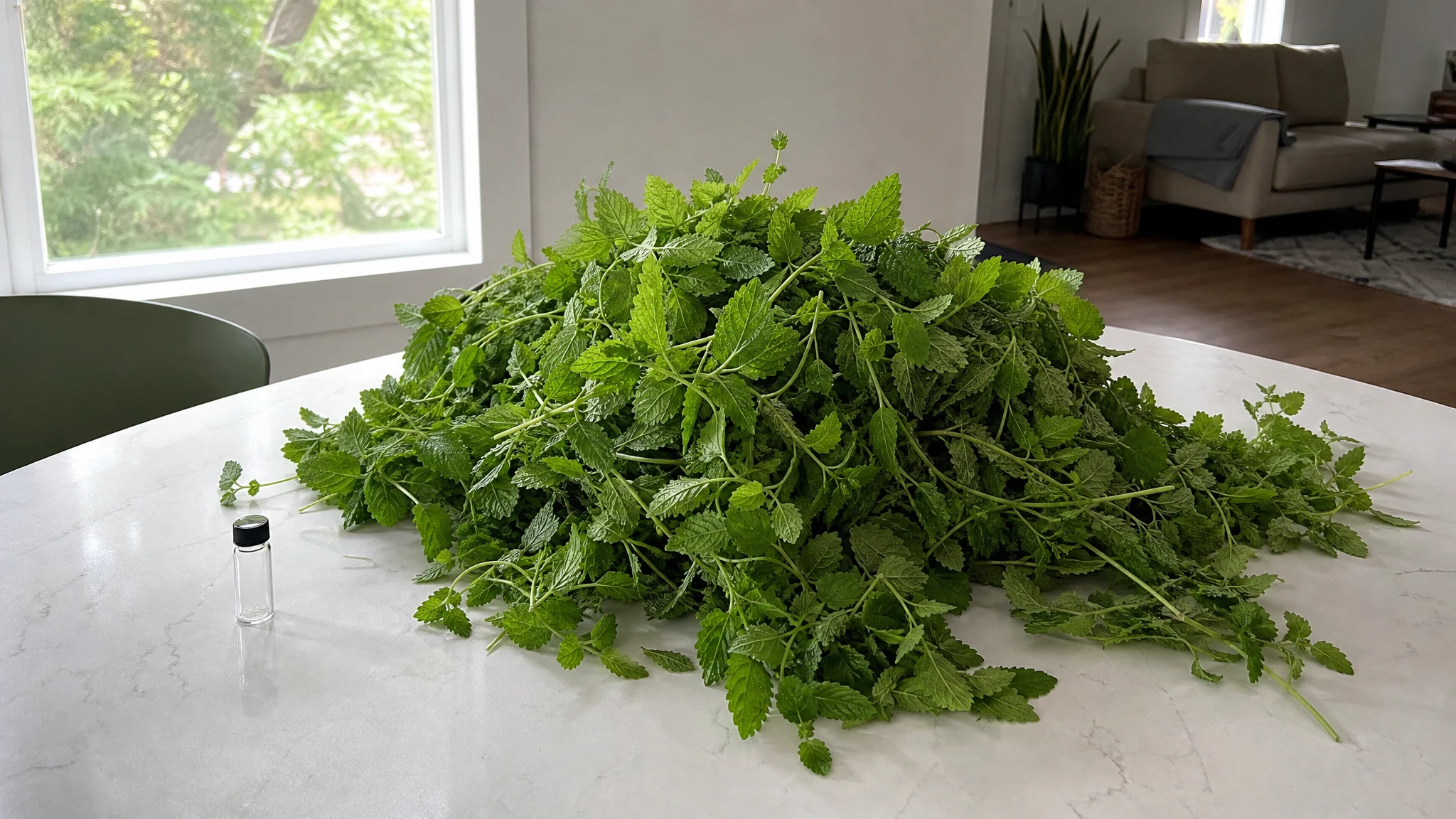
Lemon balm smells generous but gives up little oil. The yield figures behind the price, why price is a poor test of quality, and how far a bottle goes.
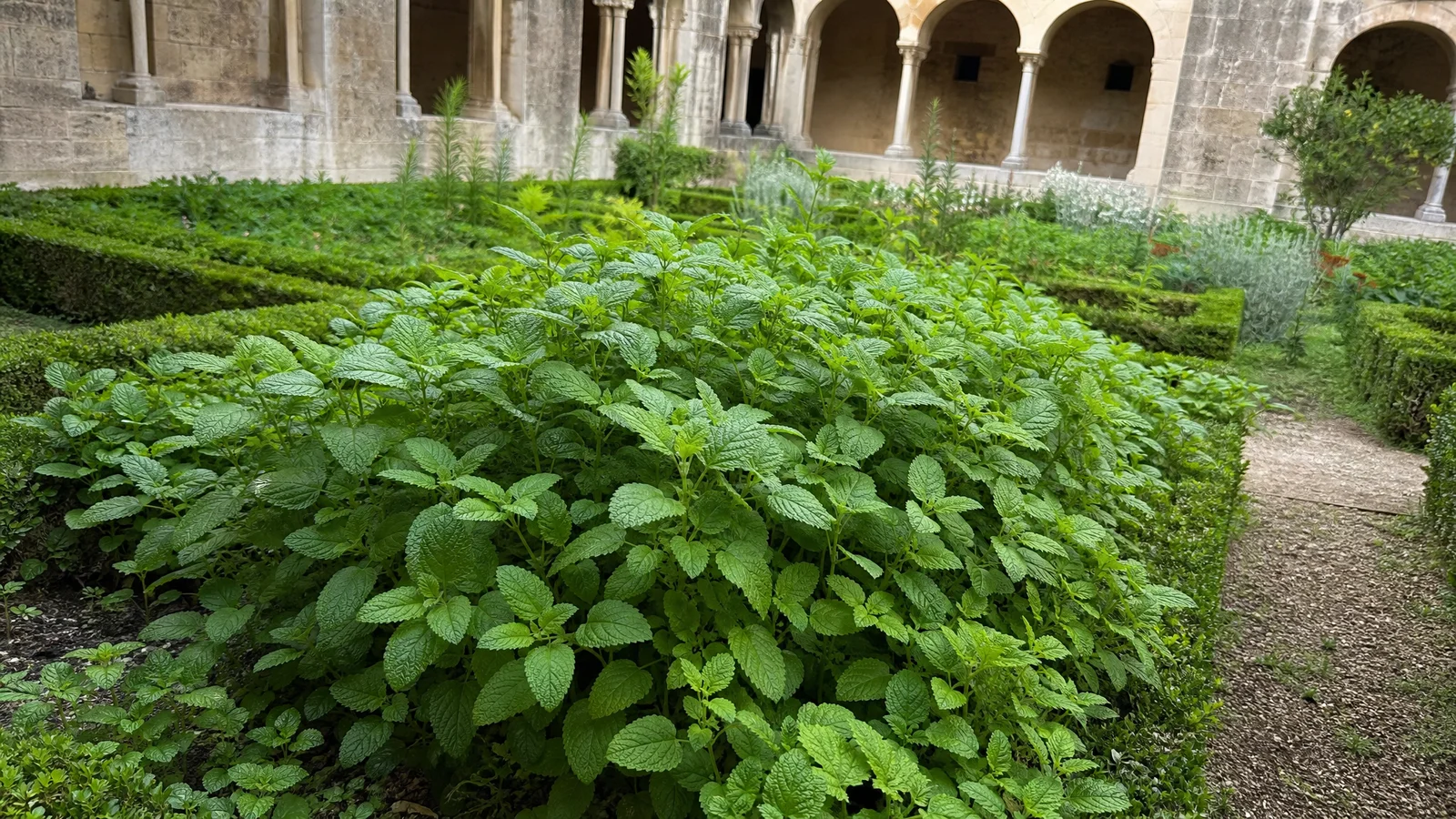
A Short History of Lemon Balm and Its Bee Connection
Lemon balm's name means honeybee in Greek. Follow the plant from ancient texts to the herb garden, and see how a leaf becomes a few drops of oil.