Melissa Oil Around Cats and Dogs: What Vets Say
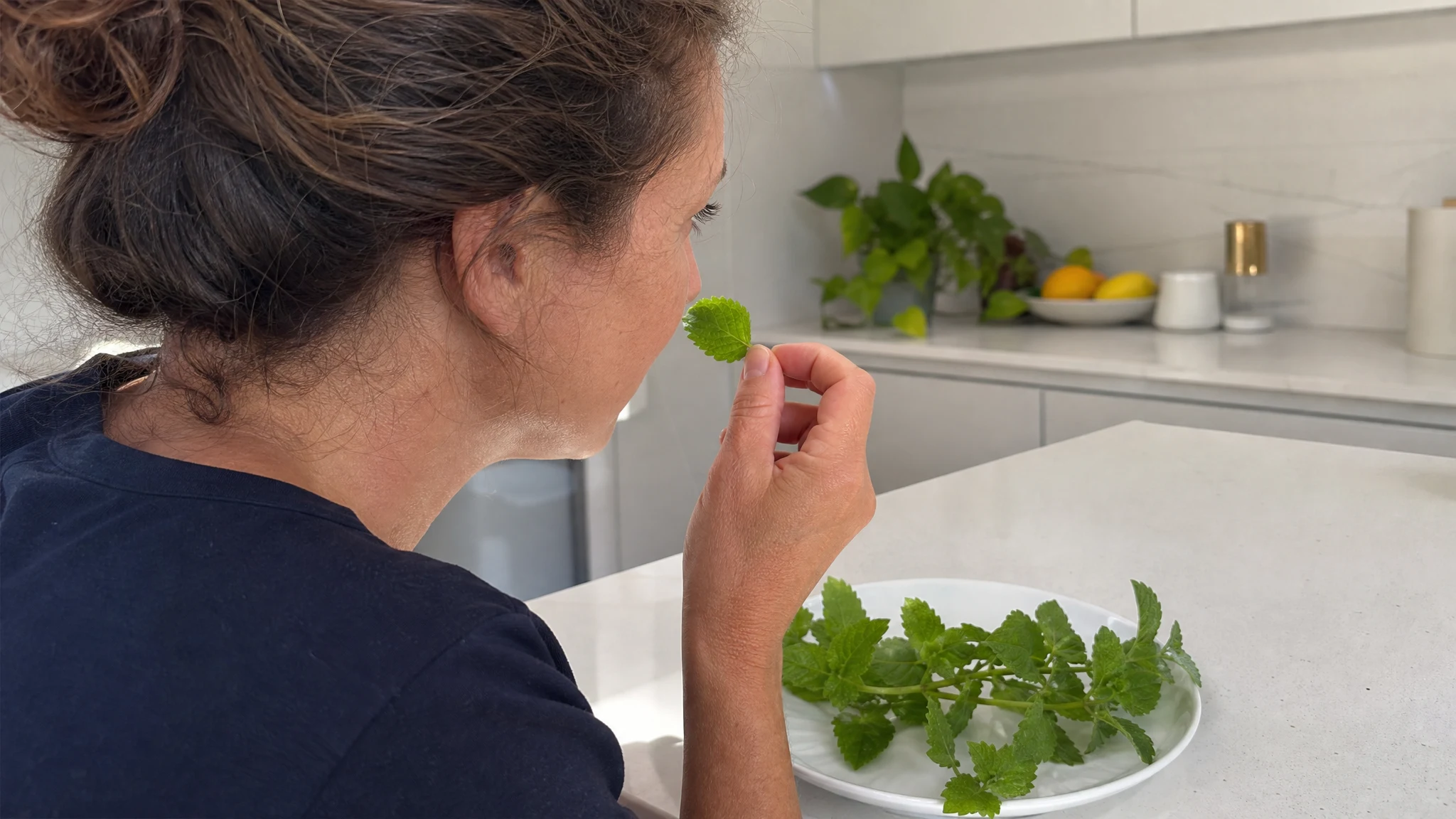
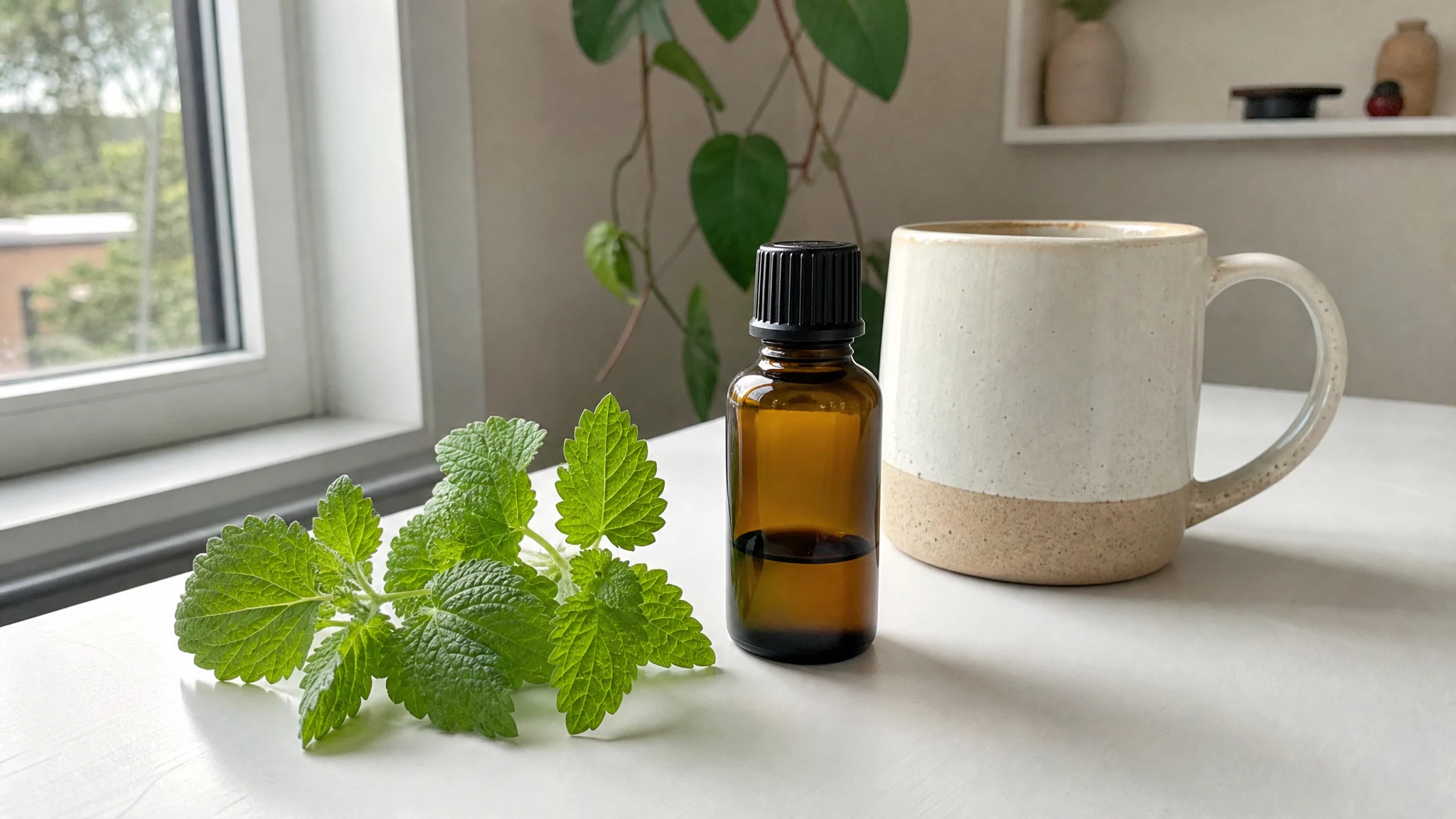
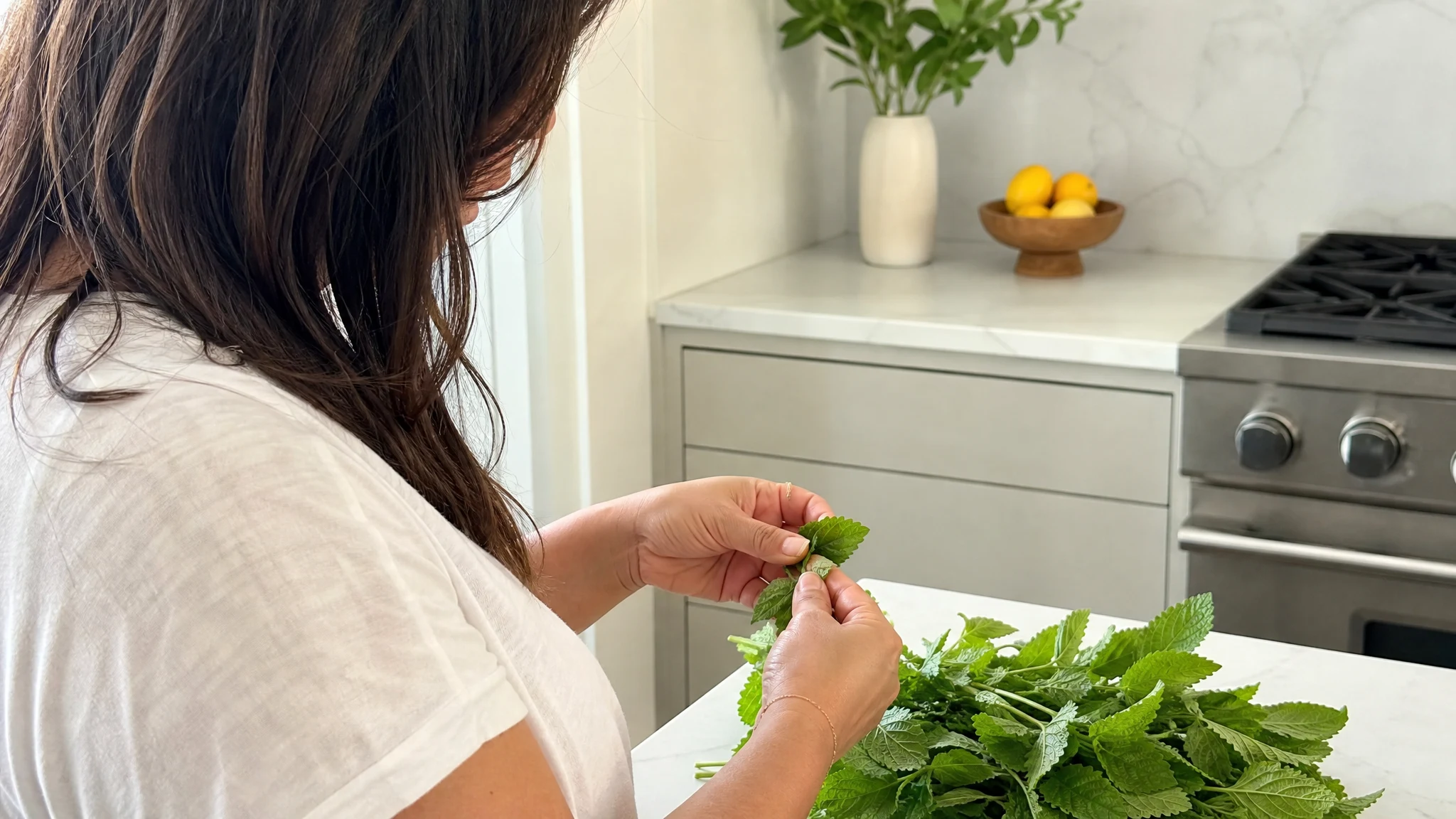
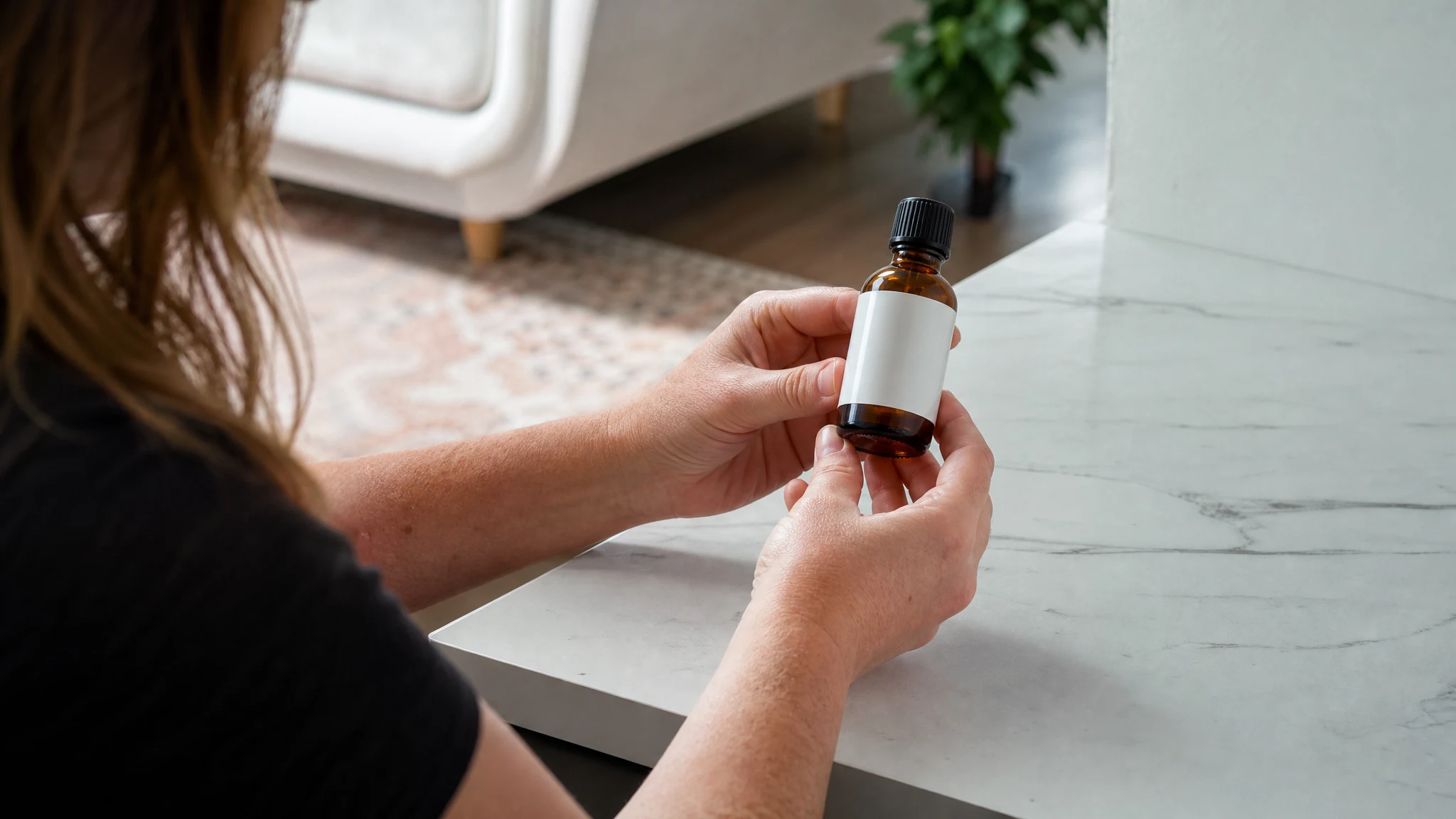
Lemon balm grows happily in gardens where cats nap and dogs patrol, and the ASPCA lists the plant as non-toxic to dogs, cats and horses. A bottle of melissa essential oil is a different thing altogether: the output of a great deal of leaf, concentrated into a few millilitres. The gap between the green plant and the small glass bottle is the most useful thing to understand if you share a home with animals.
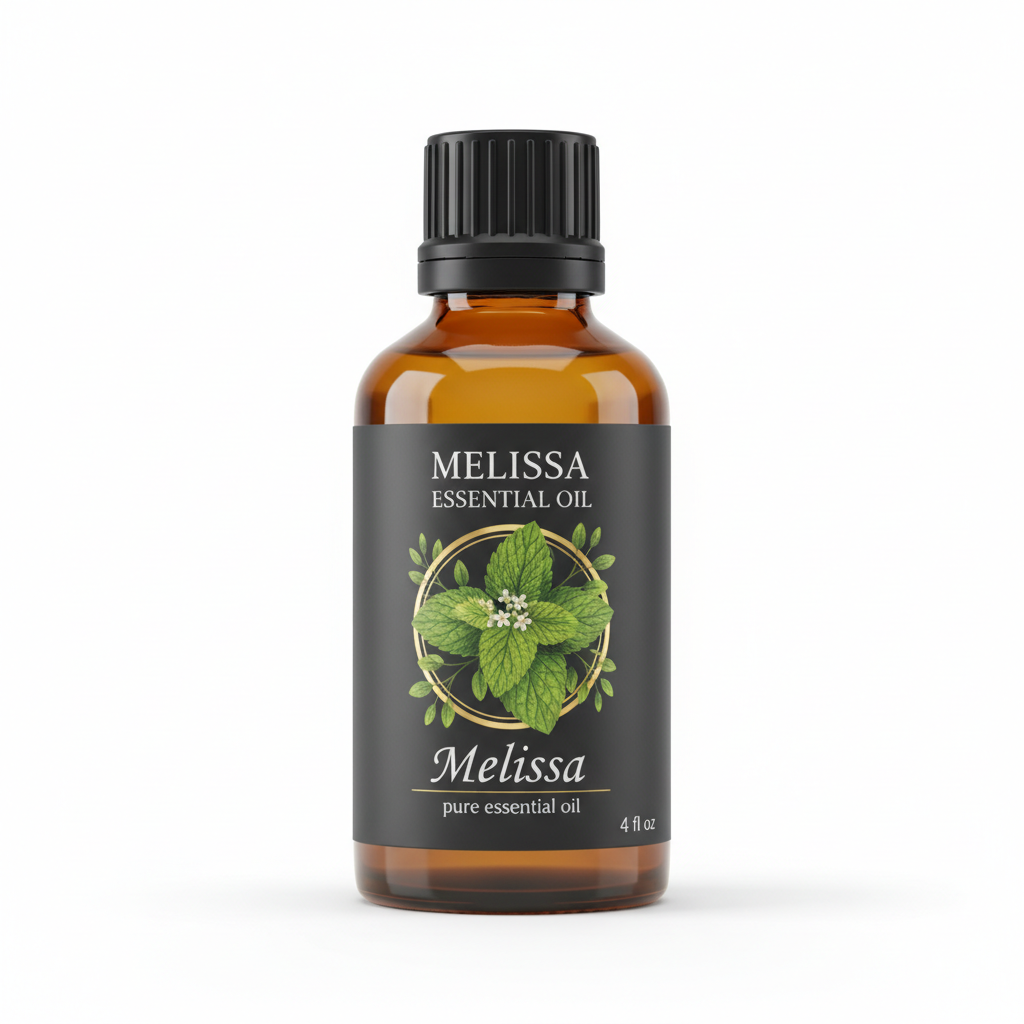
Melissa Essential Oil
Our own Melissa Essential Oil, in sizes from 0.5 oz to bulk.
From $23.99
Shop Now →Why a plant listing does not carry over to the bottle
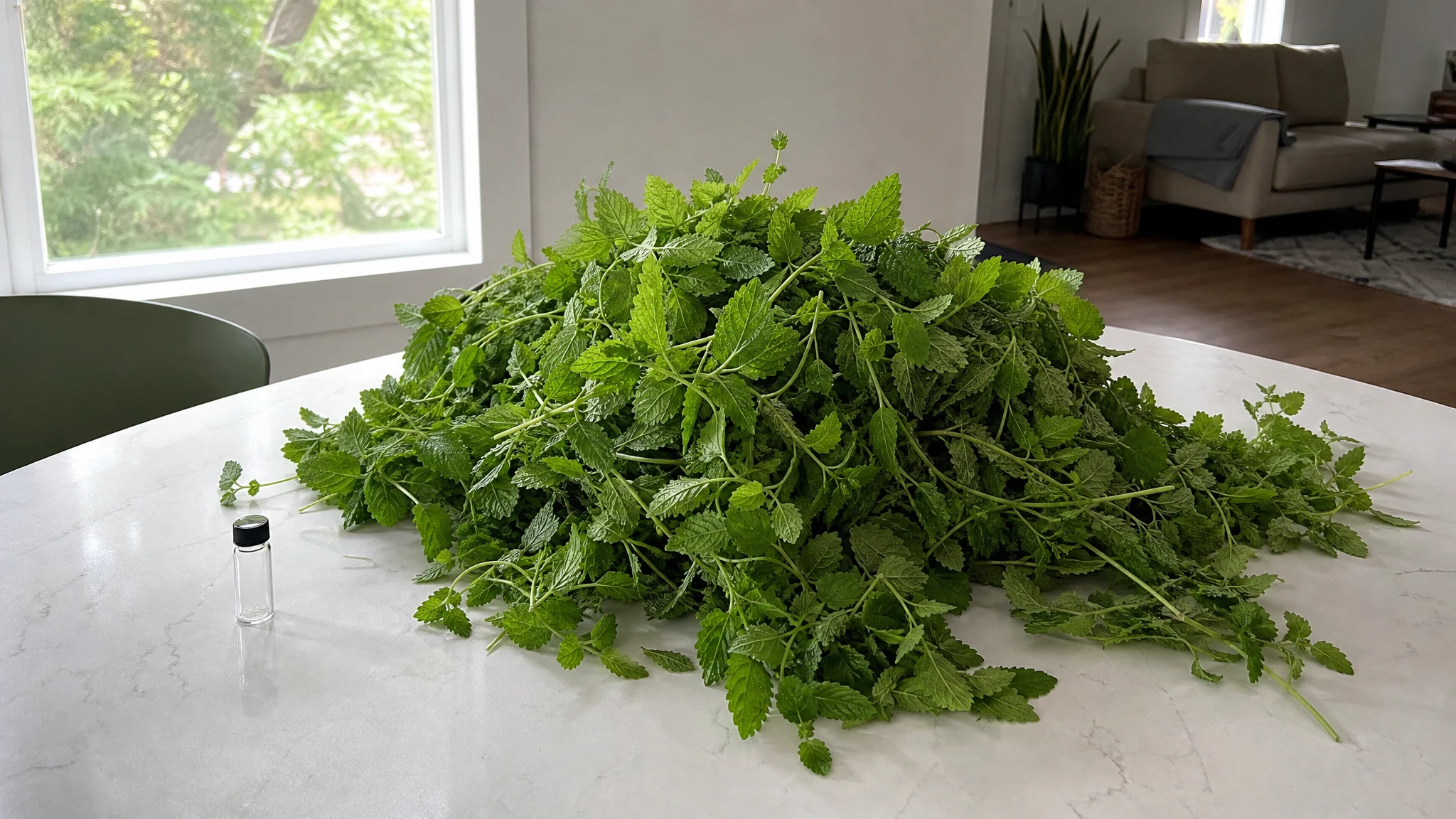
The ASPCA page on lemon balm is about the plant, and it says nothing about the essential oil. That matters because of how little oil a plant gives up. Published yields for Melissa officinalis in a review by Petrisor and colleagues run from roughly 0.1% to 0.4% of the herb in most reports, which works out to several hundred grams of leaf for every gram of oil. We put the same idea in one line: tons of fresh herb yield only ounces of oil. A cat brushing past a lemon balm plant and a cat getting at a drop of the oil are very different exposures, and the guidance below is about the second one.
Cats get the most careful advice
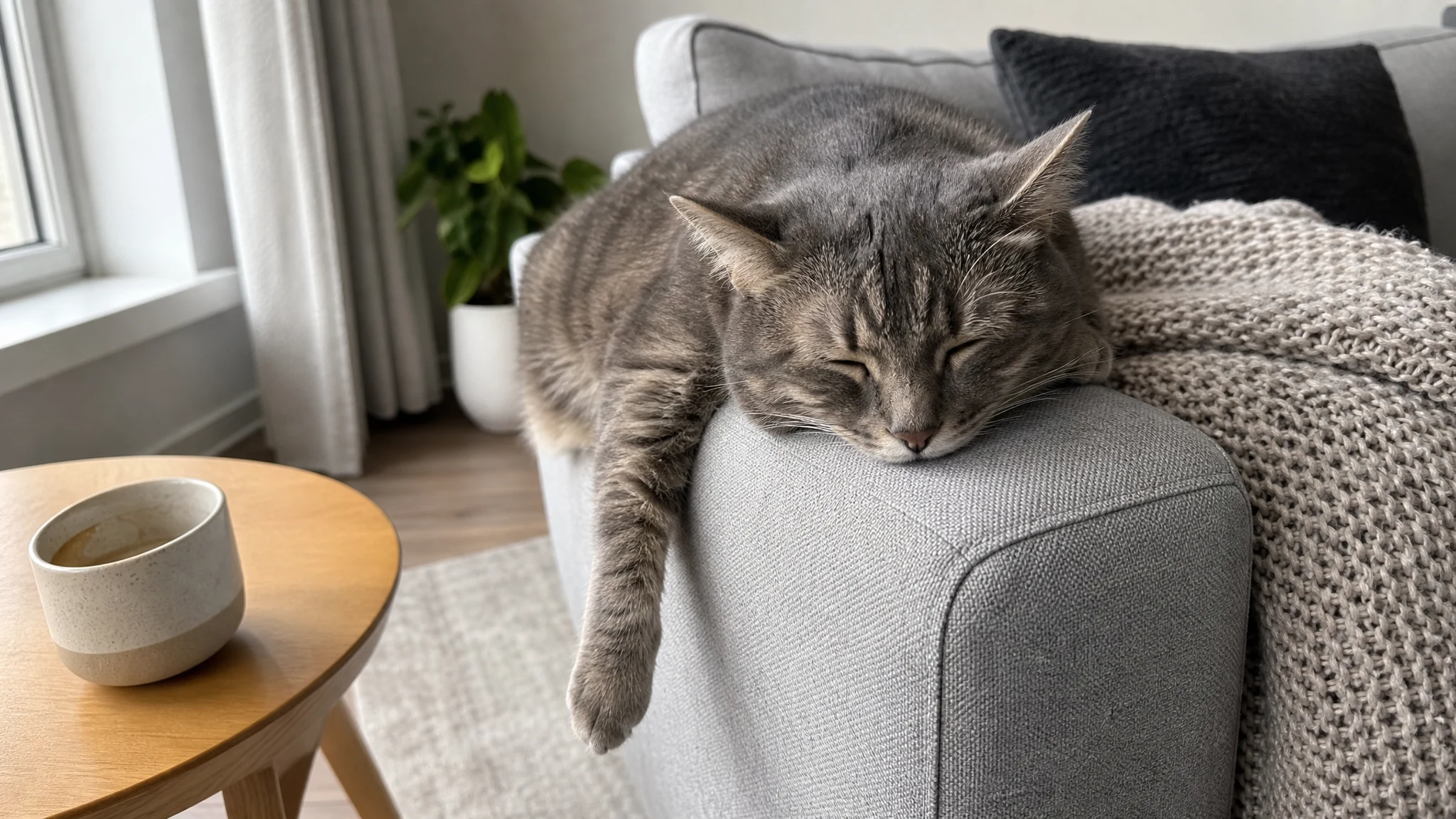
Both veterinary sources we read start with the same biology. Robert Tisserand notes that cats almost completely lack important liver enzymes that humans have, and Pet Poison Helpline says plainly that cats lack an essential liver enzyme, so they clear many essential oil compounds slowly. Cats also groom. Oil that lands on fur does not stay on fur, and ASPCA Pro points out that cats, rabbits, guinea pigs and hamsters can swallow what they lick off, on top of absorption through skin and mucous membranes.
Diffusers deserve a word of their own. Pet Poison Helpline separates passive diffusers (reeds, plug-in heaters), which mostly cause breathing irritation, from active ones (ultrasonic and nebulizing units), which put fine droplets into the air that can settle on fur and then get groomed off. Tisserand takes a measured view of low-level, intermittent diffusing: good ventilation, small amounts, limited time, and a cat that is free to leave the room.
Dogs, birds and everyone else
Tisserand says the enzyme problem is very much less of an issue for dogs, but that is not the same as no concern. Pet Poison Helpline reports that most of its essential oil cases in dogs involve tea tree, pennyroyal, wintergreen and pine oils, and that many arise when owners apply a concentrated oil to a dog hoping to help a skin problem. Birds sit at the other end of the scale: ASPCA Pro says not to run an essential oil diffuser in a house with birds, and to avoid diffusers where a pet has a breathing problem.
None of these sources gives a melissa-specific verdict, so we do not offer one. We sell an external aroma and cosmetic oil, not a remedy, and our guidance is to keep it away from eyes, children and pets.
A calm household routine
- Keep the bottle capped and stored out of reach, in a closed cupboard rather than on a shelf a cat can walk along. Our storage guide covers the cool, dark, tightly capped part.
- We would not put melissa oil on a pet, diluted or neat. ASPCA Pro and Pet Poison Helpline both say not to apply concentrated oils to animals, and a pet cannot tell you how a patch test went.
- If you diffuse, keep the room ventilated, run it intermittently and for short spells, leave the door open so an animal can walk out, and skip it entirely with birds. Our diffuser guide has the humans-first version of the same habits.
- Wipe up spills at once, including drips on a counter or floor where a paw could land, then wash your hands before petting anyone.
- If a family member has a breathing condition, or a pet does, ask a physician or veterinarian before scenting a room at all.
If an animal does get into it
Move a cat with breathing symptoms into fresh air straight away, and do not wait to see how it goes. Pet Poison Helpline lists drooling, vomiting, tremors, wobbliness and laboured breathing among the signs in cats, and says to get emergency veterinary care if symptoms do not improve quickly. For oil on the coat or in the mouth, call a veterinarian right away, or reach ASPCA Animal Poison Control at (888) 426-4435 or Pet Poison Helpline at (855) 764-7661. Pet Poison Helpline also advises against inducing vomiting after an oil product, because the oil can be drawn into the lungs.
Keep the bottle with you when you call so you can read out exactly what it is. We would rather you made the call and heard that all is well than sat on a worry.
Our take
If your home includes a cat, a bird or a small animal, melissa oil is probably best used sparingly and away from them: in a closed room while they are elsewhere, or in a craft you make and finish out of their reach. Our FAQ sums up the household basics, and your own veterinarian knows your animal in a way no article can.
The lemon balm in the garden and the oil in the cupboard share a name and a lovely scent, and they deserve different habits.
Melissa Essential Oil
Melissa Essential Oil from our own shop, in sizes from 0.5 oz to bulk.
From $23.99
Shop Now →Sources & Further Reading
- Tisserand Institute. Cats and Essential Oil Safety.
- ASPCA Pro. Are Essential Oils Dangerous to Pets?
- Pet Poison Helpline. Essential Oils and Cats.
- Pet Poison Helpline. Essential Oils Are Toxic to Dogs.
- ASPCA. Toxic and Non-toxic Plants: Lemon Balm.
- Petrisor G et al., 2022. Melissa officinalis: Composition, Pharmacological Effects and Derived Release Systems-A Review. Int J Mol Sci.