Essential Oil Labels: What You Can and Can't Claim
Here is the surprise that catches new makers out: a bottle of essential oil is not a cosmetic or a drug because of what is inside it. It becomes one or the other because of what you say it is for. That single idea explains almost everything about labeling a scented product in the United States, and once you have it, writing a compliant label gets a lot easier.
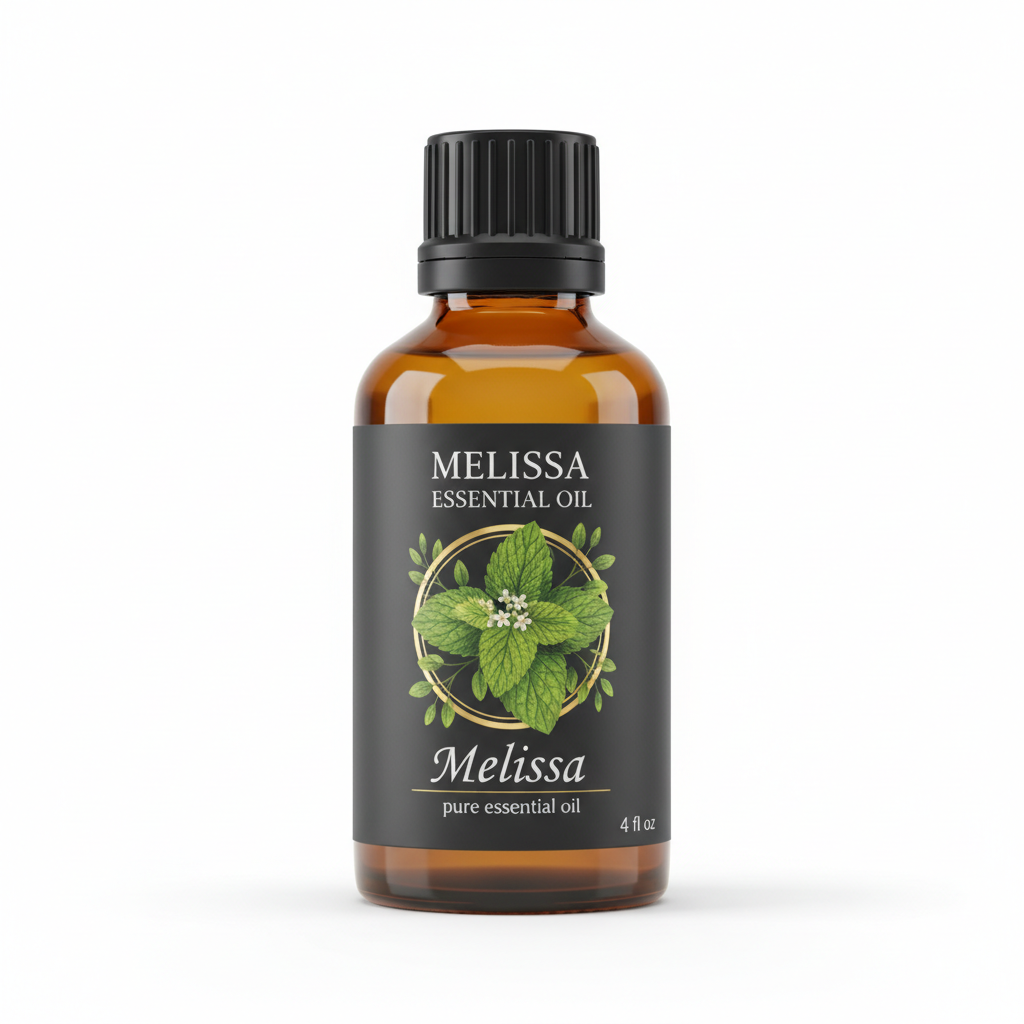
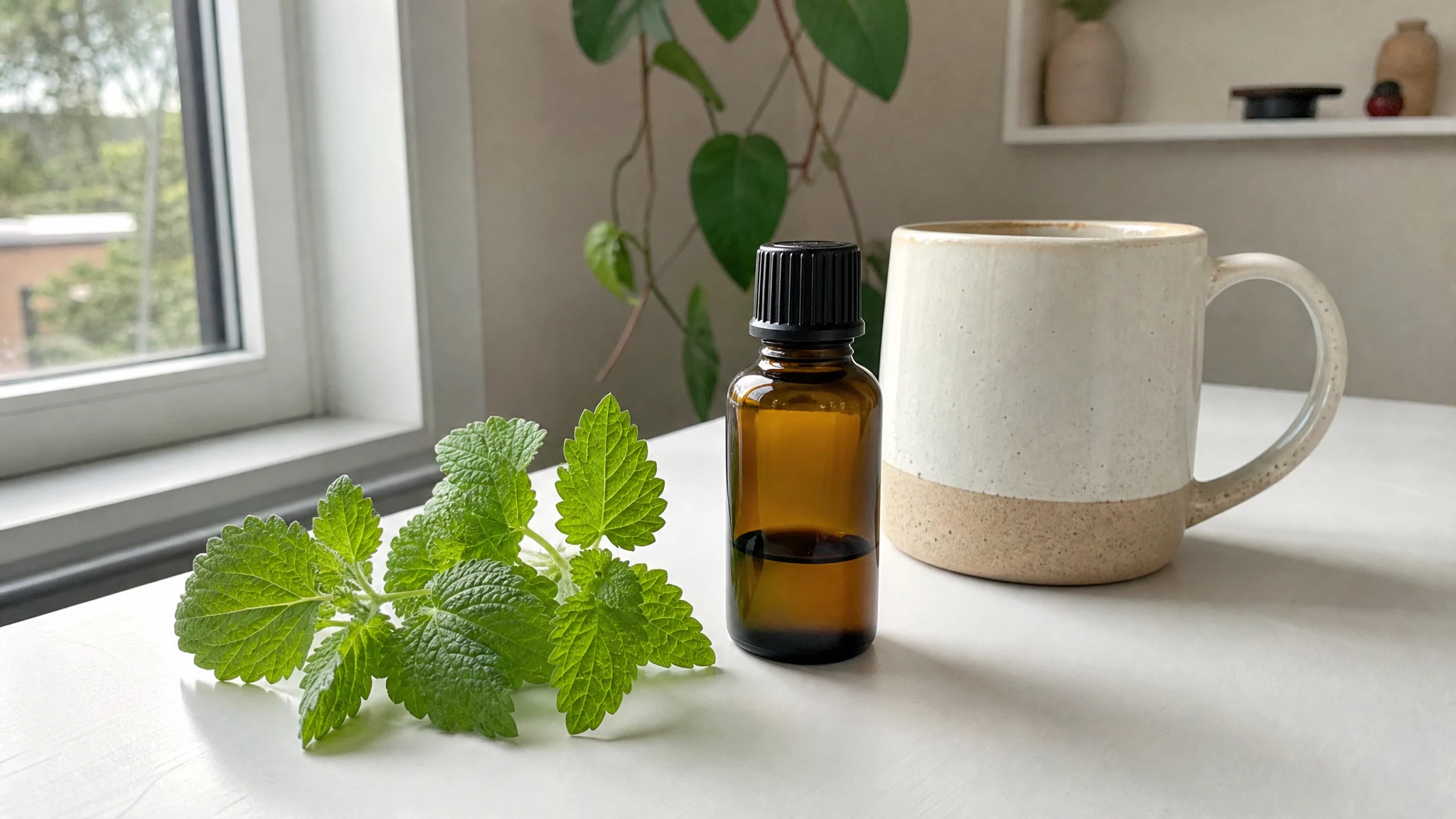
Melissa Essential Oil
Our own Melissa Essential Oil, in sizes from 0.5 oz to bulk.
From $23.99
Shop Now →The test is intended use
FDA's guidance on the difference says that whether a product is a cosmetic or a drug is determined by its intended use. Intended use can be established by claims on the label, in advertising, on the internet or in other promotional materials, by consumer perception, and by ingredients with a well-known therapeutic use (Is It a Cosmetic, a Drug, or Both? (Or Is It Soap?)). The page applies this to essential oils directly: a fragrance marketed for promoting attractiveness is a cosmetic, but one marketed with certain aromatherapy claims, such as that the scent will help the consumer sleep or quit smoking, meets the definition of a drug. Likewise, a massage oil that is simply intended to lubricate the skin and impart fragrance is a cosmetic, while the same oil intended for a therapeutic use such as relieving muscle pain is a drug.
FDA's aromatherapy page says much the same: claims that a product will relieve colic, ease pain, relax muscles or help you sleep are drug claims, as are claims about depression or anxiety, and they are sometimes made for soaps, lotions and massage oils containing essential oils. It adds that the fact a fragrance material comes from a plant does not keep it from being regulated as a drug, and that decisions are made case by case (Aromatherapy). A product can even be both at once, in which case it has to meet the requirements for both.
What that means for your wording
The practical lesson is that the safest route is to describe what the product is and smells like, not what it does to a body or a mind. A few examples, offered as illustrations of the principle and not as approved wording:
| Instead of a claim like this | Describe the product like this |
|---|---|
| Helps you sleep | A herbal citrus fragrance for your space |
| Eases muscle pain | A massage oil that lubricates the skin and leaves a light fragrance |
| Lifts your mood | A fresh lemon-herb aroma |
Because FDA reads everything together, wording matters on every surface: the label, the product page, a social post, a blog article. One forgotten page with an old claim can undo a careful label. This is also why you will not find us saying that melissa oil does anything for mood, rest or health. We sell an external cosmetic oil, we talk about its aroma, and when we write about studies we report what a study found without suggesting our oil does the same.
Natural does not mean exempt
People sometimes assume that anything plant-derived must be safe or must be treated differently. FDA says otherwise. Its aromatherapy page points out that many plants contain materials that are toxic, irritating or likely to cause allergic reactions on skin, that FDA has no regulations defining natural or organic for cosmetics, and that all cosmetic products and ingredients must meet the same safety requirement regardless of source. It also notes that advertising claims are regulated by the Federal Trade Commission, and that some fragrance products, including scented candles and air fresheners, fall under the Consumer Product Safety Commission instead.
What MoCRA adds
The Modernization of Cosmetics Regulation Act of 2022 expanded FDA's authority over cosmetics. According to FDA's overview, it requires responsible persons to report serious adverse events within 15 business days, to list each marketed cosmetic product with FDA, to ensure and keep records of adequate safety substantiation, and, for manufacturers and processors, to register facilities (Modernization of Cosmetics Regulation Act of 2022 (MoCRA)). The same page says the law directs FDA to establish fragrance allergen labeling requirements, so it is worth watching if you make scented products. Whether particular duties apply to a small business depends on its size and activities, so confirm that rather than assuming.
The page also explains that the law does not require specific tests to prove safety, and that you can use relevant data that already exists. For fragrance questions in general, FDA's page on Fragrances in Cosmetics is a good starting point.
Read your own pages like a stranger
Here is an exercise we like. Print your label and your product page, take a pen, and underline every verb that is about a body or a mind: helps, supports, eases, boosts. Then ask whether each one describes the product or what the product supposedly does to a person. The first kind is a description. The second is a claim, and it is the one that tends to change how a product is regulated.
Words that describe the oil itself are almost always safer and, honestly, nicer to read. We describe ours as delicate, lemony and herbal, a bright citrus lift over a soft green heart. That sentence tells you about the oil and asks nothing of your body. Try writing three sentences about your own product in that style, and you may find the label gets shorter and clearer at the same time.
A short checklist before you print
Read every claim as though a stranger were deciding what the product is for. Keep to cleansing, fragrance and appearance. Match your label, listing and posts. Check the dilution against published limits for the product type, which our handmade products guide covers, and look at how ingredient names should appear on your label in our label reading guide. If you plan to sell, a regulatory attorney or consultant can review your actual label and pages, which no general article can replace. Our allergen labeling article takes the next step.
Good labels are plain labels: say what it is, say what it smells like, and let the product do the rest.
Melissa Essential Oil
Melissa Essential Oil from our own shop, in sizes from 0.5 oz to bulk.
From $23.99
Shop Now →