Making Things With Melissa Oil: Limits by Product
Melissa is a generous oil to smell and a precise one to measure. The same bottle can go into a lotion at 0.15%, a perfume at 0.60%, a bar of soap at 1.2% or a candle with no published limit at all, and that single table does most of the work of deciding what to make. Here is a maker's walk through the options, from the tightest ceiling to the loosest.
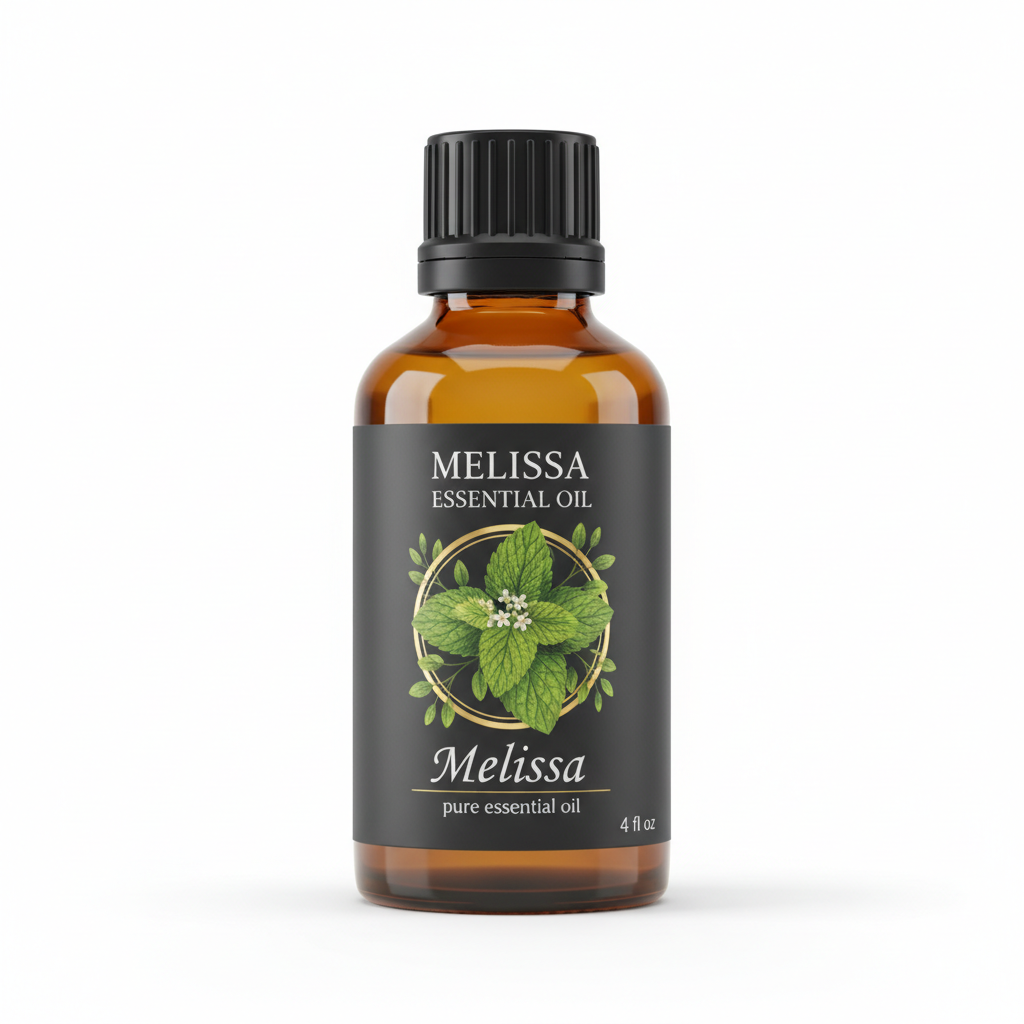
Melissa Essential Oil
Our own Melissa Essential Oil, in sizes from 0.5 oz to bulk.
From $23.99
Shop Now →Start with the ceiling, then the recipe
IFRA, the fragrance industry's standards body, publishes a restriction for "Melissa oil (genuine Melissa officinalis L.)" naming dermal sensitization as the reason. The limits are percentages of the oil in the finished product, by product category. IFRA standards are a voluntary code for fragrance suppliers, so a home maker is not audited against them, but they are the best published benchmark for how much of this oil a skin product can carry.
Our own dilution guidance for skin is 0.5% to 2% in a carrier with a patch test first. For a body lotion the IFRA figure is 0.15%, about one thirteenth of the top of that range, so when the two differ we start at the lower number. Use IFRA's category for your product, not the friendliest figure you can find on a retail page.
IFRA's guidance document assigns product types to categories. The grams and drops below are our arithmetic from the relative density of 0.888 on our Certificate of Analysis batch and about 20 drops to the milliliter, so weigh rather than count:
| Product | IFRA category | Maximum melissa oil | Per 100 g of product |
|---|---|---|---|
| Body lotion, body butter, body oil | 5A | 0.15% | 0.15 g, about 3 drops |
| Fine fragrance, solid perfume | 4 | 0.60% | 0.6 g, about 13 drops |
| Body spray or mist | 2 | 0.032% | under one drop |
| Bar soap, bath oil or salts | 9 | 1.2% | 1.2 g, about 27 drops |
| Room spray | 10B | 4.2% | 4.2 g, about 94 drops |
| Candle | 12 | No restriction | set by the wax |
Lotions, butters and body oils
At 0.15% the scent is a whisper, and the sensible method is a weighed pre-dilution instead of counting drops, since one drop in an ounce of carrier is already slightly over the line. It is a pleasant, quiet use: a faint lemon-herb note on a lotion you enjoy. Our body butter post shows the arithmetic. Anything for the face, lips or a baby is a question for a dermatologist or pediatrician, not a reason for more oil.
Body mists: choose another scent
A body mist at 0.032% holds less than a drop per 100 g, and at that level there is not much left to smell. Reasoning from the numbers, that is a cue to pick a different scent for sprays rather than to push past the limit.
Perfume and solid balm
This is where melissa shines as an accent. 0.60% of an 8 g bottle is about 0.05 g of oil, roughly a drop, so a half-ounce bottle goes a very long way. Our perfumery guide and roll-on post take it further.
Soap and bath products
With a ceiling of 1.2% you have room. Whether the lemon lift survives soap-making depends on your process, and your soap supplier can tell you how citrus-type oils behave in their base; we would start with a small batch. For anything added to bathwater, the oil needs a dispersant, as the Tisserand Institute's bath guidance explains, and you will find those at a craft or soap supply shop since we sell only the oil. Our cold process soap post has a dose table.
Candles
Category 12 carries no IFRA restriction because skin exposure from a burning candle is negligible, but your wax supplier sets the practical limit: fragrance load, the temperature at which to add it, and testing. Our Certificate of Analysis lists no flash point, so ask any oil supplier for a safety data sheet in writing before you pour. A candle also uses more oil per item than anything else here; our cost per batch post shows how that adds up. A fragrance made for wax comes with its supplier's stated load, which is worth weighing against melissa for this use.
Choosing a first project
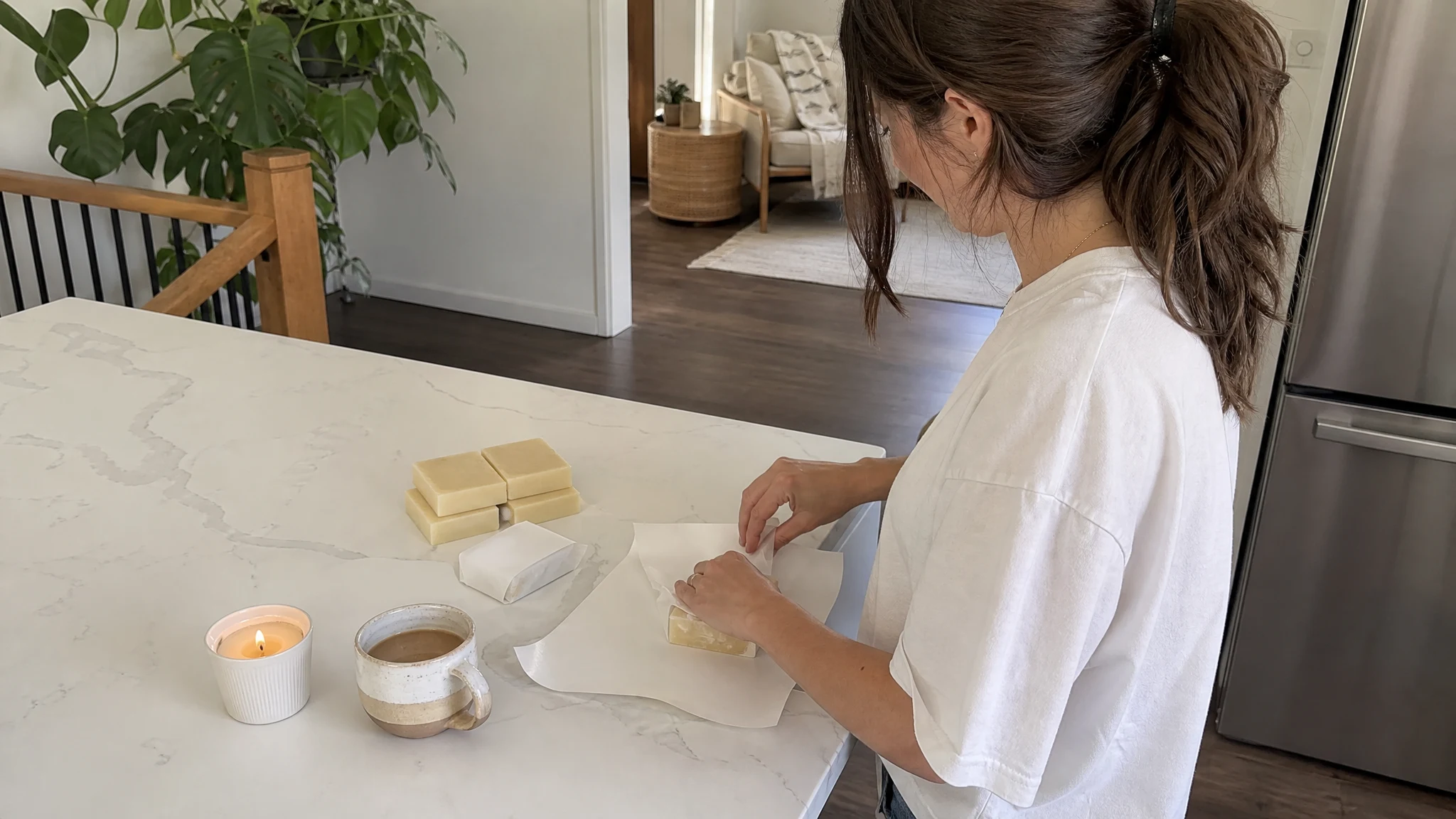
With so many options, it helps to begin with the one that suits your equipment and your patience. If you own a scale and a few jars, a cologne or a small batch of body butter is a gentle introduction. If you like candles or soap, those have more room in the numbers, but they ask more of your process. Whichever you pick, make 100 g, not a litre, and write the recipe in grams on a card with the date.
Then smell the finished product a day later and again a week later. Scent changes as a product settles, and a small first batch costs little if you decide to adjust.
If you plan to sell
The FDA's small business fact sheet says anyone who makes or markets cosmetics is legally responsible for making sure they are safe and properly labeled, and that the Modernization of Cosmetics Regulation Act exempts certain small businesses from facility registration and product listing. What you say about a product also matters: the FDA's aromatherapy page says such products are regulated mainly by intended use, so leave sleep and anxiety claims off the label. A product-safety attorney or cosmetic regulatory consultant can check your specific label, and our allergen labelling post covers the ingredient side. For patch testing and precautions, see our skin and citral post.
Waxes, lye, butters, carriers, preservatives and containers all come from a craft or soap supply shop; we sell one material, Melissa Essential Oil, neat, so the dilution arithmetic is yours to do.
Start with the number for your product, work it out in grams, and make a small batch first.
Melissa Essential Oil
Melissa Essential Oil from our own shop, in sizes from 0.5 oz to bulk.
From $23.99
Shop Now →Sources & Further Reading
- IFRA. "Melissa oil (genuine Melissa officinalis L.)," Amendment 49 (2020), in IFRA Standards, 51st Amendment compendium. ifrafragrance.org
- IFRA. "Guidance for the use of IFRA Standards," 30 June 2023. ifrafragrance.org
- US FDA. "Small Businesses & Homemade Cosmetics: Fact Sheet." fda.gov
- US FDA. "Aromatherapy." fda.gov
- Tisserand Institute. "Bath Safety: how to use essential oils safely in the bath." tisserandinstitute.org