Melissa in Perfume: Using a Bright Top Note Well
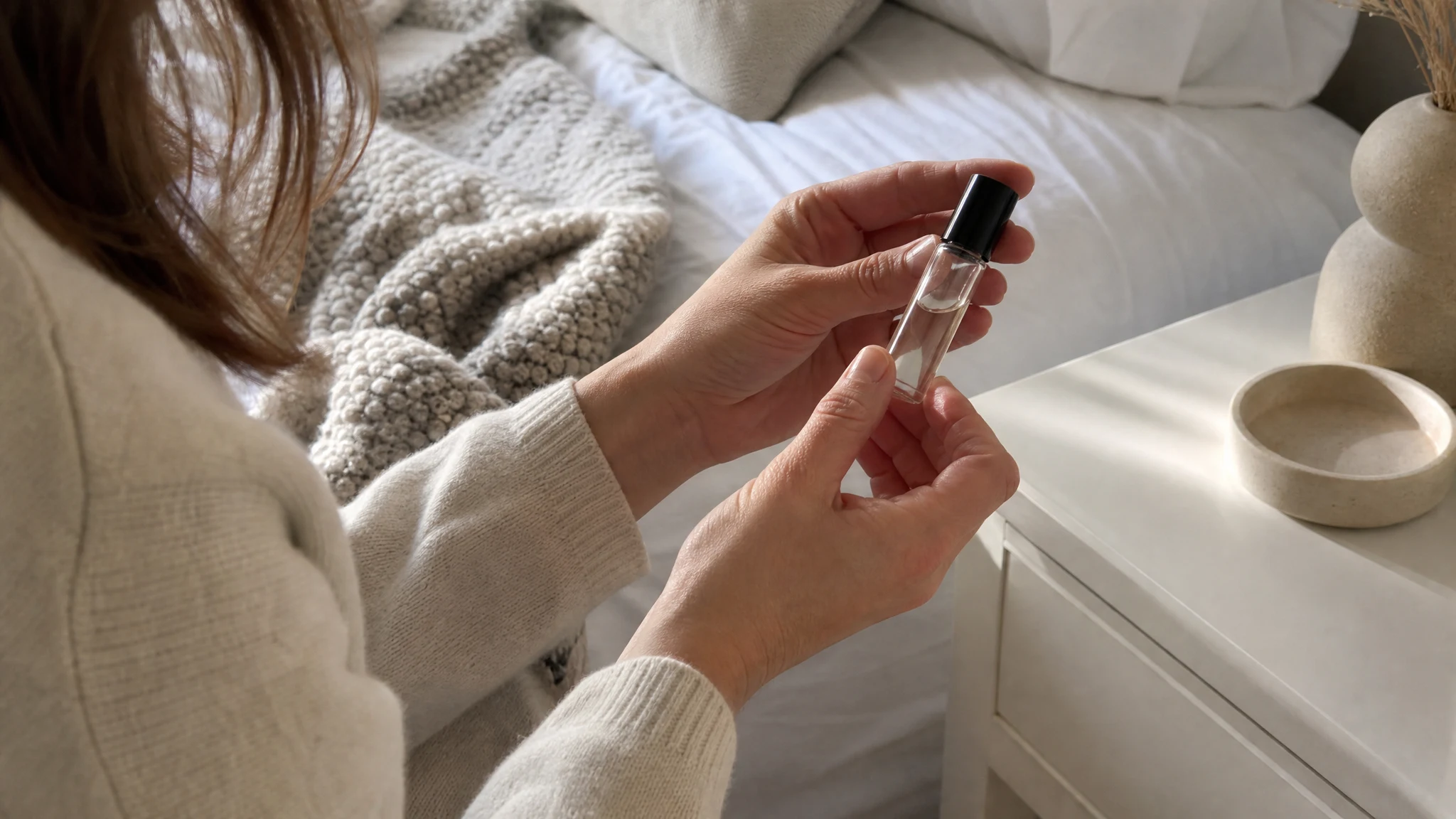
Open a bottle of melissa and the first impression is a soft, sunny lemon with something green and herbal underneath. It is the kind of scent perfumers love to reach for, and the reason it works best as an accent rather than a lead is a number, not a taste: the IFRA standard for melissa oil caps it at 0.60% of a finished fine fragrance. In a 10 ml bottle, that is about one drop.
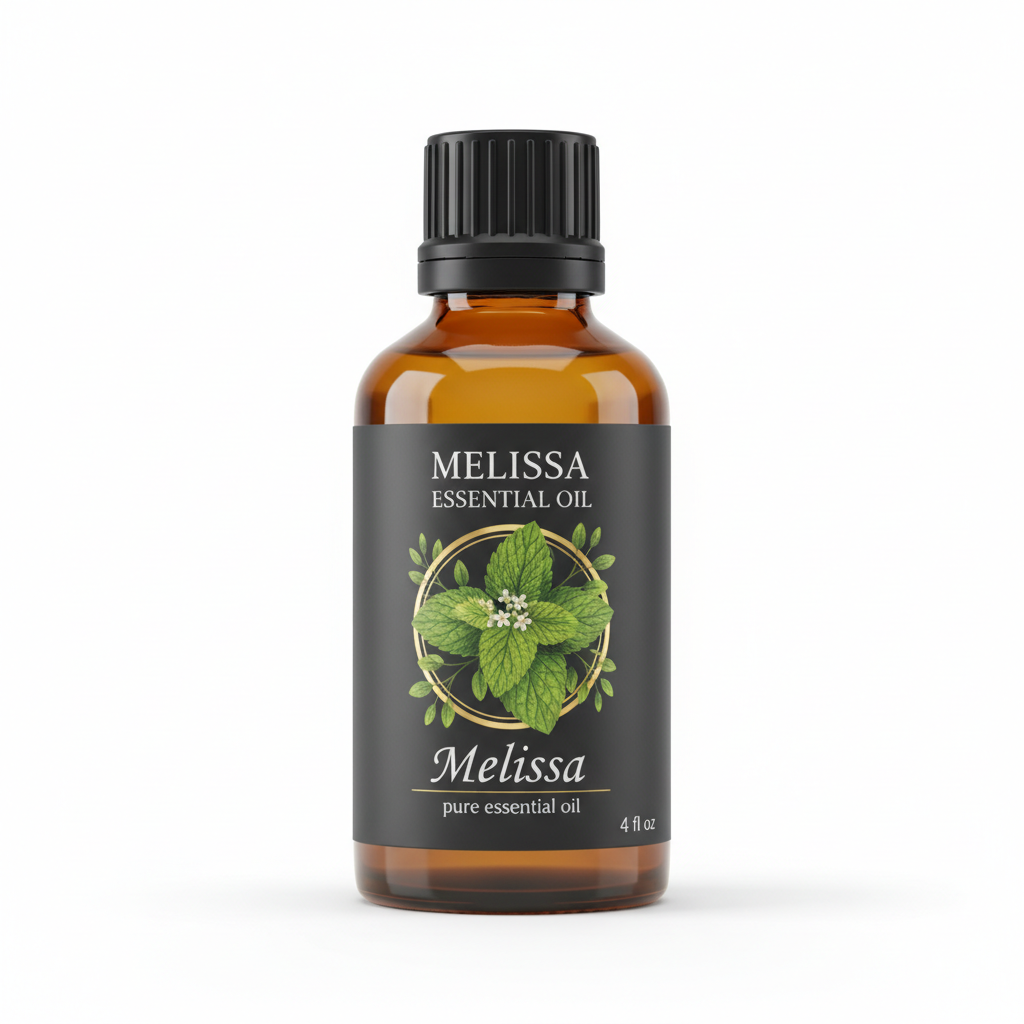
Melissa Essential Oil
Our own Melissa Essential Oil, in sizes from 0.5 oz to bulk.
From $23.99
Shop Now →What melissa brings to a blend
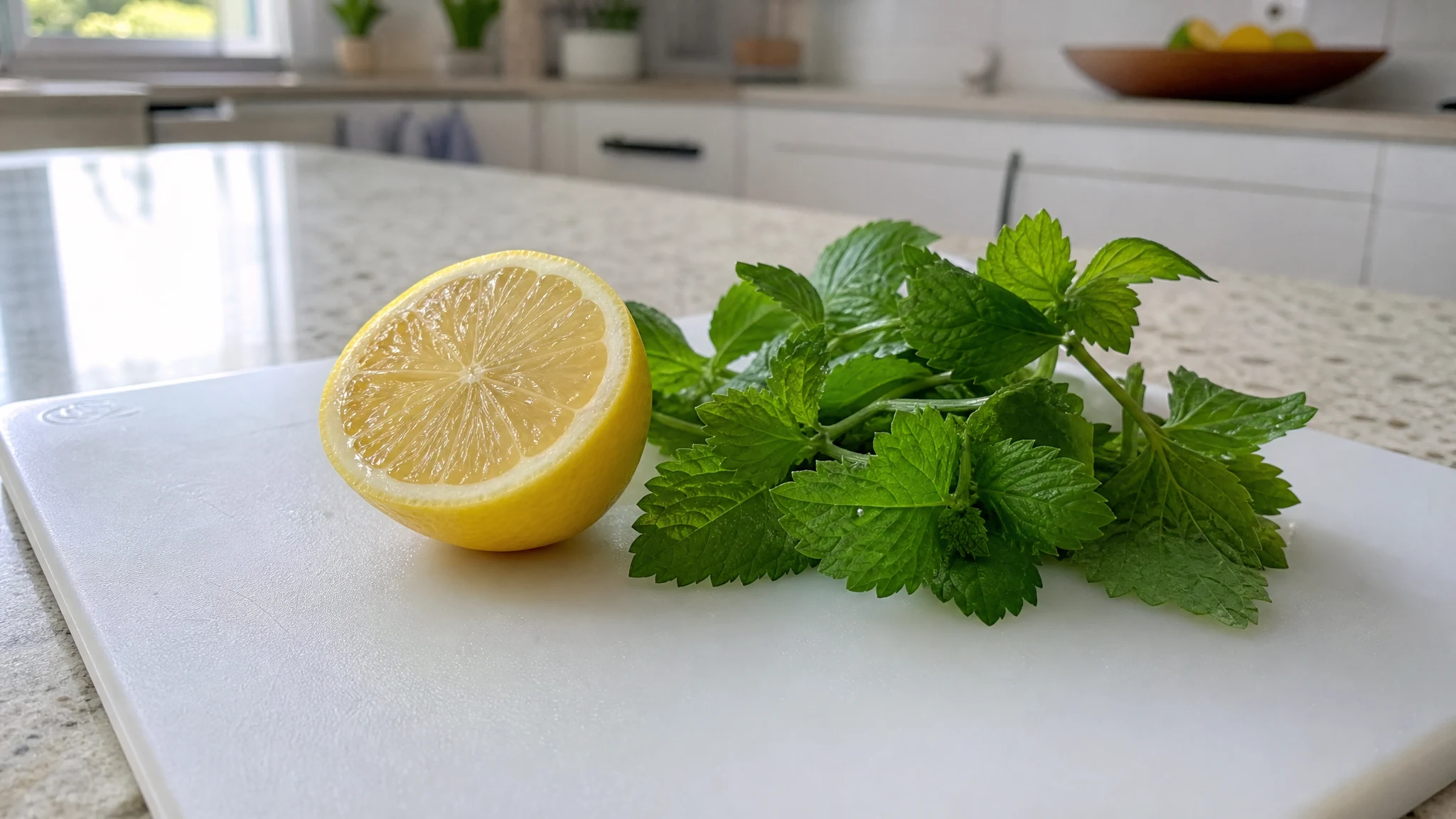
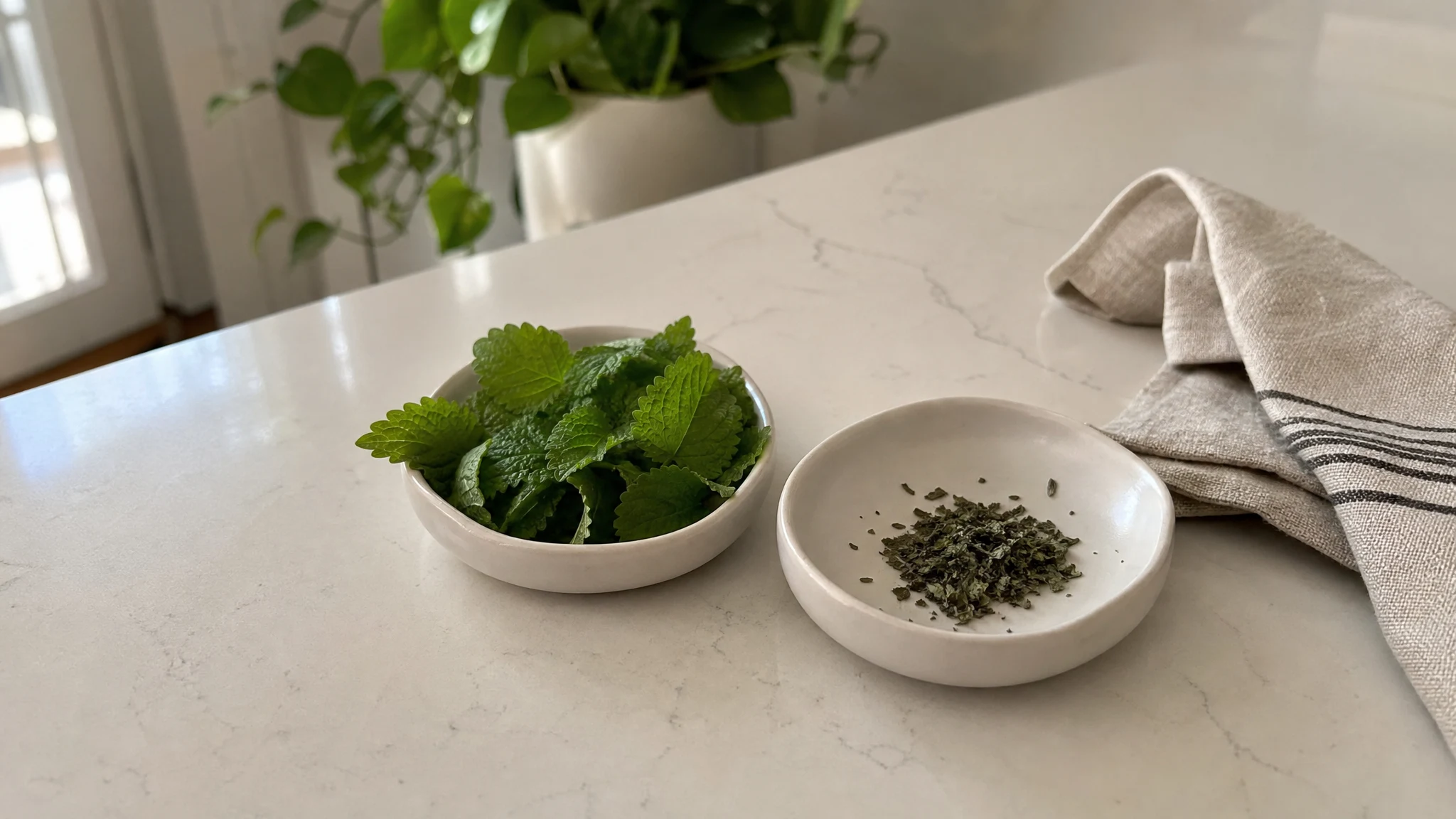
We describe our oil as delicate, lemony and herbal, a bright citrus lift over a soft green heart, and we place it as a top to middle note. The lemon character comes from citral, the pair of aldehydes geranial and neral. Alongside it the oil carries heavier compounds such as beta-caryophyllene (Petrisor et al., 2022), which fits the green, slightly woody finish. Reasoning from that makeup, you can expect the bright lift first and the green remainder later. Smell a small dilution on a blotter yourself before you build anything around it.
Because it is delicate rather than loud, melissa suits a role like lifting a lavender or geranium heart, softening a bergamot opening, or giving a floral blend a clean herbal edge. It is not the tool for a big, realistic lemon, and a citrus-peel oil from a perfumery supplier is the better choice for that. Our scent profile describes how the oil reads on its own.
Trying it on a strip
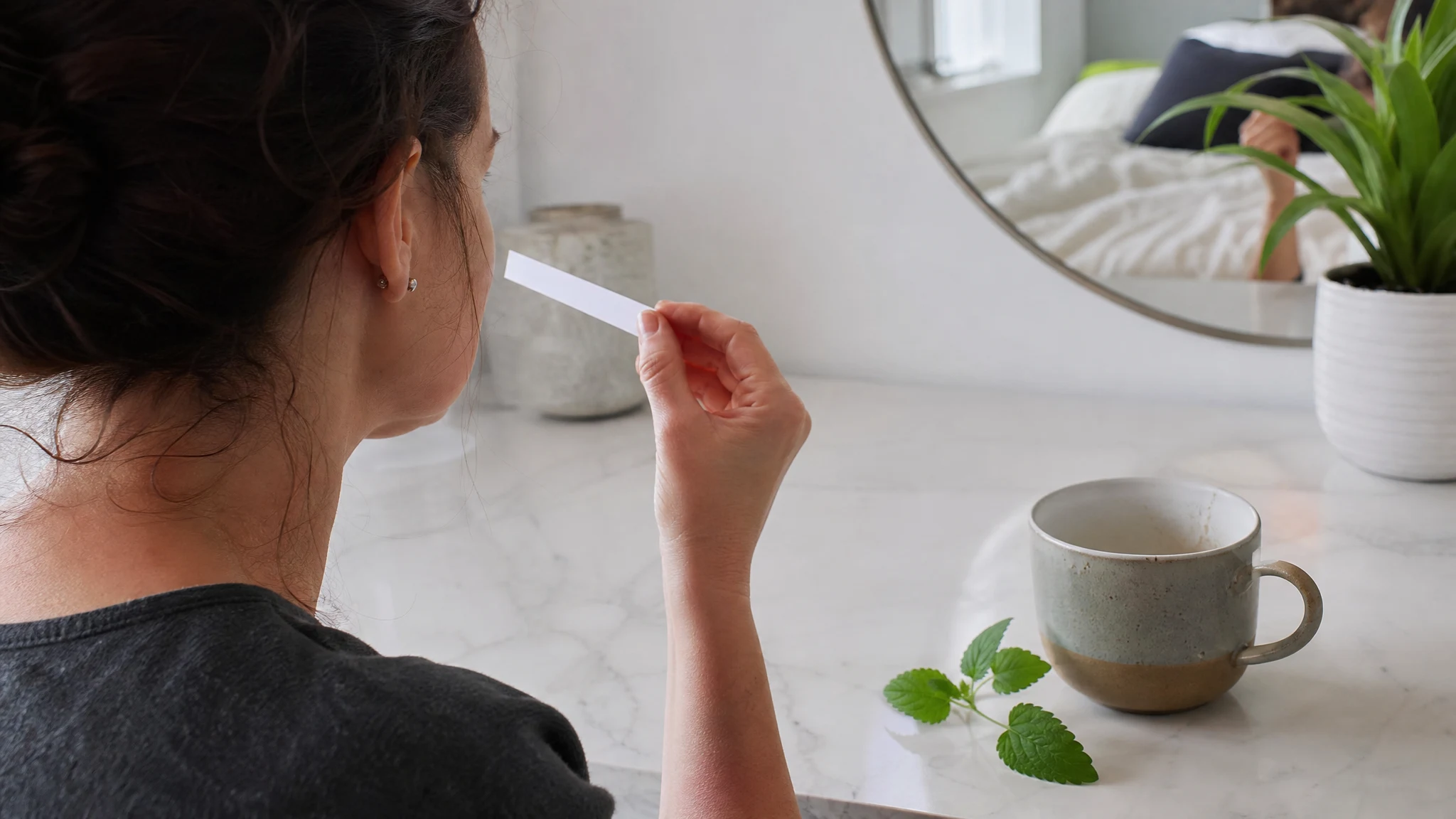
Before you build a formula, spend a little time with the oil on its own. Dip a paper strip in a diluted mix, wave it for a moment and smell it right away. Smell it again at a minute, at ten minutes and after an hour. You will notice the bright lemon lead, then a greener, softer impression as it settles. Jot down what you smell at each stage.
Then put a second strip beside it with a partner oil, such as lavender or geranium, and compare. Seeing how the lemon lifts a floral heart on paper is the best preview of what the oil will do in a bottle, and it keeps the amount you use small.
The ceiling, worked out
The IFRA standard for melissa oil (Amendment 49, 2020) is a restriction driven by dermal sensitization. Its maximum for fine fragrance, category 4, is 0.60%. IFRA's guidance places eau de toilette, perfume, cologne and solid perfume in that category. The same standard allows 0.15% in body lotions and creams, 0.65% for products applied to the face or body with the fingertips, and no restriction in category 12, where there is no direct skin contact. IFRA standards are an industry code and later amendments may differ, so check the current text before you commit to a formula.
Here is the arithmetic for our oil, using the relative density of 0.888 from the Certificate of Analysis for one batch and about 20 drops to the milliliter (droppers vary, so weigh):
- 0.60% of 100 g of finished perfume is 0.60 g of oil, about 13 or 14 drops.
- A 10 ml bottle of an ethanol-based perfume weighs a little under 10 g; assuming 8 g (weigh your own), 0.60% is about 0.048 g, roughly one drop.
- To make that weighable, mix a 10% dilution in perfumer's alcohol and use about 0.48 g of it.
Alcohol, jojoba and small bottles all come from a craft or perfumery supply shop, because we sell one oil only.
Where our own guidance sits
Our dilution guidance for skin is 0.5% to 2% in a carrier with a patch test first. For perfume, IFRA's figure is 0.60% and for lotions 0.15%, so that range runs above both. For anything you will wear or sell, we begin with the IFRA number that fits your product and stay at or under it. Our skin and citral post covers patch testing and precautions, and anyone with a skin condition, a fragrance allergy or pregnancy should ask a physician first.
Partners and their own limits
We list lavender, rose, geranium, chamomile, bergamot and ylang ylang as natural partners for melissa. Bergamot deserves a note: IFRA caps expressed bergamot oil at 0.40% in many skin categories, including fine fragrance, because of its phototoxicity, unless its furocoumarin level is known. Each partner oil you add has its own supplier paperwork, so ask for an IFRA certificate for every batch. Our accord structures post and pairing guide show worked examples, and the same weighing applies to a solid balm, covered in our balm recipe.
If you plan to sell it
Citral varies from batch to batch and plant to plant. Compiled analyses of melissa oil show geranial from about 6% to 51% and neral from about 4% to 35%, including samples with little citral and a germacrene D type (Petrisor et al., 2022). The Certificate of Analysis we publish for one batch lists density, refractive index and optical rotation but no constituent percentages, so it cannot tell you your formula's citral load. If your product needs a GC-MS profile, ask us in writing through the contact page before ordering. Selling a perfume also brings labelling and safety responsibilities that a cosmetic regulatory consultant can walk you through for your market.
Melissa will never carry a perfume alone, and it was never meant to. Worked out in grams first, it is a lovely, bright note to tuck into a blend.
Melissa Essential Oil
Melissa Essential Oil from our own shop, in sizes from 0.5 oz to bulk.
From $23.99
Shop Now →Sources & Further Reading
- IFRA. "Melissa oil (genuine Melissa officinalis L.)," Amendment 49 (2020), in IFRA Standards, 51st Amendment compendium. ifrafragrance.org
- IFRA. "Guidance for the use of IFRA Standards," 30 June 2023. ifrafragrance.org
- Petrisor et al., 2022. "Melissa officinalis: Composition, Pharmacological Effects and Derived Release Systems-A Review." Int J Mol Sci. PMC8998931