Scaling a Melissa Formula from Bottle to Batch
A formula that works beautifully in a 30 ml bottle is a recipe for that bottle, not yet a product. Scaling changes the unit of measure (grams instead of drops), the equipment (a mixing vessel instead of a beaker) and, importantly, the paperwork. Our advice is simple: scale the record first and the batch size second, and hold off on a larger bottle of any oil until the formula on paper is fixed.
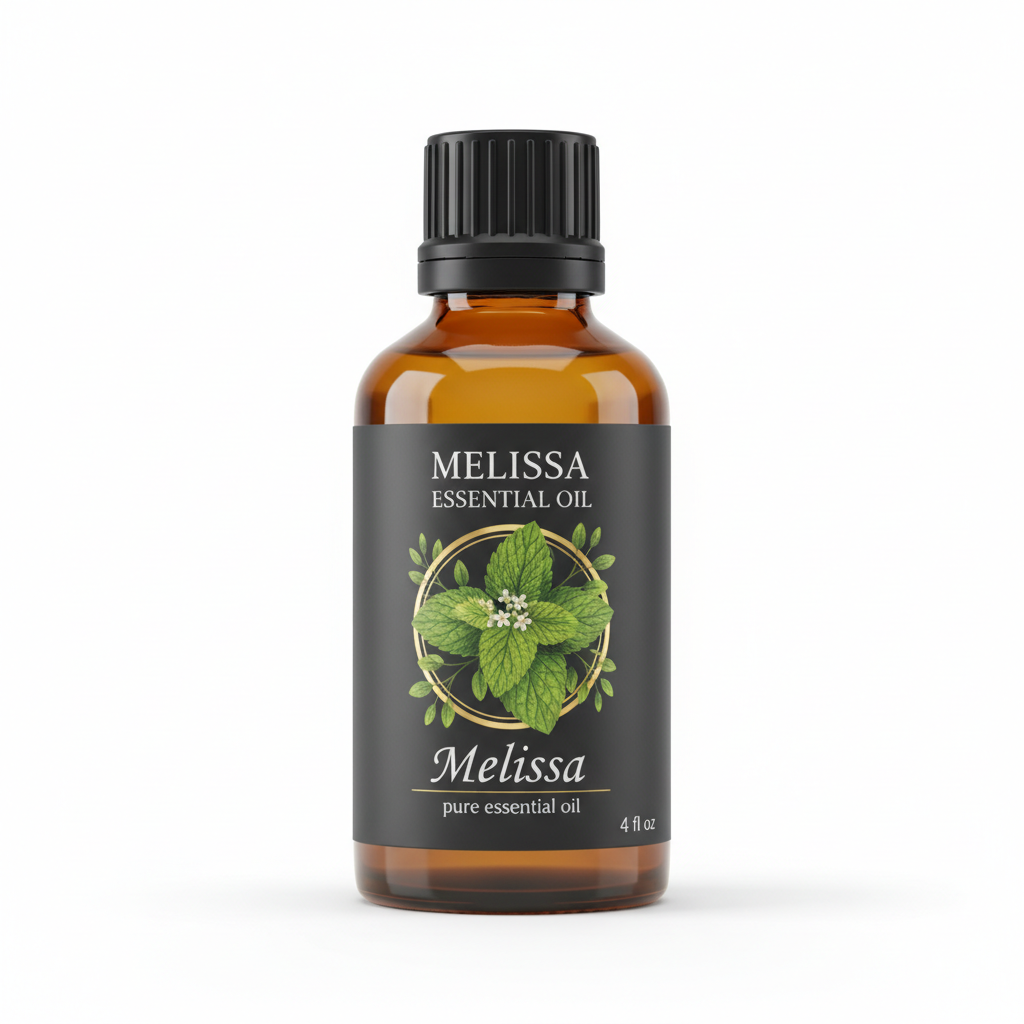
Melissa Essential Oil
Our own Melissa Essential Oil, in sizes from 0.5 oz to bulk.
From $23.99
Shop Now →Move from drops to grams
A drop is not a unit you can scale. We use about 20 drops to the milliliter as a working figure, but droppers vary, so weigh. The batch behind the Certificate of Analysis we publish has a relative density of 0.888 at 20 C, within a stated standard range of 0.880 to 0.910. That range is why a volume-based formula can drift. Say a formula needs 10 g of oil and you measure 11.26 ml (10 g divided by 0.888). If another lot sat at the top of the range, 0.910, those 11.26 ml would weigh about 10.25 g, roughly 2.5% more than intended; at the bottom, 0.880, about 0.9% less. That is arithmetic on the standard range, not a measured difference between batches, but it makes the case for the scale over the measuring cup.
Next, write every ingredient as a percentage of total batch weight, with the oil load as a number instead of "a few drops." As a placeholder for the arithmetic, take 0.5% by weight. It is a stand-in to show the sums, not a recommended use level; the right figure for your product comes from the guidance that applies to its category, which for melissa is often lower. See our handmade products guide for the limits by product type.
At 0.5%, a 1 kg batch needs 5 g of oil (about 5.6 ml, or 113 drops, which is a count nobody should be doing while a batch cools). A 100 kg batch needs 500 g, about 563 ml. Our cost per batch post carries the money side of the ladder; see the shop page for current prices.
Pilot before you commit
The order we recommend is to lock the paper formula, make one small bottle, run a pilot at roughly a tenth of your target size, and then produce. That sequence reflects the FDA's published expectations for production control. Its draft cosmetic good manufacturing practices guidance, which is nonbinding and notes that there are no GMP regulations for cosmetics, describes what an inspector would look for: written formulations and processing instructions, weighing and measuring of raw materials checked by a second person, in-process controls for uniformity and adequacy of mixing, and a comparison of theoretical yield with actual yield.
Two of those habits are nearly free at any size: have a second person check the weights against the sheet, and calculate theoretical yield before you pour. If 100.0 kg goes in and 97.5 kg is filled, that gap is a number worth explaining, and you can only see it if you wrote down the first figure.
What changes when the vessel gets bigger
Scent is the first thing to watch. A study of three citrus oils (lemon, sweet orange and tangerine) evaporated under a stream of nitrogen and followed the changes by GC-MS. The most volatile components disappeared fastest, shifting the balance of each oil (Francis and Bui, 2015). That study concerned other oils under forced evaporation, and it does not show how melissa behaves. Reasoning from it, any oil with a lively top note can change character if it spends a long time warm and open, and a large vessel that is heated, stirred and held for hours gives more opportunity for that than a small covered one. We describe melissa as a top to middle note, so add it last, at the lowest temperature your process allows, and cap containers promptly. Your pilot and your own records will show whether your product changes.
Equipment is the other: a strongly scented oil is easy to carry from one batch to the next on a paddle or hose, so dedicate equipment or document a cleaning step between scents, as the FDA draft's emphasis on cleaned and identified equipment suggests.
The record that makes it repeatable
The FDA draft says batch production records should include the name, code, lot number and quantity of every ingredient added, every production step, in-process sampling and adjustments, the finished-product lot or control number, and whether the batch was accepted or rejected. In practice that is one sheet per batch: formula version and date, each raw material's supplier lot number, target and actual weights, who weighed and who checked, the vessel, temperatures where relevant, theoretical and actual yield, and the lot code on the package.
The oil's lot number belongs on that sheet. The only analytical document we publish for our oil is the Certificate of Analysis for one batch (MELQGCMOUSC003A): relative density 0.888, refractive index 1.484 and optical rotation -1.08 degrees. If your specification needs a GC-MS profile, ask us in writing through the contact page before you order, and see our supplier documentation checklist for what to request from any supplier.
A word on the rules for small makers
The FDA's small business fact sheet says anyone who manufactures or markets cosmetics is legally responsible for their safety and labeling, and that the Modernization of Cosmetics Regulation Act exempts certain small businesses from facility registration and product listing, with exceptions for categories such as products that regularly contact the eye's mucous membrane. Rules in this area have moved before and may again, so check the current pages and ask a regulatory consultant or product-safety attorney about your product; we are neither. A contract lab and a cosmetic chemist are the right people for preservative and stability questions.
Our wholesale page offers sample bottles, a consultation form and private-label filling. Write the production sheet before you place the order, and the size choice mostly makes itself.
All this talk of records and checks can sound heavy, so here is a gentler thought: scaling up is still making something you like. Smell a small sample of every batch against your first bottle, and you will notice quickly whether it feels like the same product.
Melissa Essential Oil
Melissa Essential Oil from our own shop, in sizes from 0.5 oz to bulk.
From $23.99
Shop Now →Sources & Further Reading
- US FDA. "Guidance for Industry: Cosmetic Good Manufacturing Practices" (draft guidance, February 12, 1997; revised April 24, 2008 and June 2013). fda.gov
- US FDA. "Small Businesses & Homemade Cosmetics: Fact Sheet." fda.gov
- Francis and Bui, 2015. "Changes in the Composition of Aromatherapeutic Citrus Oils during Evaporation." Evid Based Complement Alternat Med. PMC4486248