Using Melissa Oil at Home: Air, Bath and Skin
Melissa oil is at its easiest in the air and at its most exacting on skin. That surprises people who expect a gentle lemon-herb oil to be gentle across the board, but it follows from the numbers: the published limits for leave-on skin products are tiny, which means a correctly diluted body oil holds about one drop of melissa per ounce of carrier. A diffuser has no such cap, though it has habits worth getting right. Here is how each home use shakes out.
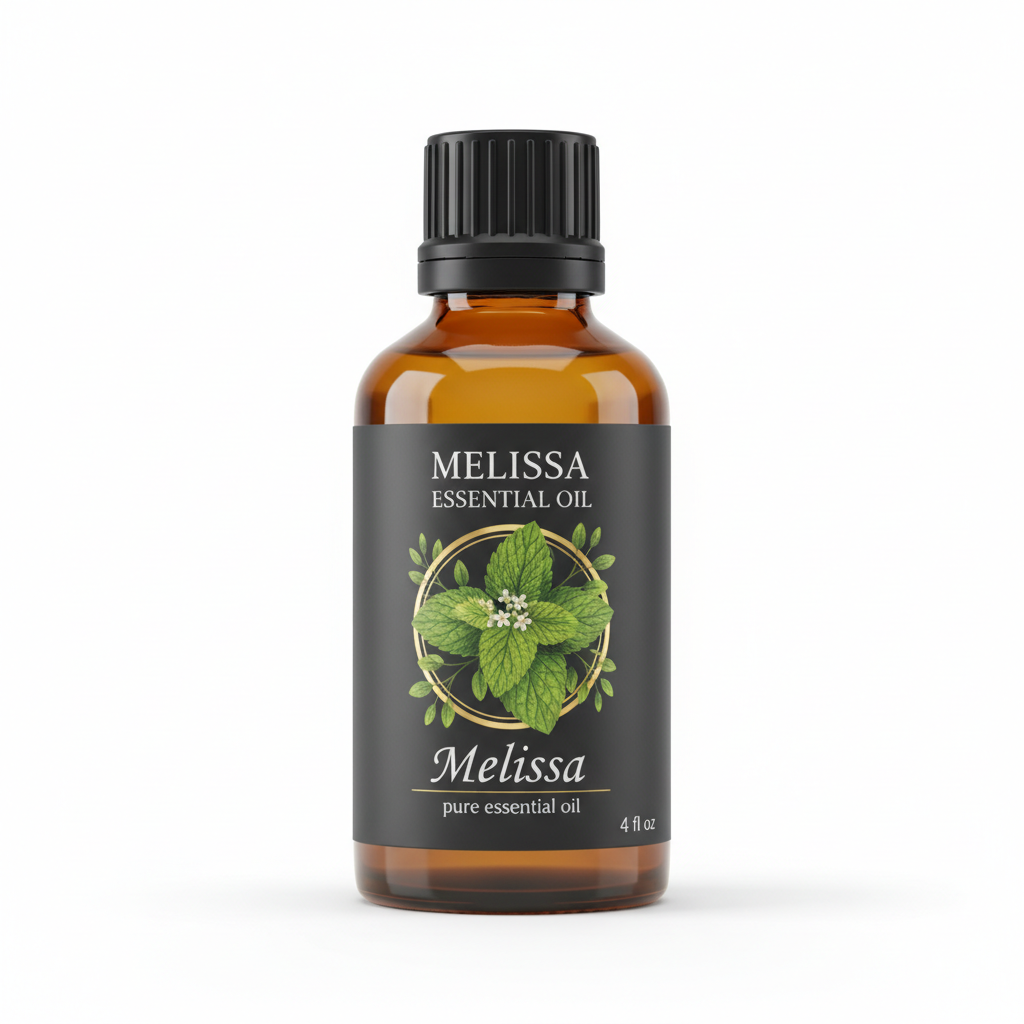
Melissa Essential Oil
Our own Melissa Essential Oil, in sizes from 0.5 oz to bulk.
From $23.99
Shop Now →In a diffuser
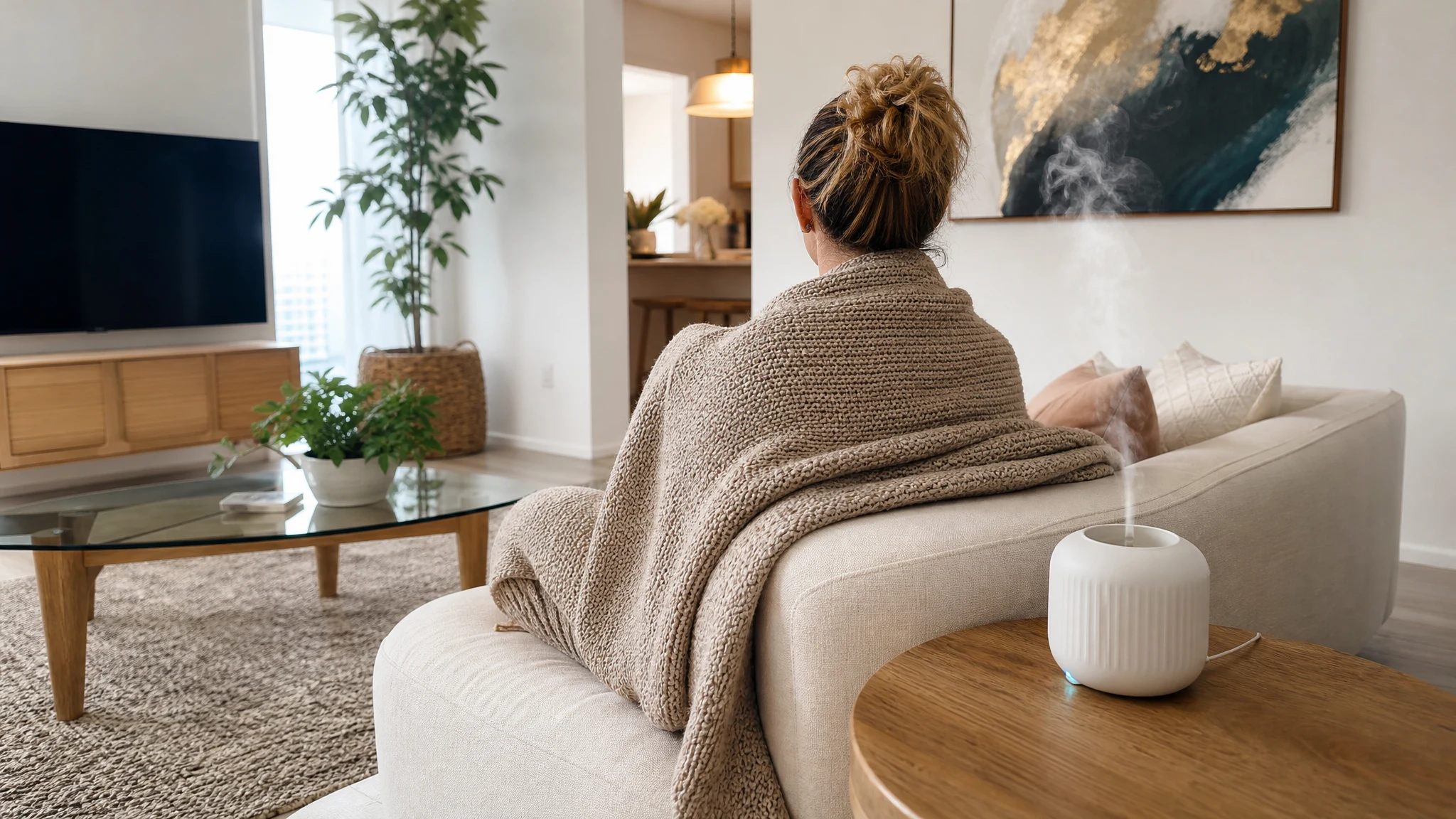
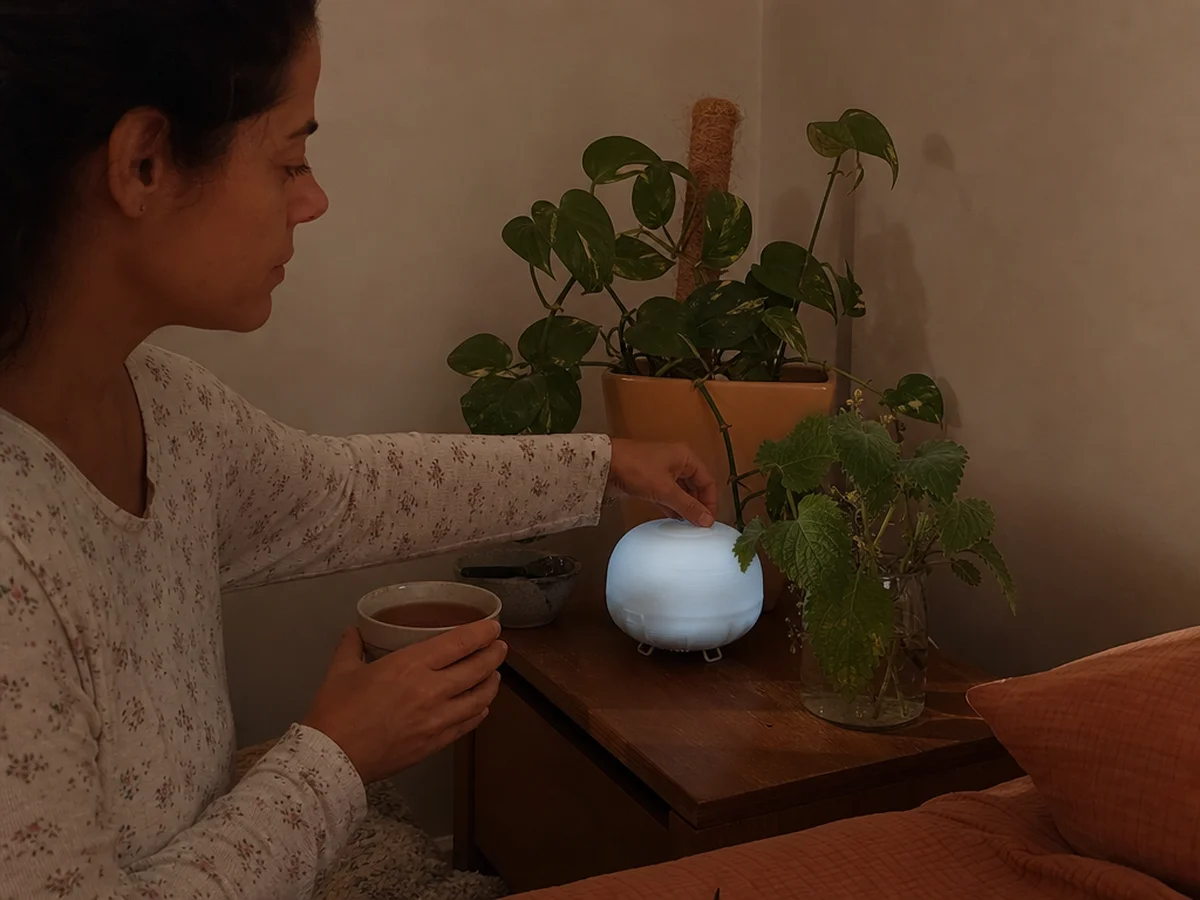
This is where most people start, and where our own suggestions are simple. We describe the aroma as delicate, lemony and herbal, a bright citrus lift over a soft green heart, and a little goes a long way: a single drop beside lavender, or one or two drops in a blend, is plenty for a room.
The habit that matters most is running the device on a cycle. The Tisserand Institute says intermittent diffusion, meaning 30 to 60 minutes on and 30 to 60 minutes off, is "much more effective, as well as being safer, than continuous diffusion." Its guidelines also note that very low, barely noticeable levels are fine anywhere. Ventilate the room and follow the diffuser maker's instructions.
Homes with animals deserve a moment of care. The Tisserand Institute's article on cats says diffusing around them calls for good ventilation, small amounts, limited time and a cat that is free to leave the room. ASPCA Pro advises against running a diffuser in a house with birds. We keep melissa away from children and pets, and anyone with a pet bird, an infant or asthma should ask a veterinarian, pediatrician or physician before diffusing anything.
On skin
For a massage or body oil, the sums change. IFRA's standard for melissa oil allows 0.15% of the oil in body creams, oils and lotions of all types, and in hand cream, with dermal sensitization as the reason. In an ounce of carrier (29.57 ml, about 20 drops to the milliliter), 0.15% works out to just under one drop. Our own dilution guidance is 0.5% to 2% in a carrier, roughly 3 to 12 drops per ounce, with a patch test first. Because the IFRA figure for body products is lower, we begin at 0.15% and let the scent be faint; if you want a stronger fragrance, the air is the better place for it.
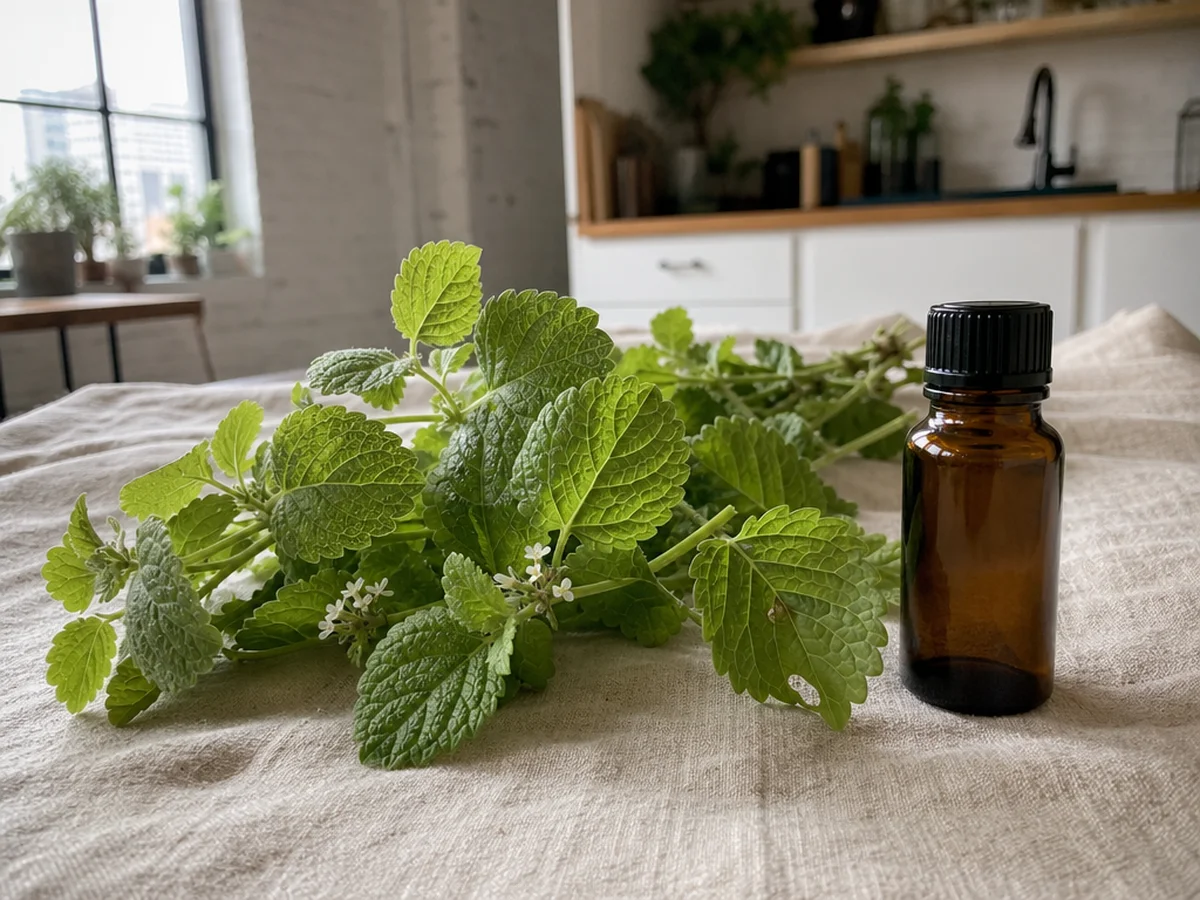
Patch test on a small area before first use, keep melissa away from eyes, and if you have eczema, a fragrance allergy, broken skin, or you are pregnant, ask your doctor or a dermatologist first. Our skin and citral post and pregnancy post cover the details.
In the bath
Oil and water do not mix, and the Tisserand Institute's bath page is direct about it: oil poured straight in leaves "a film of undiluted essential oils sitting on top," and the oils "often sting like crazy." It lists dispersants that work, including Solubol, polysorbates 20 and 80, Natrasorb Bath and foaming bases made for added oils, and notes that milk, salt, baking soda, cornstarch, glycerin, witch hazel and aloe do not disperse oils. IFRA puts products added to bathwater in category 9, where the melissa limit is 1.2%. We do not sell any of these bases, so look at a craft or supply shop. The step-by-step version is in our bath post.
In a pillow or linen spray
IFRA lists pillow spray in category 11B, with a melissa limit of 2.3%. That is a roomy number beside 0.15%, and it is tempting to stop there. A spray made with water also needs a solubilizer so the oil does not float in beads, and a preservative, so it is a formulation task before it is a dose question. Our pillow mist post works through the arithmetic.
In soap, candles and steam
Bar soap is category 9 (1.2%) and candles are category 12 (no restriction), so for these the IFRA number is rarely the binding limit; what your soap or wax supplier recommends is the next ceiling. Our cold process soap post picks it up. Facial steam has its own considerations, which we cover in our facial steam post.
What we leave out
Melissa oil is not for internal use, and our ingestion post explains why we say so. We sell an external cosmetic oil, not a remedy or a sleep, mood or stress product, and the evening language you may see around it describes atmosphere, not an effect. For any medical question, a physician or pharmacist is the right person to ask.
Start by just smelling it
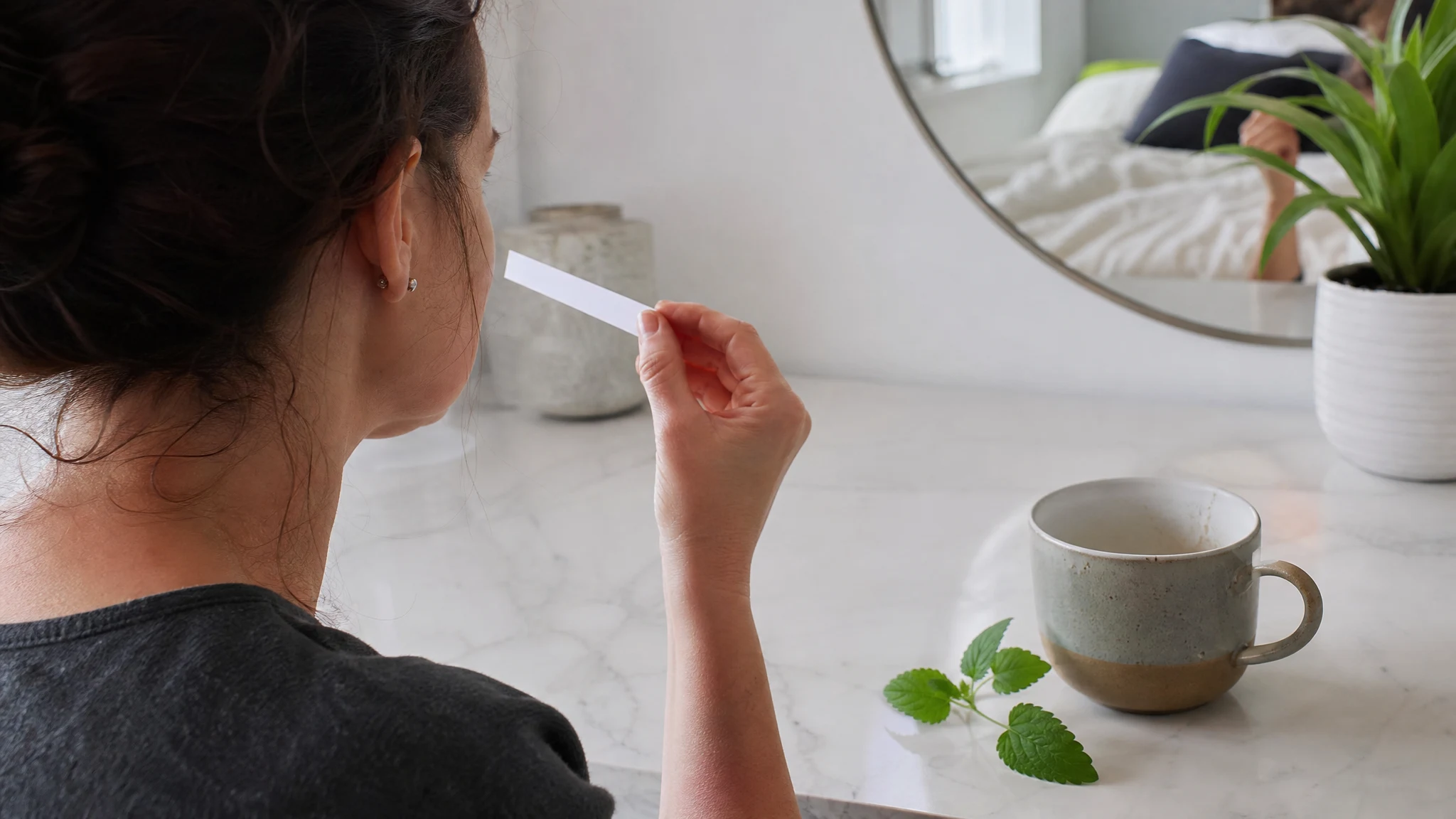
Before any of the above, we would encourage you to simply get to know the oil. Open the bottle, hold it a little way from your nose and breathe in once. You'll notice a delicate lemon, then a soft green, herbal note behind it. Spend a moment with that, and you will have a better idea of which use appeals to you. Some people discover that they love it in the air and are happy to leave it there. That is a perfectly good way to enjoy a bottle.
A simple order for a first evening
- Choose the use first. For the air, start with one drop and run the diffuser in cycles in a ventilated room.
- For skin, start from the published figure, not the top of our range, and patch test.
- Store the bottle tightly capped in a cool, dark place, and keep it out of reach of children and pets. Our storage post adds detail on oxidation.
Dose by the product, ventilate, disperse in water, and a bottle of melissa goes a long way.
Melissa Essential Oil
Melissa Essential Oil from our own shop, in sizes from 0.5 oz to bulk.
From $23.99
Shop Now →Sources & Further Reading
- Tisserand Institute. "Safety guidelines for diffusing essential oils at home." tisserandinstitute.org
- Tisserand Institute. "Cats and Essential Oil Safety." tisserandinstitute.org
- ASPCA Pro. "Are Essential Oils Dangerous to Pets?" aspcapro.org
- Tisserand Institute. "Bath Safety: how to use essential oils safely in the bath." tisserandinstitute.org
- IFRA. "Melissa oil (genuine Melissa officinalis L.)," Amendment 49 (2020), in IFRA Standards, 51st Amendment compendium. ifrafragrance.org
- IFRA. "Guidance for the use of IFRA Standards," 30 June 2023. ifrafragrance.org