What Is Melissa Oil? Names, Types and Basics
Melissa oil, lemon balm oil, balm oil, oil of balm: ask for any of them and you are asking for the same oil on paper. What the name does not tell you is how the oil smells or what is in it, because lemon balm is a plant that comes in more than one personality.
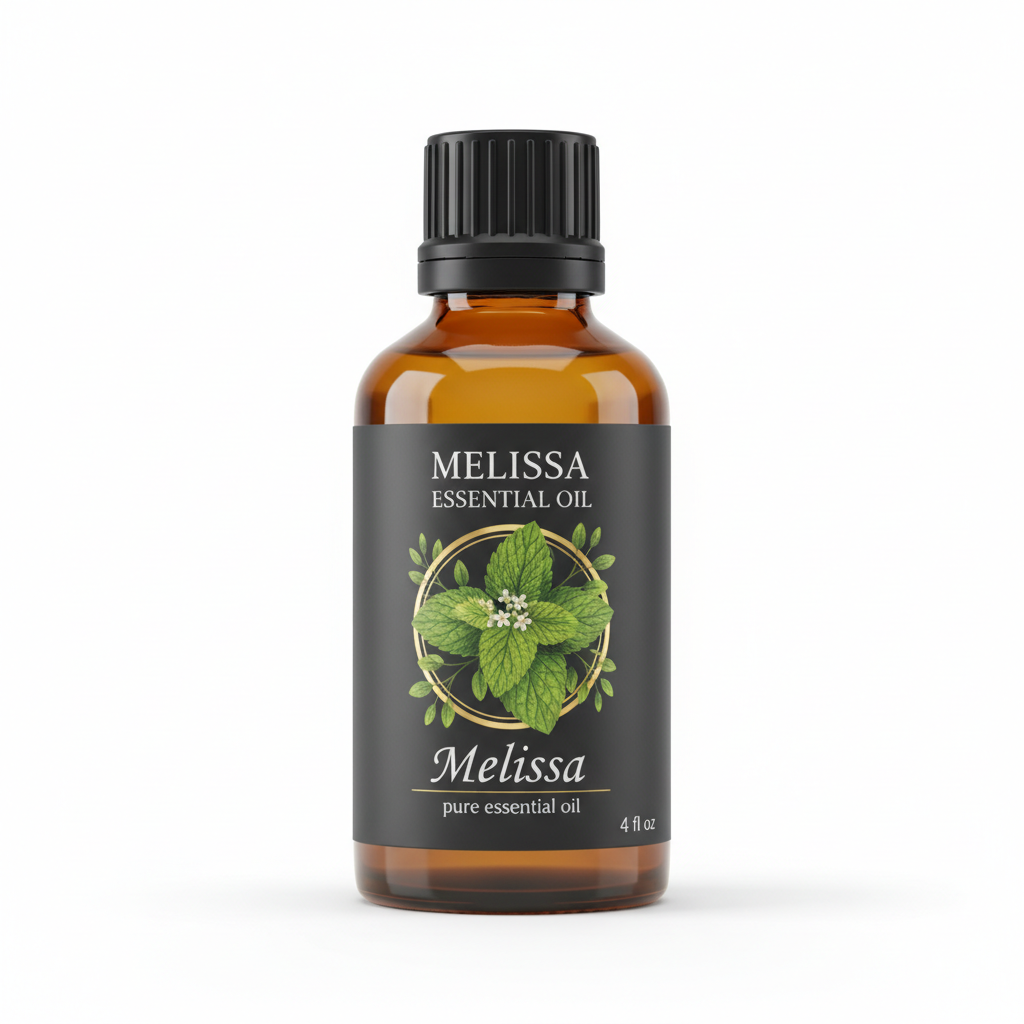
Melissa Essential Oil
Our own Melissa Essential Oil, in sizes from 0.5 oz to bulk.
From $23.99
Shop Now →One plant, many names
Melissa officinalis belongs to the mint family. A 2022 review calls it lemon balm, honey balm or balm mint, and we use melissa and lemon balm as two names for the same plant. The fragrance industry's standard for the oil lists several synonyms, including balm oil, lemon balm oil, Melissa officinalis leaf oil and oil of balm, and titles the entry "Melissa oil (genuine Melissa officinalis L.)." The word "genuine" in that title is a clue that other lemon-scented oils exist, which we come back to below.
The part that makes it interesting: two personalities
The same review describes two subspecies. Subspecies officinalis carries major amounts of citral, the pair of lemony molecules geranial and neral, while subspecies altissima carries only traces. It also describes two oil types, one led by citral and one by germacrene D. Across the analyses the authors gathered, geranial ran from about 6% to 51% and neral from about 4% to 35%.
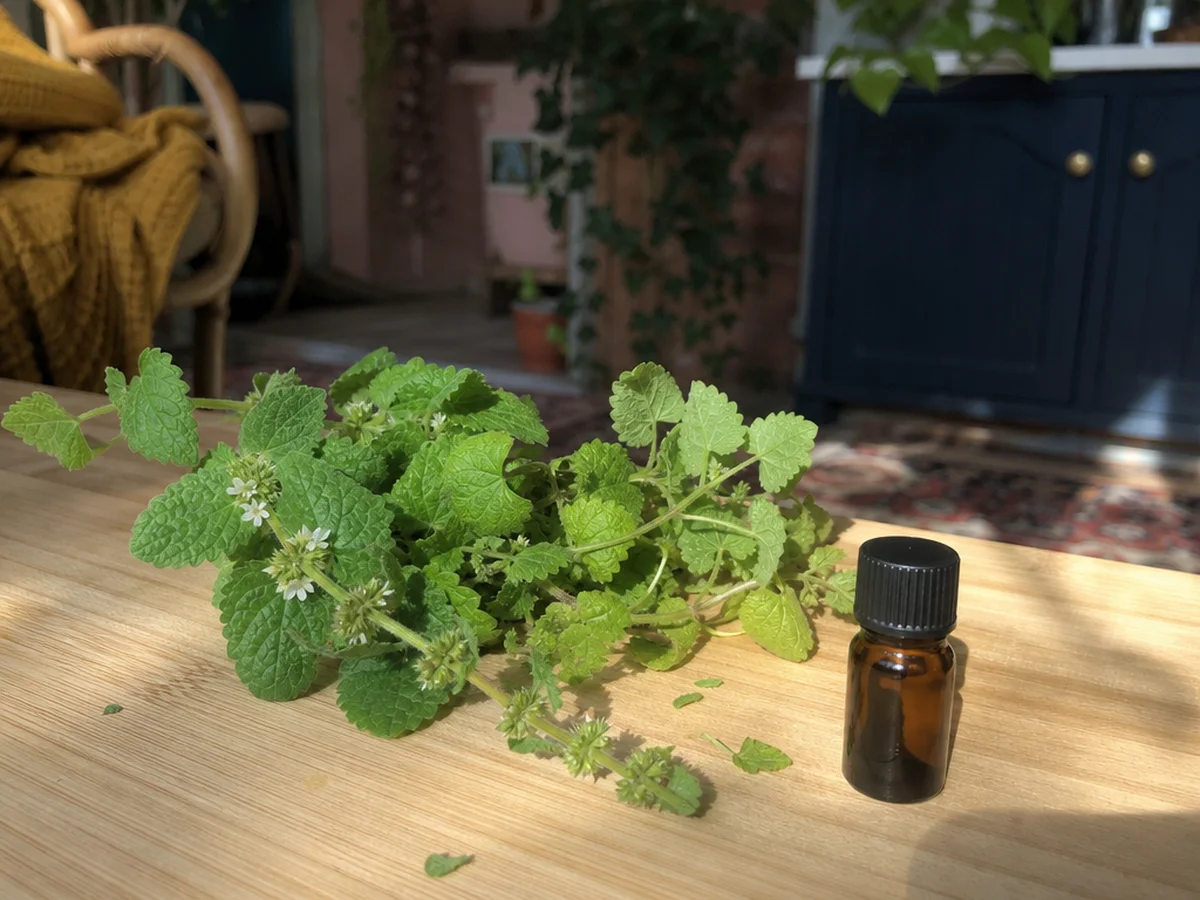
That spread is the heart of the story. It means two bottles that are both correctly labeled Melissa officinalis can smell and behave differently, one bright and lemony, another greener and softer. It is why a botanical name is a necessary label but a modest guarantee, and why we like batch documents. We explore the chemistry in our composition post and the practical checks in this one.
A plant you may already know
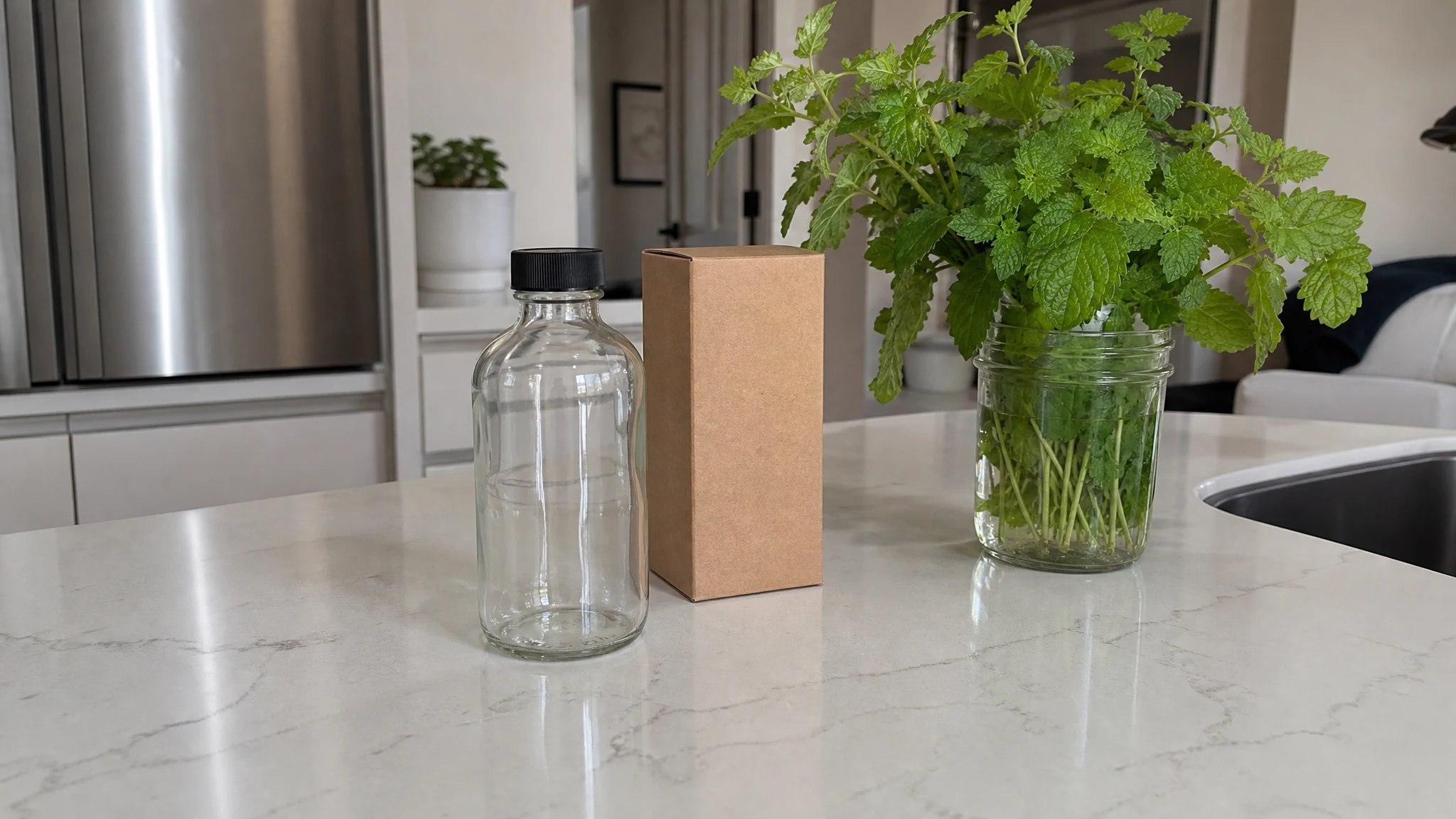
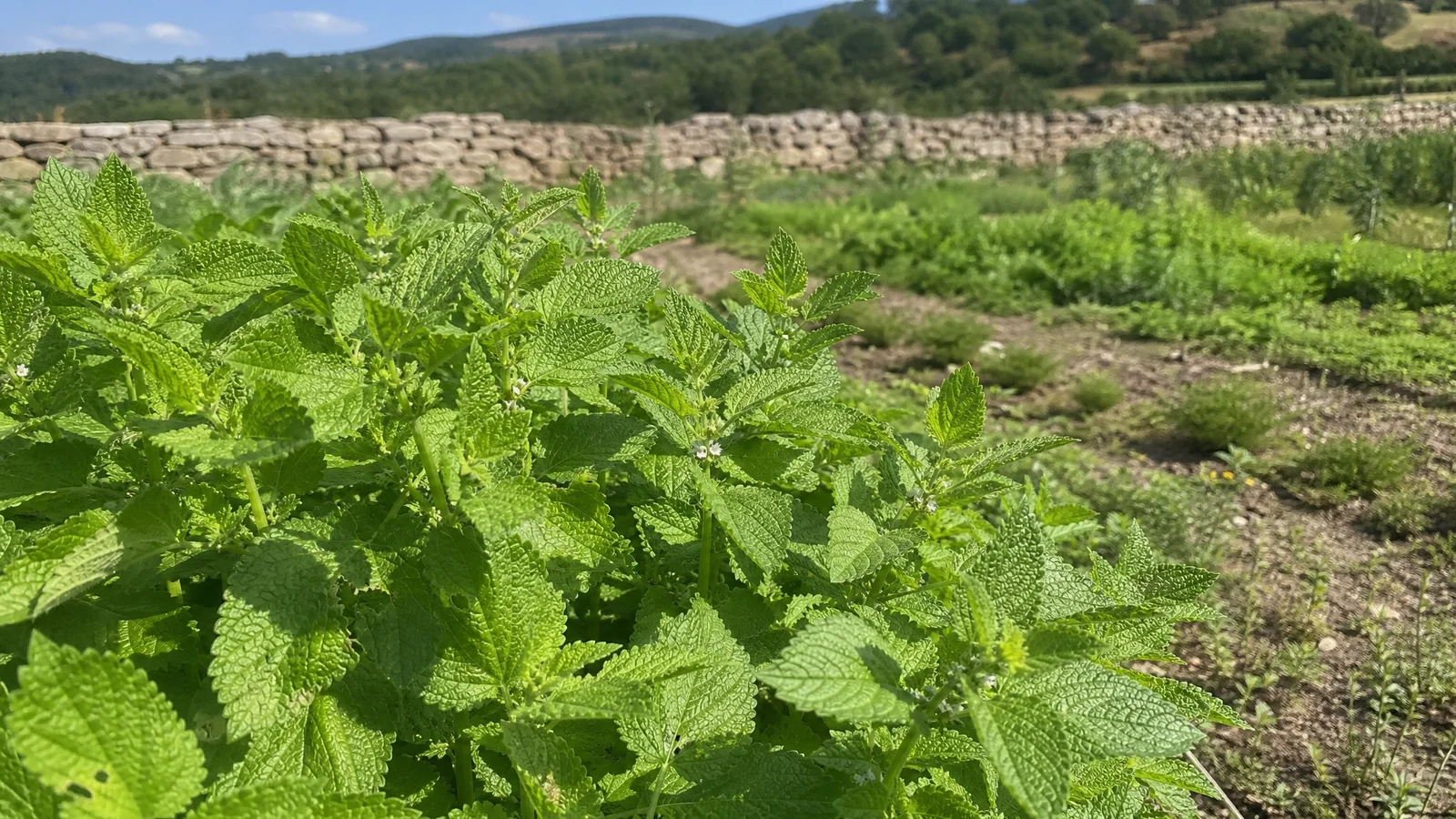
Many people meet lemon balm long before they meet the oil. It is the leafy garden herb that grows in happy clumps, and when you brush past it or rub a leaf between your fingers, a fresh lemon scent fills the air. The oil takes that leafy character and concentrates it, which is why we say it is a small-volume, special bottle. A garden plant spreads freely and generously, but its oil is never plentiful.
Why it comes in small bottles
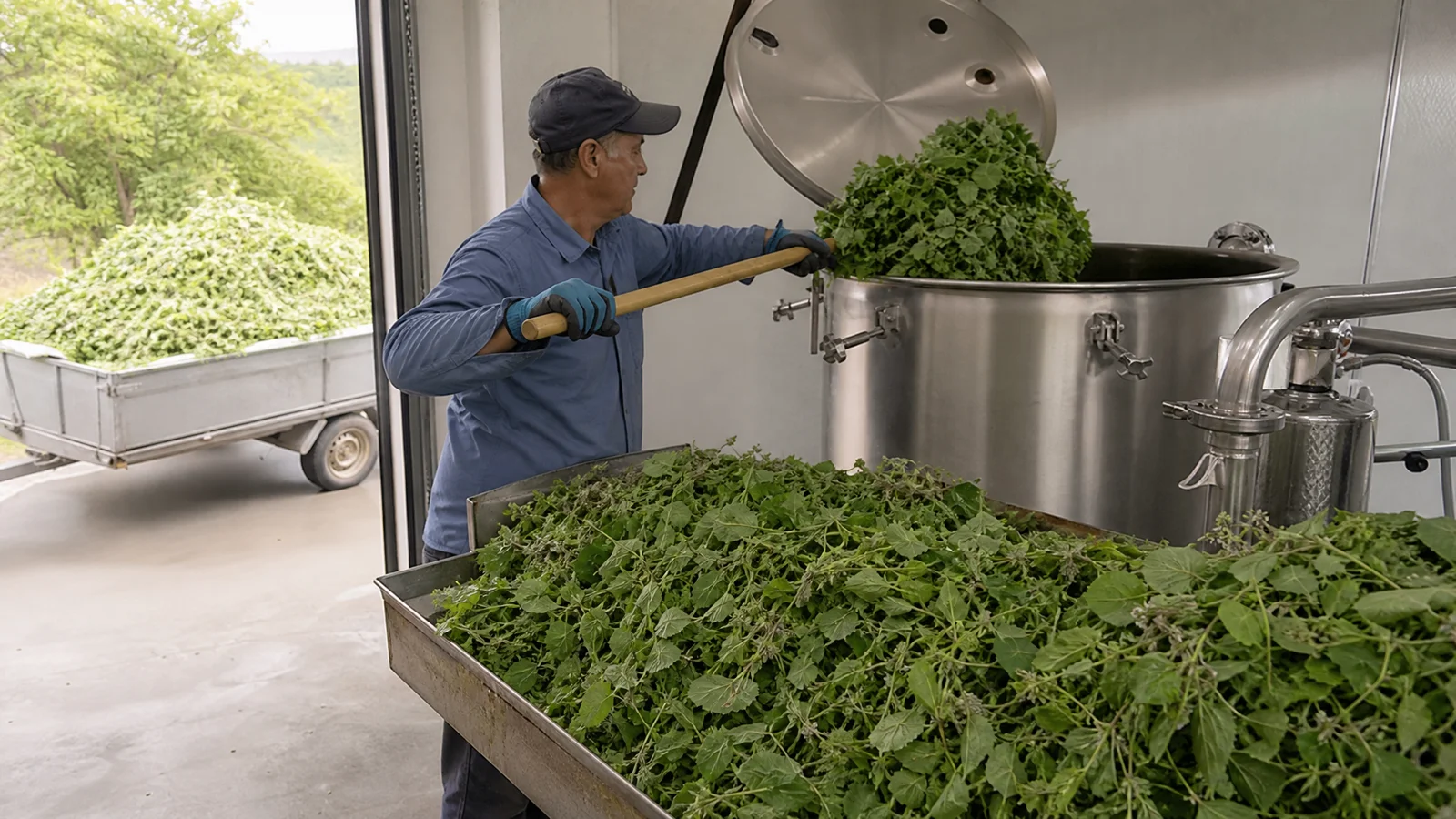
We describe melissa as an oil where tons of fresh herb yield only ounces of oil. Published oil contents for lemon balm are low and widely spread: the review lists figures such as 0.17%, 0.08% to 0.20%, and a range of 0.01% to 0.72% across 28 accessions. At the generous end that is still roughly 139 kg of plant for a kilogram of oil, by our arithmetic, and at the low end far more. This is a small-volume oil by nature, and a little goes a long way in use too.
What we sell
We sell one product: Melissa Essential Oil, Melissa officinalis, steam-distilled and sold neat. We describe the aroma as delicate, lemony and herbal, a bright citrus lift over a soft green heart, rounder and greener than lemongrass or litsea cubeba, which come from different plants. The Certificate of Analysis we publish for one batch lists a relative density of 0.888, a refractive index of 1.484 and an optical rotation of -1.08 degrees, each inside its printed range. If you would like constituent data such as GC-MS, ask us in writing through the contact page before ordering.
It is worth knowing what melissa oil is not. It is not a hydrosol, the water that comes off a still (see the difference). It is not a leaf extract, and studies of extracts are not studies of the oil (this post sorts them out). And it is not lemon oil, which is led by a different molecule; our comparison lines them up.
How we think about it
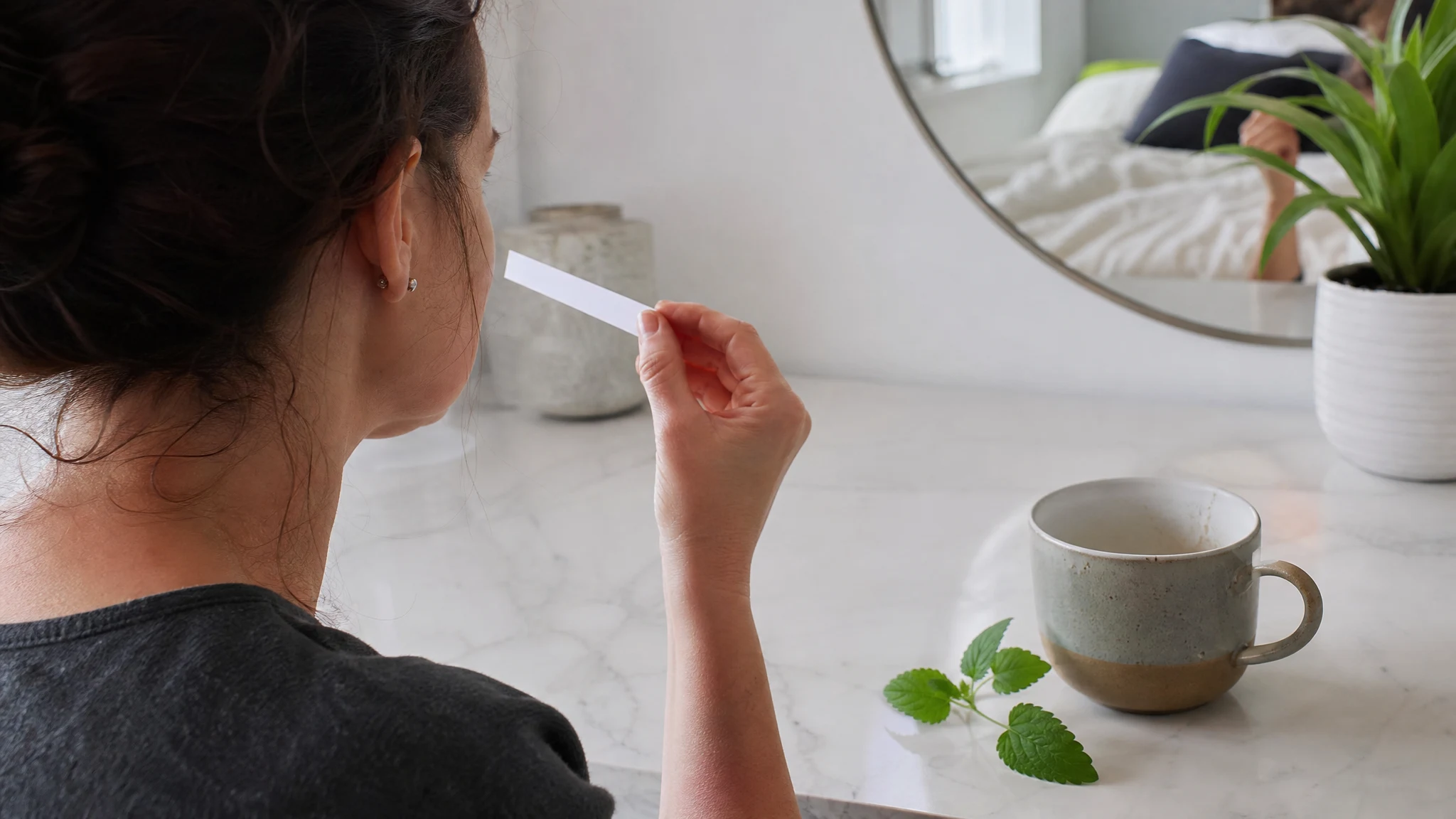
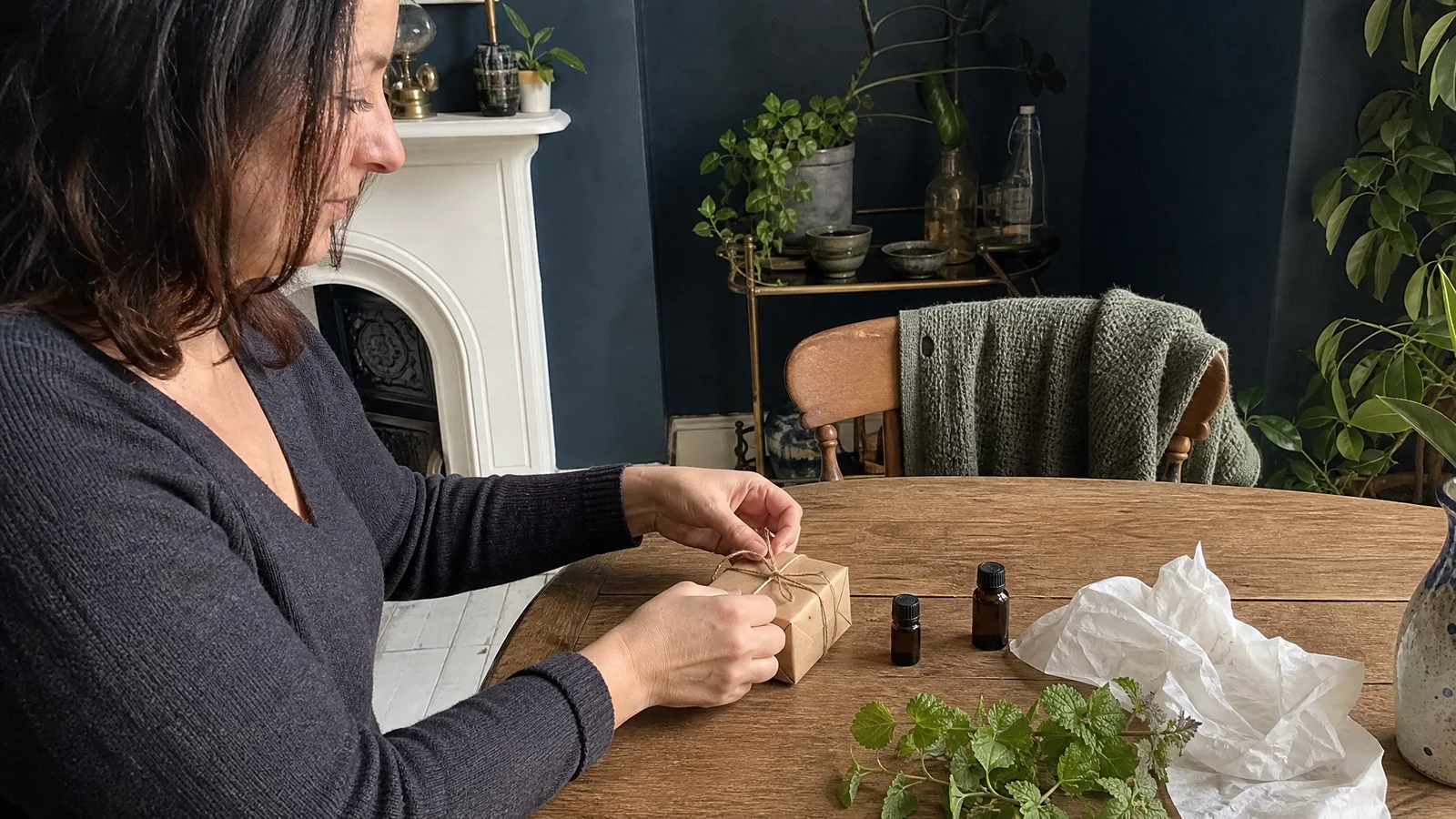
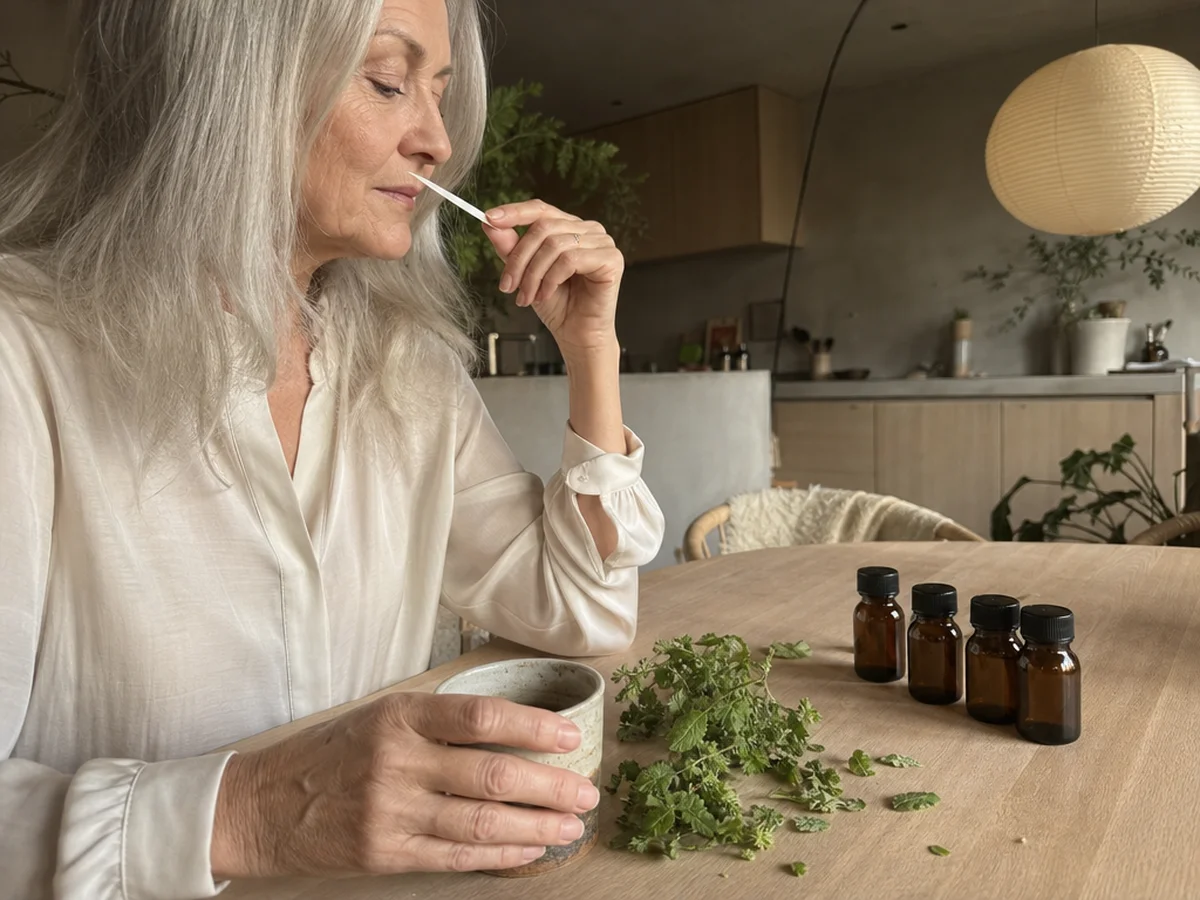
We sell one melissa oil because we would rather do one thing carefully than many things loosely. When you open a bottle, you will notice that the scent is gentle and a little goes a long way. That makes it a lovely oil for small projects, such as a perfume, a candle or a bar of soap, where you want a soft lemon-herb note and not a loud one. Start small, smell often and let the oil tell you how much it wants.
A cosmetic oil with a short list of rules
We sell melissa for aroma and perfumery, and we make no health claims for it. The FDA's aromatherapy page explains why that line matters: how a product is regulated depends mainly on its intended use. The FDA also notes there is no regulatory definition for "essential oils," so the word on a label is not a verified standard, and the batch paperwork does more of the work than the wording does.
The dermal side is where melissa asks for care. IFRA's standard for the oil is a restriction, naming skin sensitization as the reason, with limits such as 0.15% for body creams, oils and lotions and 0.60% for fine fragrance. Our own dilution guidance is 0.5% to 2% in a carrier with a patch test first, and we start at the lower figure and do not call 2% safe; see our skin and citral post. Keep it away from eyes, children and pets, and if you are pregnant or have eczema or a fragrance allergy, talk to your midwife, physician or dermatologist first (here is what is published). It is not for internal use.
Once you know the names, the plant's two personalities and the rules, melissa becomes much easier to buy, and much more fun to smell.
Melissa Essential Oil
Melissa Essential Oil from our own shop, in sizes from 0.5 oz to bulk.
From $23.99
Shop Now →Sources & Further Reading
- Petrisor et al., Melissa officinalis: Composition, Pharmacological Effects and Derived Release Systems-A Review, Int J Mol Sci, 2022
- IFRA, IFRA Standards (51st Amendment compendium), entry Melissa oil (genuine Melissa officinalis L.)
- US FDA, Aromatherapy
- US FDA, Fragrances in Cosmetics