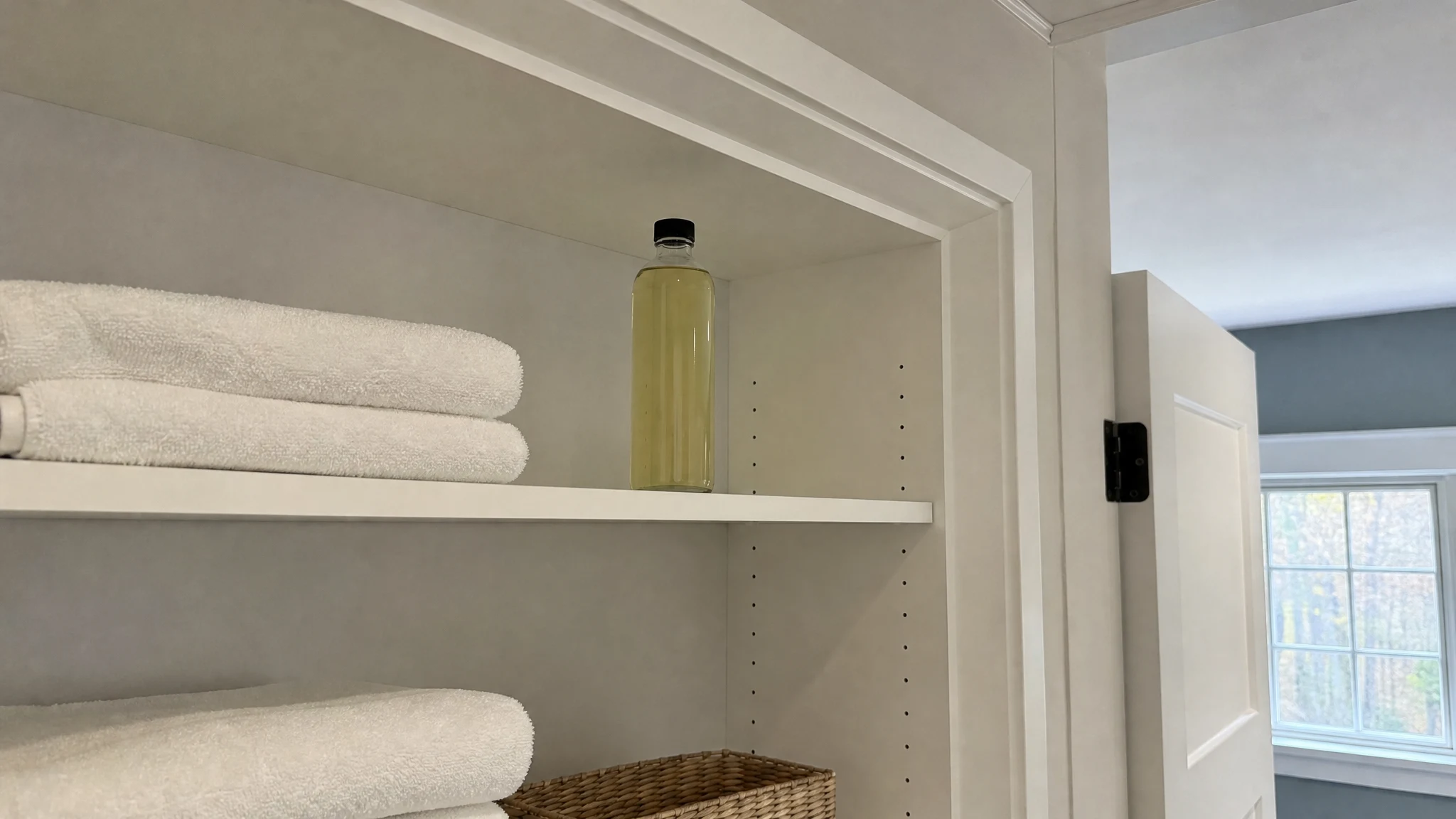
How to Store Melissa Oil So It Stays Fresh
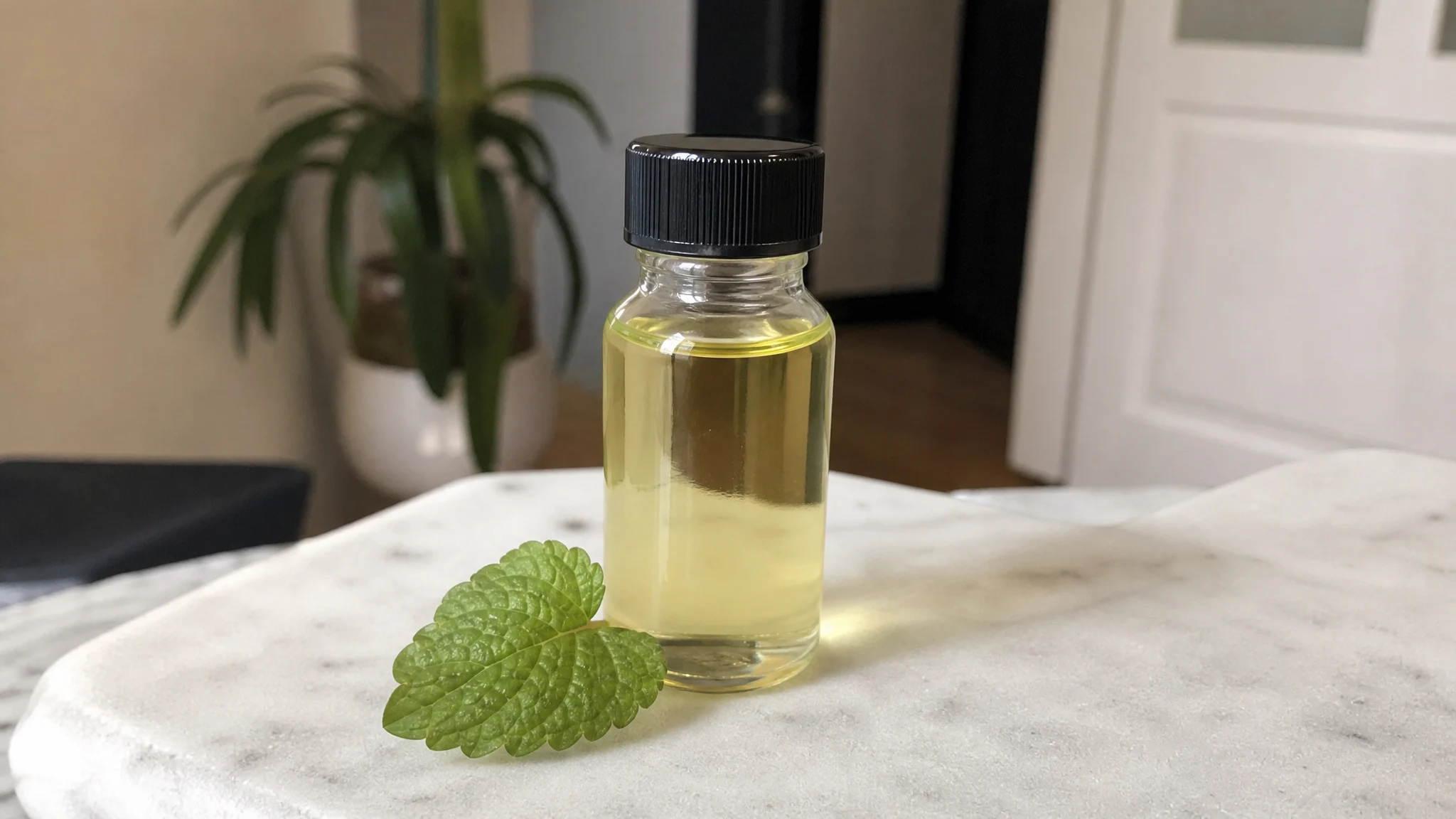
A bottle of melissa oil is easy to look after once you know what it dislikes: heat, light, moisture and, most of all, air. Get those four right and the bright, lemony top note stays vivid for as long as the bottle lasts. The routine is short, and the reasoning behind it is worth knowing, especially if you have bought a larger size.
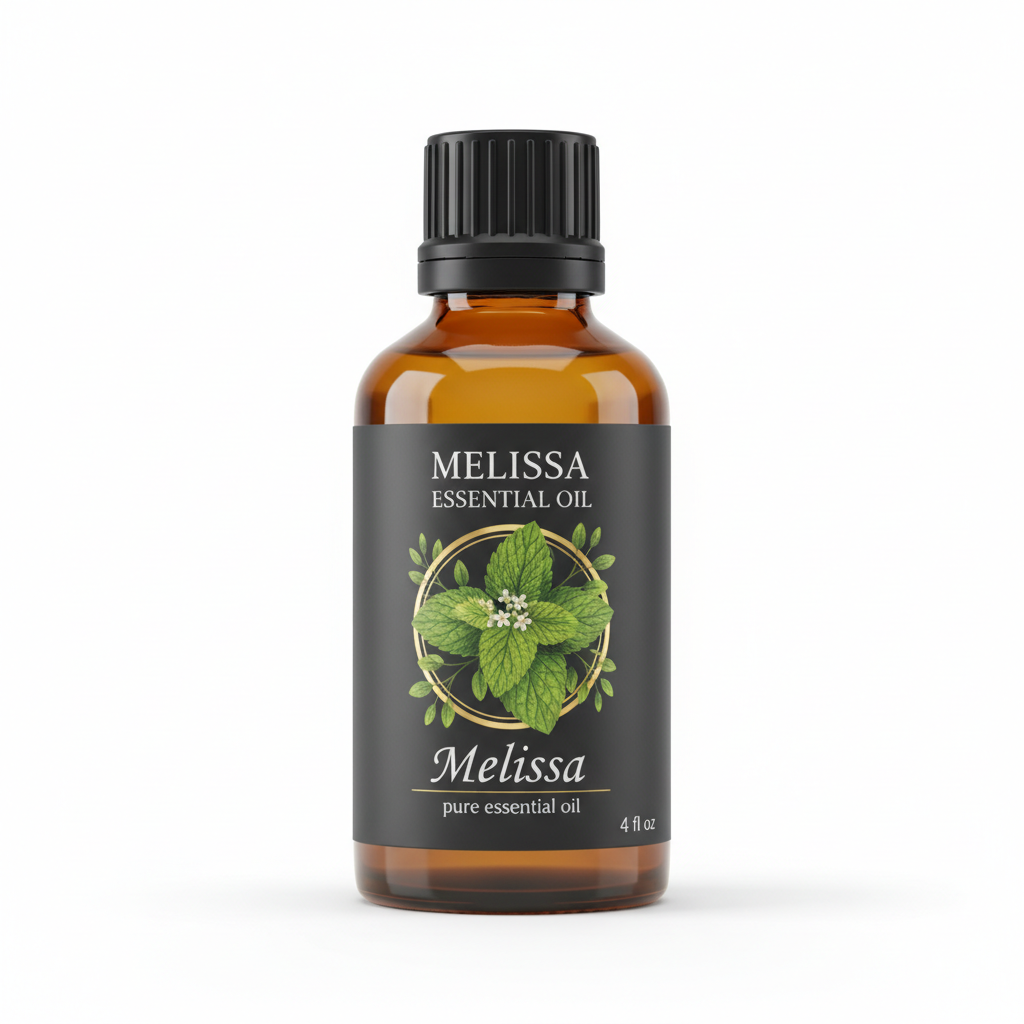
Melissa Essential Oil
Our own Melissa Essential Oil, in sizes from 0.5 oz to bulk.
From $23.99
Shop Now →What ages an oil
The Tisserand Institute explains oxidation clearly in Is my bottle of essential oil oxidized or no longer good to use?. It names three accelerators, heat, light and moisture, and adds that the more air there is in the bottle, the faster the oil will oxidize. Its shelf-life guidance is deliberately modest: most essential oils keep well for at least one to two years, with plenty of variation, and oils used within about 6 to 12 months of purchase are mostly not a worry. Refrigeration, it says, will about double the useful life. That fits our own guidance for melissa, which is to keep it tightly capped in a cool, dark place, where it typically keeps for 1 to 2 years.
Nobody has published a melissa-specific shelf life that we could find, and the closest evidence involves a different plant. A 2026 study in ACS Omega put lemongrass oil, which shares melissa's citral aldehydes, through 48 hours at 70 C or under UV light. The lighter hydrocarbon myrcene dropped by more than half in both cases while the citral share rose. These were extreme conditions on a different oil, so we read them only as support for the ordinary rule: heat and light change a citral-rich oil quickly, and a cool, dark cupboard is the kindest place for it.
The overlooked one: air
Here is the practical insight. Every time you open a bottle, some of the air inside swaps for fresh room air, and the oil meets more oxygen. A large bottle with a small amount of oil left in it holds mostly air. Imagine a 16 oz container with one ounce left: that is about fifteen ounces of oxygen-bearing air above the oil. Pour that last ounce into a small clean bottle that it nearly fills, and most of the problem disappears. This decanting advice is our inference from the Tisserand point about air, and it matches how we suggest handling larger sizes: keep a sealed container sealed and fill a small working bottle from it instead of repeatedly opening the drum.
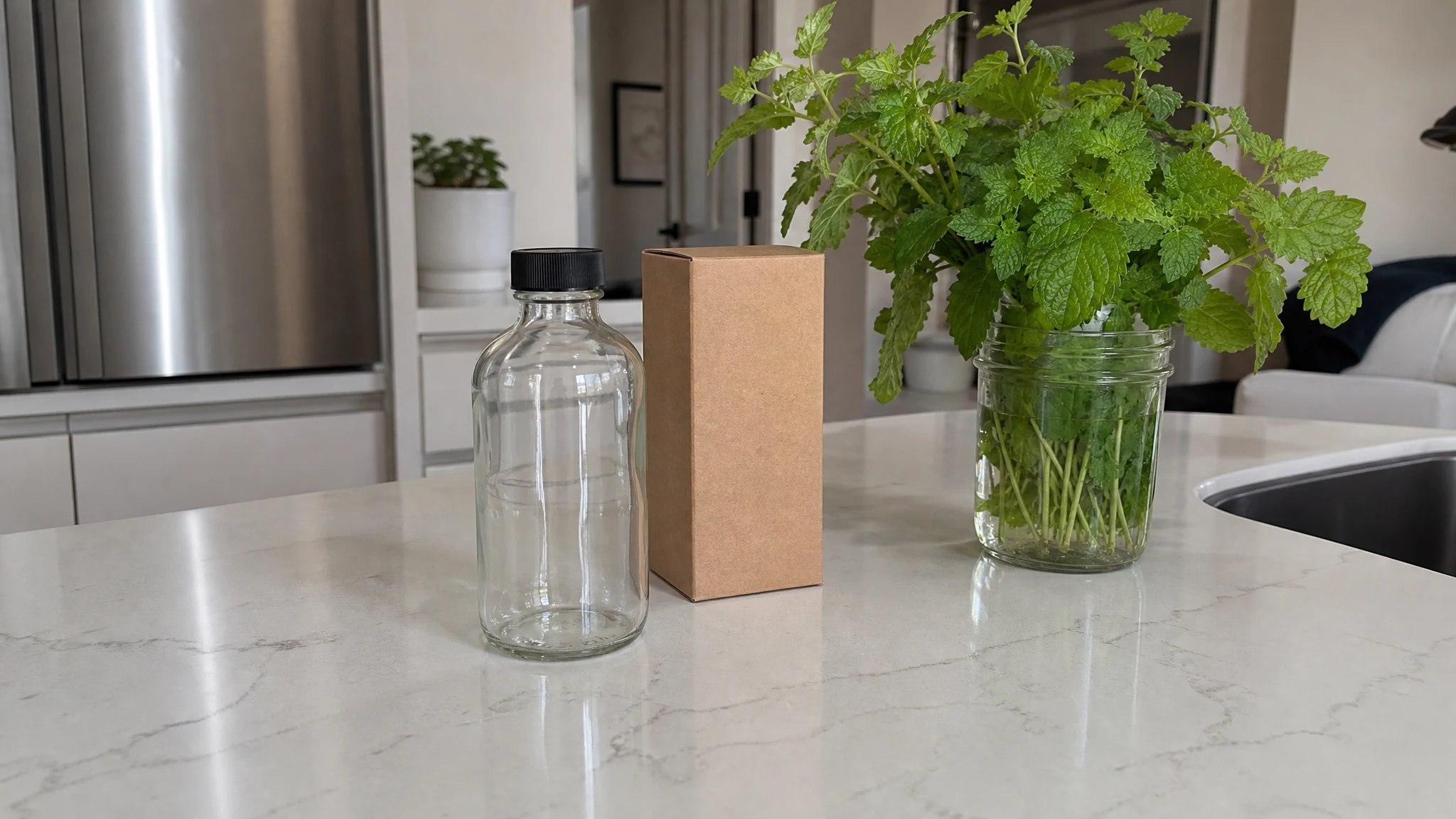
One condition matters. Moisture is also on Tisserand's list, so the small bottle has to be clean, dry and airtight, with amber or other dark glass. We do not sell empty bottles or droppers, so you will find those at a craft shop or pharmacy.
A simple routine
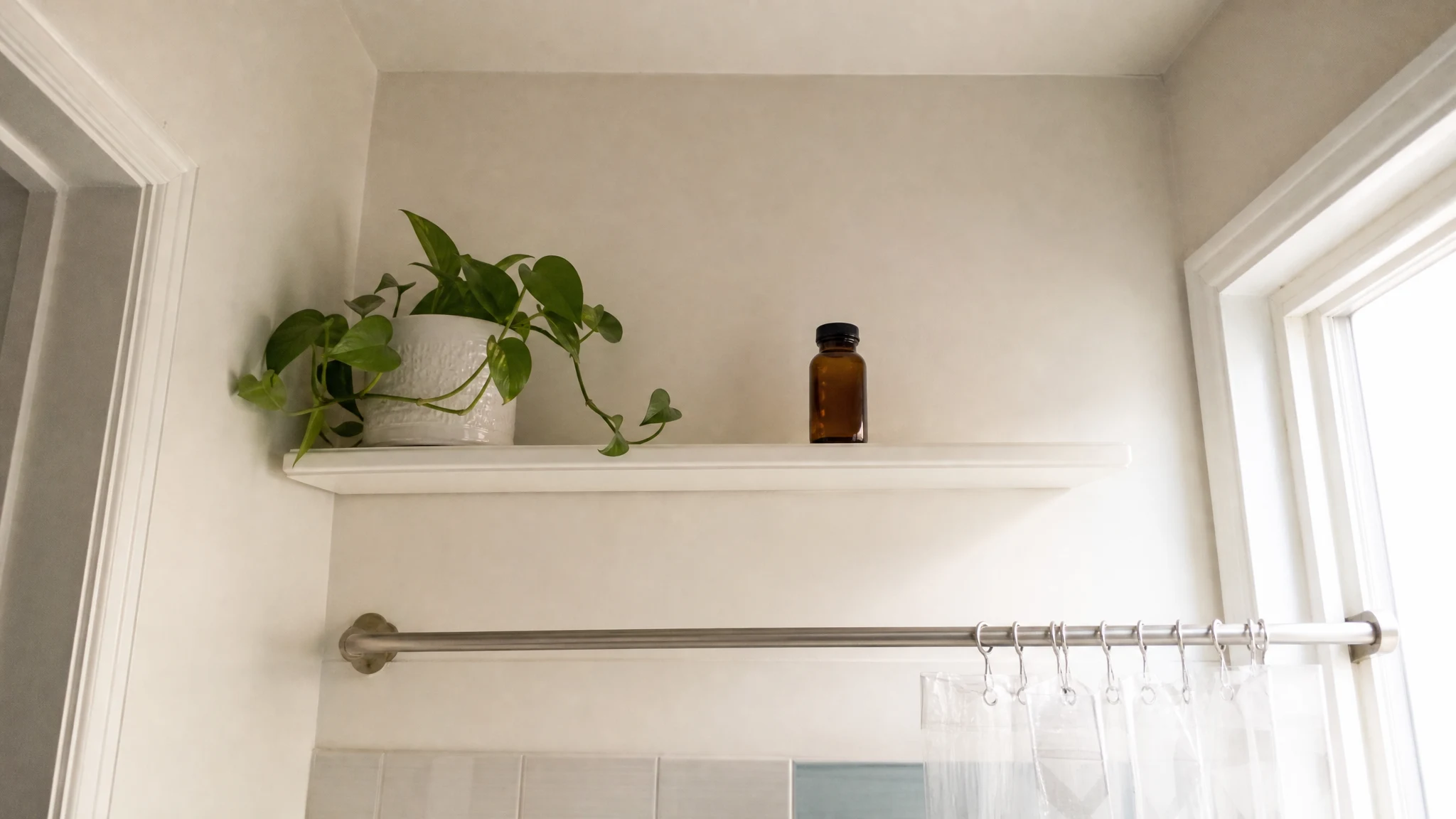
- Everyday. Keep it in a cool, dark cupboard, away from windowsills, radiators and warm diffusers, and cap it tightly after every use.
- Half empty or less. Move the oil to a smaller, dry, airtight glass bottle so it fills the neck.
- Making it last. Refrigerating can roughly double its useful life. Let the bottle come to room temperature before you open it, so that moisture from the room does not condense on cold glass (that last step is our reasoning rather than a quoted rule).
- Large sizes. Keep the large container sealed and fill a small working bottle from it. If you are weighing up a 5, 25 or 400 lb order, a sample bottle first lets you judge how quickly you will use it; our wholesale page describes samples, and our bulk page lists the larger sizes.
- Dating. Write the opening date on the bottle. Tisserand recommends recording when you bought or opened it.
Amber glass limits light but not air, so the headspace advice still applies even with a dark bottle.
Where in the house?
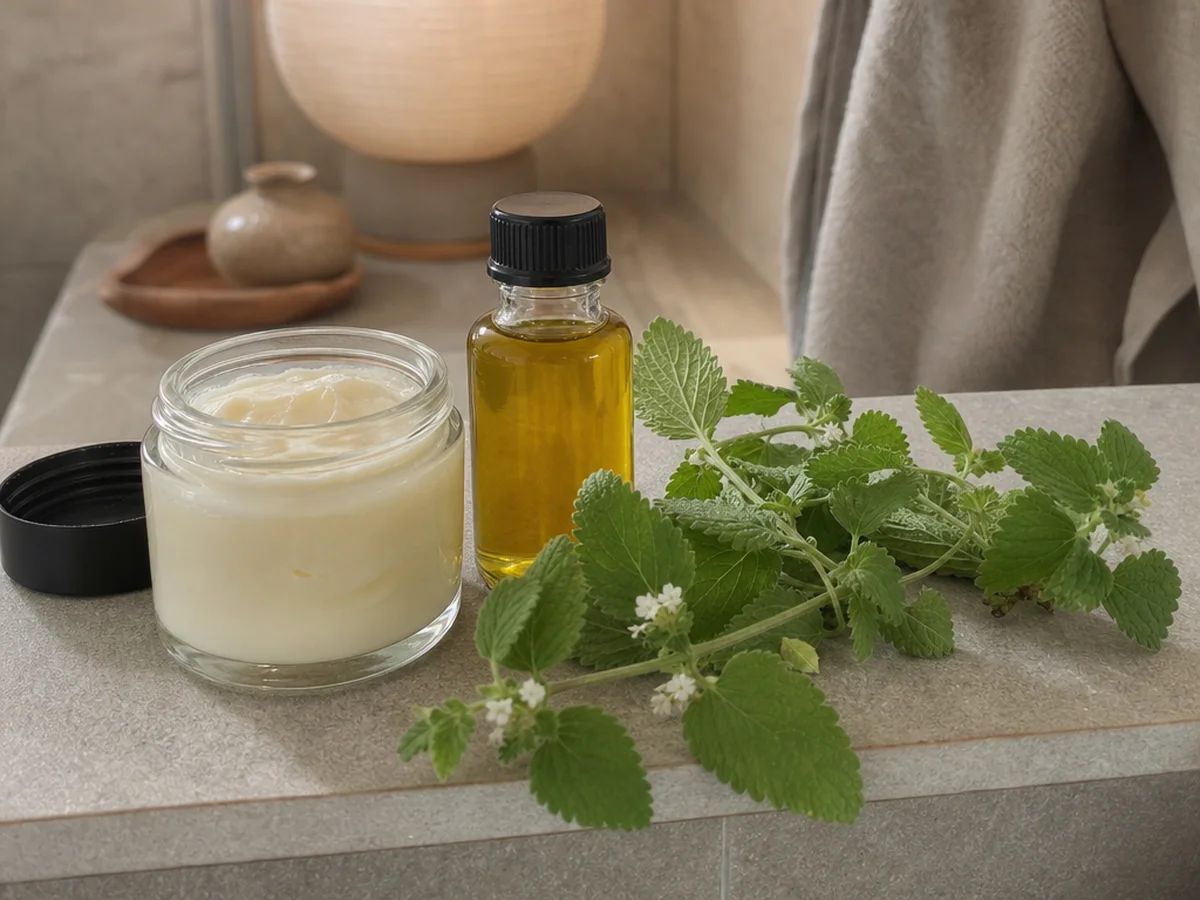
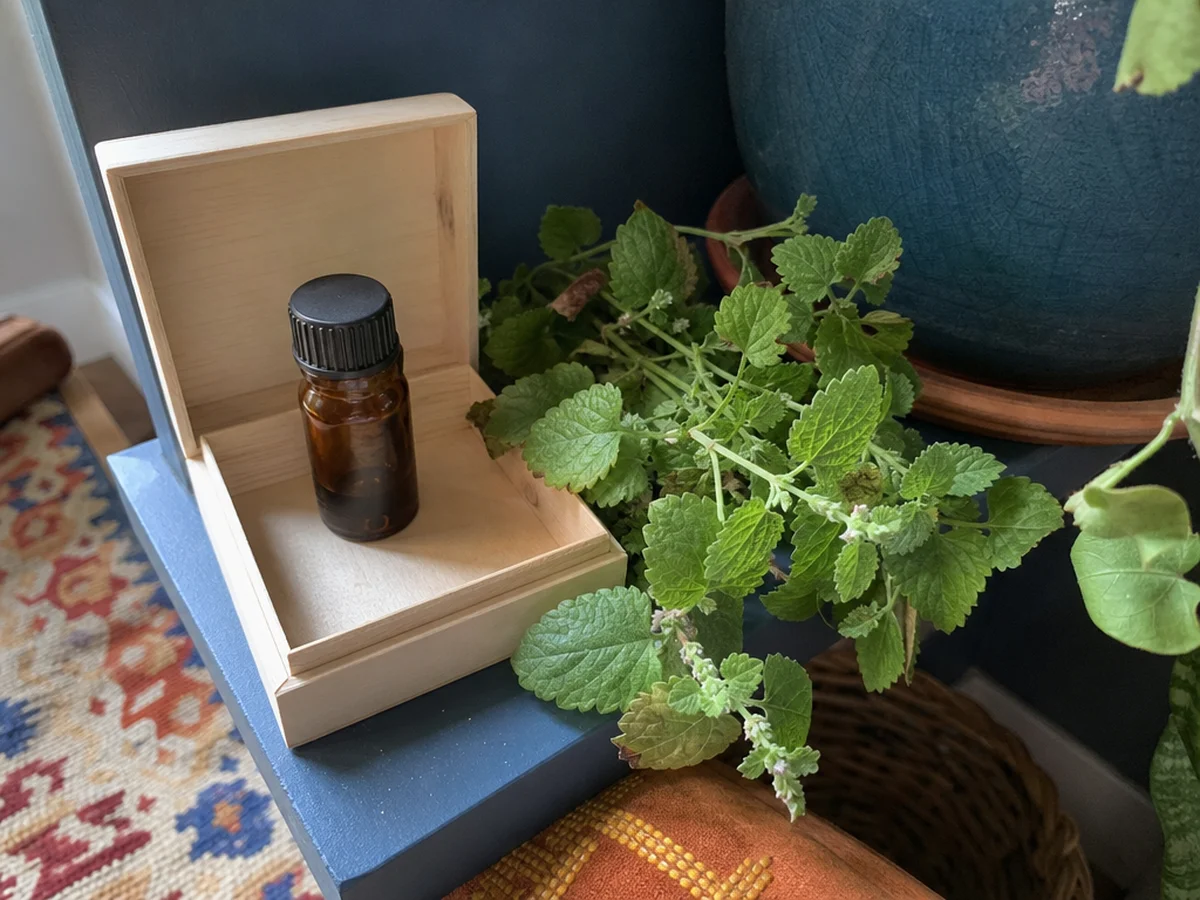
We get asked about the best spot, and our answer is boringly practical: choose a place you can reach easily but that is not warm or bright. A closed drawer or a cupboard away from the stove works well. Bathrooms are tempting, but they swing between warm and damp, which is exactly what the bottle dislikes. Kitchen windowsills look pretty and are the worst of both worlds, with sun and heat. If you keep a small box for your oils, line it with a cloth so bottles do not rattle, and keep it somewhere cool.
It also helps to open the bottle for as short a time as you can. Have your dropper, your scale or your jar ready first, then open, measure and cap straight away.
Is an older bottle still good?
Tisserand's signs are easy to use. The smell changes and loses its freshness, which is easiest to judge by comparing against a newer bottle, and very old oils can thicken. The page also says oxidation products can raise the chance of skin reactions. Our position follows: an oil that smells flat or off belongs in the diffuser at most, not in anything that goes on skin. Skin use is where the dose matters most anyway. We dilute melissa to 0.5% to 2% in a carrier, starting at the low end, and IFRA's standard for melissa oil sets a lower sensitization-based limit of 0.15% in body creams, oils and lotions. Our skin guide compares the numbers, and our diffuser guide covers the gentler use. For disposal, follow your local household-waste rules.
If you make products with melissa, remember that the finished product has its own stability to think about; our guide to scaling a melissa formula and the documentation checklist are good next reads. For any question about a particular bottle, write to us through the contact page.
Cool, dark, capped and full: that is nearly the whole secret, and it costs nothing.
Melissa Essential Oil
Melissa Essential Oil from our own shop, in sizes from 0.5 oz to bulk.
From $23.99
Shop Now →Sources & Further Reading
- Tisserand Institute. Is my bottle of essential oil oxidized or no longer good to use? tisserandinstitute.org
- Brexo RP et al., 2026. Can Temperature and UV Exposure Alter the Antimicrobial Properties of the Essential Oils? An Investigation of Origanum vulgare, Cymbopogon citratus, Syzygium aromaticum, and Lippia sidoides. ACS Omega. PMC13629405
- IFRA Standards, 51st Amendment: Melissa oil (genuine Melissa officinalis L.), Amendment 49. ifrafragrance.org