How to Grow Lemon Balm: Sun, Spacing and Harvest
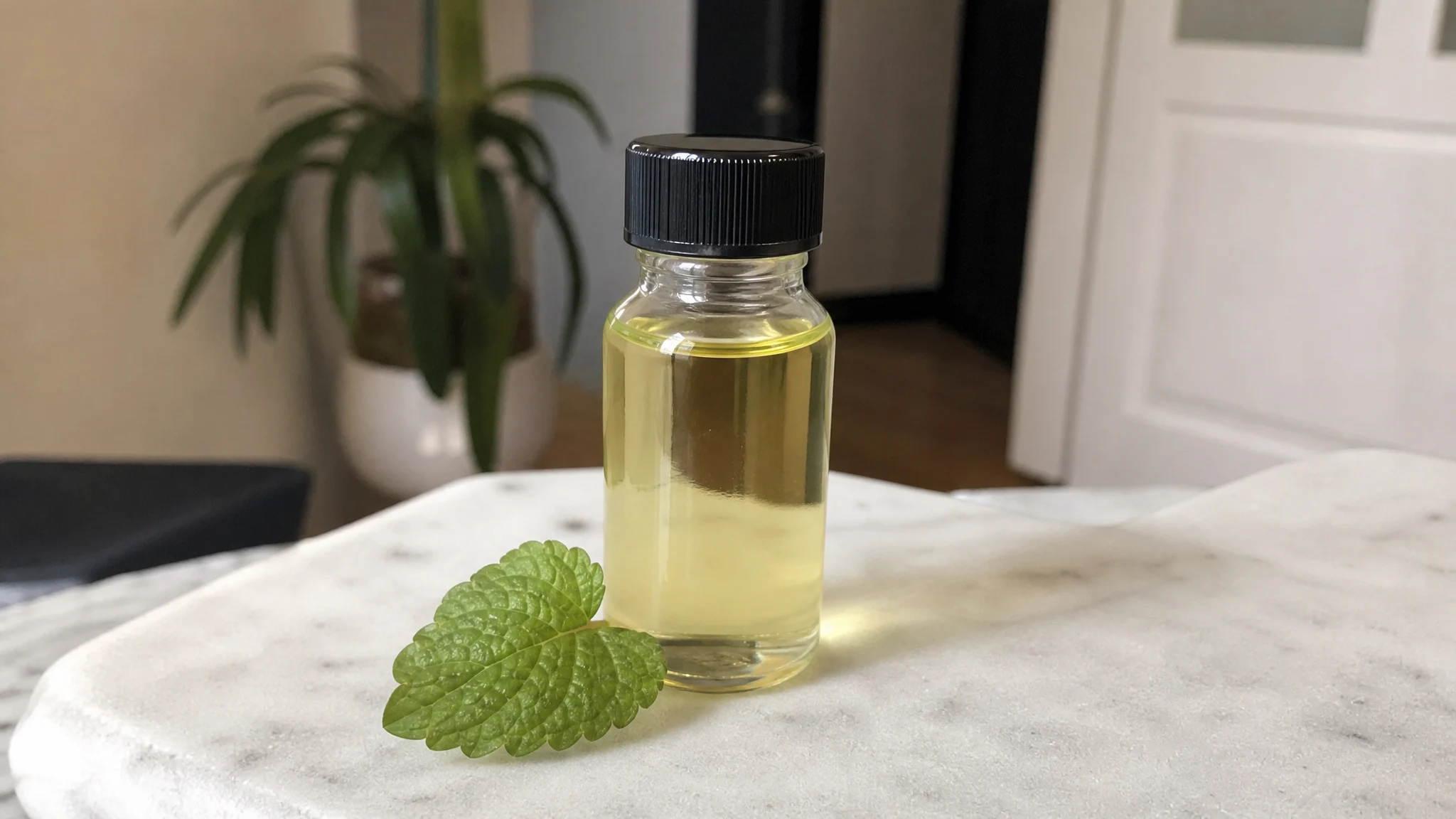
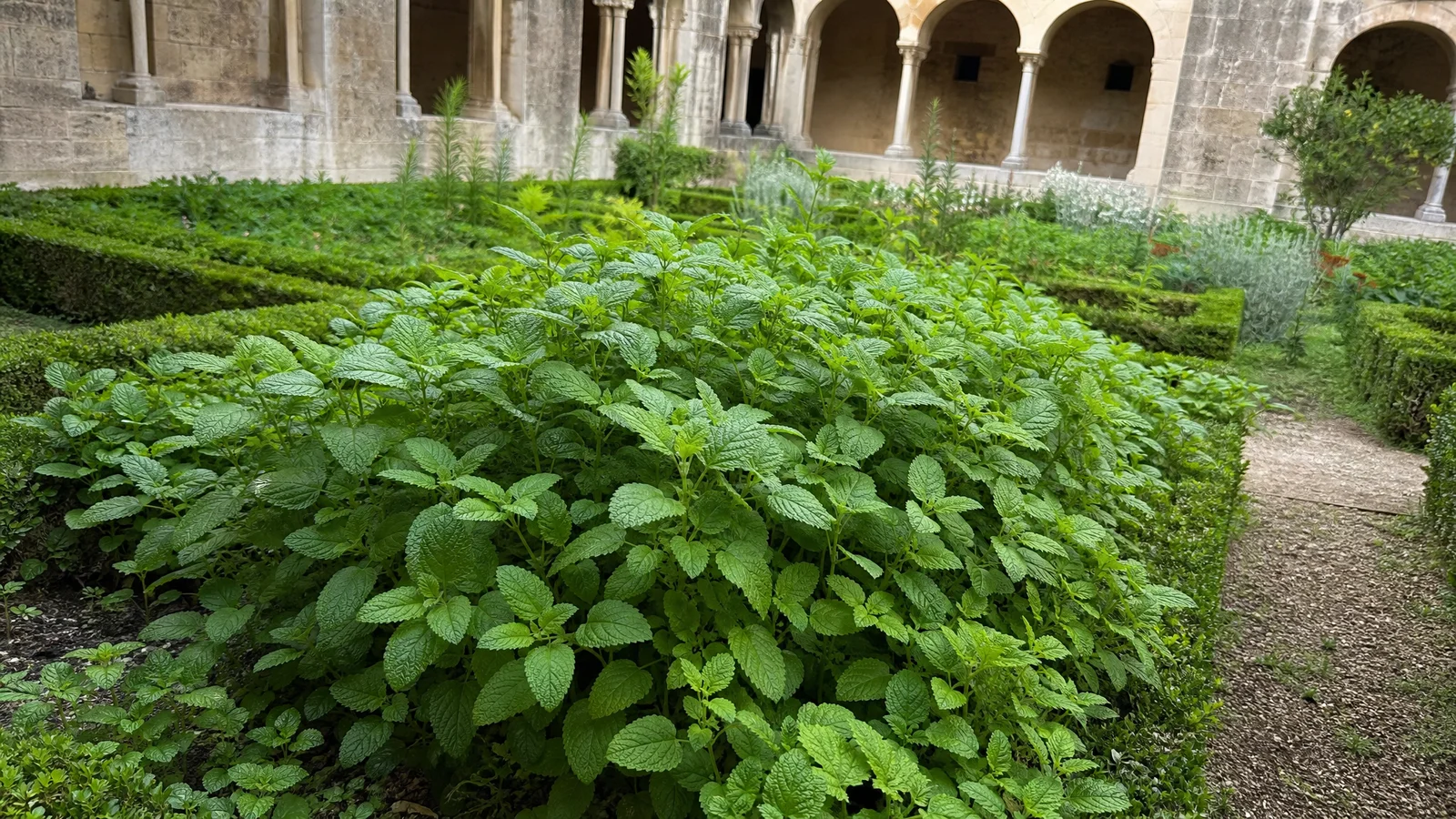
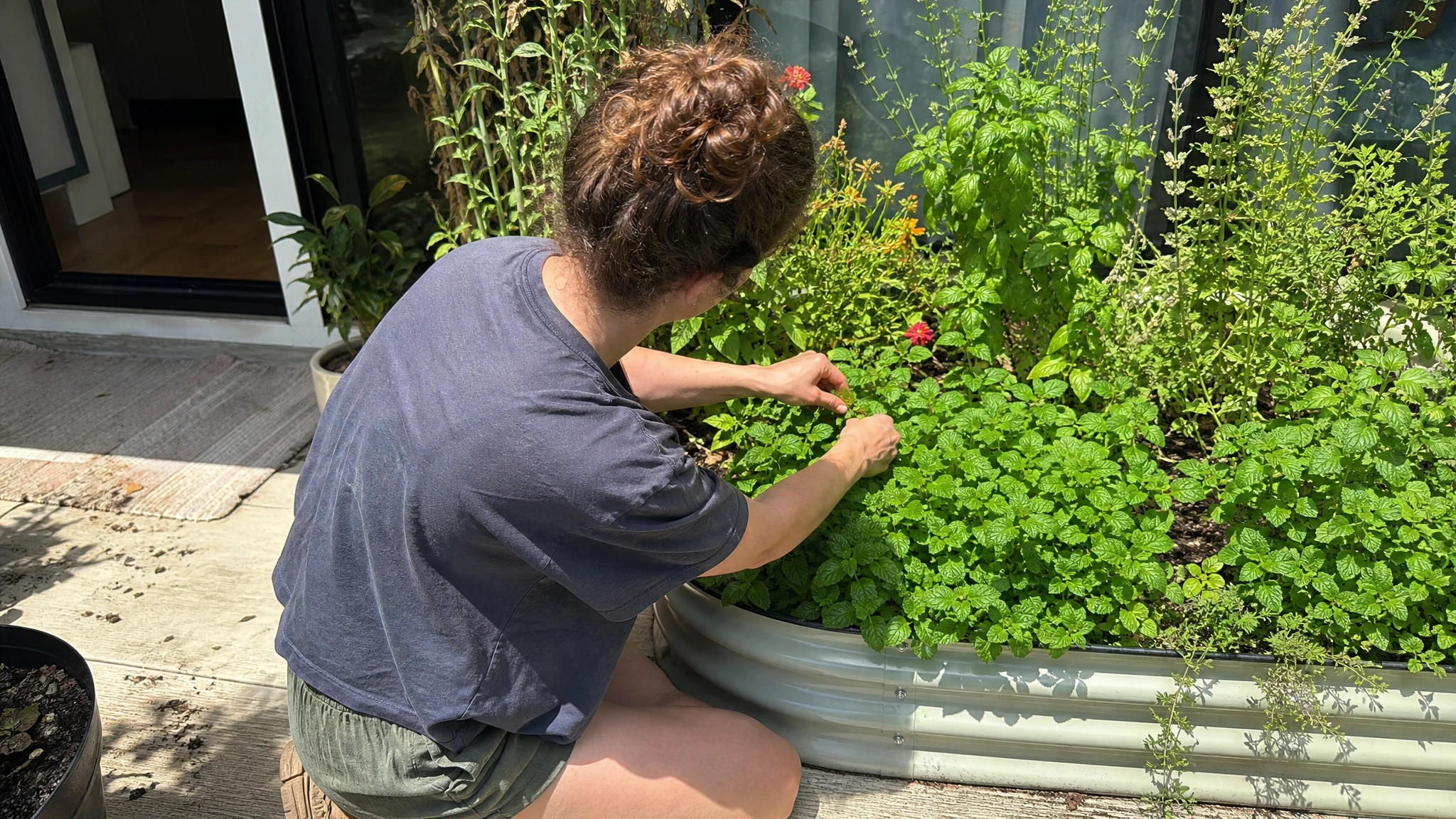
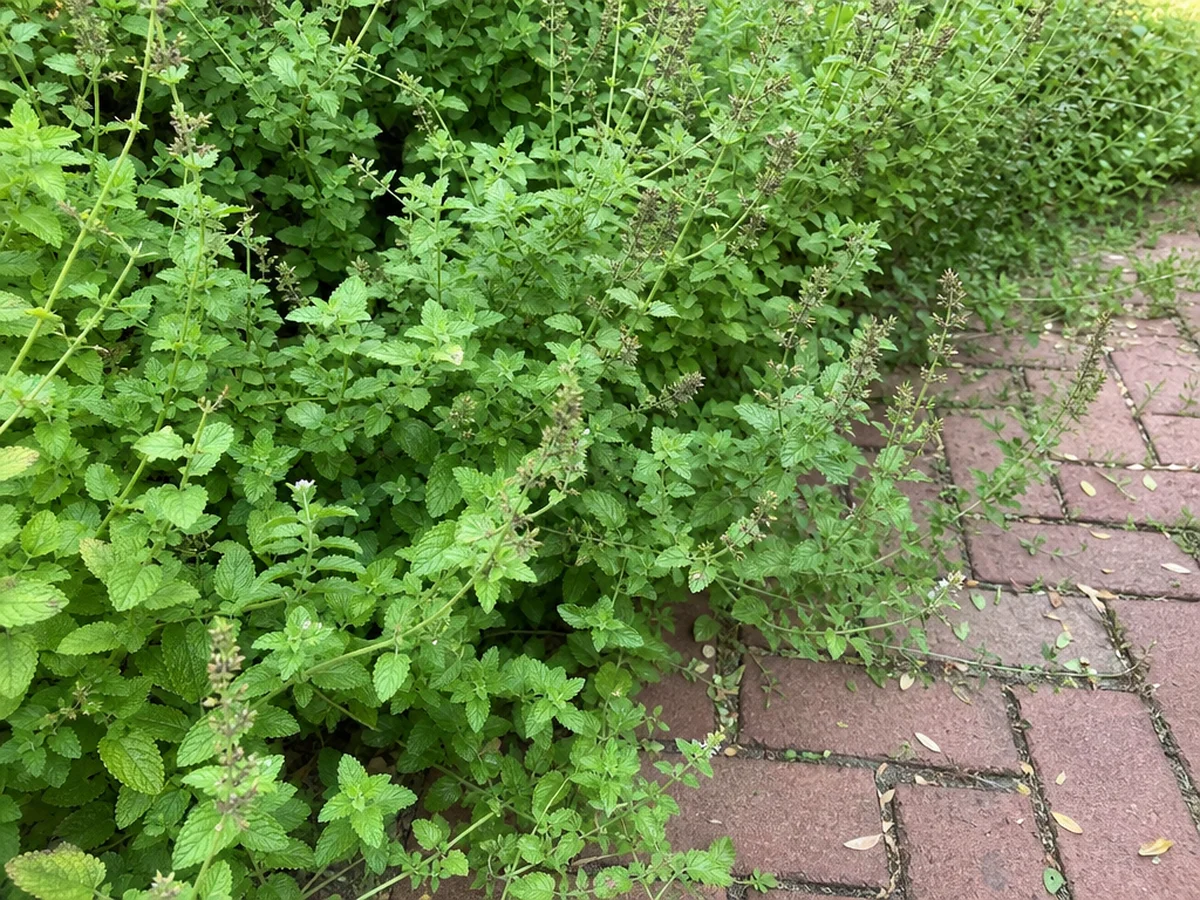
Brush past a clump of lemon balm in July and the whole corner of the garden smells of lemon. It is one of the easiest herbs to grow, a magnet for bees, and a plant that rewards a gardener with armfuls of fragrant leaves. It is also the same species our Melissa Essential Oil comes from, and the comparison between the two is part of the fun.
Melissa Essential Oil
Our own Melissa Essential Oil, in sizes from 0.5 oz to bulk.
From $23.99
Shop Now →Setting up the bed
Susan Mahr's page for the University of Wisconsin-Madison Division of Extension, Lemon Balm, Melissa officinalis, is our guide here. Lemon balm is a hardy perennial in zones 3a to 9b, and where winters are harder it can be grown as an annual. It likes full sun and fertile, well-drained soil, grows about two feet tall and forms large clumps quickly. Space plants 16 to 18 inches apart.
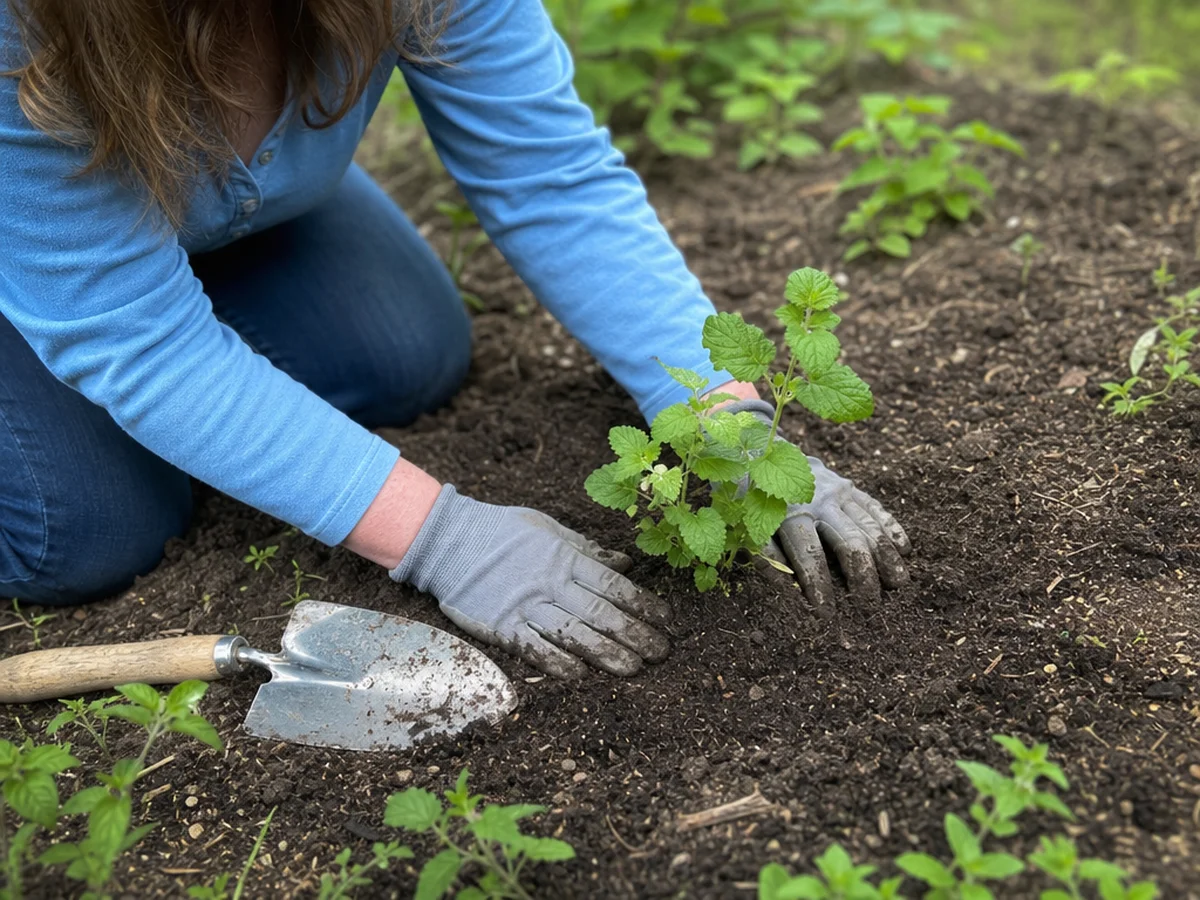
- From seed. Sow indoors four to six weeks before your last spring frost (the seed can be slow to germinate) and transplant at two to three inches tall. Sowing outdoors in fall or late spring also works.
- From a friend's clump. Divide old clumps in spring or early fall, or take cuttings.
- Keeping it going. Plants generally decline after three to four seasons, so divide or replace them then.
- Few worries. Powdery mildew now and then, and deer and rabbits rarely, if ever, eat it.
One piece of advice is worth repeating. Lemon balm can reseed somewhat aggressively, so deadhead after flowering if you do not want seedlings turning up in the next bed. Cutting it back hard after flowering also brings a fresh flush of leaves, which is a nice habit to get into.
Where we would put it
If you only plant one clump, put it where you will brush past it. A spot beside a path, a doorway or the corner of a seat means the leaves get touched, and a touched leaf is what releases that lemon smell. A bright, sunny edge of a bed suits the plant, and since it forms big clumps and can reseed, give it a bit of elbow room from the delicate things. In a small yard, a large pot is a handy way to keep it within bounds, and you can set the pot right by the back door.
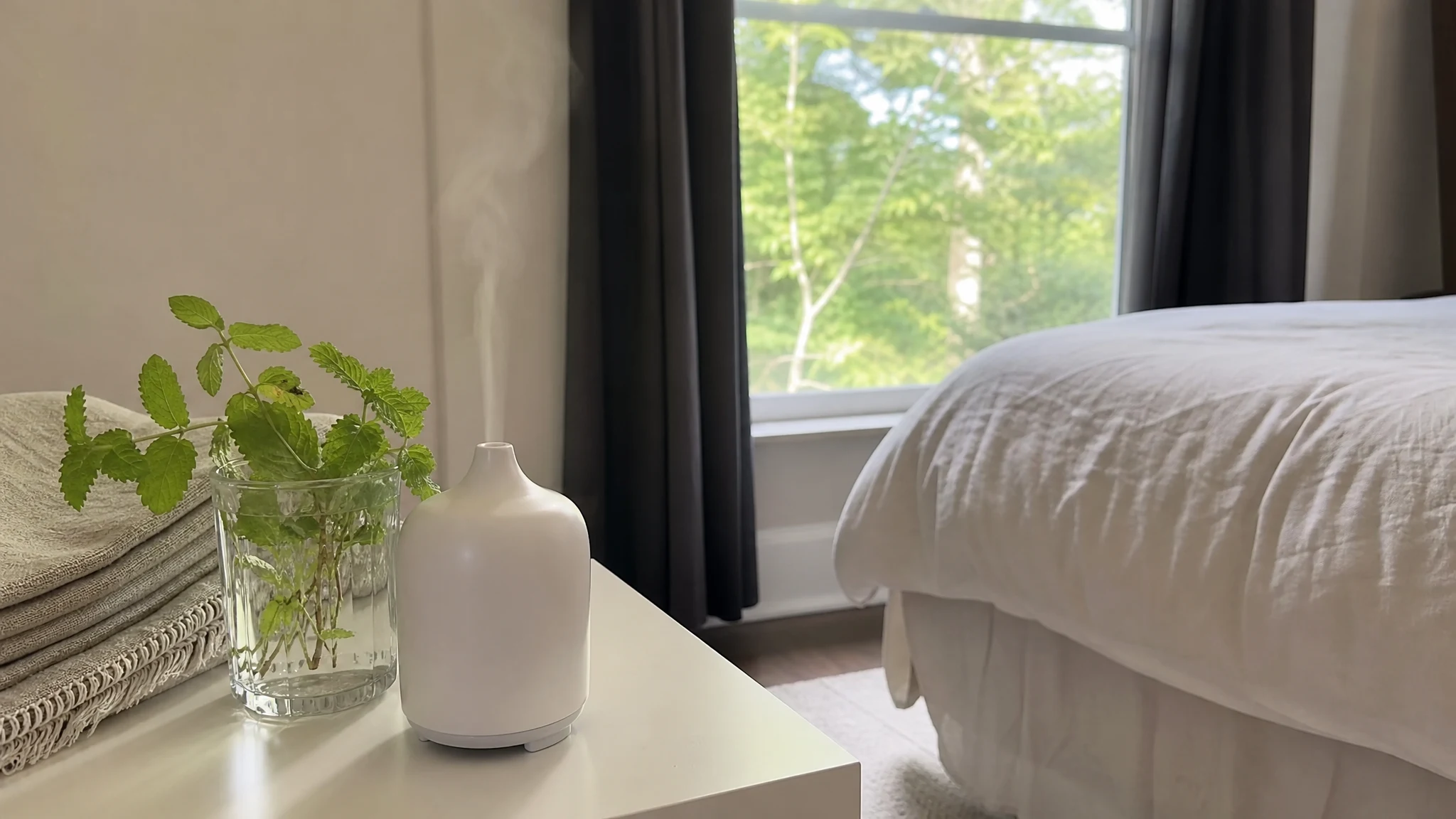
Keep a pair of scissors nearby, too. Snip a few stems whenever you pass and drop them in a jar of water on the windowsill. The kitchen smells wonderful, and a jar of lemon balm is a lovely thing to hand to a neighbour.
Cutting, drying and keeping the scent
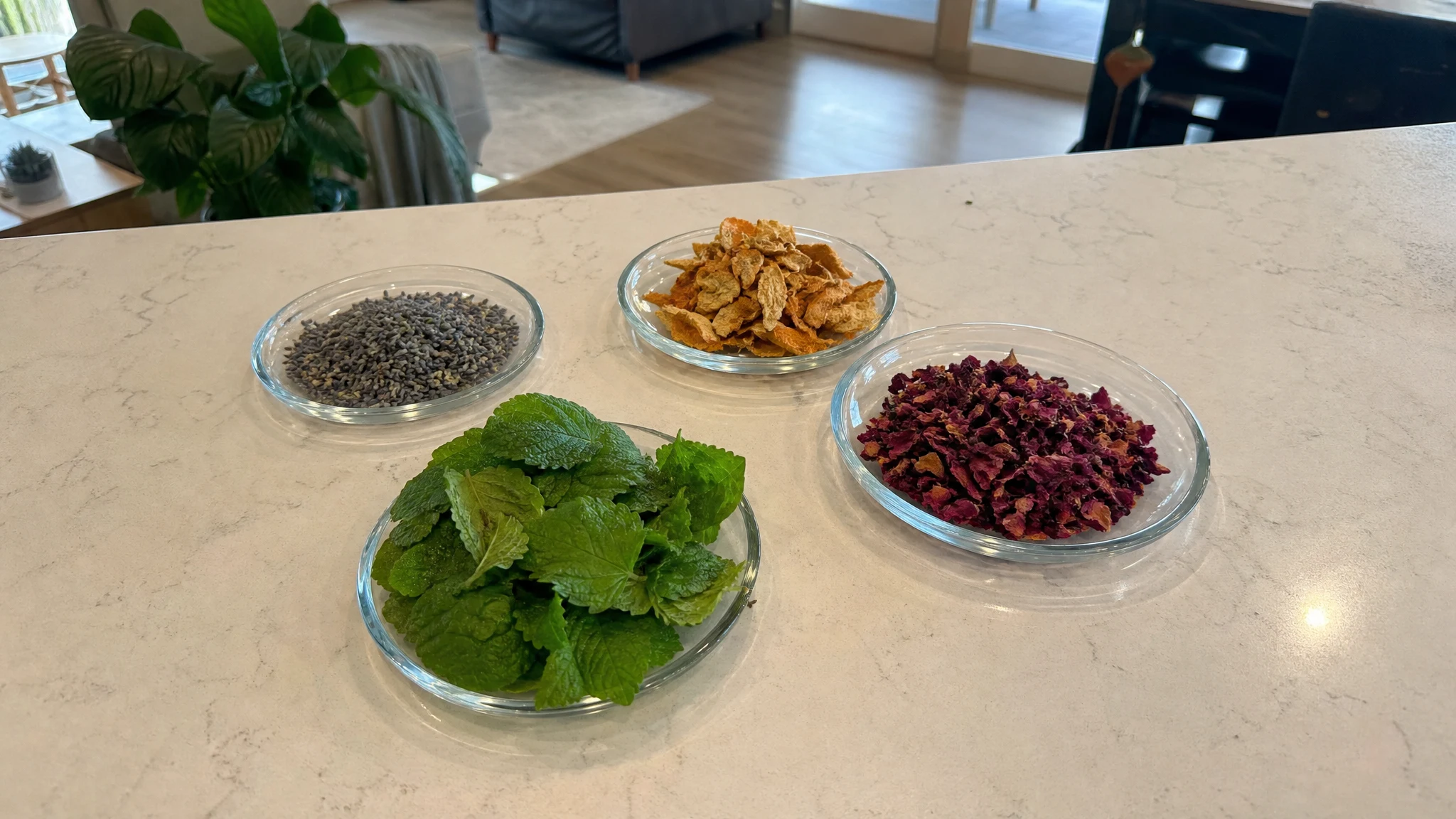
In the first year, cut several inches of top growth at flowering. Established plants can take two or three cuttings a season. Fresh leaves are the star: the extension page describes them as having a fragrant lemony odor, and notes that dried leaves lose much of their aroma. If you do dry them, spread cut stems on screens in a dark, airy room, strip the leaves once they are dry and keep them in closed containers.
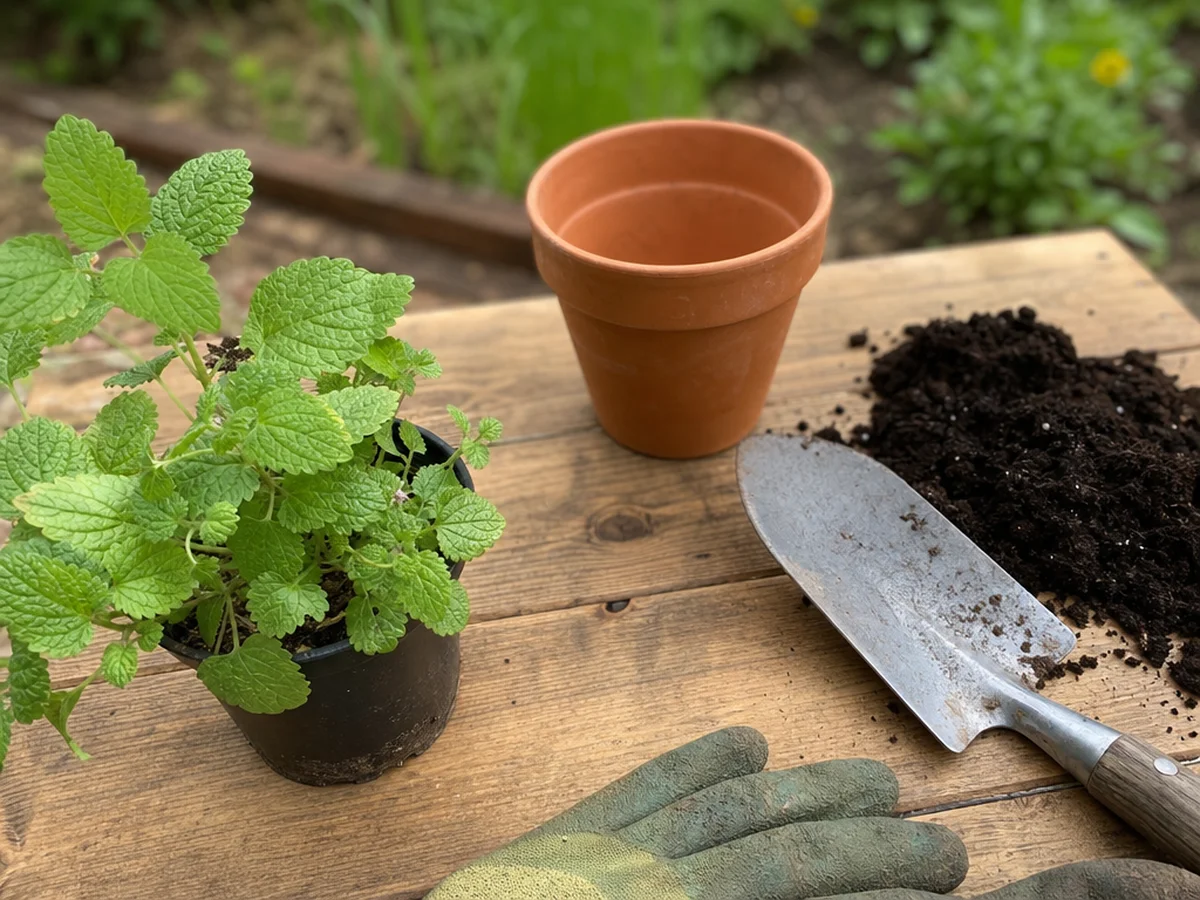
It pays to buy by name. The page mentions that the cultivar 'Lime' has a distinct lime aroma instead of lemon, and that 'Lemona' was developed for commercial leaf and essential oil production. If the lemon scent is what you are after, rub a leaf at the nursery before you buy.
Why the garden and the bottle are different things
It is tempting to think a big, healthy clump could make a bottle of oil. Here is the arithmetic. The Petrisor review reports oil contents in lemon balm between 0.01% and 0.72%, with one study at 0.17%. Treat 0.17% as an example: a kilogram of herb holds about 1.7 g of oil, and at the 0.888 relative density on the Certificate of Analysis we publish for one batch, that is about 1.9 ml, roughly 38 drops at 20 drops to the millilitre. At the low end of the range it is closer to two drops. That is before any losses in a still, and we have no home distilling instructions we would stand behind. This is why we love the plant for its leaves and treat the oil as a different, precious product. Our guide to how melissa oil is made does the sums in more depth.
It also means the garden gives you something the bottle cannot, and the reverse is true as well. A crushed fresh leaf next to a drop of melissa oil on a tissue is a lovely way to learn what a distillate keeps and what it leaves behind. We describe our oil as delicate, lemony and herbal, with a bright citrus lift over a soft green heart. As a scent comparison it is a pleasure. It is not a test of whether an oil is genuine: for that, you need a gas chromatography report, which we discuss in our quality checks guide.
The plant is not the oil
The ASPCA lists lemon balm as non-toxic to dogs, cats and horses. That describes the plant in the garden. The concentrated oil is another matter: we dilute it to 0.5% to 2% in a carrier with a patch test, keep it away from eyes, children and pets, and note that IFRA's standard for melissa oil, 0.15% in body creams, oils and lotions, is lower still. Our skin guide compares the two numbers. If a pet has eaten plant material or been exposed to oil, call a veterinarian.
Likewise, a hydrosol is a different product from the oil (see melissa oil against hydrosol), and leaves steeped in a carrier oil are a third thing, covered in our infused oil comparison. We sell the essential oil only, so for plants, leaf or carriers you will be at a nursery, grocer or craft shop.
Plant a clump, enjoy the bees, and keep a tissue and a bottle handy for the comparison. The garden is a great teacher about what melissa smells like.
Melissa Essential Oil
Melissa Essential Oil from our own shop, in sizes from 0.5 oz to bulk.
From $23.99
Shop Now →Sources & Further Reading
- Mahr S, University of Wisconsin-Madison Division of Extension. Lemon Balm, Melissa officinalis (revised May 2026). hort.extension.wisc.edu
- Petrisor G et al., 2022. Melissa officinalis: Composition, Pharmacological Effects and Derived Release Systems-A Review. Int J Mol Sci. PMC8998931
- ASPCA. Toxic and Non-toxic Plants: Lemon Balm. aspca.org
- IFRA Standards, 51st Amendment: Melissa oil (genuine Melissa officinalis L.), Amendment 49. ifrafragrance.org