How Long Does a Bottle of Melissa Oil Last?
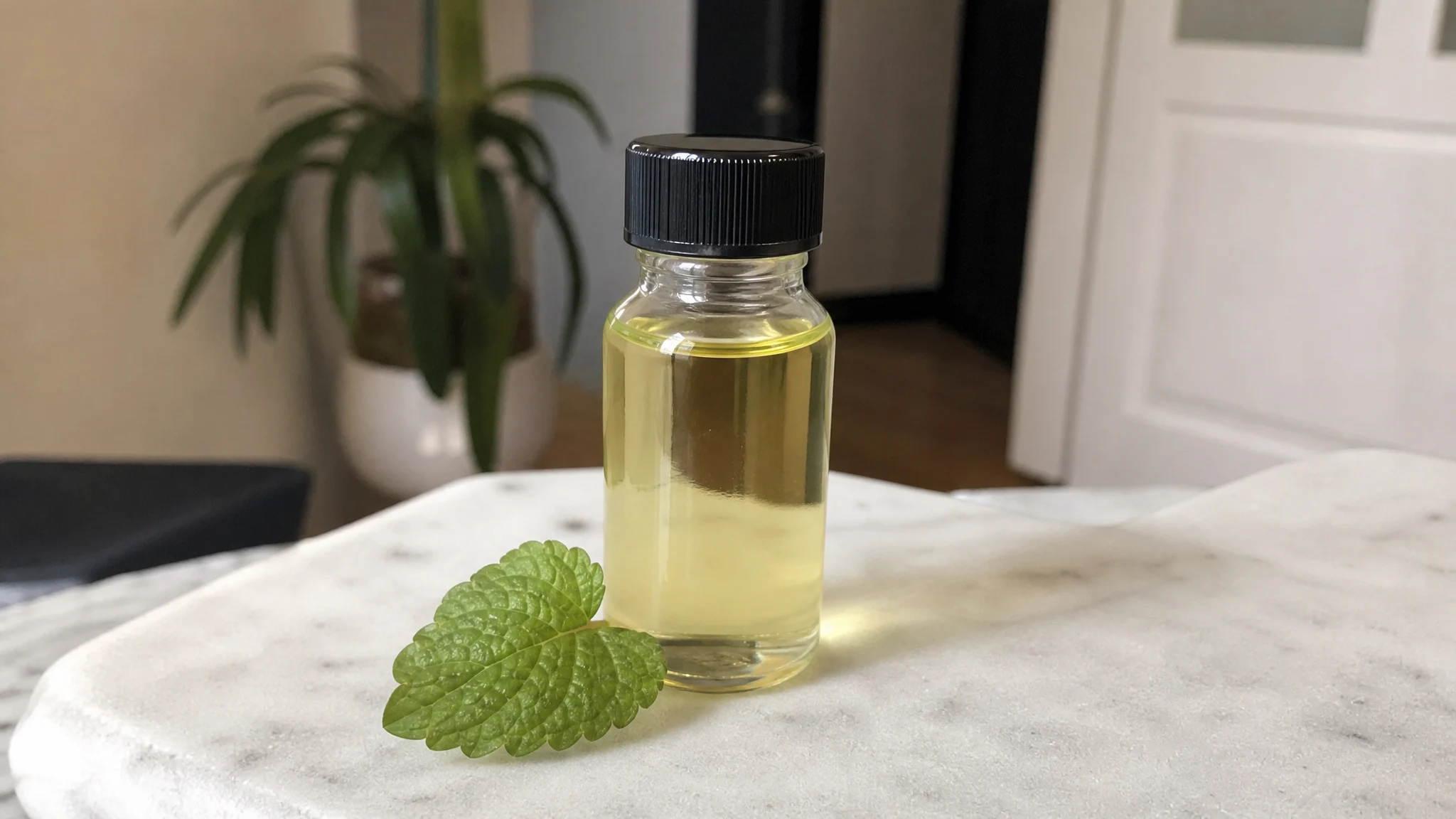
A half-ounce bottle of melissa oil holds roughly 300 drops, and most of the things you would do with it call for one or two at a time. That is the quiet pleasure of this oil: a small bottle is rarely a small supply. It just asks to be used a little differently from the lavender or lemon sitting beside it.
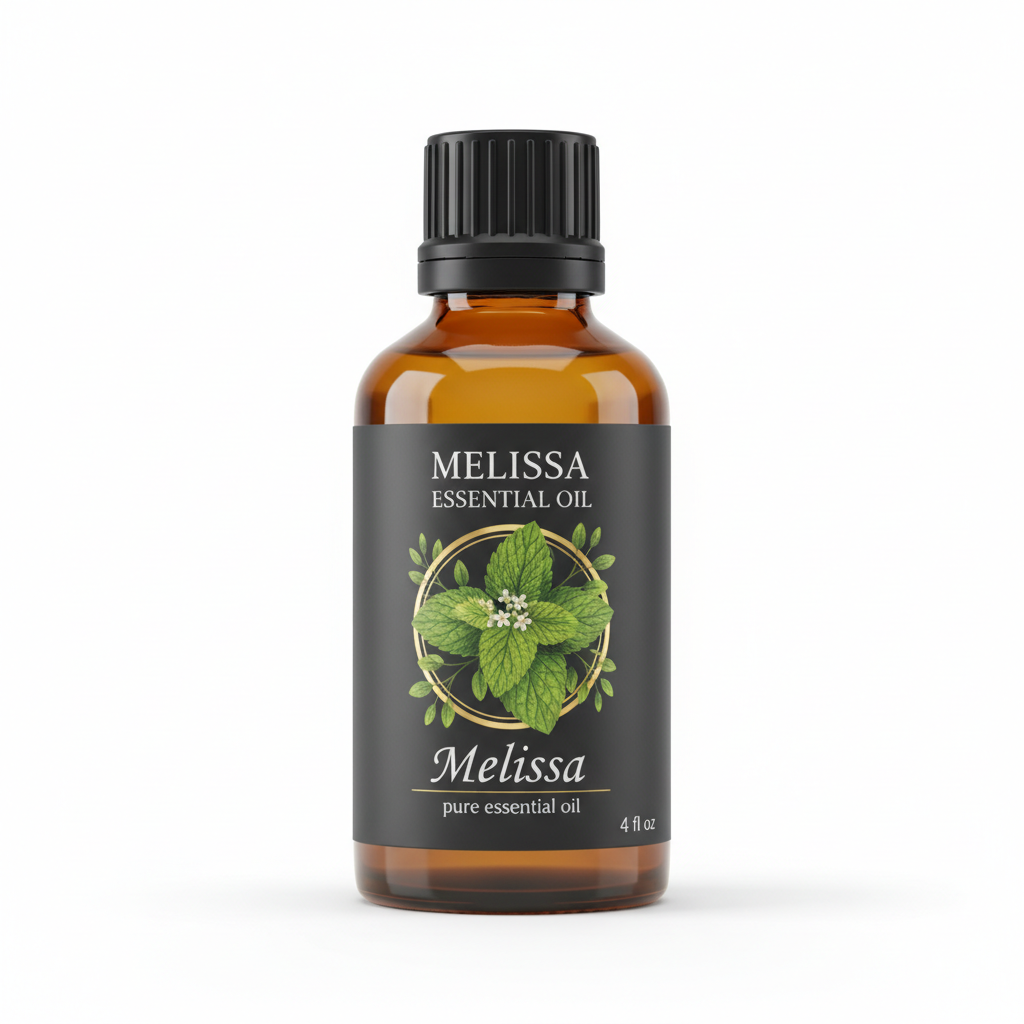
Melissa Essential Oil
Our own Melissa Essential Oil, in sizes from 0.5 oz to bulk.
From $23.99
Shop Now →Counting what is in the bottle
The Certificate of Analysis we publish for one batch gives a relative density of 0.888, which means a milliliter weighs about 0.888 grams. Do the arithmetic and a 0.5 oz bottle holds around 13 grams of oil. At the usual rule of thumb of about 20 drops to the milliliter, that is close to 300 drops, and a one-ounce bottle is close to 600. Droppers vary, so treat those as ballpark figures. If you want to be exact, a small kitchen or jewelry scale beats counting every time, and weighing ten drops and dividing is an easy way to get past a scale that cannot read a single one.
It also helps to know what one drop is: about 0.044 grams. Keep that number in your head and the rest of this page falls into place.
Why the doses are small by design
Melissa is rich in citral, the same family of molecules that gives lemongrass its sparkle, and that makes it a strongly scented oil. It is also the reason industry limits for it are low. IFRA, the fragrance industry's standards body, lists a specific standard for melissa oil, and for body creams, oils and lotions it allows 0.15% in the finished product (IFRA Standards library). Put into drops, that is about one drop in an ounce of carrier oil.
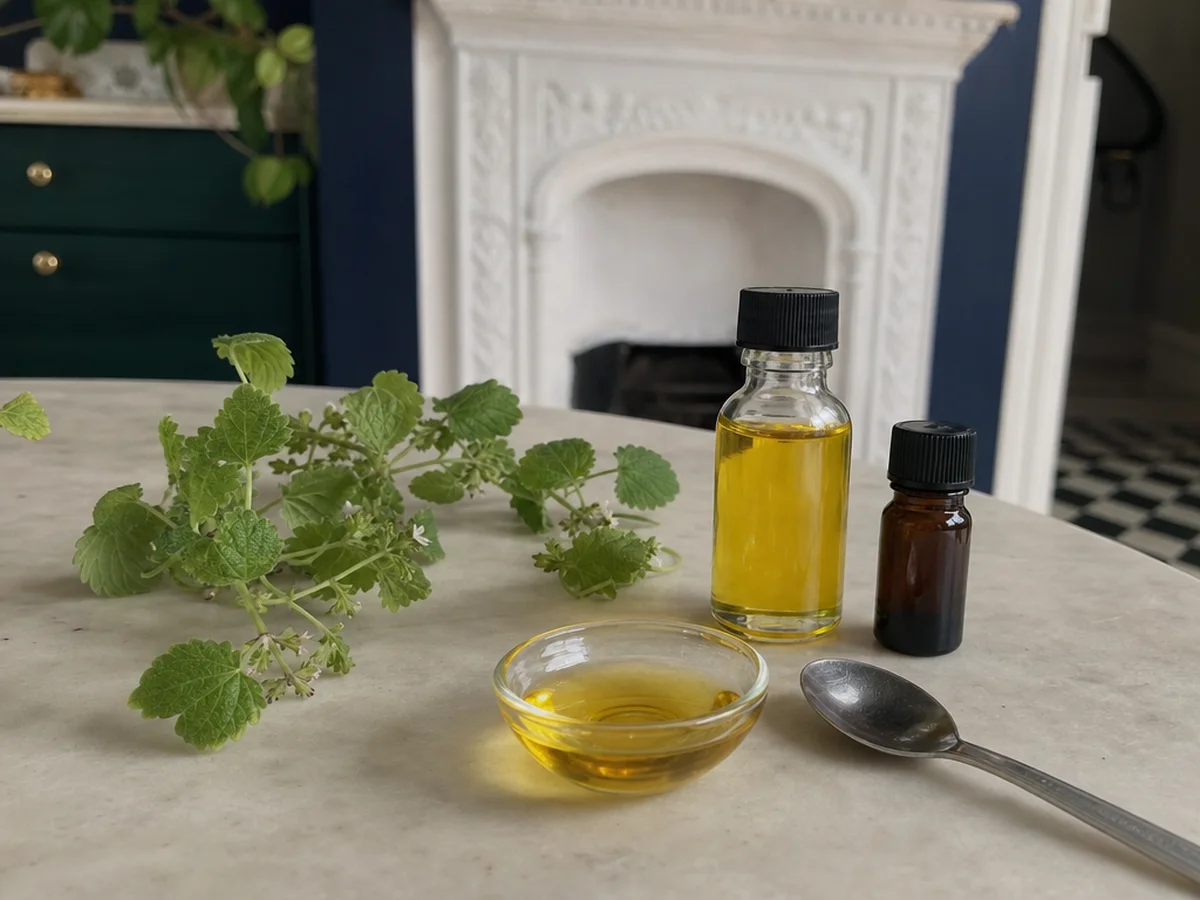
We recommend diluting our oil to 0.5% to 2% in a carrier for skin, which works out to roughly 3 to 12 drops per ounce, and we always suggest a patch test first. Because IFRA's figure for leave-on body products is lower than that, we start at the lower number in our own thinking: for anything that stays on skin, begin at or below the 0.15% line and treat the higher end of our range as a ceiling for rinse-off and similar uses, not a target. Our skin and citral article lays out both figures side by side.
The nice side effect is economic. At 0.15%, a 100 gram batch of body oil or lotion needs about 0.15 grams of melissa, so a half-ounce bottle covers something like eighty such batches. You can see the same arithmetic worked through for a base in our body butter formulation.
Where a few drops go
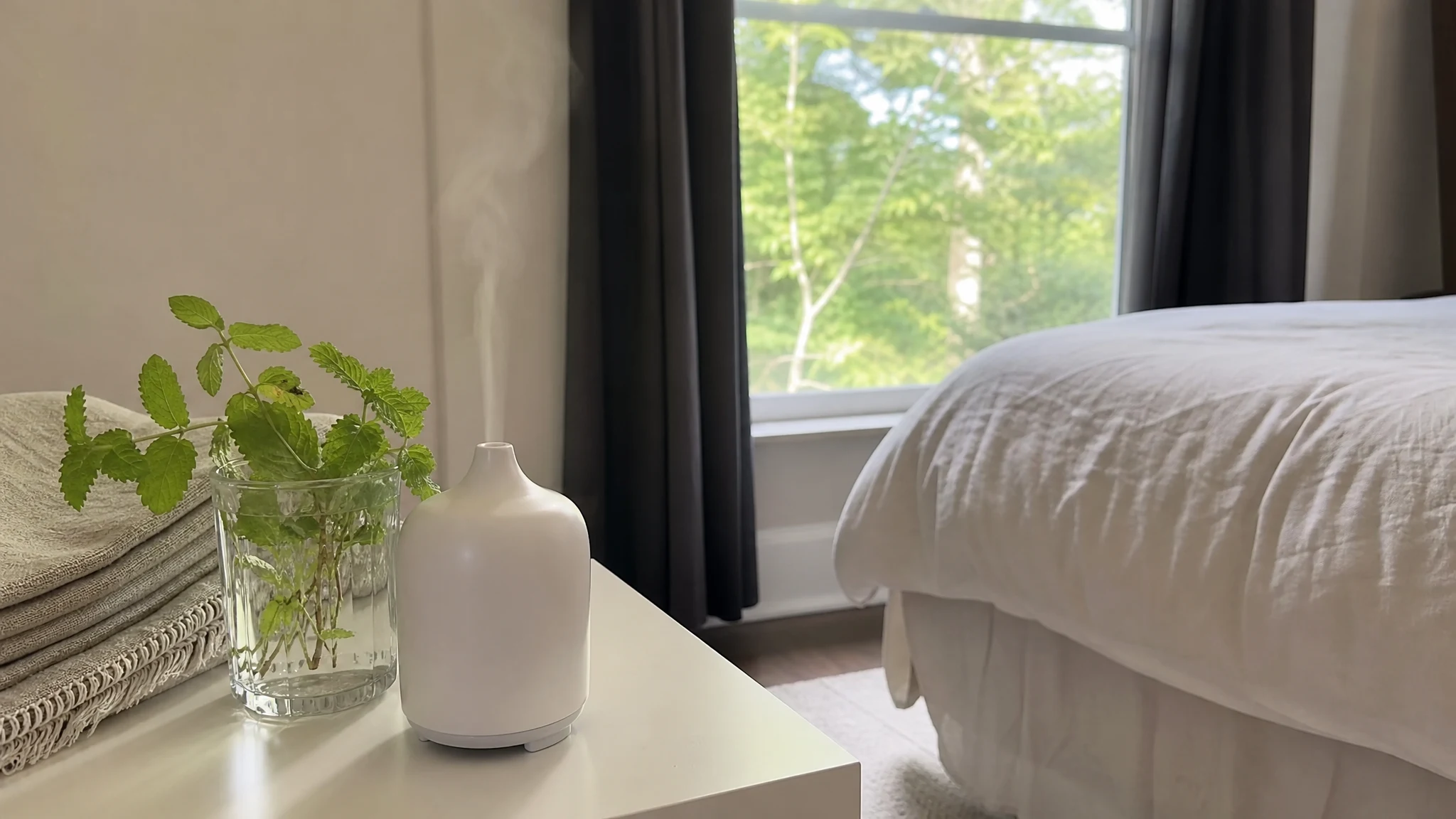
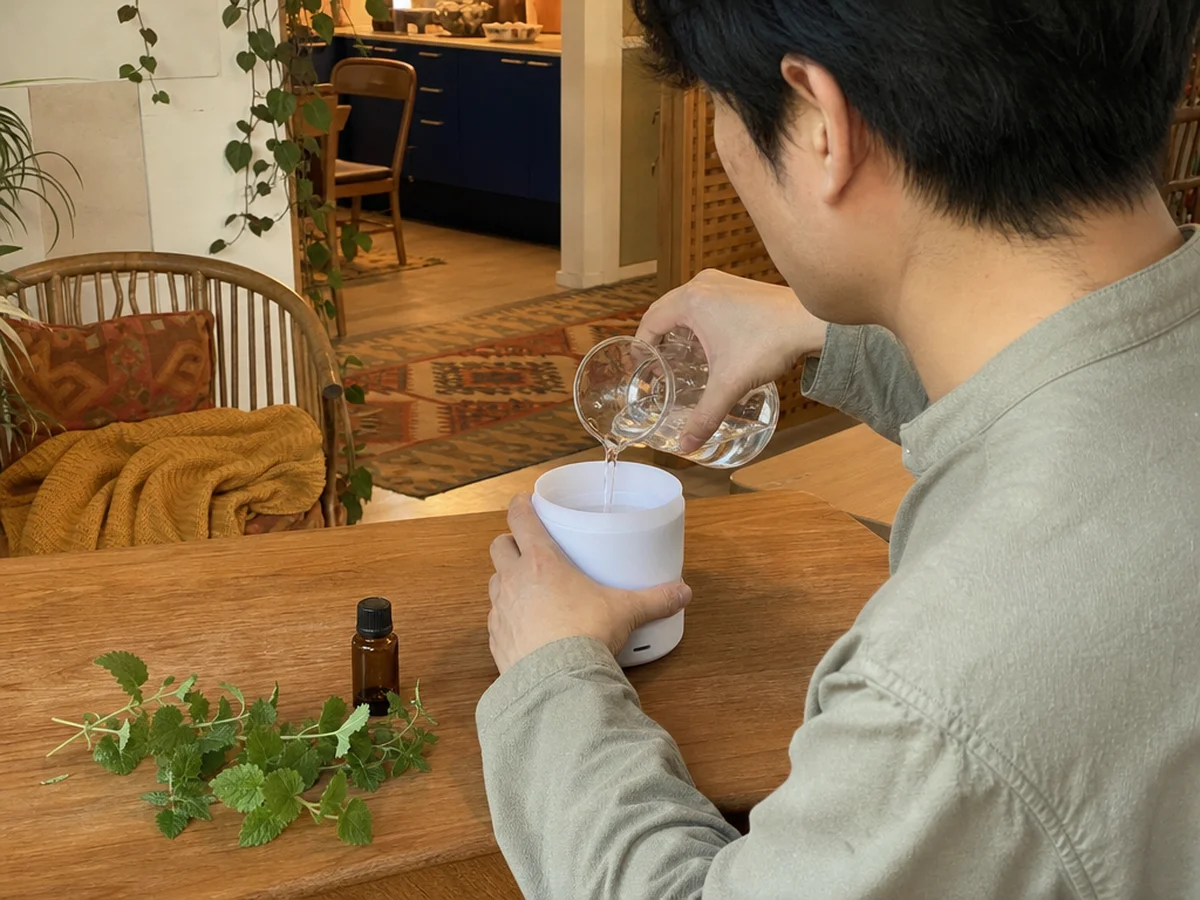
In a diffuser, one or two drops is plenty. Robert Tisserand's guidance is to run a diffuser intermittently, 30 to 60 minutes on and then 30 to 60 minutes off, and he adds that very low levels, where the oil is barely noticeable, are fine anywhere (Diffusion guidelines). One pairing we describe is a single drop of melissa beside lavender, which lets the bright lemony top note lift a soft floral base. If you stop smelling it after a few minutes, that is usually your nose adapting, not the oil running out, so resist the urge to add more.
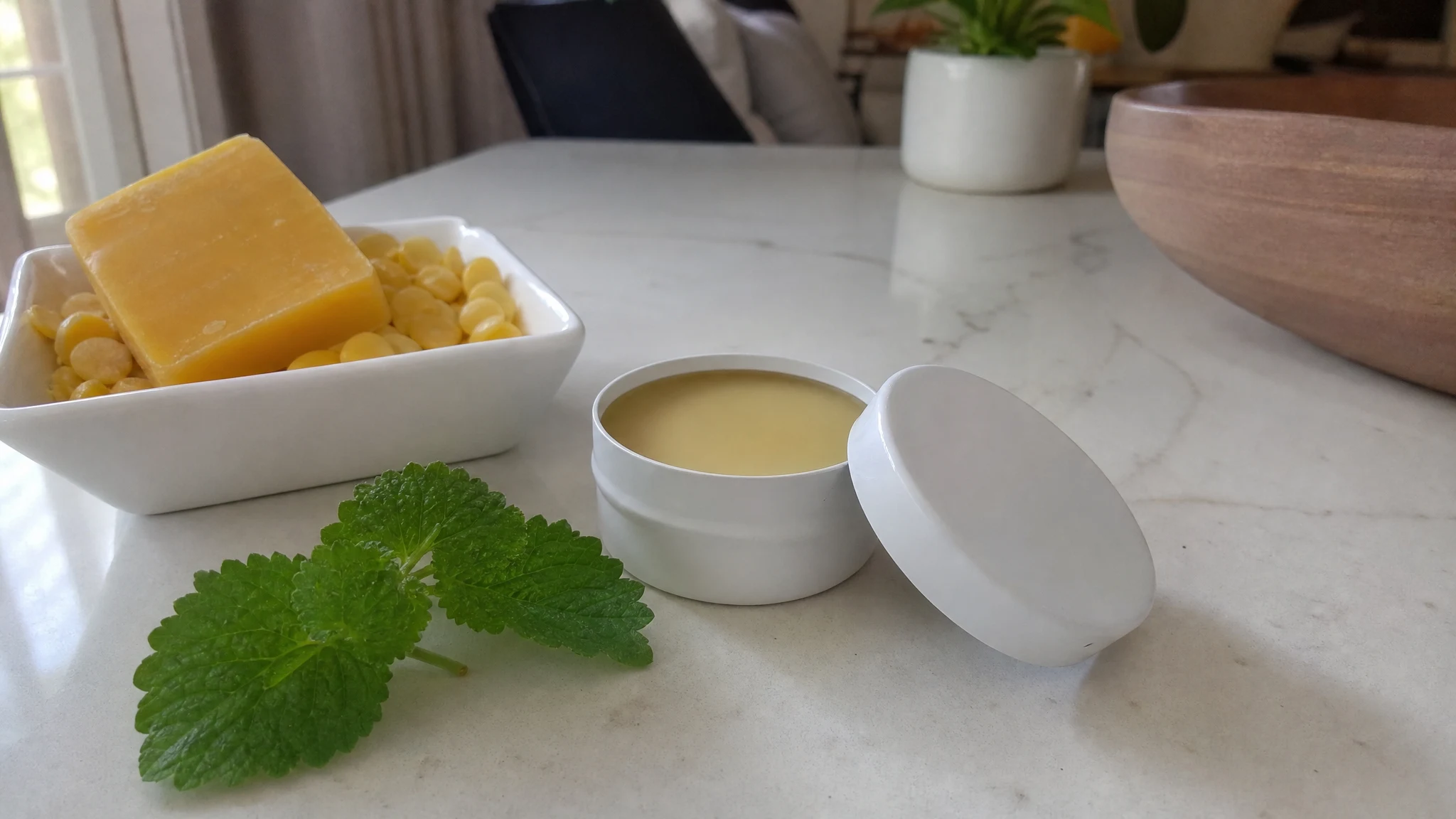
In handmade products, weigh rather than count. Fine perfumery, soap and body products all use fractions of a percent, and a scale makes those amounts repeatable. The handmade products guide walks through limits by product type if you are planning more than one project.
Keeping the last drops as good as the first
Because a bottle lasts so long, storage matters more than it does for an oil you finish in a month. Essential oils degrade through oxidation, driven by heat, light and air. The Tisserand Institute notes that most oils keep well for at least one to two years, that the more air there is in the bottle the faster the oil oxidizes, and that refrigeration will roughly double useful life (Is my bottle of essential oil oxidized or no longer good to use?). Our own storage guidance matches: tightly capped, cool and dark, with the shelf life typically one to two years.
Practically, that suggests three habits. Keep the cap on between uses. Write the date you opened the bottle on the label. And once a bottle is down to a few milliliters, move what remains to a smaller amber bottle so there is less air above the oil. Our storage guide goes into the details.
A simple routine for a long-lasting bottle
If we could suggest one habit, it is to keep a short note on the back of the label or in a notebook. Write the date you opened the bottle, and each time you use it, jot what you made and roughly how much went in. After a few months you will have a clear idea of how quickly your bottle is going, and you will stop worrying that you are running low when you are not.
Pair that with a small scale, a clean dropper and a capped bottle returned to its dark cupboard each time, and you have most of what it takes to enjoy a bottle right to the last drop.
One more thing worth saying
When a bottle seems to be running low, it can be tempting to stretch it with a cheaper lemon-scented oil. Please do not: lemongrass, citronella and litsea cubeba smell related but are different plants, and we explain how in our look-alike comparison. A small bottle used in small amounts is the whole idea, and a single bottle can keep a season of projects going.
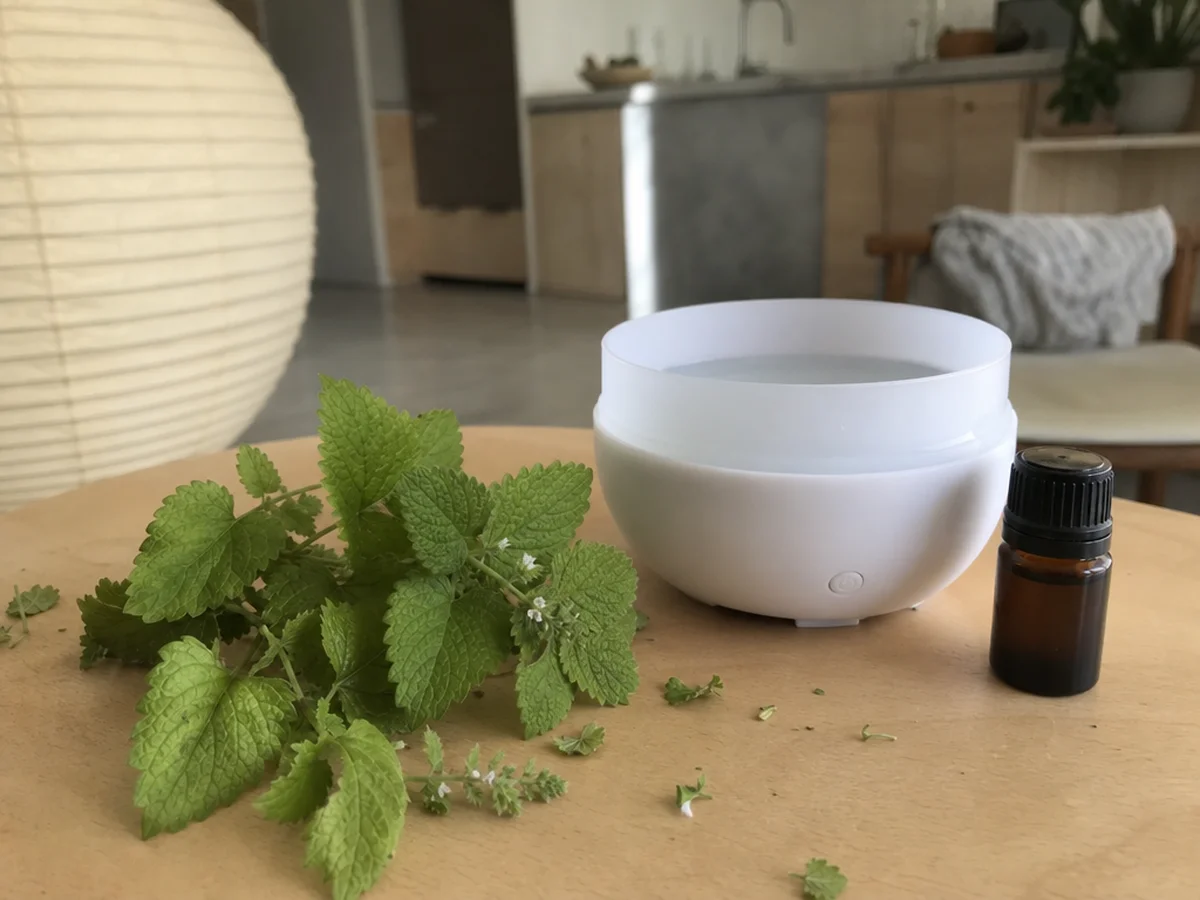
Used this way, melissa turns out to be one of the most economical oils on the shelf, simply because you need so little of it.
Melissa Essential Oil
Melissa Essential Oil from our own shop, in sizes from 0.5 oz to bulk.
From $23.99
Shop Now →Sources & Further Reading
- IFRA Standards library, IFRA
- Diffusion guidelines, Tisserand Institute
- Is my bottle of essential oil oxidized or no longer good to use?, Tisserand Institute