Why Is Melissa Oil So Expensive? Leaf to Bottle
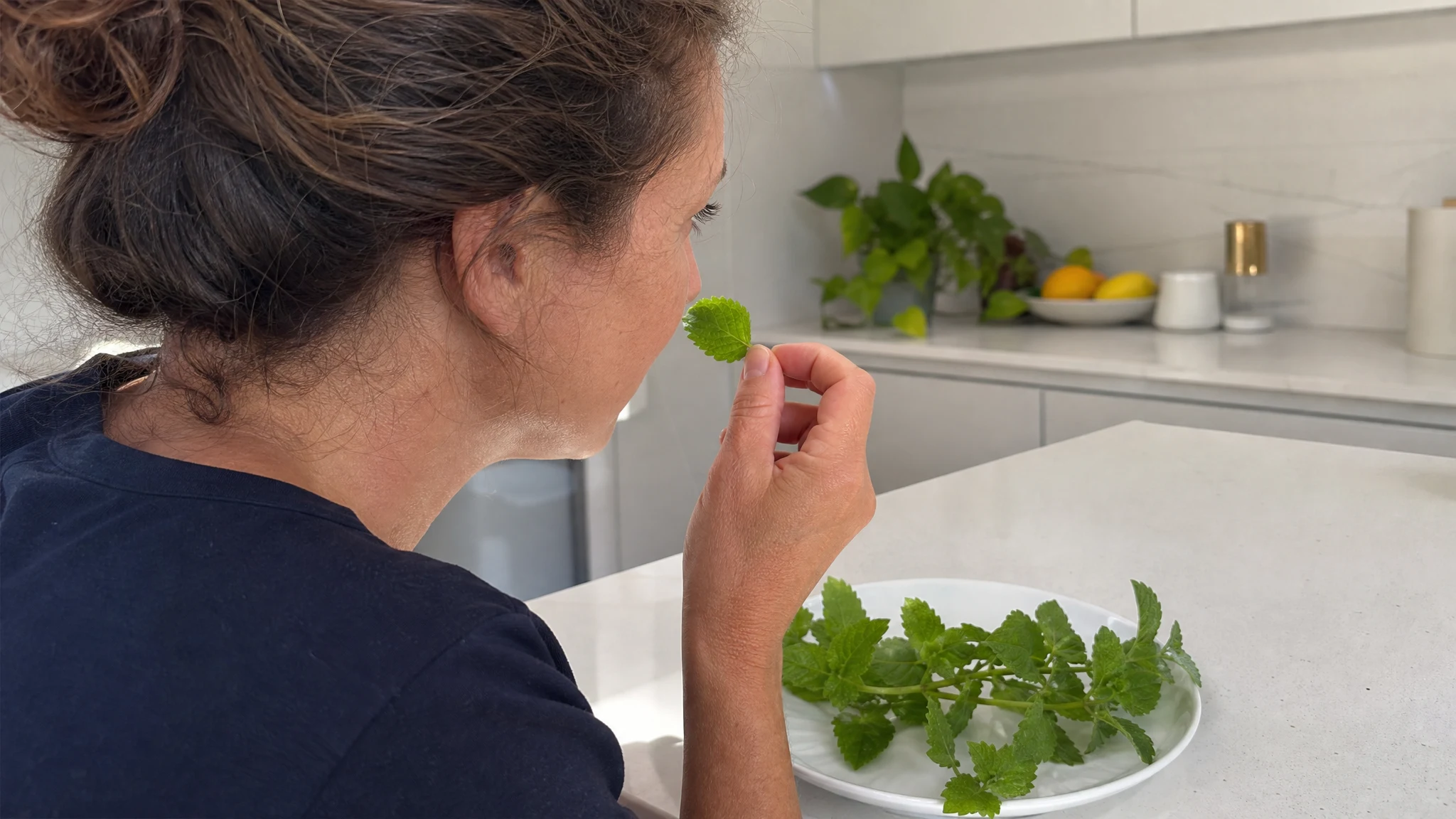
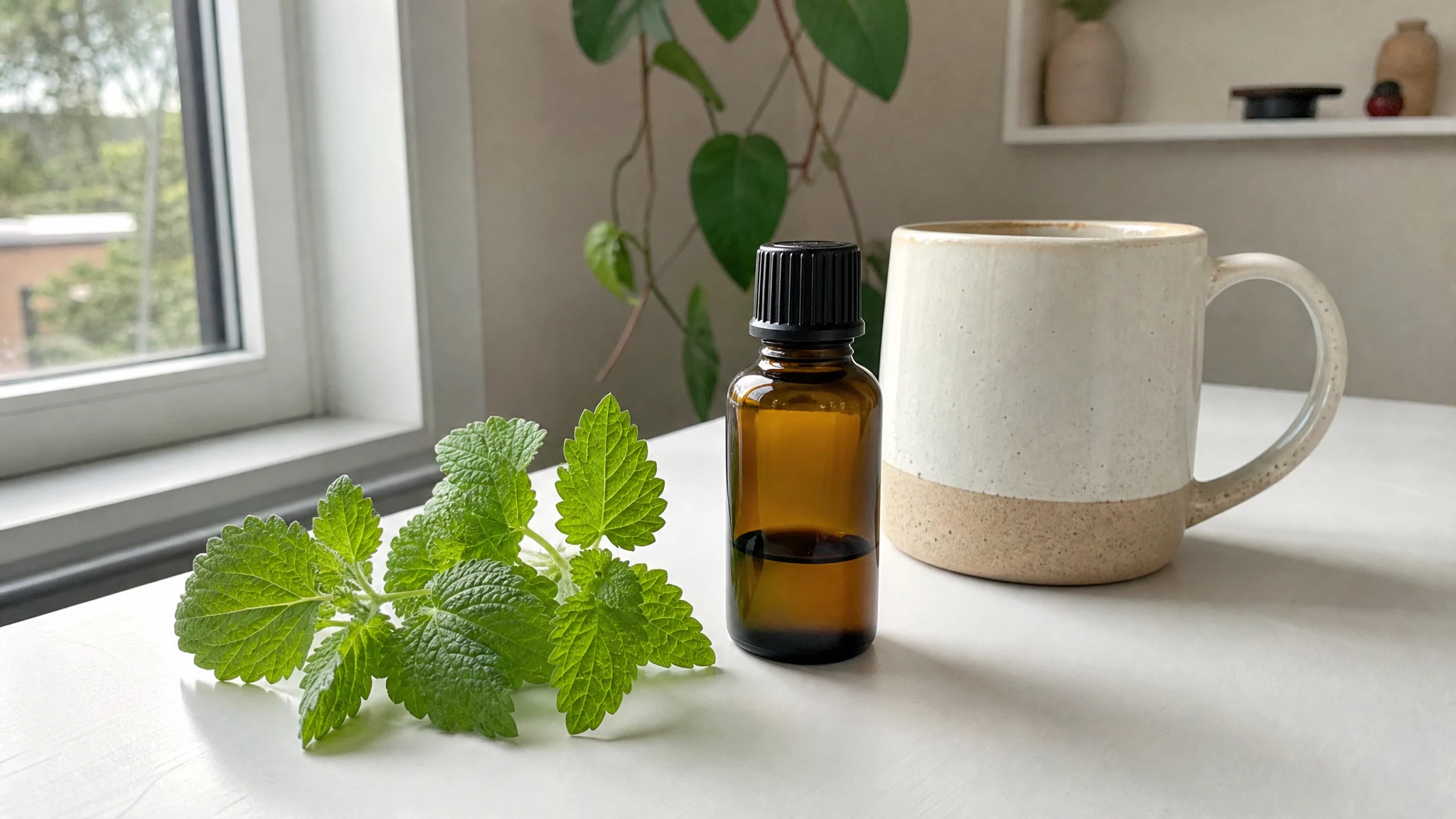
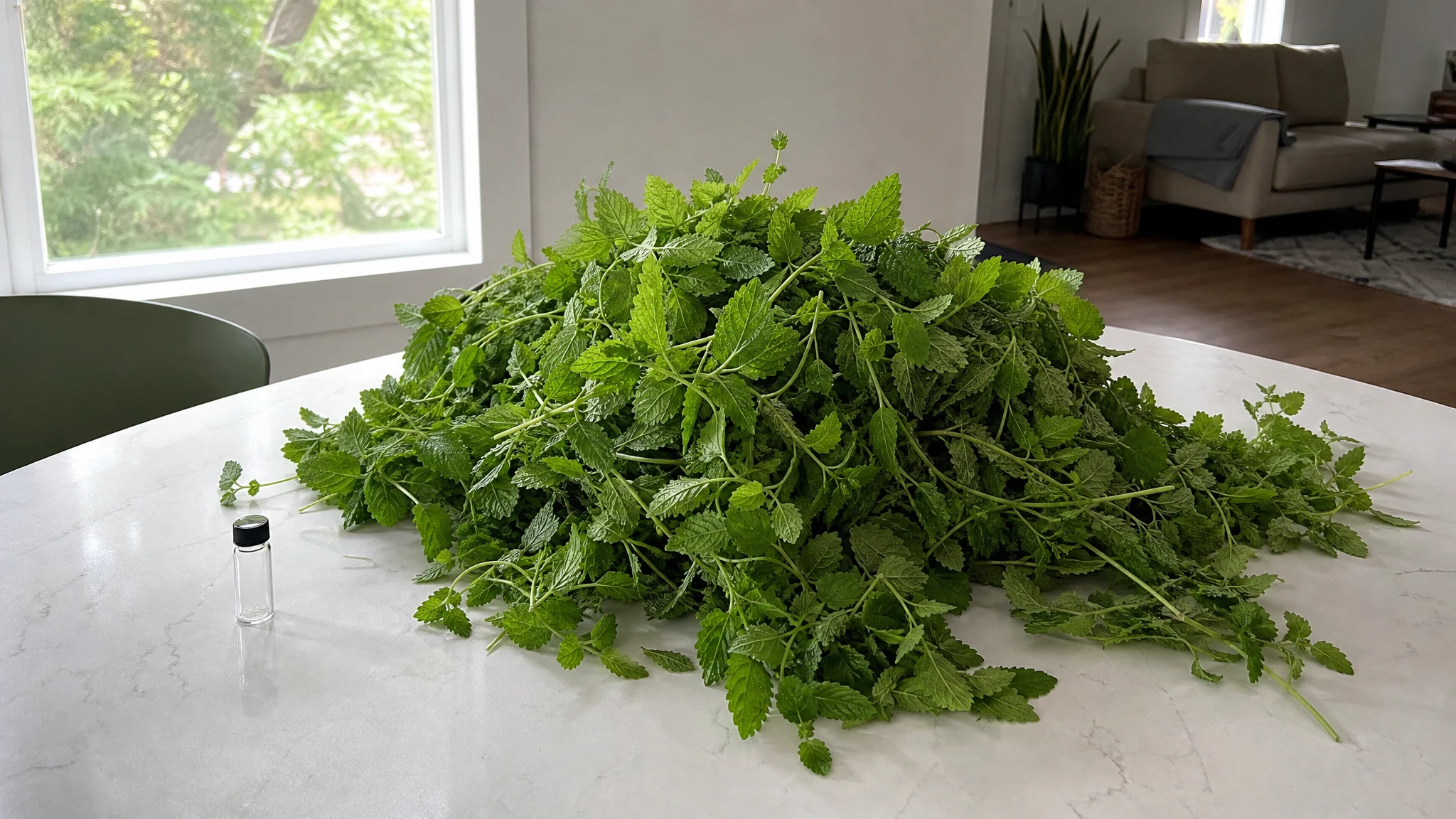
Pick up a leaf of lemon balm and rub it between your fingers: the lemony smell is immediate and strong. It is easy to assume the plant is generous with its oil. It is not. The published numbers say you need hundreds of kilograms of herb for a single kilogram of melissa oil, and that is the best-documented reason it is a precious bottle.
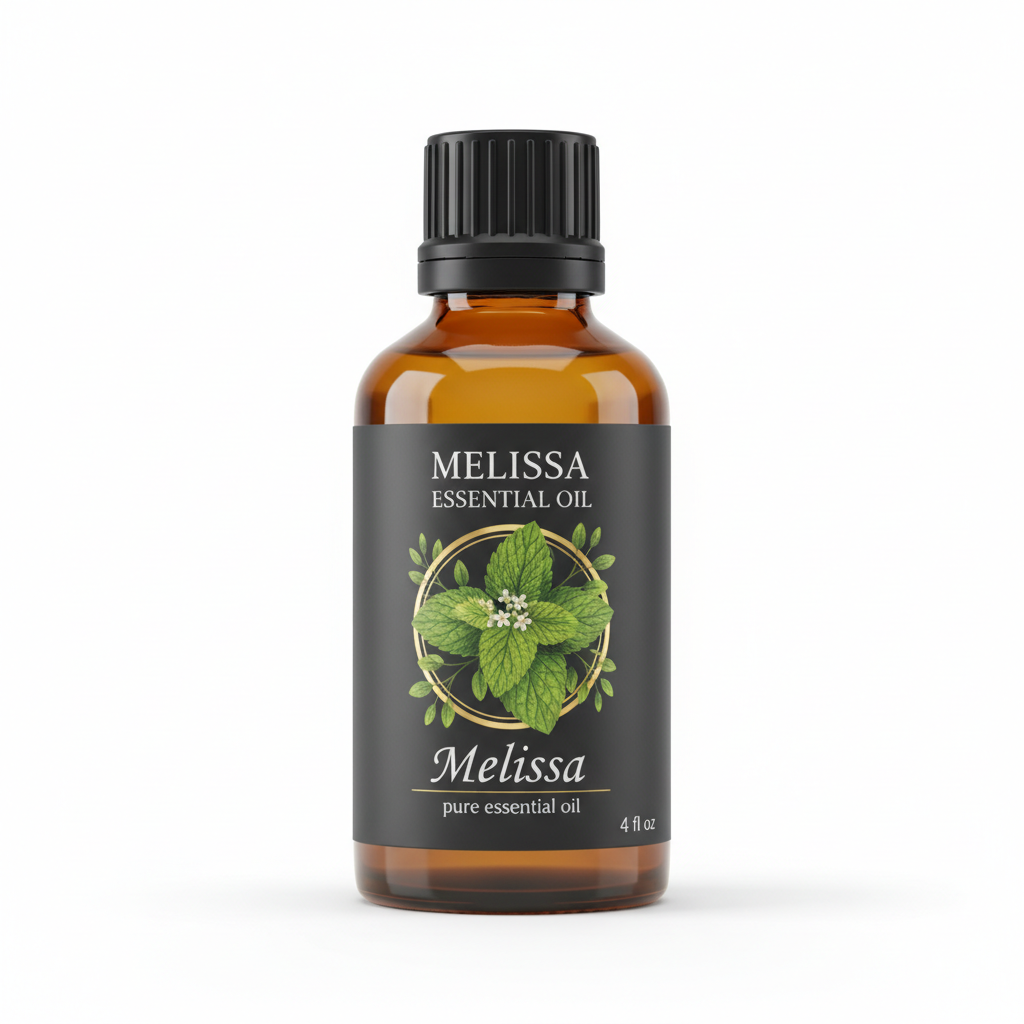
Melissa Essential Oil
Our own Melissa Essential Oil, in sizes from 0.5 oz to bulk.
From $23.99
Shop Now →How little oil is in the leaf
A 2022 review of lemon balm gathered oil contents from agronomy papers, and the figures are small and varied: 0.17% in one study, 0.08% to 0.20% in another, 0.3% from air-dried leaves, and a range of 0.01% to 0.72% across 28 different plant accessions. Turning percentages into plant mass is simple arithmetic. At 0.17%, you need roughly 588 kg of plant for 1 kg of oil. At the top of that accession range, 0.72%, about 139 kg. At the bottom, 0.01%, around 10,000 kg.
These figures come from different material and methods, and several are for dried leaf, so they are not a measurement of any one harvest. But whichever you choose, it is a lot of herb for a small bottle. How the still turns leaf into oil is explored in how melissa oil is made.
Yield is only one part of the story. Growing, harvesting, distilling, testing and freight all add to a price, so the leaf-to-oil ratio explains why the oil is costly per gram without being the whole bill.
What you can see in a leaf
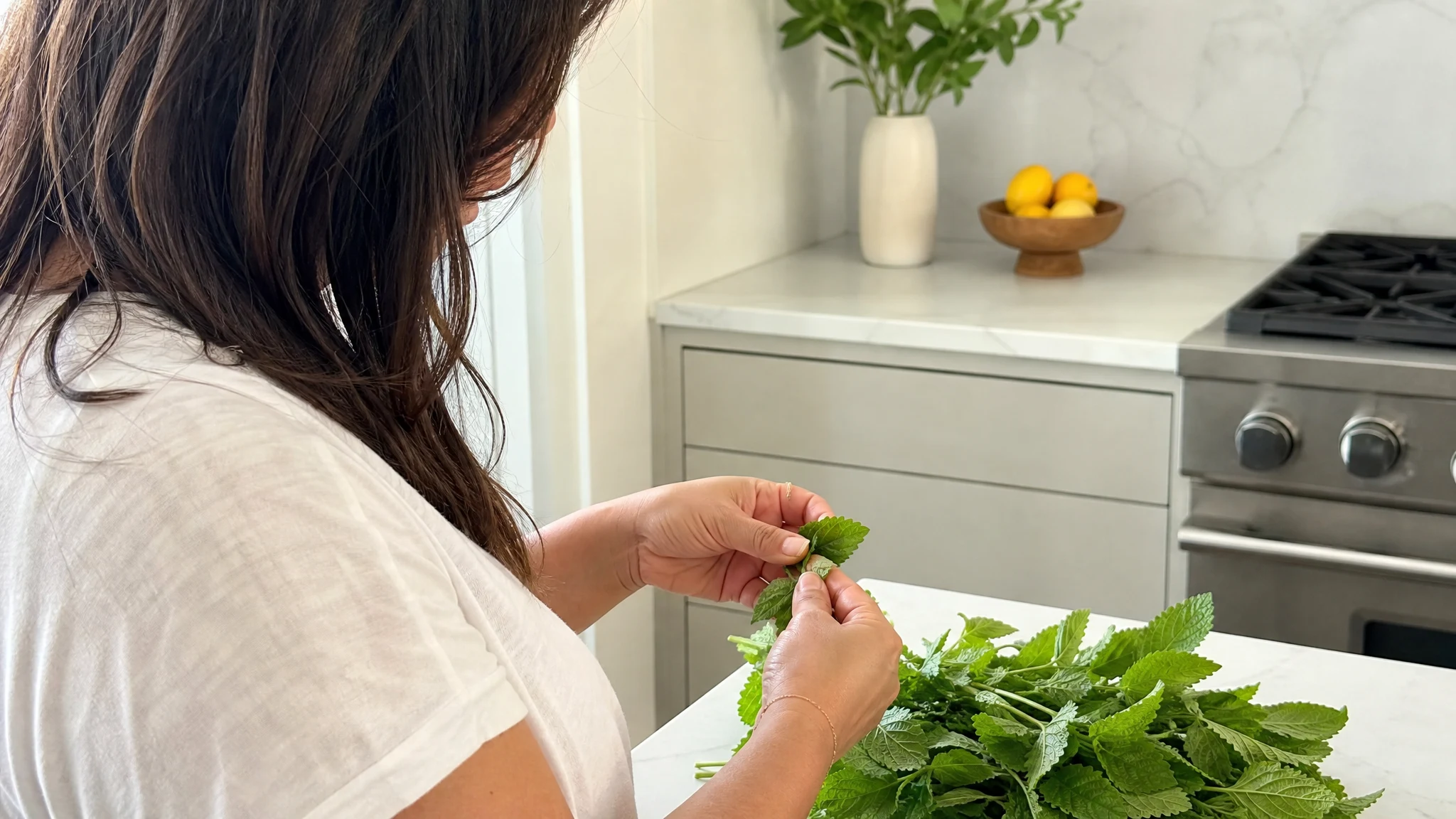
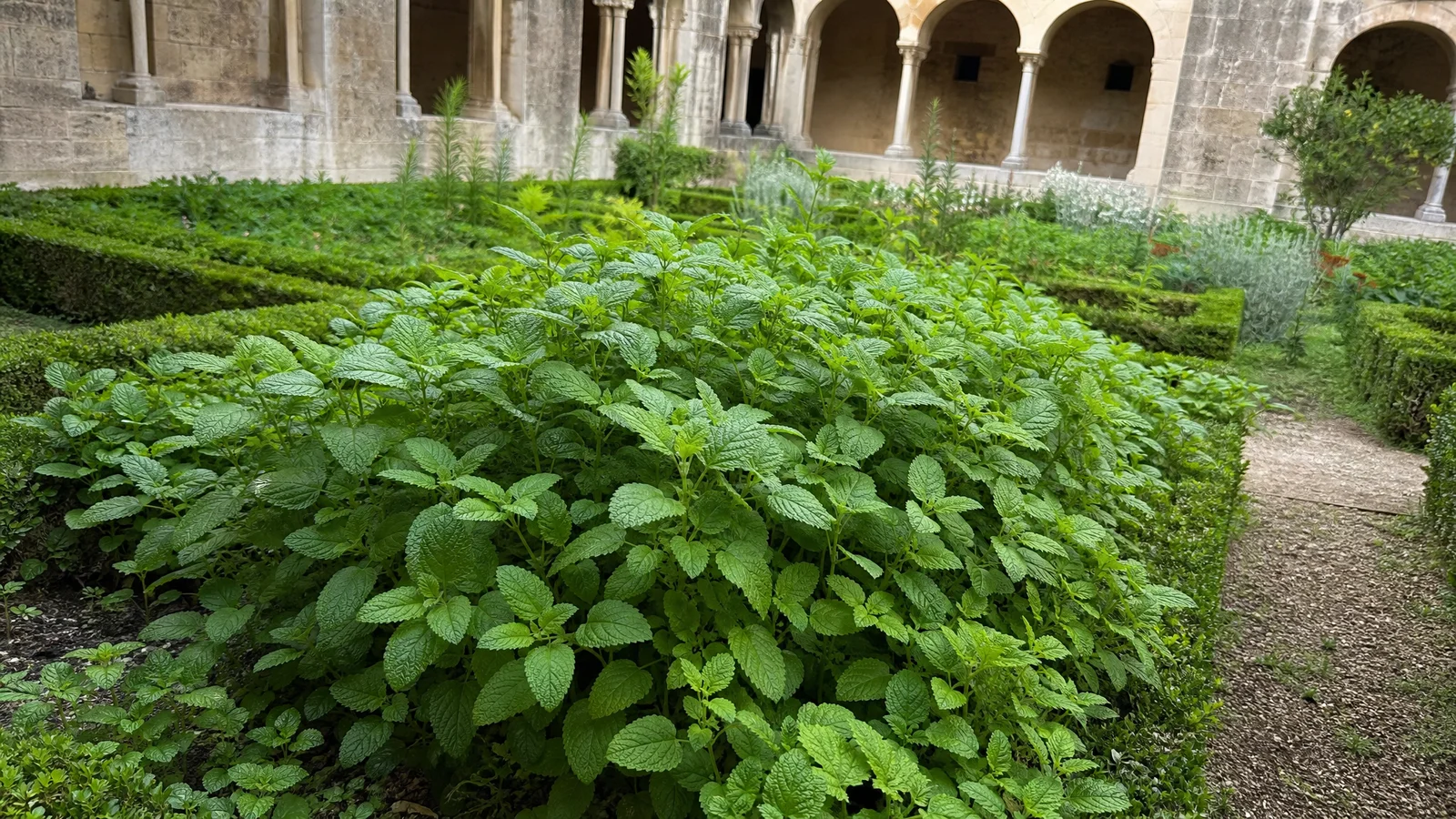
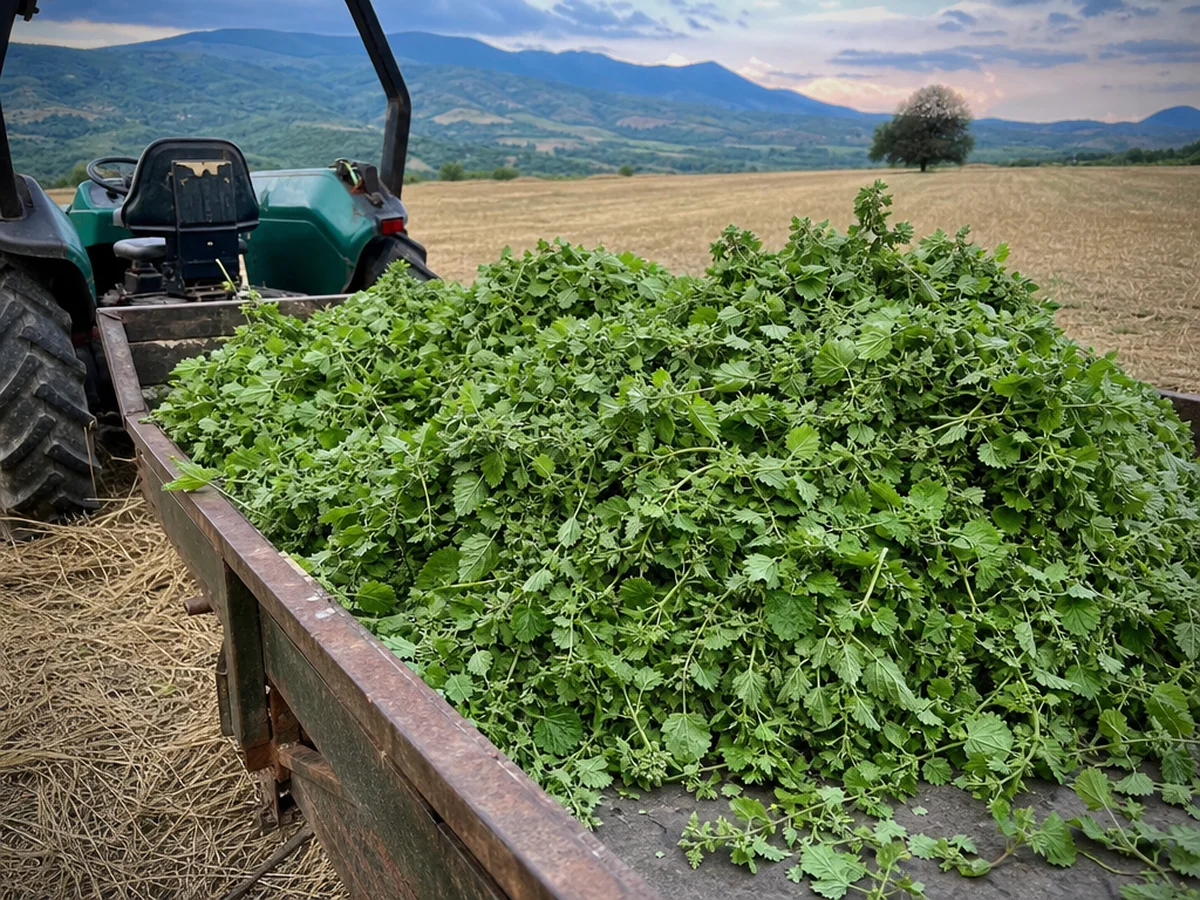
If you grow lemon balm, or have a friend who does, you know the plant can seem endless. It spreads, it re-sprouts, and you can cut it back and have it again in a few weeks. That abundance is part of what makes the oil's cost surprising. A thick green patch can look like a lot of potential, but the oil is a tiny fraction of what you pick. When people ask us why a small bottle of melissa costs more than a bigger bottle of another oil, we start there, with a picture of a full basket of leaves that makes only a little oil.
Why price is a poor test of quality
Lemon balm's lemony note comes from citral, and citral is plentiful in less costly oils; one study of Brazilian commercial lemongrass found citral from 40.7% to 75.4%. A 2006 analytical paper used chiral and isotope gas chromatography on citral-rich oils, including lemon balm, to look at origin and detect adulteration. That paper does not tell us how common substitution is, and we make no claim that it is. Our reasoning is simply that a precious oil with a cheaper look-alike makes paperwork matter: a price does not prove an oil is melissa, and a modest price does not prove it is not.
The Certificate of Analysis we publish for one batch shows a relative density of 0.888, a refractive index of 1.484 and an optical rotation of -1.08 degrees, each inside its printed range. For constituent data such as GC-MS, ask us in writing through the contact page before ordering. Our documentation checklist lists what to ask any seller for, and our guide to buying melissa oil in bulk adds what to check before a larger order.
The good news: you use very little
An oil that is costly per gram can be a small item in a finished product, because the limits for using it are low. IFRA's melissa standard caps it at 0.15% in body creams, oils and lotions and 0.60% in fine fragrance. With the density from our batch certificate and roughly 20 drops to the millilitre, a drop weighs about 0.044 g and a half-ounce bottle holds around 296 drops. At 0.15% in a 100 g lotion that is 0.15 g, about 3 to 4 drops, which stretches one half-ounce bottle across roughly 87 such batches. Perfume at 0.60% takes about 21 batches of 100 g, and soap at 1.2% is the hungriest, at about 27 drops per 100 g. Those are our arithmetic from the published limits. Our cost per batch post carries the sums further, and pricing with rare oils turns them into margins.
Our own dilution guidance for skin is 0.5% to 2% in a carrier oil, which is higher than the IFRA body figure, so we start at the lower end and do not call 2% safe (details here).
Thinking in bottles, not ounces
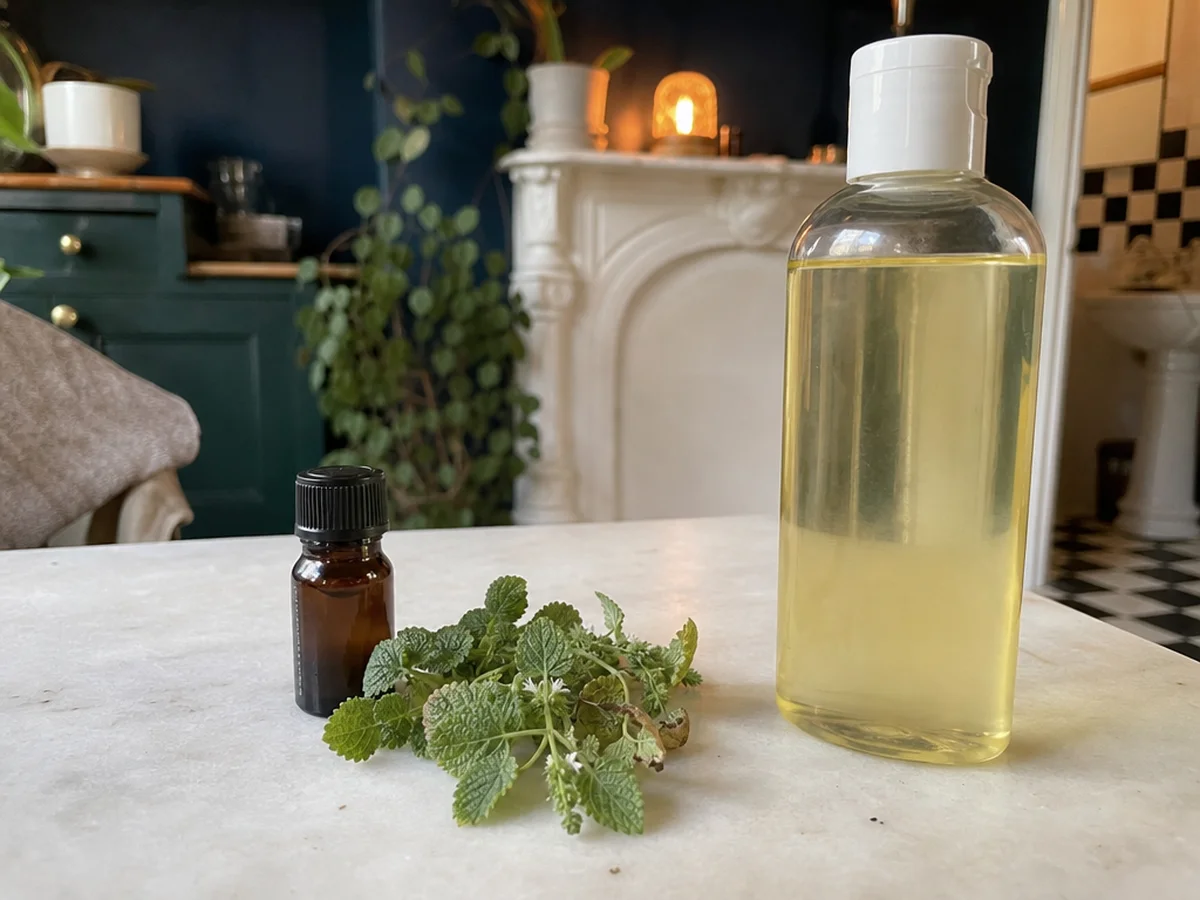
We suggest thinking about how many projects a bottle will cover, not how it compares ounce for ounce. A bottle that serves a dozen batches of lotion or a year of small perfume experiments is a different proposition from one you use up in an evening. If you are curious, write down the projects you have in mind and count the drops each one needs. That small exercise often changes which size feels right.
Turning that into a buying decision
If you make small amounts of skin and fragrance products, let shelf life pick your bottle size, not the price per ounce; the Tisserand Institute notes most oils keep well for at least one to two years and that extra air in the bottle speeds oxidation. If you make soap in quantity, work out grams per batch first and then compare sizes; we sell nine sizes in our shop, from 0.5 oz to 400 lb (the larger ones are on the bulk page), all the same oil in different containers. And if all you want is a lemon scent, a cheaper lemon-scented oil may do the job; ours is delicate and herbal rather than a louder lemon, and our comparison lays out the options.
Whatever you choose, a reasonable test is to ask what a price is paying for. With melissa, the leaf-to-oil ratio is a good place to begin.
Melissa Essential Oil
Melissa Essential Oil from our own shop, in sizes from 0.5 oz to bulk.
From $23.99
Shop Now →Sources & Further Reading
- Petrisor et al., Melissa officinalis: Composition, Pharmacological Effects and Derived Release Systems-A Review, Int J Mol Sci, 2022
- Nhu-Trang, Casabianca and Grenier-Loustalot, Authenticity control of essential oils containing citronellal and citral by chiral and stable-isotope gas-chromatographic analysis, Anal Bioanal Chem, 2006 (abstract)
- Barbosa et al., Evaluation of the chemical composition of Brazilian commercial Cymbopogon citratus (D.C.) stapf samples, Molecules, 2008
- IFRA, IFRA Standards (51st Amendment compendium), entry Melissa oil (genuine Melissa officinalis L.)
- Tisserand Institute, Is my bottle of essential oil oxidized or no longer good to use?