Lemon Balm and Cold Sores: What the Research Shows
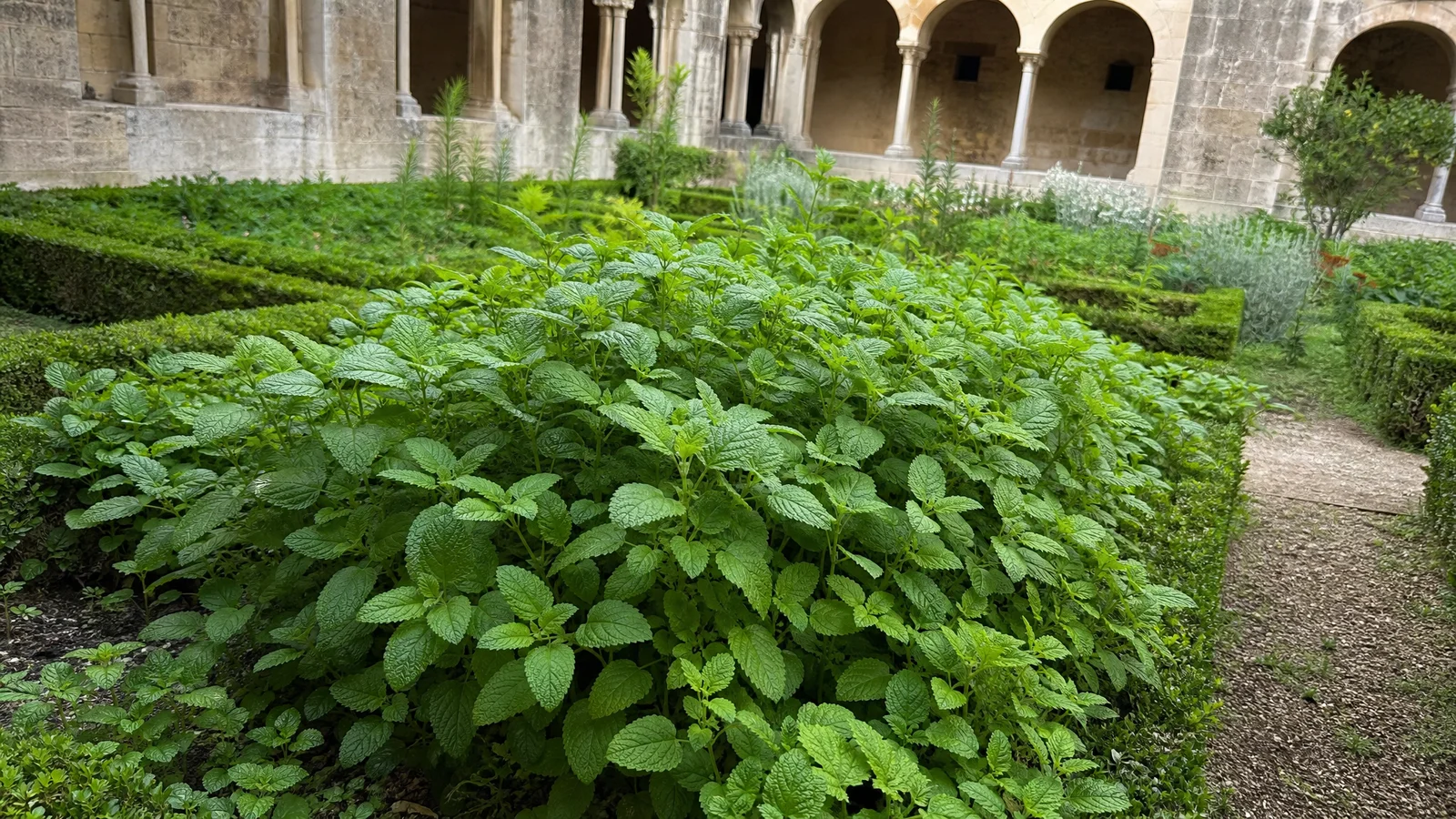
Lemon balm has a reputation where cold sores are concerned, and the research behind it is more specific than the reputation. Most of it studied a dried leaf extract in a cream. A smaller part studied the essential oil, in a lab dish. None of it studied a bottle of essential oil used on a lip, and that gap is the interesting part of the story.
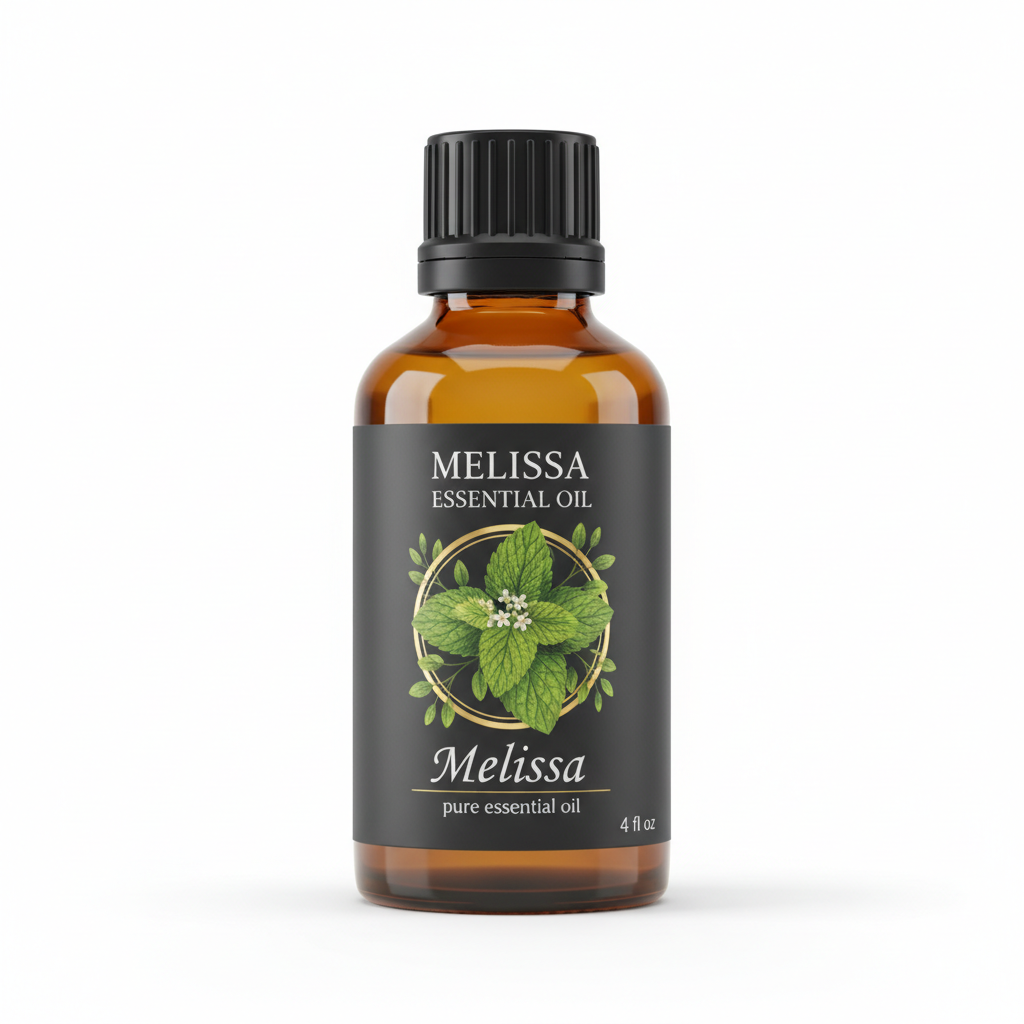
Melissa Essential Oil
Our own Melissa Essential Oil, in sizes from 0.5 oz to bulk.
From $23.99
Shop Now →Extract and essential oil are different materials
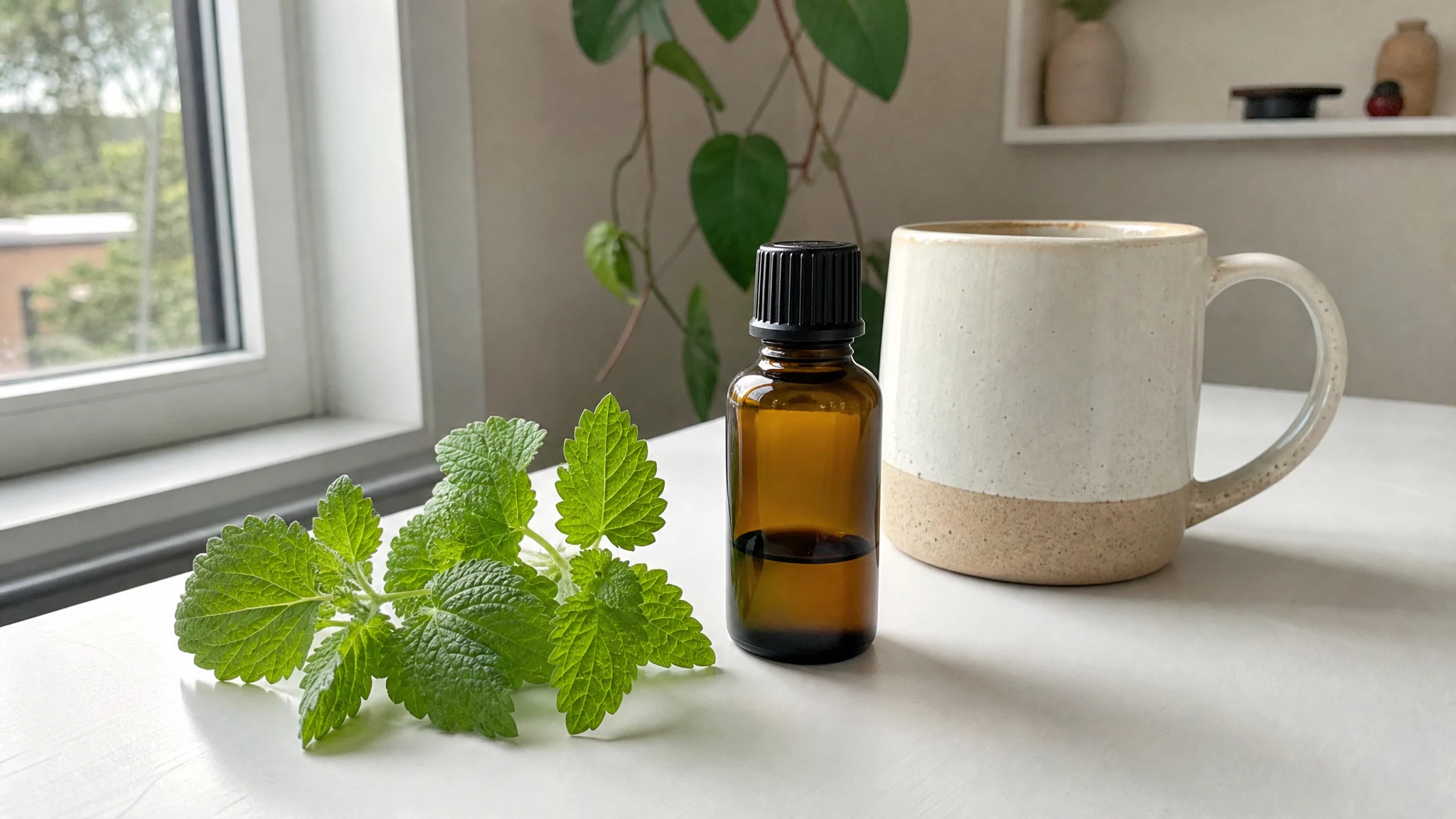
A lemon balm cream and a melissa essential oil share a plant and little else. The extract is made from dried leaf, concentrated and standardised, then mixed into a cream at a stated strength. The essential oil is the steam-distilled volatile fraction, rich in citral and citronellal, and it is far more concentrated. Findings about one do not carry over to the other, which is the theme of our look at extract trials versus essential oil trials.
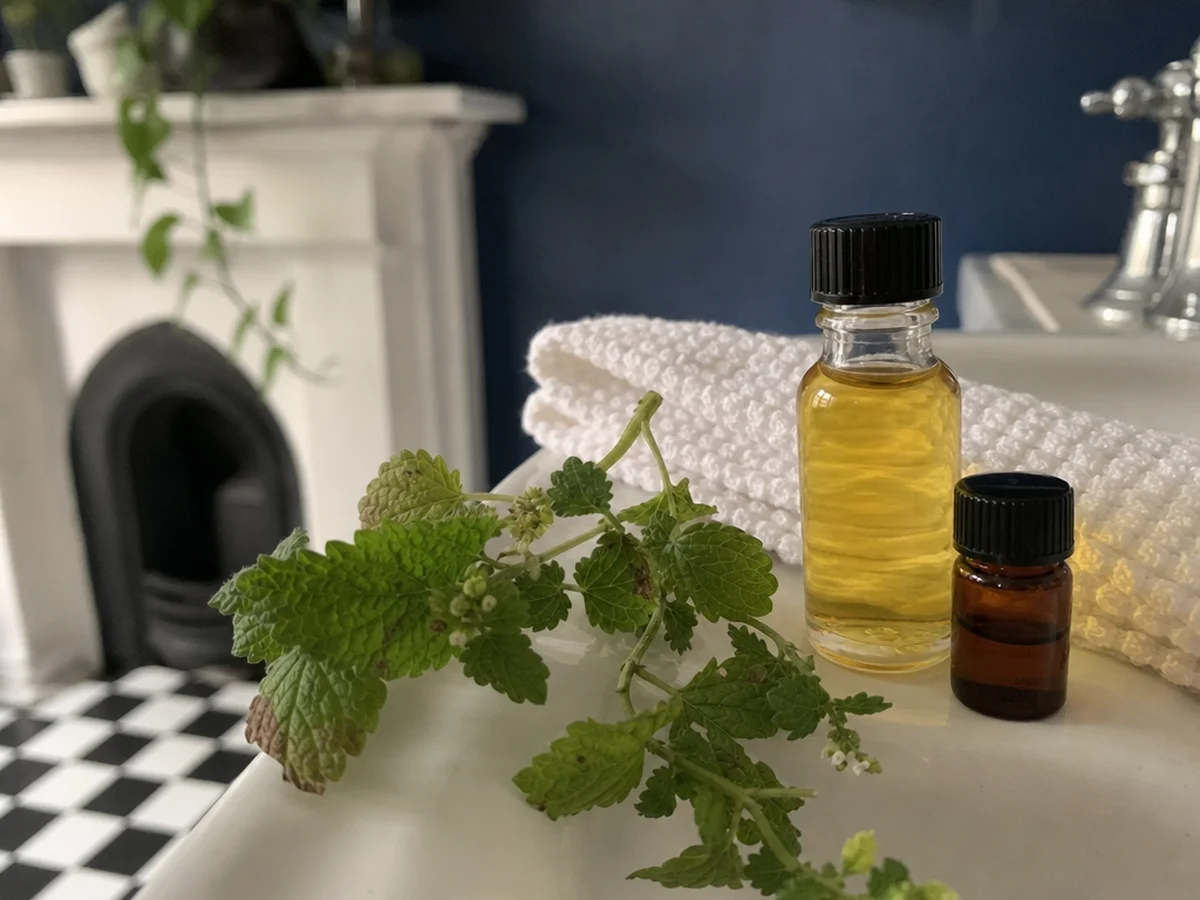
The cream trials are where the human data sit. In one double-blind trial, 66 people who got at least four cold sores a year used either a cream with 1% dried lemon balm extract or a placebo cream four times a day for five days, and the extract group scored lower on a combined symptom score on day two (Koytchev and colleagues, 1999). A 2025 systematic review of topical herbal products for cold sores screened more than 7,000 records and found seven randomised trials with 1,250 patients between lemon balm, olive leaf extract, propolis and a sage and rhubarb cream. The authors saw promising signs for lemon balm preparations, and also small samples and very different protocols from trial to trial (Anheyer and colleagues, 2025).
What the oil did in the dish
The essential oil's evidence comes from a single laboratory study. Researchers tested a melissa oil, rich in citral and citronellal, on herpes simplex virus in cultured monkey kidney cells. At very high dilutions, 0.0004% for HSV-1 and 0.00008% for HSV-2, the oil cut the number of virus plaques in half, and at concentrations the cells tolerated it reduced plaque formation by roughly 98% and 97% (Schnitzler and colleagues, 2008).
The detail worth taking from it is when the oil worked. It reduced infection when the virus was exposed to it before reaching the cells, and not once the virus had already entered them. In a dish, that describes free virus particles meeting the oil. A cold sore is a different situation, because by the time a blister appears the virus is inside skin cells. The authors suggested the oil might suit topical use, and that is a hypothesis for future work, not a result.
The numbers make the same point from another direction. 0.0004% is four parts per million. Our general skin dilution range of 0.5% to 2% is more than a thousand times that concentration, so what a dish shows at a trace level says little about what a stronger dilution does on a lip. Because melissa oil is rich in citral, a recognised skin sensitiser, stronger dilutions near the mouth are also a reason for care. We go through the published limits in our skin sensitisation article.
What health authorities point people toward
For the sore itself, the guidance is consistent. The NHS says cold sores usually clear within 10 days and that a pharmacist can recommend antiviral creams, which work best when started at the first tingle. The American Academy of Dermatology advises seeing a dermatologist or doctor for a sore near an eye, a sore lasting longer than two weeks, six or more outbreaks a year, atopic dermatitis or a weakened immune system. The NHS adds a plain warning about newborns, since kissing a baby with a cold sore can pass the virus on. Neither page lists an essential oil among the options.
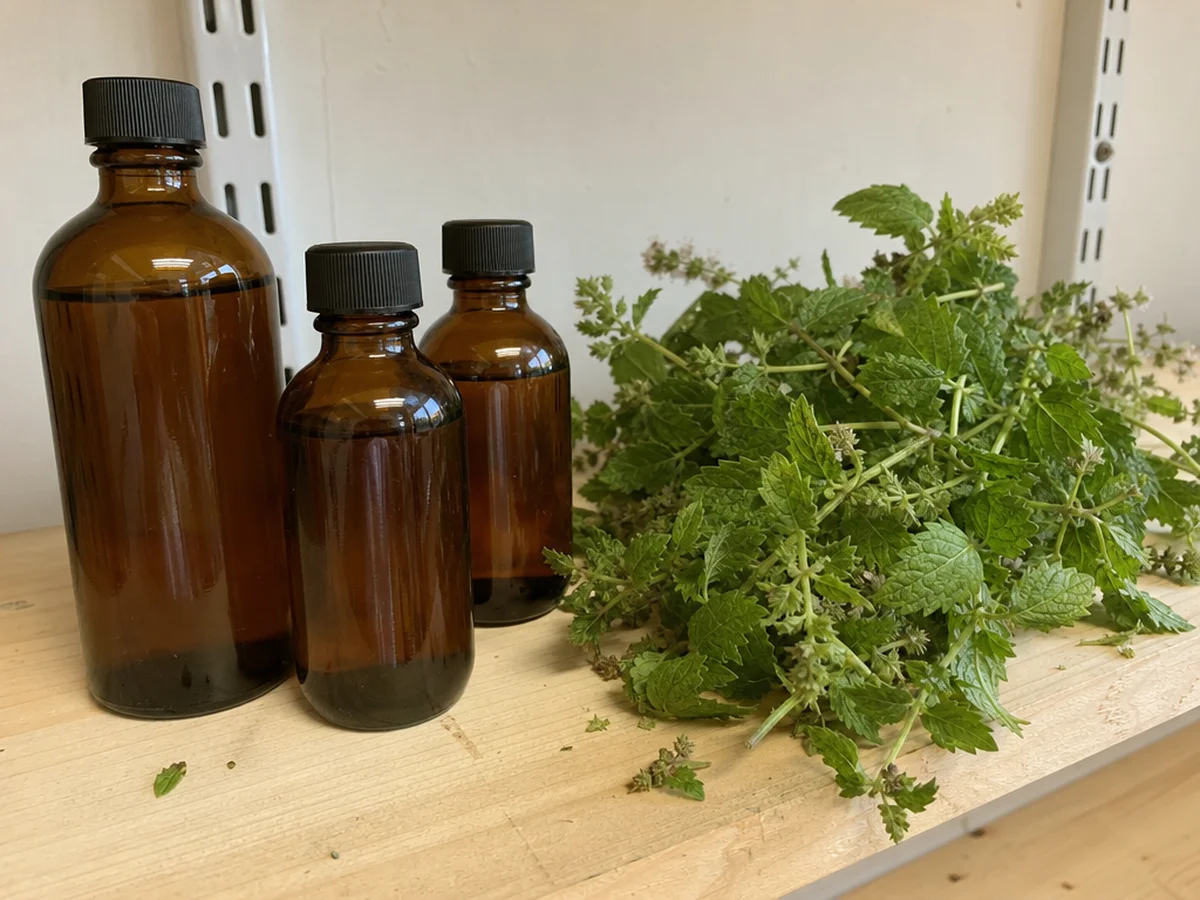
So the sensible order is pharmacist or doctor first. We sell an external cosmetic oil, we make no claim for it on this subject, and we have no routine for applying it to a sore to share.
How to read a lemon balm headline
Headlines tend to say "lemon balm" and leave out everything that matters. Before one changes your mind, ask three plain questions. What form was it: a dried-leaf cream, an extract or a distilled oil? What was it tested on: people, animals or cells in a dish? And how strong was it? Those three answers sort most claims into "interesting" or "not about my bottle". It is a habit worth keeping for any plant you love, and it costs nothing.
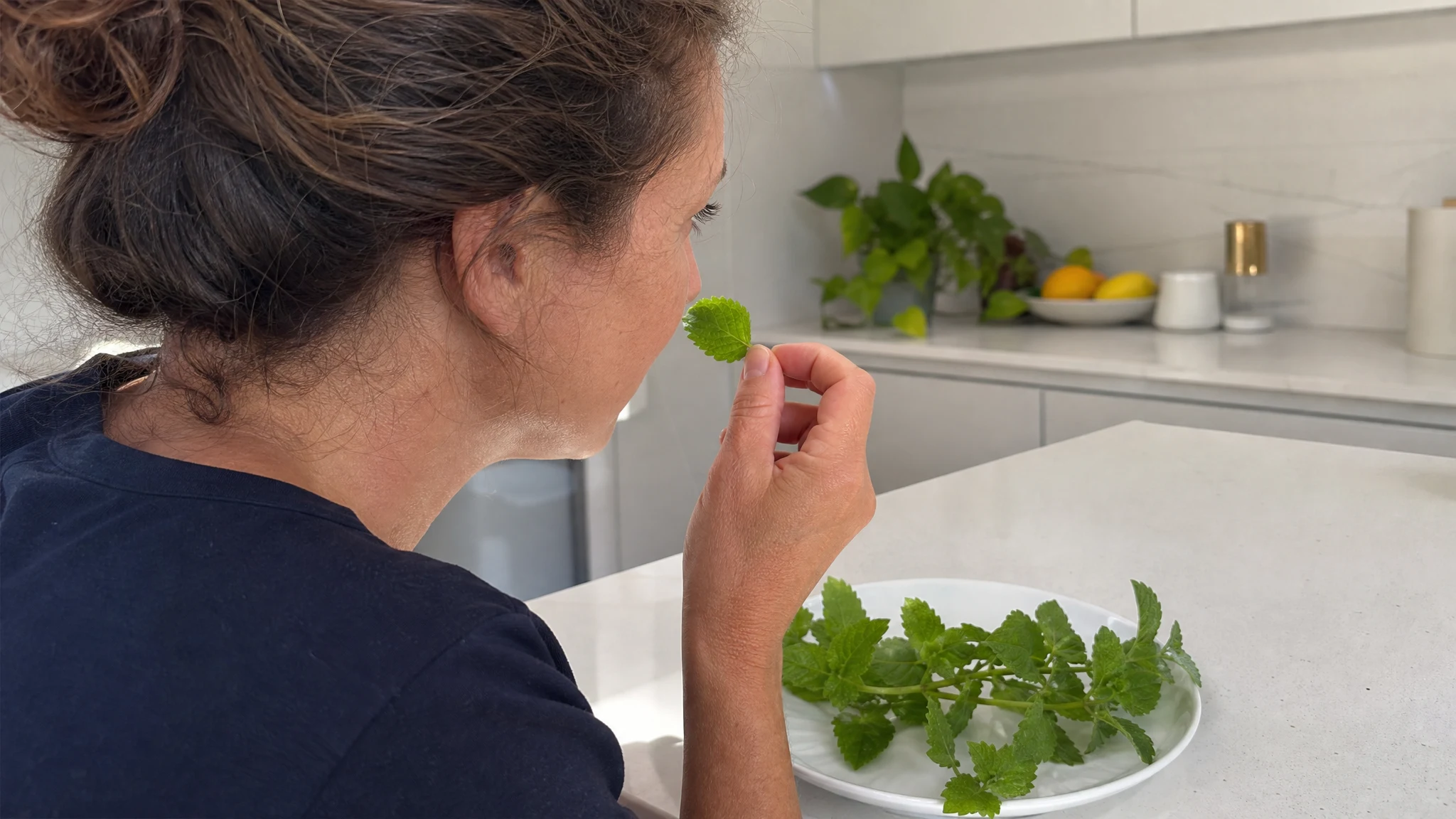
We love this plant for its scent, and we would rather be plain about that: the aroma is where our oil's story starts.
Where the oil does fit
Melissa oil's strengths are the ones you can smell: a delicate lemony, herbal aroma with a soft green heart. If you are curious about lemon balm research in general, the studies above are worth reading in full. If you are curious about the oil in your own formulations, the safety limits and the ingredient paperwork are the better starting points, and our pregnancy and breastfeeding article shows the same careful approach to a topic where professional advice comes first.
The research is a good reminder that a plant name on a label tells you less than the form it comes in. A cream, an extract and a distilled oil are three different things, and each deserves its own evidence.
Melissa Essential Oil
Melissa Essential Oil from our own shop, in sizes from 0.5 oz to bulk.
From $23.99
Shop Now →Sources & Further Reading
- Schnitzler P, et al. Melissa officinalis oil affects infectivity of enveloped herpesviruses. Phytomedicine, 2008. PubMed 18693101
- Koytchev R, Alken RG, Dundarov S. Balm mint extract (Lo-701) for topical treatment of recurring herpes labialis. Phytomedicine, 1999. PubMed 10589440
- Anheyer M, et al. Herbal Medicine for Treating Herpes Labialis: A Systematic Review. J Integr Complement Med, 2025. PubMed 40526027
- Cold sores - NHS. nhs.uk/conditions/cold-sores
- Cold sores: Diagnosis and treatment. American Academy of Dermatology. aad.org