Melissa vs Lemon Oil: Which Lemon Note Fits You?
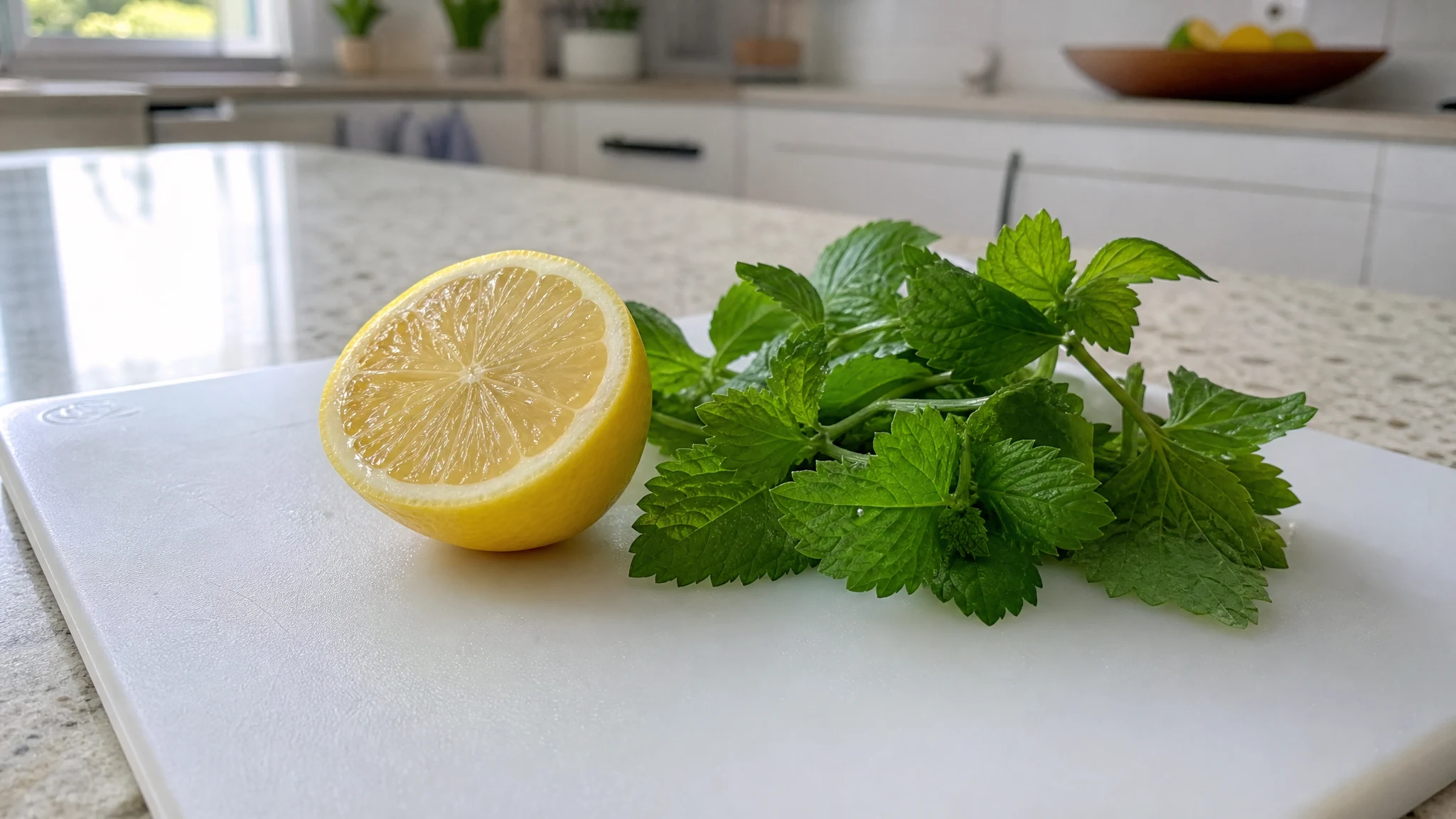
Lemon and melissa both promise a lemon note, and they deliver it in completely different ways. Lemon oil is a fresh, sharp, peel-bright scent built on limonene. Melissa is a softer, greener, herbal lemon built on citral. That single chemical difference decides how each behaves in a formula and which rulebook applies to it on the skin, so it is worth knowing before you choose.
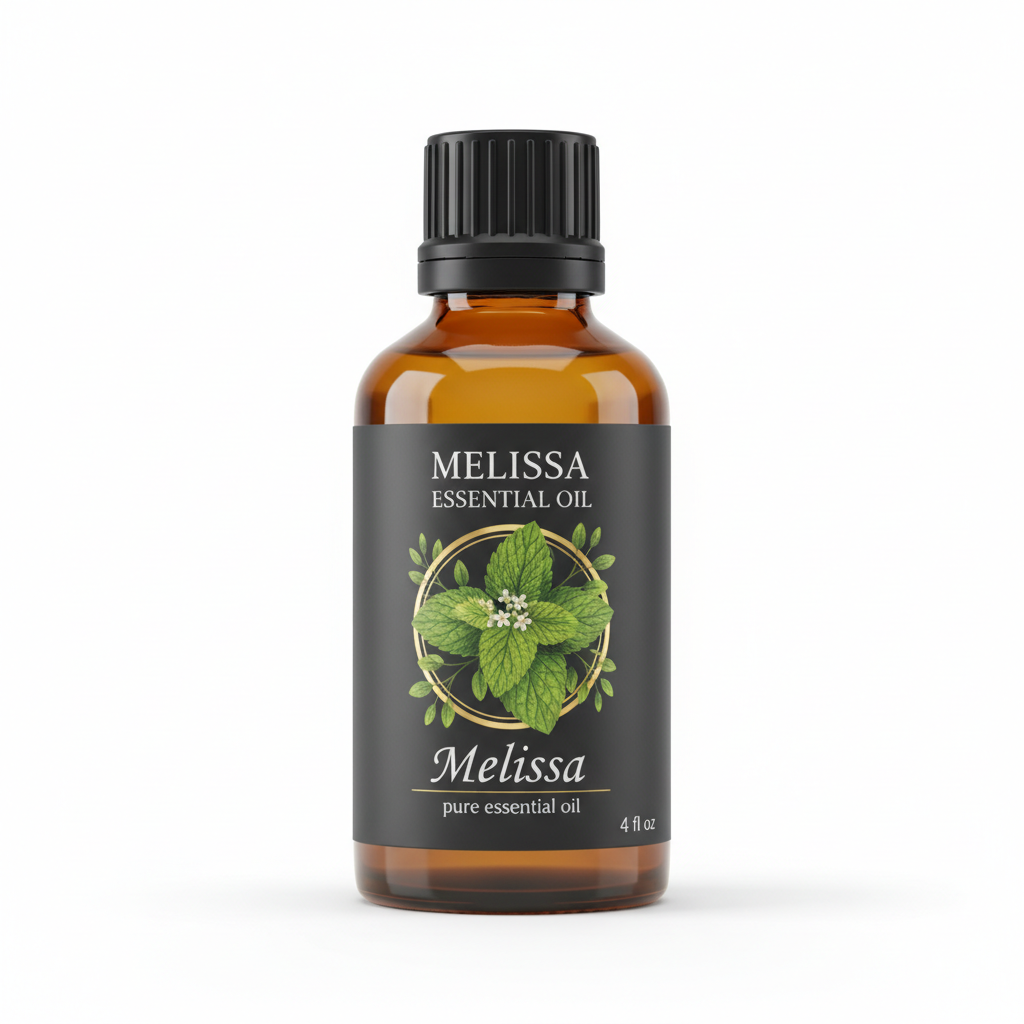
Melissa Essential Oil
Our own Melissa Essential Oil, in sizes from 0.5 oz to bulk.
From $23.99
Shop Now →What each oil is made of
Lemon oil sold for perfumery and cleaning is usually expressed, meaning cold-pressed from the peel. The European Food Safety Authority's assessment of expressed lemon oil gives its composition, adapted from the ISO 855:2003 standard, as roughly 60 to 73% d-limonene, with only 0.1 to 2% geranial and 0.1 to 1.8% neral. Geranial and neral together are citral, so a lemon oil carries a trace of it at most.
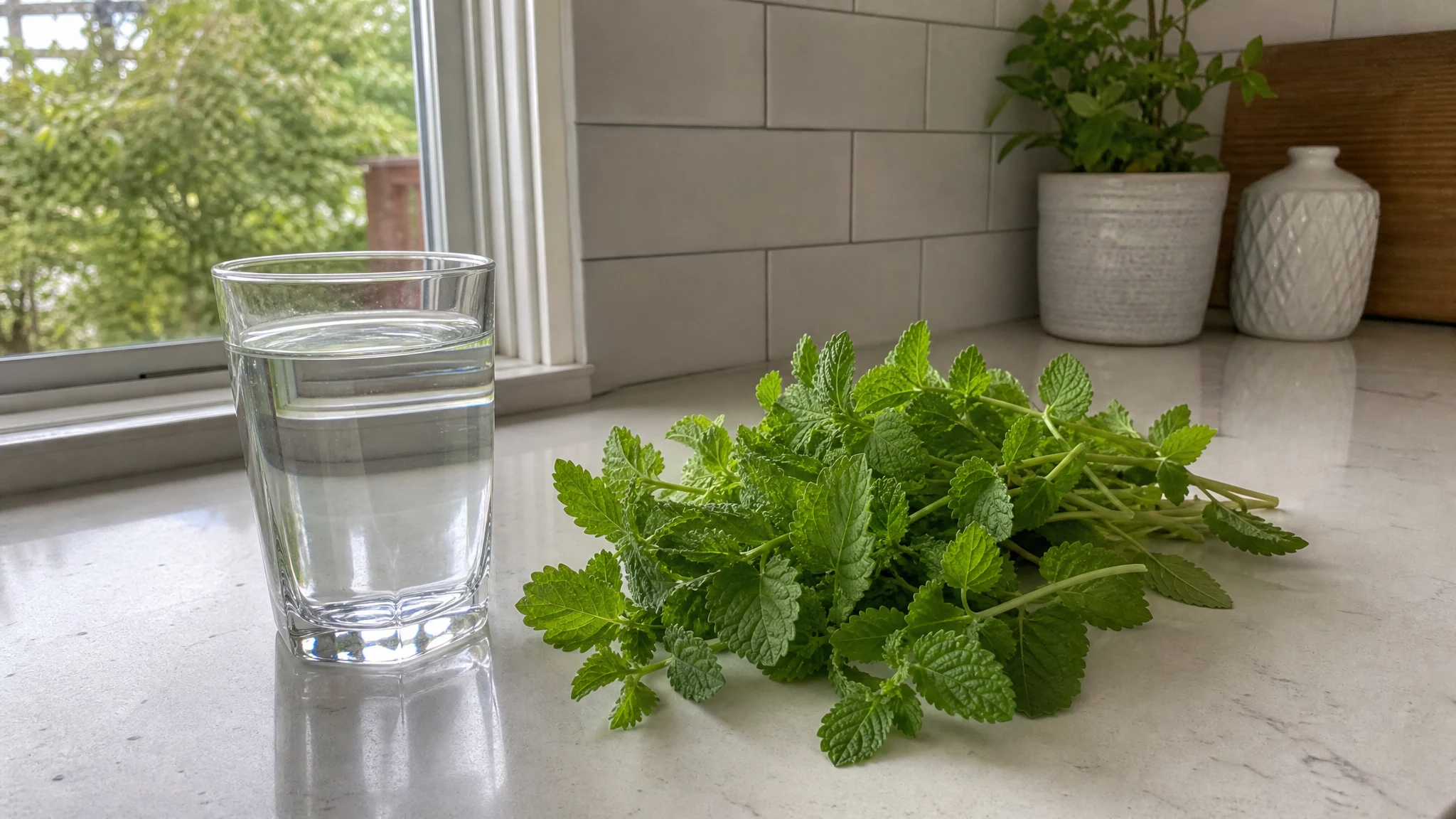
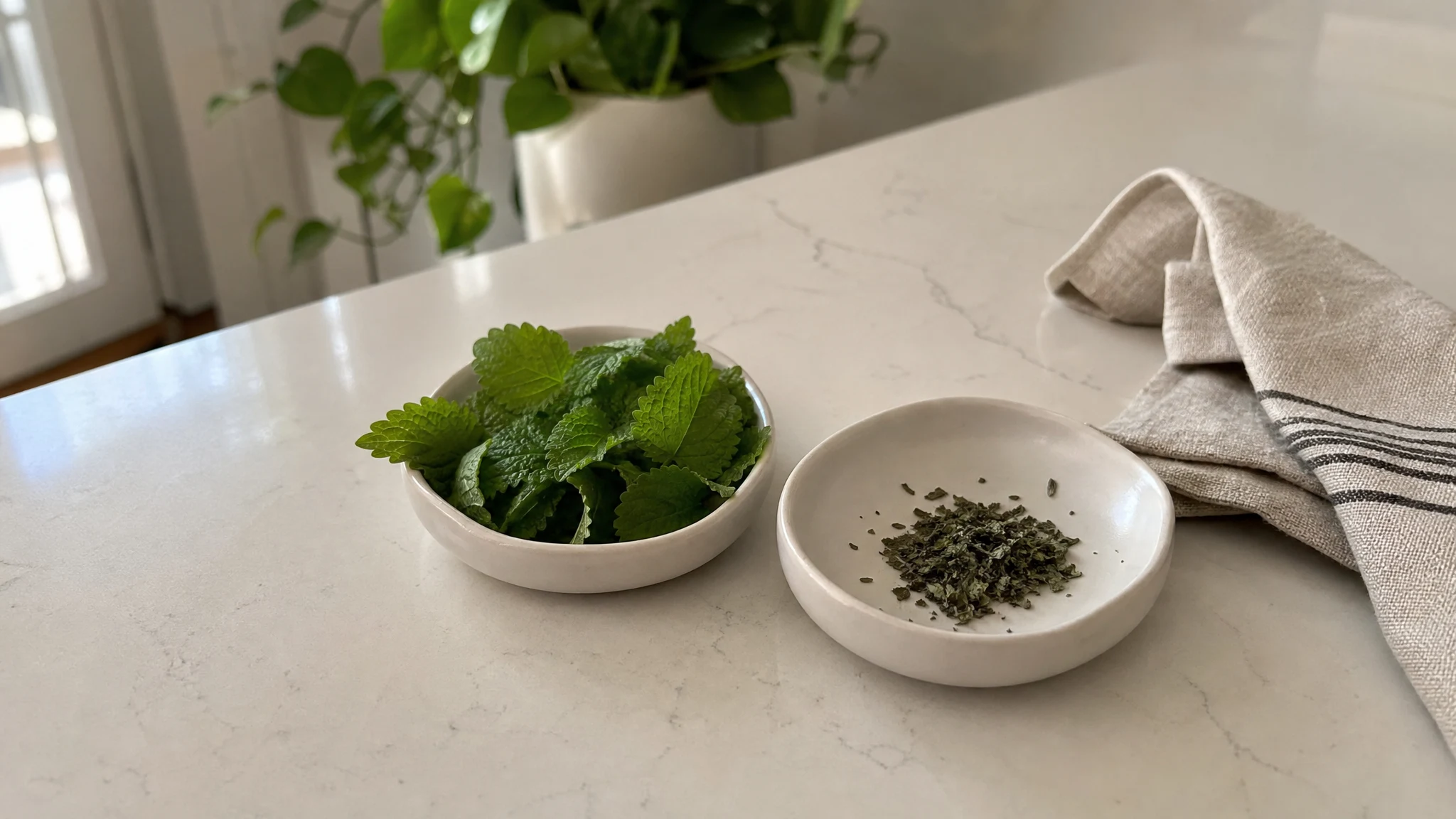
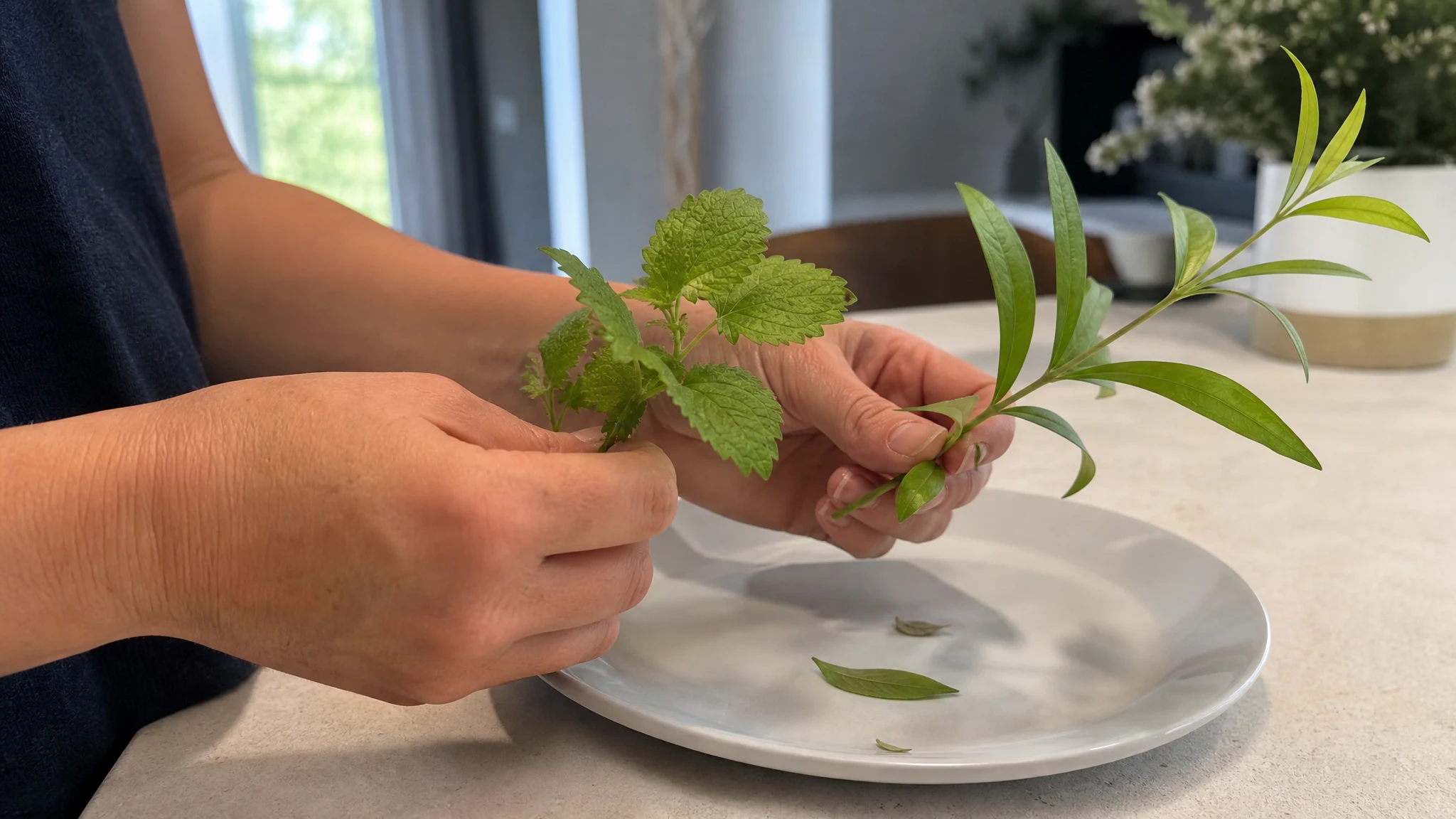
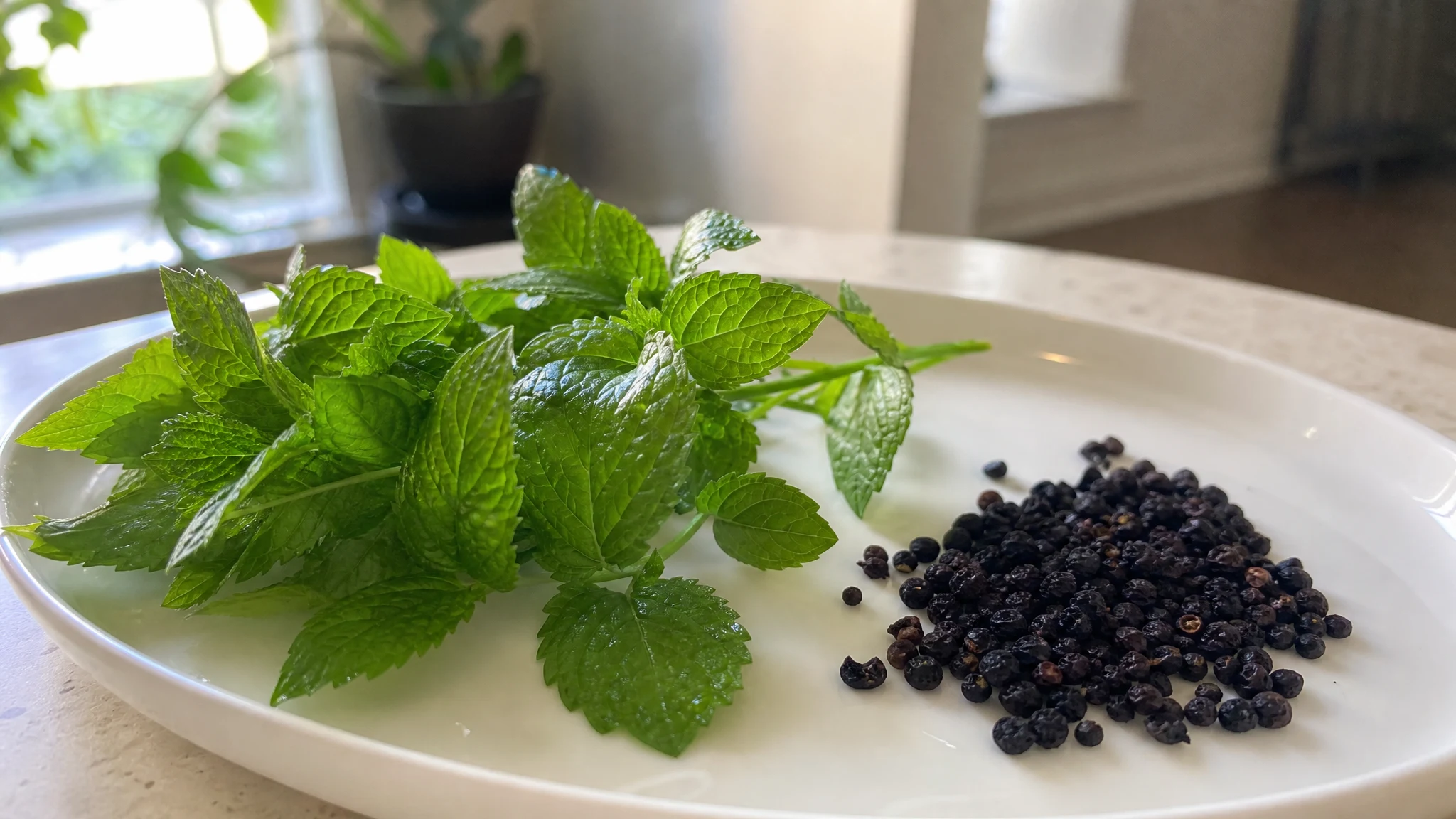
Melissa officinalis is a leafy herb, and its oil is dominated by those same two aldehydes. A 2022 review that compiles published melissa analyses reports geranial from 6.22% to 51.21% and neral from 4.28% to 35.02%, with some citronellal on top. The spread is wide because chemotype, season and origin all move it. So the two oils share a word on the label and almost nothing in the bottle: one is mostly limonene, the other is mostly citral. The Certificate of Analysis we publish for our batch lists density, refractive index and optical rotation, which describe the oil's physical character without breaking it down by compound.
Two different skin rulebooks
For expressed lemon, the documented concern is light. IFRA, the fragrance industry's safety body, caps cold-pressed lemon oil at 2.0% of the finished product in most product categories because of phototoxicity, and sets no restriction for categories such as soap and candles. The Tisserand Institute explains the reason: expressed citrus oils carry furanocoumarins, heavy molecules that can make skin react to UV light, and that does not happen with the distilled version, which contains very much less of them. In one analysis it cites, a distilled lemon oil held 22 times less bergapten than an expressed one. So with lemon, check whether the label says expressed or distilled before you choose a load.
Melissa's issue is different. IFRA's standard for melissa oil is driven by skin sensitization, and its limits are much lower: 0.15% in body lotions, creams and oils, 0.60% in fine fragrance and 1.2% in bar soap. IFRA's separate citral standard sets the same kind of figures for the constituent. These standards are written for fragrance suppliers rather than home crafters, but they are the clearest public yardstick we have.
Smell them side by side
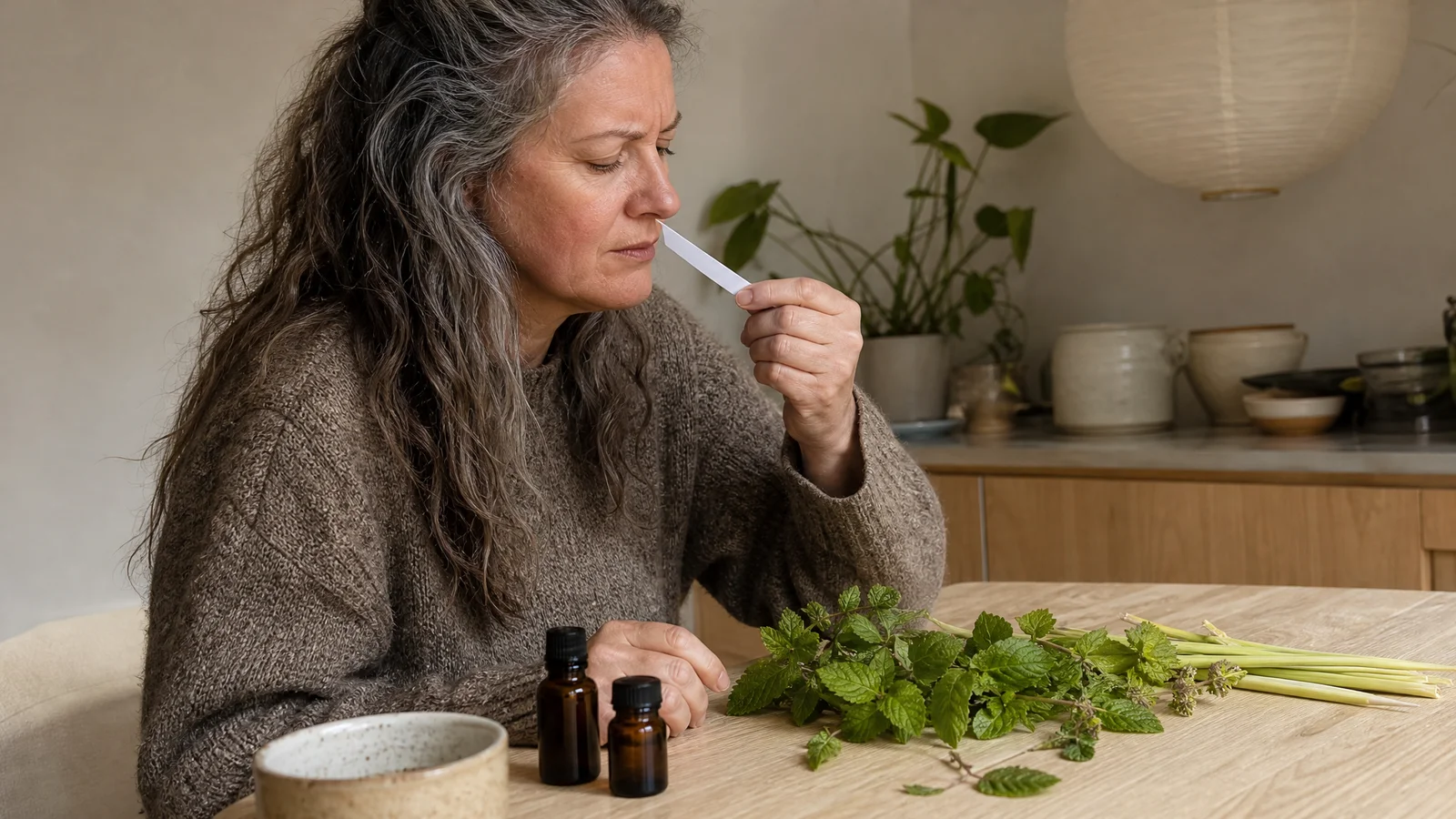
The best way to understand the difference is to put them next to each other. Put a drop of each on its own paper strip and hold them a hand's width from your nose. Lemon arrives like a squeezed peel: sharp, juicy and instantly cheerful. Melissa comes in softer, with a bright citrus lift that quickly settles into something leafier and greener, a little like crushed lemon balm leaves. Come back to the strips after half an hour and you'll notice how different they have become. The lemon has thinned out, while the melissa still has a herbal trace.
We love both for what they are. Lemon is the happy, uncomplicated one, and melissa is the one you lean in to find.
What that looks like in drops
Using the usual 20 drops to the millilitre, which is our arithmetic and a rough guide, 2.0% in one ounce of carrier is about 0.59 ml or roughly 12 drops, while 0.15% is about 0.044 ml, close to a single drop. That gap is the practical meaning of two rulebooks: a body product that welcomes a dozen drops of lemon has room for about one of melissa. Our own dilution guidance for skin is 0.5% to 2% in a carrier oil with a patch test first, and for melissa we would start at the low end of that range, and lower again for anything left on the skin, which is why we read the IFRA figure as the number to respect for lotions and butters.
A note on blending
People often ask whether one can stand in for the other. Our honest answer is that they do different jobs. If a recipe calls for a crisp lemon, melissa will taste, or rather smell, a little too soft and herbal. If a recipe wants a gentle green-lemon accent, a crisp peel oil can feel too loud. It is better to choose the note you want first, then check the rules for that oil.
Which one to reach for
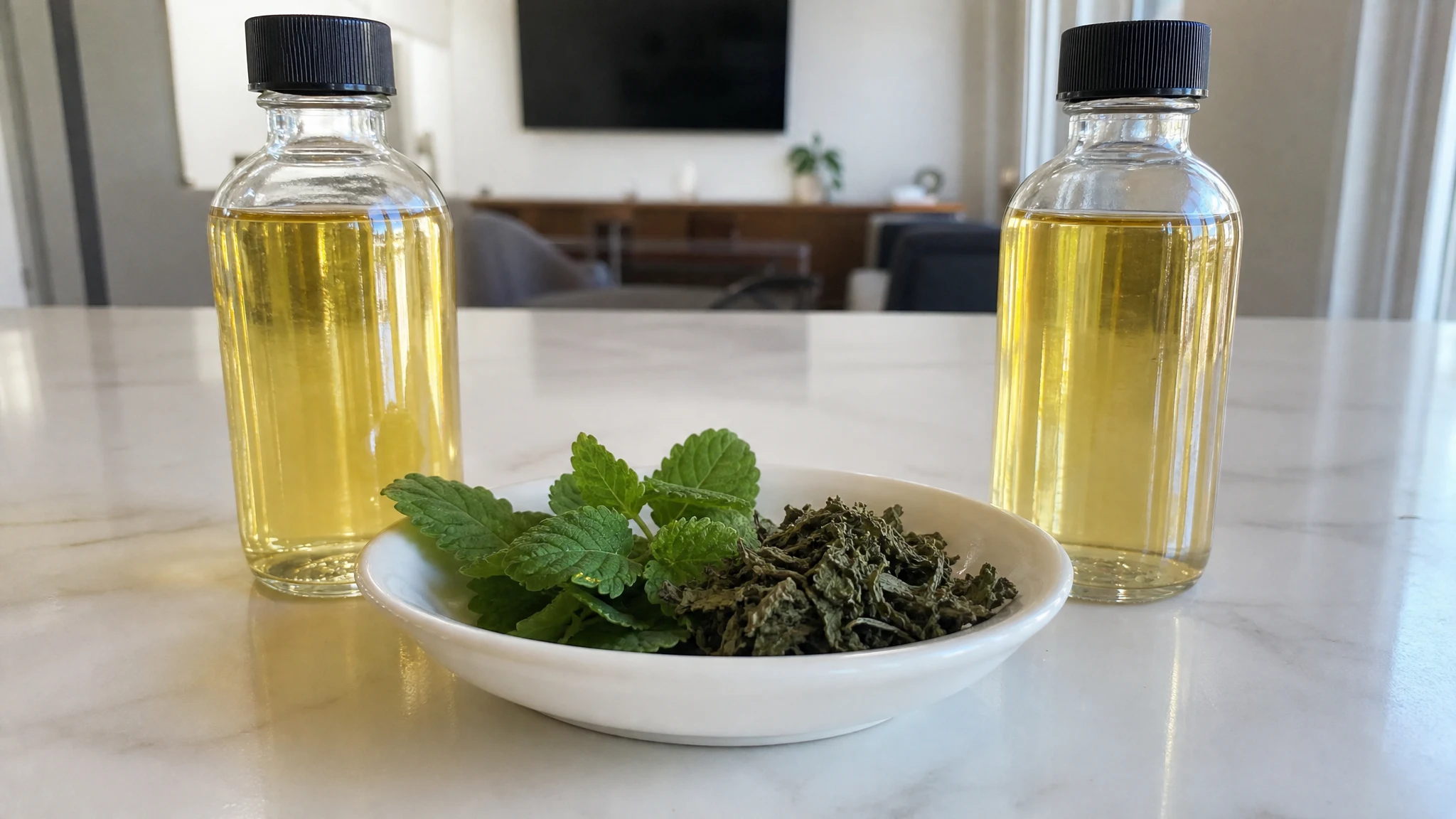
If you want a bright, sharp lemon note in a cleaner, a soap or a room spray, lemon is the right oil. We do not sell it, so a supply shop is the place to look, and the label should say expressed or distilled. If you want a rounder, greener, more delicate lemon-and-herb note, that is what our Melissa Essential Oil is sold for: we describe its aroma as delicate, lemony and herbal, with a bright citrus lift over a soft green heart. For the full scent picture, see what melissa smells like.
The two also sit differently on a budget. Melissa gives little oil from a lot of herb, which our price guide explains, and its low usage limits mean a small amount goes a long way, as our batch maths shows. The comparison with other lemon-scented oils continues in the lemongrass and citronella post and the lemon-scented roundup, and our skin and citral post goes deeper on the limits.
Think of them as two lemons for two jobs, a crisp one and a gentle herbal one, and choose by the note you want in the finished product.
Melissa Essential Oil
Melissa Essential Oil from our own shop, in sizes from 0.5 oz to bulk.
From $23.99
Shop Now →Sources & Further Reading
- EFSA FEEDAP Panel, Safety and efficacy of feed additives consisting of expressed lemon oil and its fractions from Citrus limon (L.) Osbeck and of lime oil from Citrus aurantiifolia (Christm.) Swingle for use in all animal species (FEFANA asbl). EFSA Journal 2021, PMC8085978
- Petrisor G et al., Melissa officinalis: Composition, Pharmacological Effects and Derived Release Systems - A Review. Int J Mol Sci 2022, PMC8998931
- IFRA, Melissa oil (genuine Melissa officinalis L.), Lemon oil cold pressed and Citral standards, Amendment 49 (2020), in the IFRA Standards 51st Amendment. IFRA Standards, 51st Amendment
- Tisserand Institute, Phototoxicity: essential oils, sun and safety. Phototoxicity: essential oils, sun and safety - Tisserand Institute