Melissa vs Lemon Verbena: Two Lemons Compared
Lemon verbena and melissa can sit side by side on a perfumer's shelf and both smell like a sunny lemon-herb garden. Open the rulebook, though, and they part ways at once: the international fragrance industry's standard for verbena oil says not to use it as a fragrance ingredient at all, while melissa oil is allowed in small, clearly stated amounts. That single fact decides most real-world choices between the two.
Melissa Essential Oil
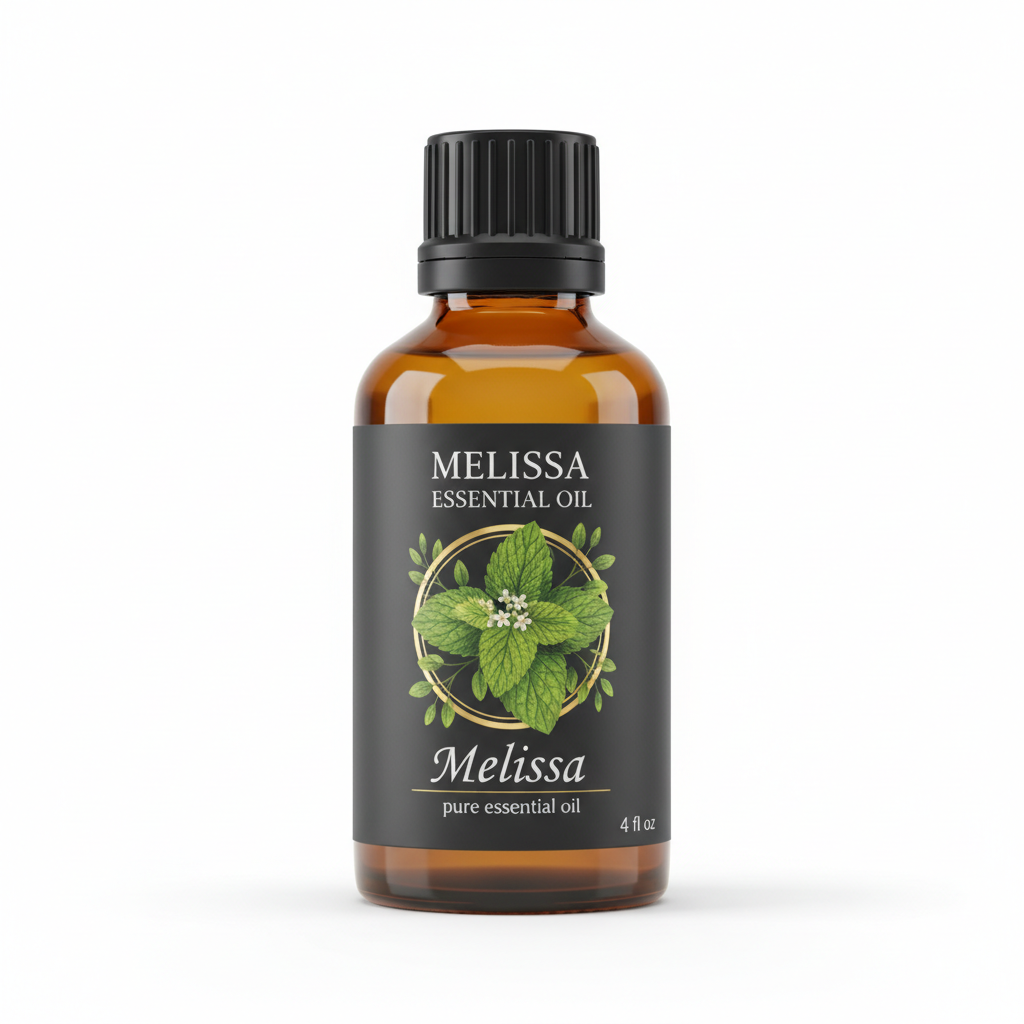
Our own Melissa Essential Oil, in sizes from 0.5 oz to bulk.
From $23.99
Shop Now →Two plants that only look like cousins
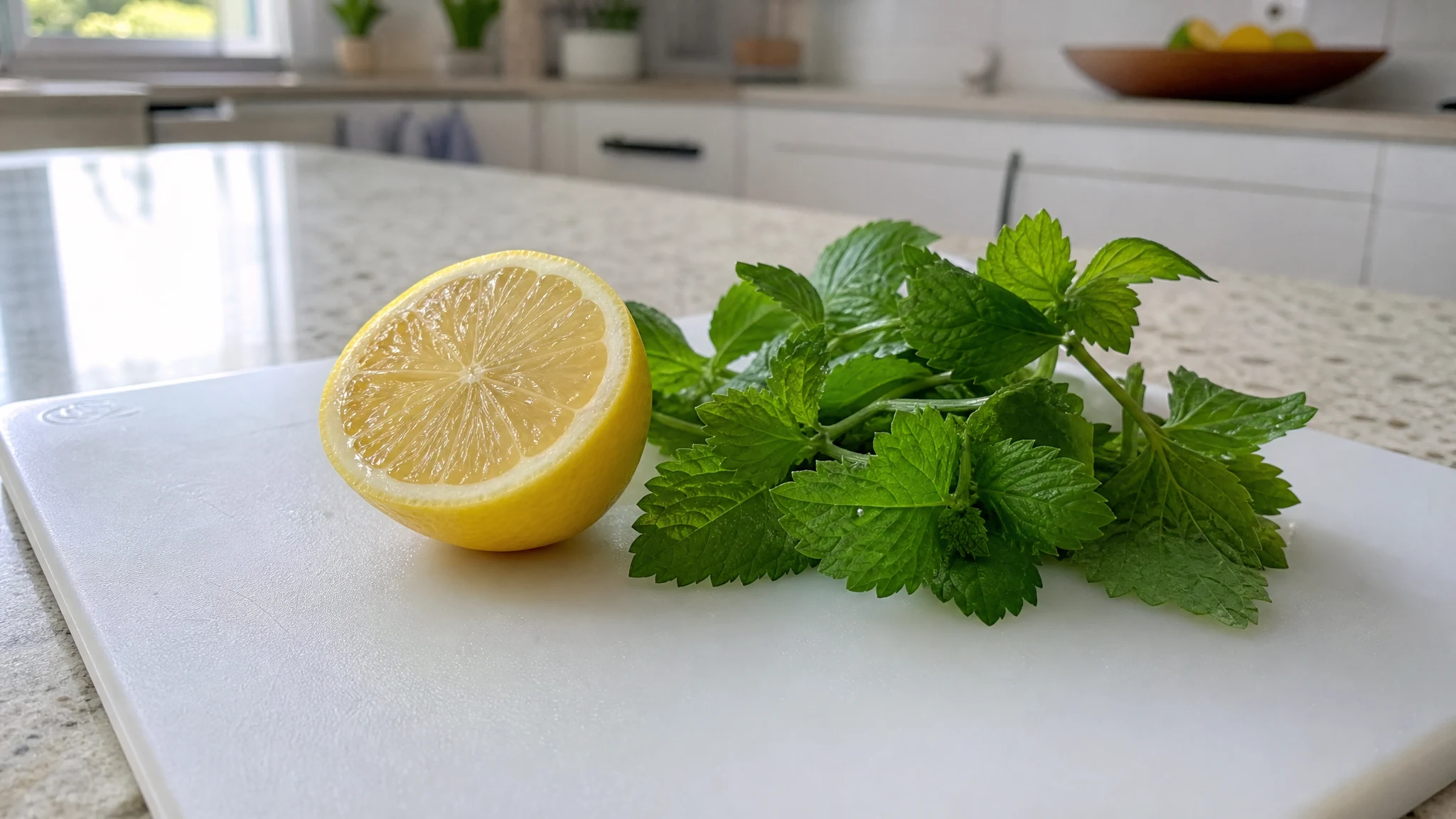
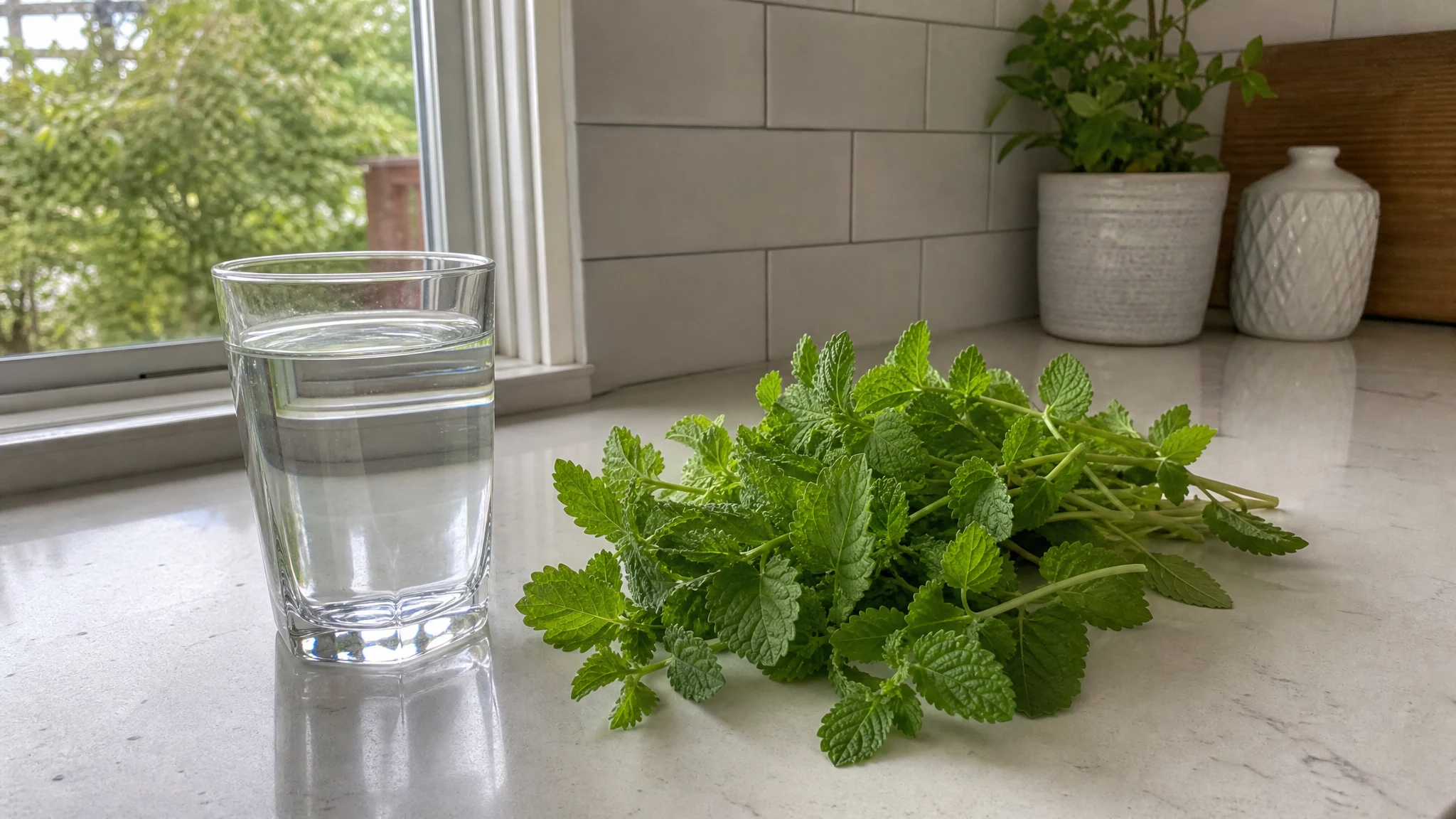
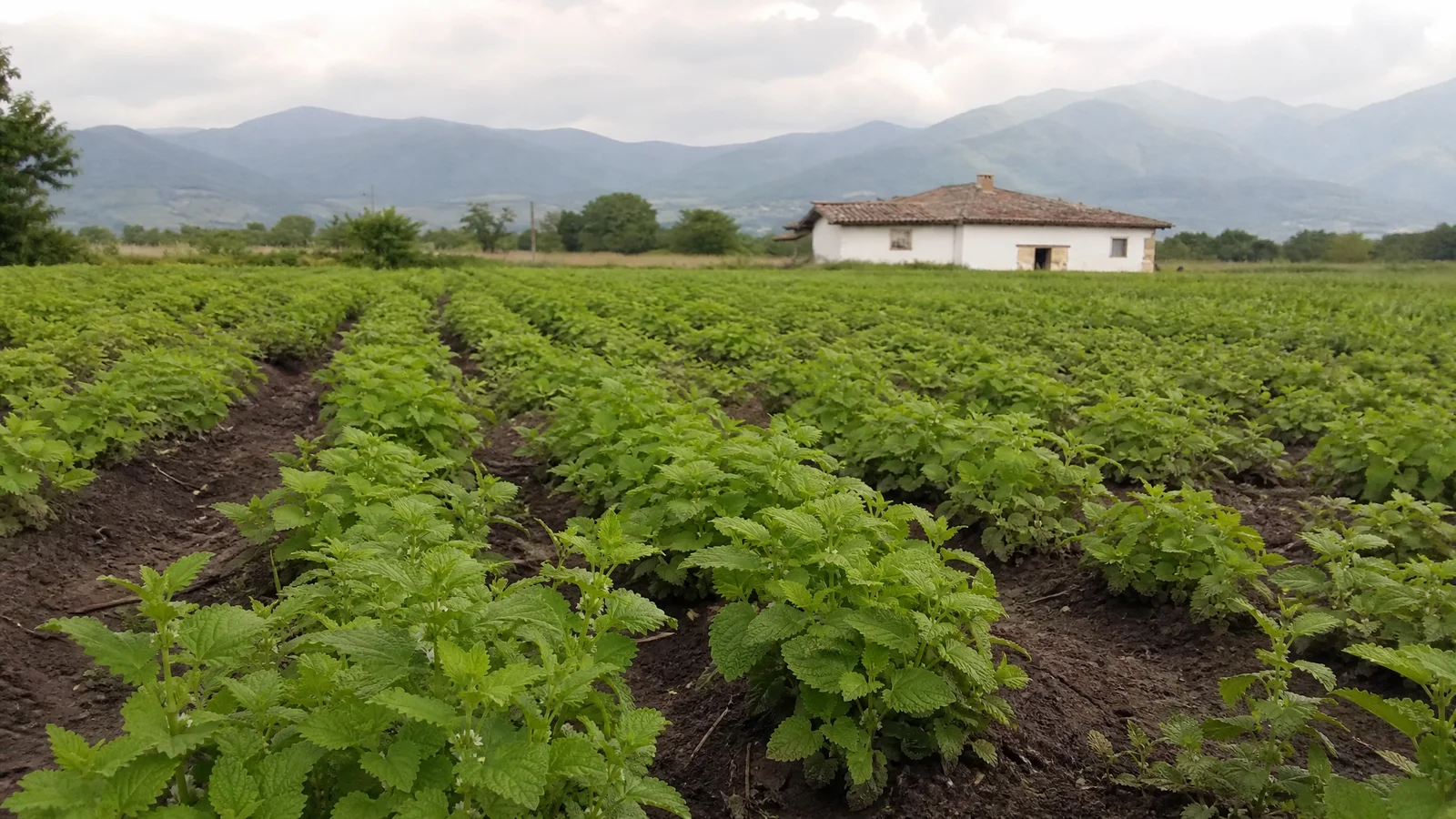
Melissa (Melissa officinalis, lemon balm) belongs to the mint family, Lamiaceae. Lemon verbena, now botanically named Aloysia citrodora, is a member of the unrelated Verbenaceae, and it goes by older names too, including Lippia citrodora (Sprea et al., 2023). That old name matters, because it is the one the industry rulebook still uses.
What links them is chemistry. Both oils can be rich in citral, the pair of aldehydes called geranial and neral that gives lemon-balm, lemongrass and lemon verbena their bright, sweet-sour lift. A Portuguese study of lemon verbena oil found geranial at roughly 19% to 21% and neral at roughly 15% to 16%, followed by spathulenol and limonene (Sprea et al., 2023). A review of melissa analyses reports geranial anywhere from about 6% to 51% and neral from about 4% to 35% (Petrisor et al., 2022). The ranges overlap so heavily that a citral percentage alone will not tell you which plant is in the bottle.
Where the rulebook splits them
IFRA, the fragrance industry's self-regulating body, publishes a standard for each. For verbena it recommends that oils from Lippia citriodora "should not be used as a fragrance ingredient," citing sensitizing and phototoxic potential. Only the absolute is restricted rather than prohibited, with a ceiling of 0.69% in fine fragrance. For melissa oil the standard is a restriction, driven by dermal sensitization, with a ceiling of 0.60% of the oil in a fine fragrance and 0.15% in body lotions and creams.
Put plainly, if your formula needs to meet IFRA, verbena oil is out and melissa oil is in, at a low dose. If you are weighing the two for a product you plan to sell, a cosmetic regulatory consultant is the right person to confirm what applies to your specific formula and market, since IFRA standards are an industry code and not a law.
How they smell, as far as the sources tell us
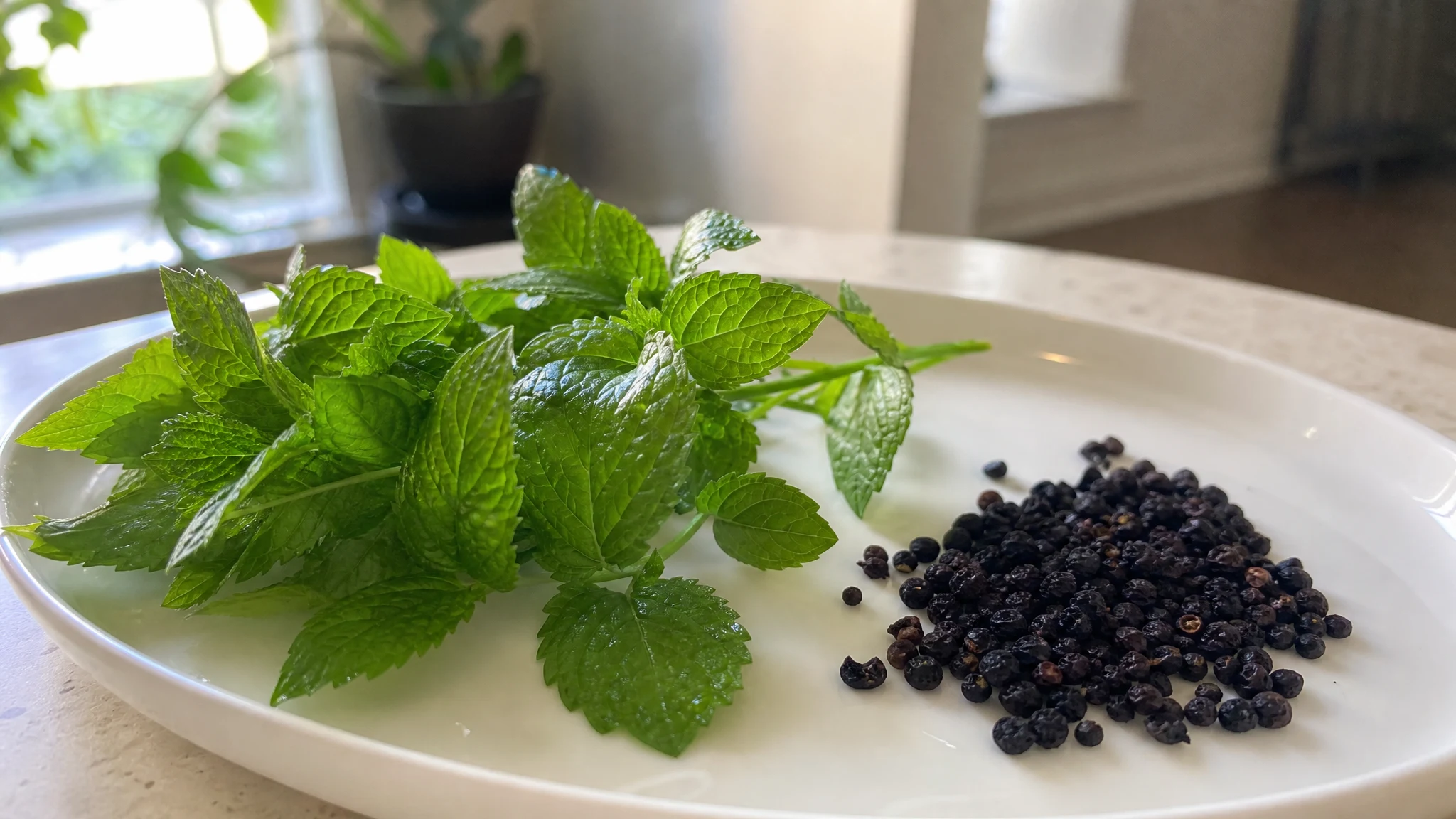
We sell melissa, so here is how we describe it: delicate, lemony and herbal, a bright citrus lift over a soft green heart. It sits as a top to middle note and reads rounder, greener and more delicate than lemongrass or litsea. Lemon verbena oil is described in the literature as having a lemony scent, and the researchers link its citric character to citral together with limonene (Sprea et al., 2023). Reasoning from the composition, a verbena oil with plenty of limonene should read a little more like fresh lemon peel, while melissa leans herbal and green. That is an inference from the chemistry, so smell a diluted sample of anything before you commit a formula to it.
What this means for a formula
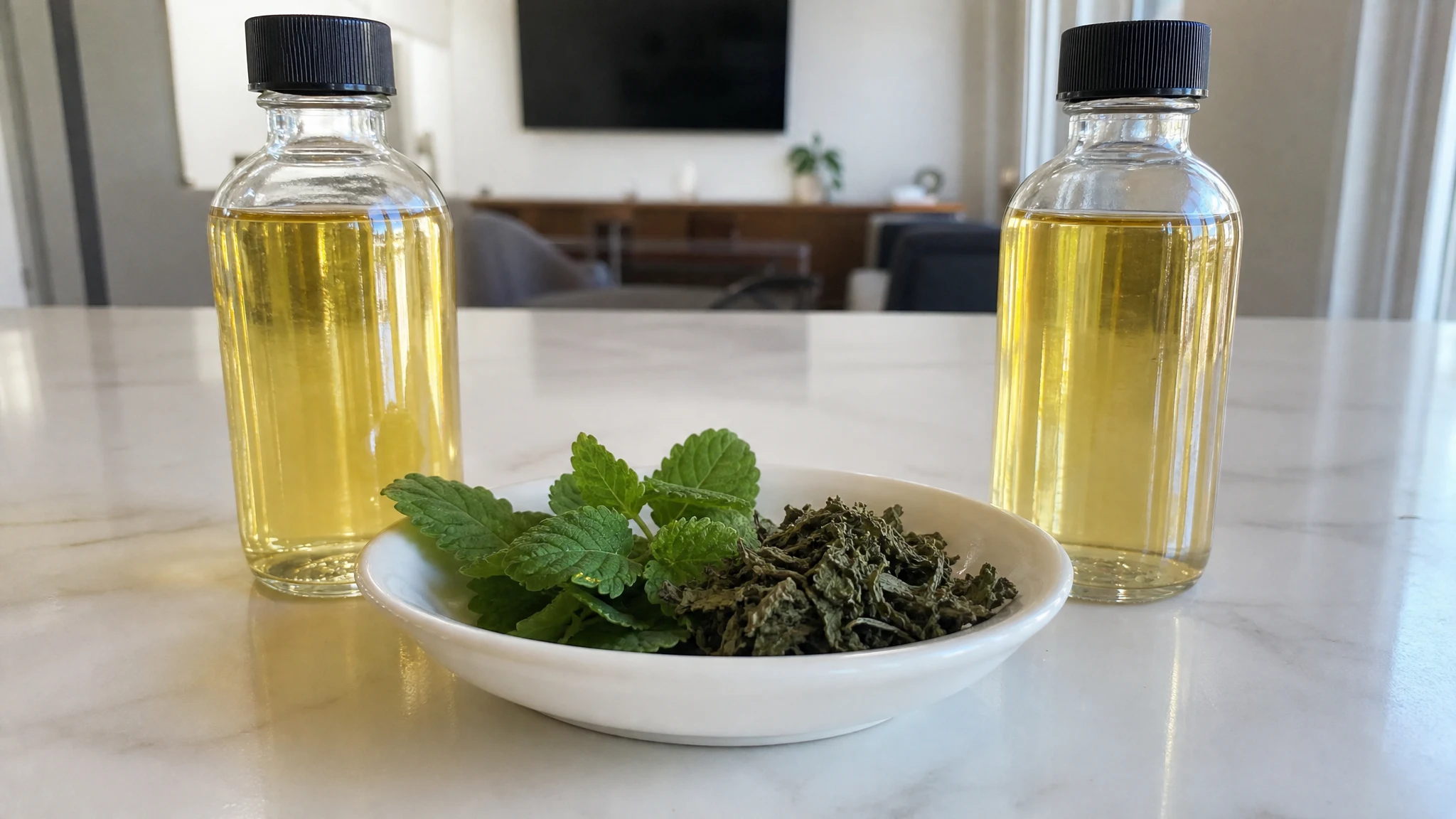
Work the arithmetic once and the 0.60% ceiling stops being abstract. Take 8 g of finished perfume, roughly a 10 ml bottle (our assumption, since ethanol blends weigh a little under a gram per milliliter). Our melissa oil has a relative density of 0.888 on the batch behind our Certificate of Analysis, and a dropper delivers about 20 drops to the milliliter, so 0.60% of 8 g is about 0.048 g, or roughly one drop. Melissa is therefore an accent that brightens a blend, not a lemon you build a perfume around. If you want a loud, realistic lemon, a citrus-peel oil is the better tool, and you will find it at a perfumery supply or craft shop.
For skin products the same logic applies at lower numbers. Our dilution guidance is 0.5% to 2% in a carrier with a patch test first, but for leave-on body products the IFRA figure for melissa oil is 0.15%, so that is where we would start, and we would not call the top of our range a comfortable ceiling for a lotion. Our skin and citral post walks through patch tests and the sensible precautions.
A garden picture
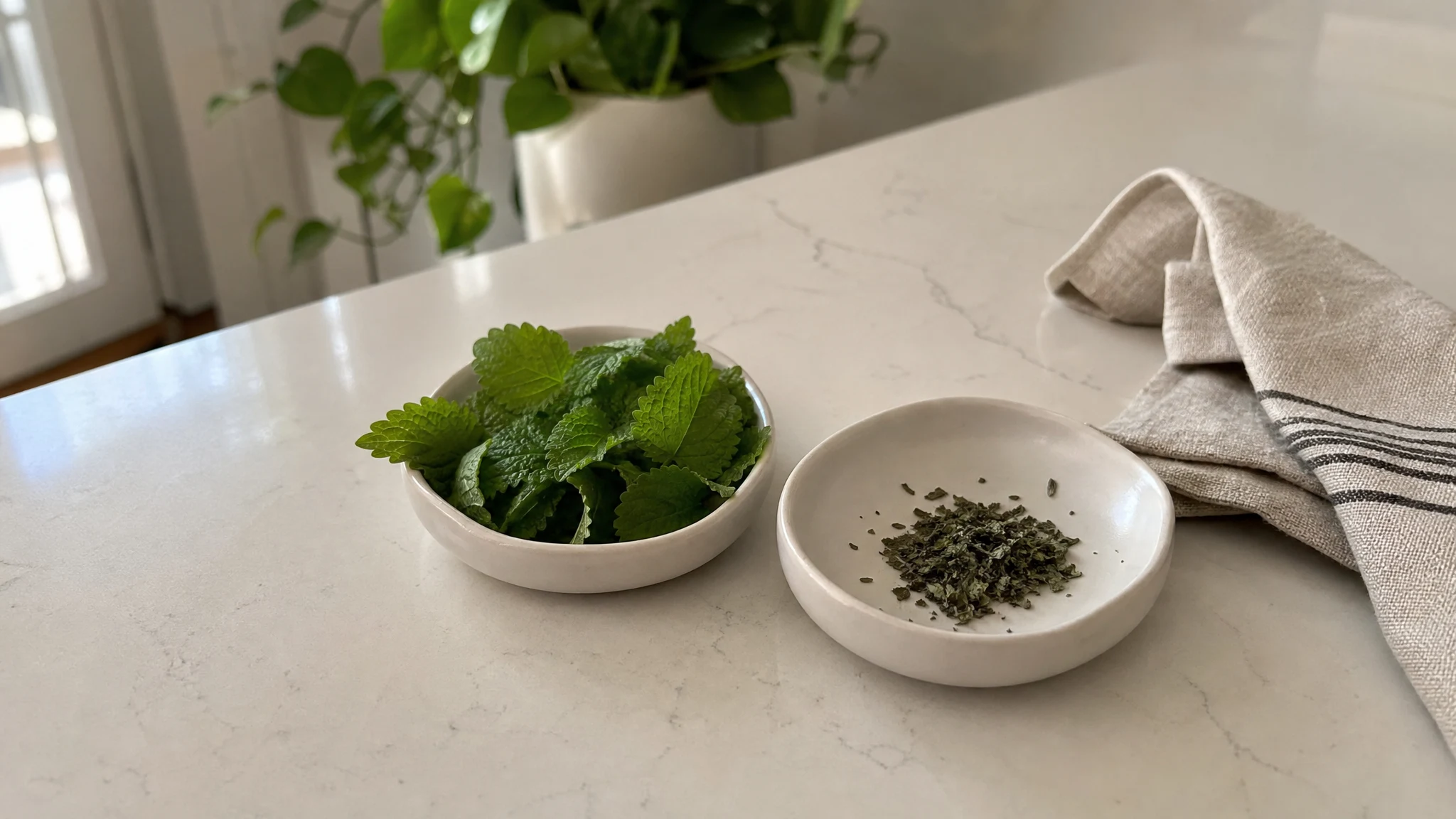
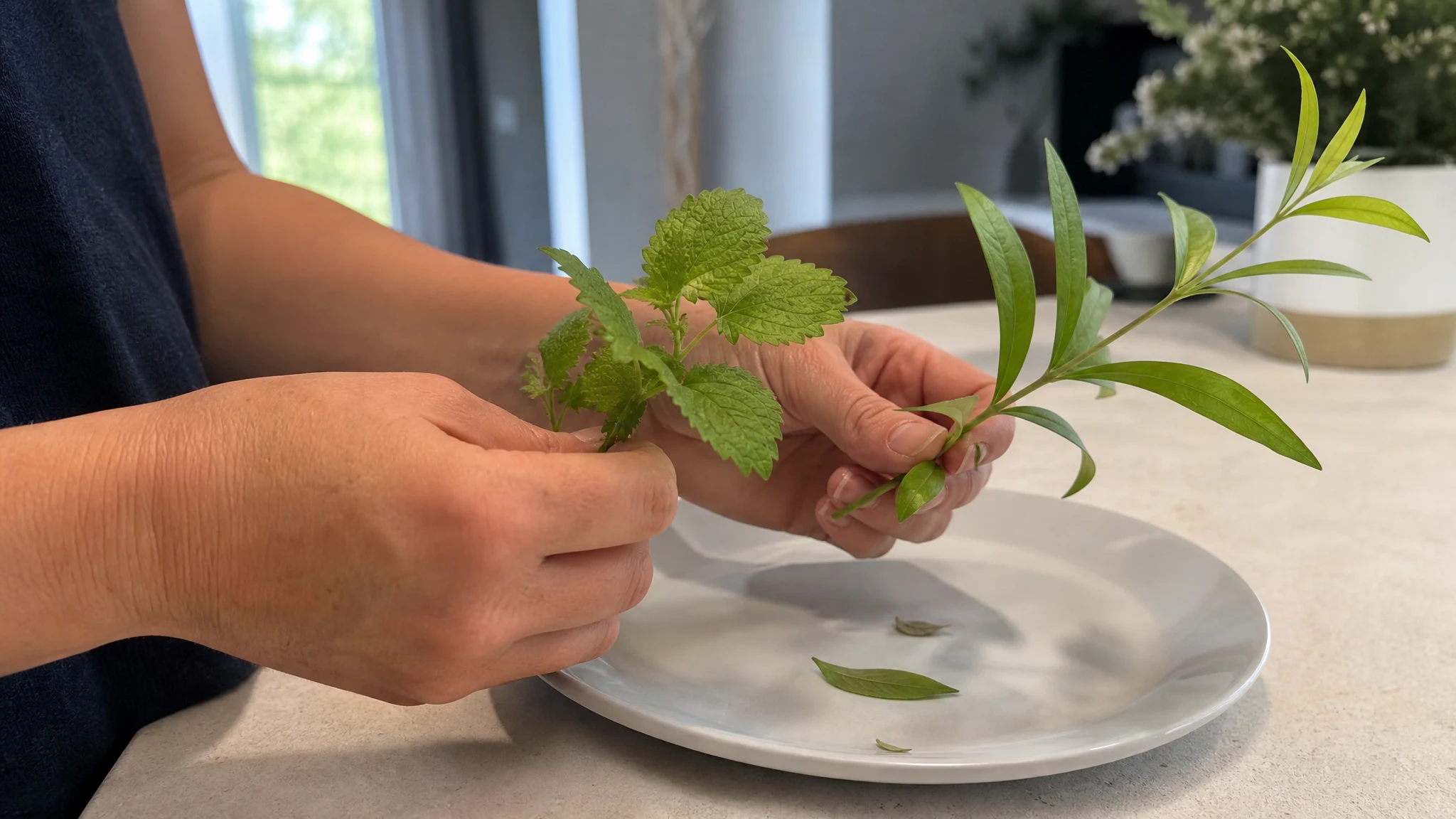
If it helps, picture two plants in a sunny herb bed. One has soft, slightly furry leaves you rub for a green, lemony smell. The other has narrow, rough leaves with a sweeter, more perfumed lemon. That is roughly how we imagine the difference when the two come up in conversation, and it fits the way melissa feels as an oil: rounder, greener and gentler. We would always rather you smell than read, so if you can get a small amount of each on paper strips, compare them side by side.
Choosing between them
Choose melissa when you want a soft, green-lemon accent that you can document and dose. Treat verbena oil as a material to run past a regulatory professional first. If what you are really after is a lemon note and you are comparing candidates, our lemongrass and citronella comparison and our lemon-scented oils roundup put the look-alikes side by side, and our perfumery guide shows how to fit a small dose into a formula. The Certificate of Analysis we publish for one batch lists density, refractive index and optical rotation; if you need a GC-MS profile, ask us in writing through the contact page before ordering.
Two lemon-scented plants, one rulebook entry that welcomes it and one that does not: that is a useful thing to know before you fall for a scent.
Melissa Essential Oil
Melissa Essential Oil from our own shop, in sizes from 0.5 oz to bulk.
From $23.99
Shop Now →Sources & Further Reading
- IFRA. "Melissa oil (genuine Melissa officinalis L.)," Amendment 49 (2020), in IFRA Standards, 51st Amendment compendium. ifrafragrance.org
- IFRA. "Verbena oil and absolute (Lippia citriodora Kunth.)," Amendment 49 (2020). ifrafragrance.org
- Sprea et al., 2023. "Volatile Compounds and Biological Activity of the Essential Oil of Aloysia citrodora Paláu: Comparison of Hydrodistillation and Microwave-Assisted Hydrodistillation." Molecules. PMC10254266
- Petrisor et al., 2022. "Melissa officinalis: Composition, Pharmacological Effects and Derived Release Systems-A Review." Int J Mol Sci. PMC8998931