Homemade Melissa Cologne: A Weighed Recipe
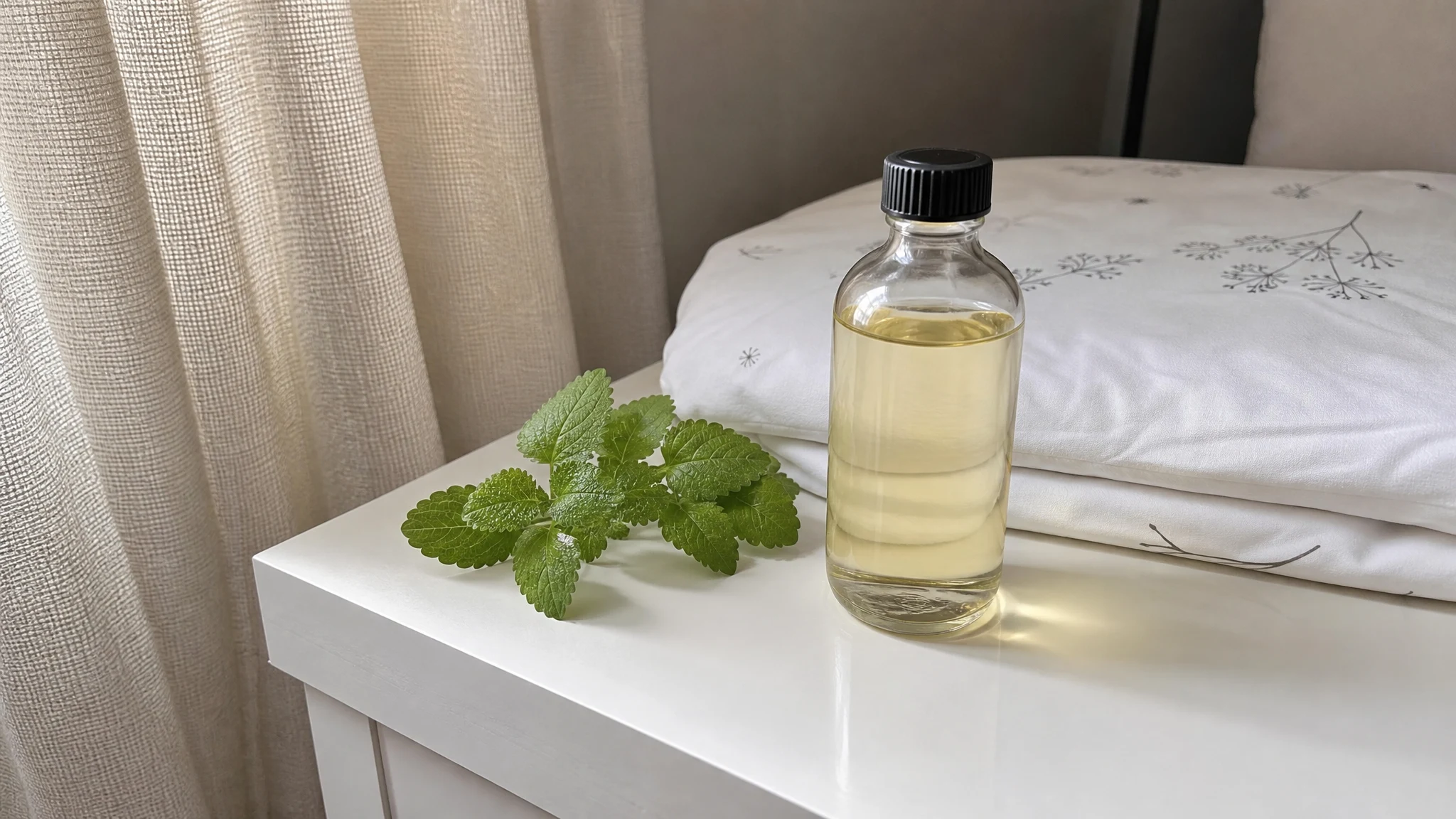
A classic cologne is light, bright and a little fleeting, which makes melissa a natural candidate: a lemony top note that suits a spirit base. It is also a project for a kitchen scale. IFRA's ceiling for melissa oil in a cologne is 0.60% of the finished product, so for every 100 g of cologne the oil can be at most 0.6 g, about a dozen drops. Here is how to build one around that number.
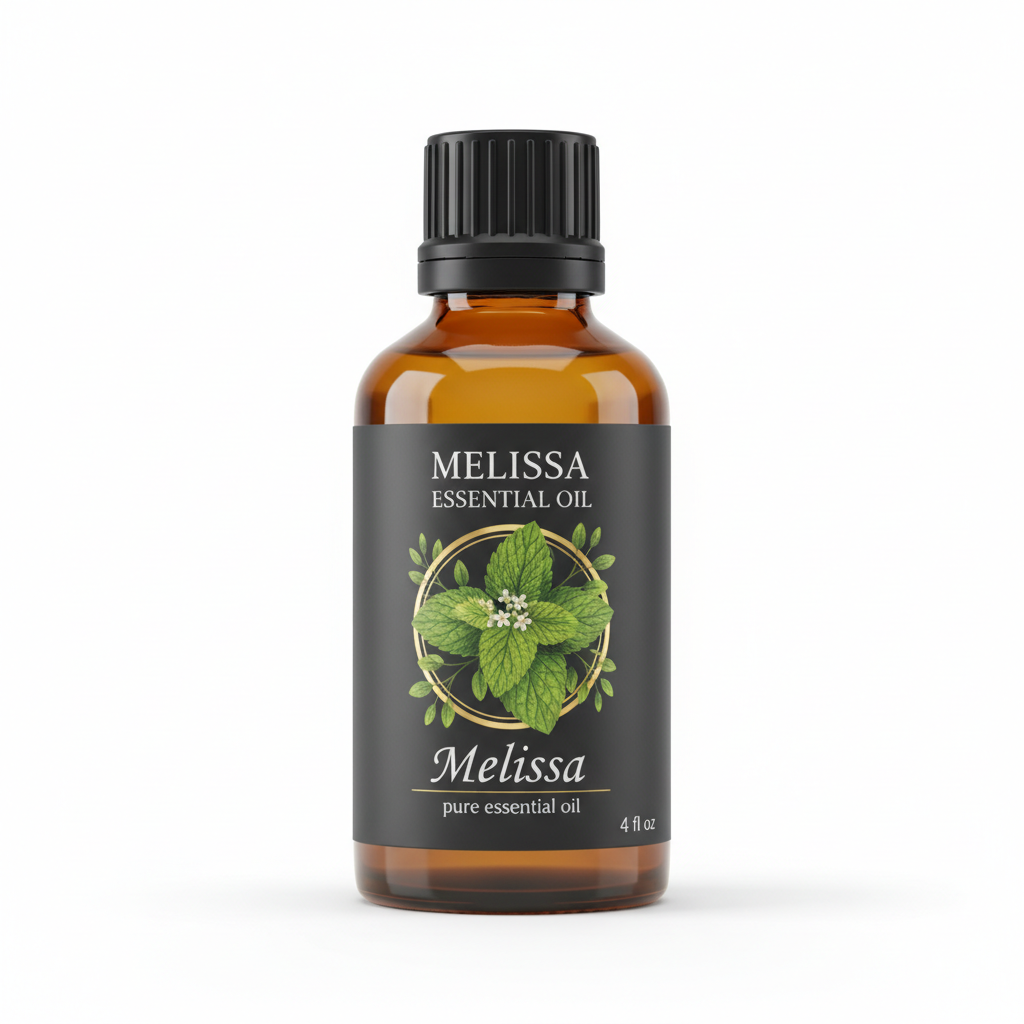
Melissa Essential Oil
Our own Melissa Essential Oil, in sizes from 0.5 oz to bulk.
From $23.99
Shop Now →Start from the ceiling
Our dilution guidance is 0.5% to 2% in a carrier oil with a patch test first, written for oil blends rather than spirits. For melissa, two published figures sit below the top of that range. A Robert Tisserand handout, Essential Oils & The Skin, Part 4 of 9 - Irritation & Allergy, lists "Melissa EO" at 0.9% maximum for skin, based on citral. The IFRA standard allows 0.60% in category 4, which IFRA's guidance assigns to cologne and solid perfume, and 0.15% in category 5A for body oils and lotions. So we recommend working at or below 0.5%, and keeping the 2% end of our carrier range out of a spirit.
A drop is about 0.044 g (arithmetic from the 0.888 relative density on the Certificate of Analysis we publish for one batch and roughly 20 drops per ml), so one drop is 0.044% of a 100 g cologne. That is why weighing beats counting here.
| Melissa in 100 g cologne | Grams | About how many drops | Reference |
|---|---|---|---|
| 0.15% | 0.15 | 3 | IFRA category 5A (body oils and lotions) |
| 0.30% | 0.30 | 7 | Under category 4 |
| 0.50% | 0.50 | 11 | Our working ceiling |
| 0.60% | 0.60 | 13 | IFRA category 4 maximum |
| 0.90% | 0.90 | 20 | Tisserand maximum |
A spirit is a different way of wearing the oil, not a milder one, so the patch test stays. A cologne is meant for neck and wrists. Smoothing it over a large area of skin is body-oil use, where the figure is 0.15%.
The spirit and how much fragrance
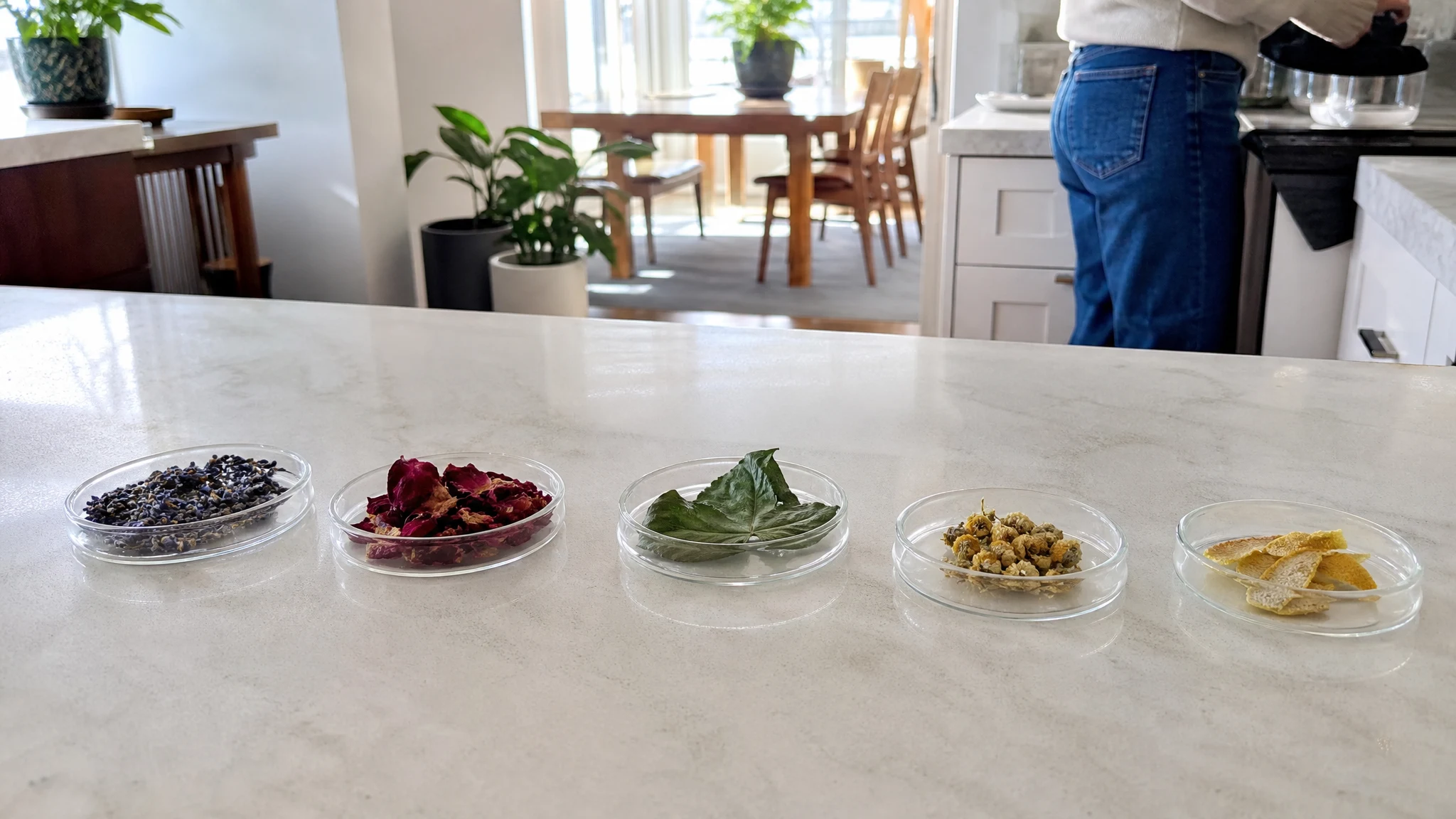
Dave Lackie's Your Guide to Scent Concentrations gives eau de cologne as 1 to 5% fragrance. The formulation below sits at 3%, which means melissa is one sixth of the fragrance, and the other five sixths is yours to choose.
We sell neat oil and do not sell ethanol, bottles or other aromatics, so the spirit comes from a craft or perfumery supplier. Ask what the denaturant is and what strength the alcohol is, and ask for the safety data sheet. On vodka: at about 40% it is 60% water, and the Tisserand Institute's bath safety page says alcohol needs to be at least 160 proof (80%), preferably 190, to carry essential oil in water. That page is about baths, but reasoning from it, a high-proof spirit is the better base, and a watery one is likely to turn cloudy. Ethanol is flammable, so mix at room temperature, never warm it on a stove, and keep it away from flames, candles and hot appliances.
A 100 g cologne
- Melissa oil: 0.50 g (about 11 drops)
- Other aromatic oils: 2.50 g in total, each checked against its own IFRA standard
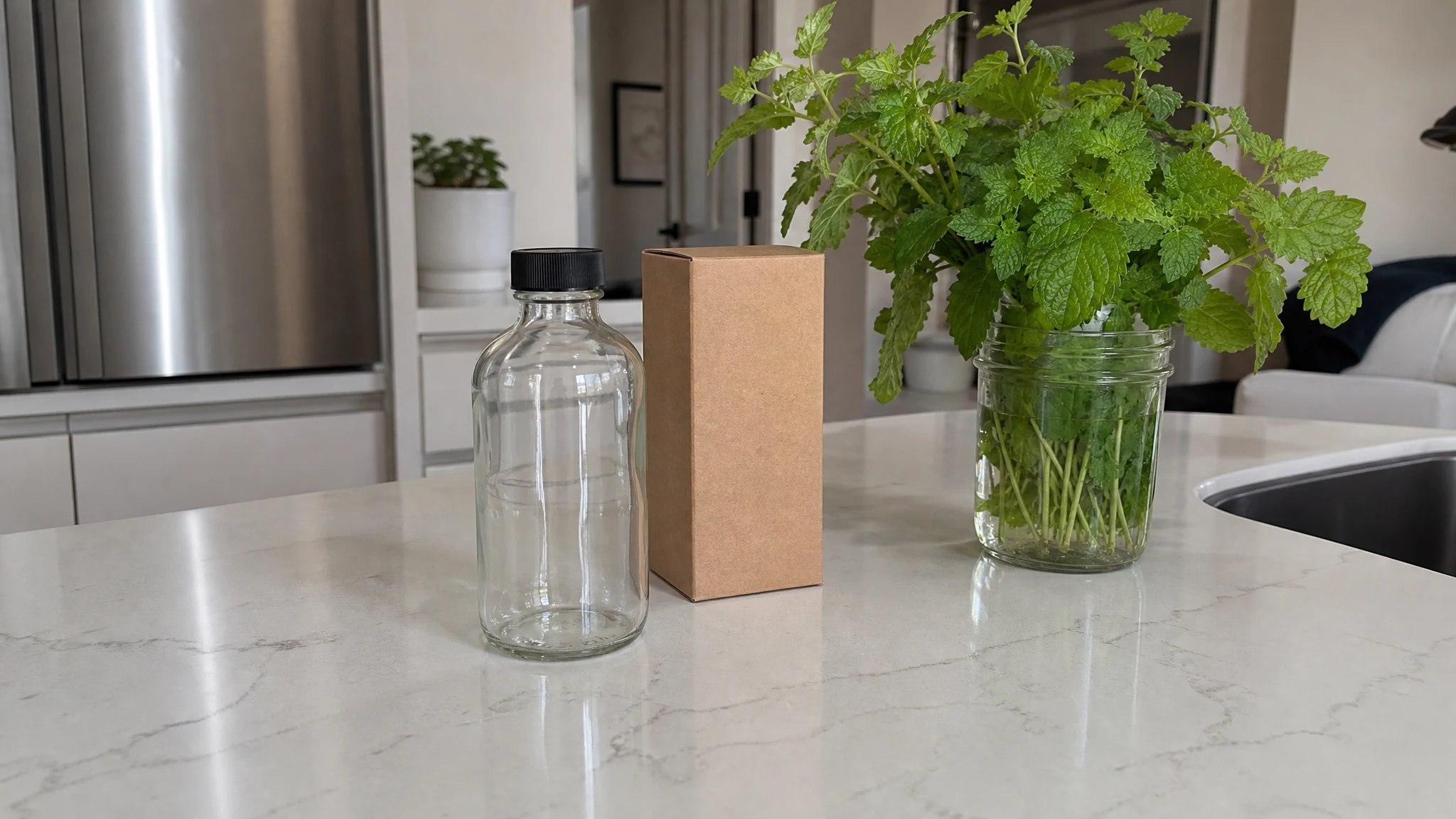
- High-proof ethanol: about 97 g, to bring the batch to 100 g on the scale
Weigh the oils into a clean glass bottle, add the ethanol by weight, cap and swirl. Smell it over the next few days; if it turns cloudy, filter it through a coffee filter and make a note of what you did. Make 100 g rather than a litre for a first batch, label it with the date and percentage, and patch test the finished cologne, not just the oil. Our product page calls melissa a top-to-middle note, so expect it to open bright and soften, which is how a good cologne behaves anyway.
Giving it a few days
A fresh cologne is not at its best right away. Mix it, cap it, and tuck it into a dark cupboard for a few days, then smell it again. You may notice that the first sharp alcohol edge has softened and the lemon sits more comfortably in the blend. Spray or dab a little on a paper strip, wave it in the air and smell it at the start and again an hour later, noting what has changed.
Write the recipe on a card in grams, with the date and the percentage, and keep the card with the bottle. If you love the result, you will want to repeat it exactly. If you do not, the card tells you what to change next time.
A note on citral
Melissa oil is rich in citral, but how much varies. The Petrisor review compiles geranial from 6.22% to 51.21% and neral from 4.28% to 35.02% across studies, with Tunisian and Greek samples reported to lack citral. The Certificate of Analysis we publish lists physical data, not citral, so we cannot give a figure for our oil. As arithmetic only, if the oil were 80% citral, 0.5% oil would put 0.4% citral in the cologne, under IFRA's citral cap of 0.60% for category 4. If you plan to sell it, citral is one of the fragrance allergens that must be declared in some markets once it passes a very low threshold, and our allergen labeling article shows the arithmetic. A regulatory consultant should review a label.
When another format fits better
Anyone with a history of fragrance reactions, irritated or broken skin, or who is choosing something for a child or pet should skip this and ask a doctor, dermatologist or veterinarian. For a waxy, alcohol-free version, try the solid perfume balm, and for an oil format the roll-on, which does the same weight arithmetic in jojoba. The skin and citral guide compares the limits with our range, and the lemon balm history post tells how this herb earned its place in old toilet waters.
A cologne is a weight calculation first and a recipe second. Once the numbers are settled, the fun is choosing what stands beside the melissa.
Melissa Essential Oil
Melissa Essential Oil from our own shop, in sizes from 0.5 oz to bulk.
From $23.99
Shop Now →Sources & Further Reading
- IFRA, January 2024. The complete IFRA Standards (Melissa oil, genuine Melissa officinalis L., Amendment 49; Citral).
- IFRA, 30 June 2023. Guidance for the Use of IFRA Standards.
- Tisserand R., 2013. Essential Oils & The Skin, Part 4 of 9 - Irritation & Allergy. Tisserand Institute.
- Tisserand Institute. Bath Safety: how to use essential oils safely in the bath.
- Petrisor G. et al., 2022. Melissa officinalis: Composition, Pharmacological Effects and Derived Release Systems-A Review. International Journal of Molecular Sciences.
- Lackie D., 2025. Your Guide to Scent Concentrations.