Does Melissa Oil Go Bad? How to Read an Old Bottle
Somewhere in most households there is a small bottle of essential oil that has outlasted its owner's enthusiasm, pushed to the back of a drawer. Melissa oil is a particularly interesting one to find, because its charm is a bright, lemony top note, and a top note is the first thing time takes. Yes, melissa oil can go bad, though not in the way milk does. It drifts, and the useful skill is knowing how to read the drift.
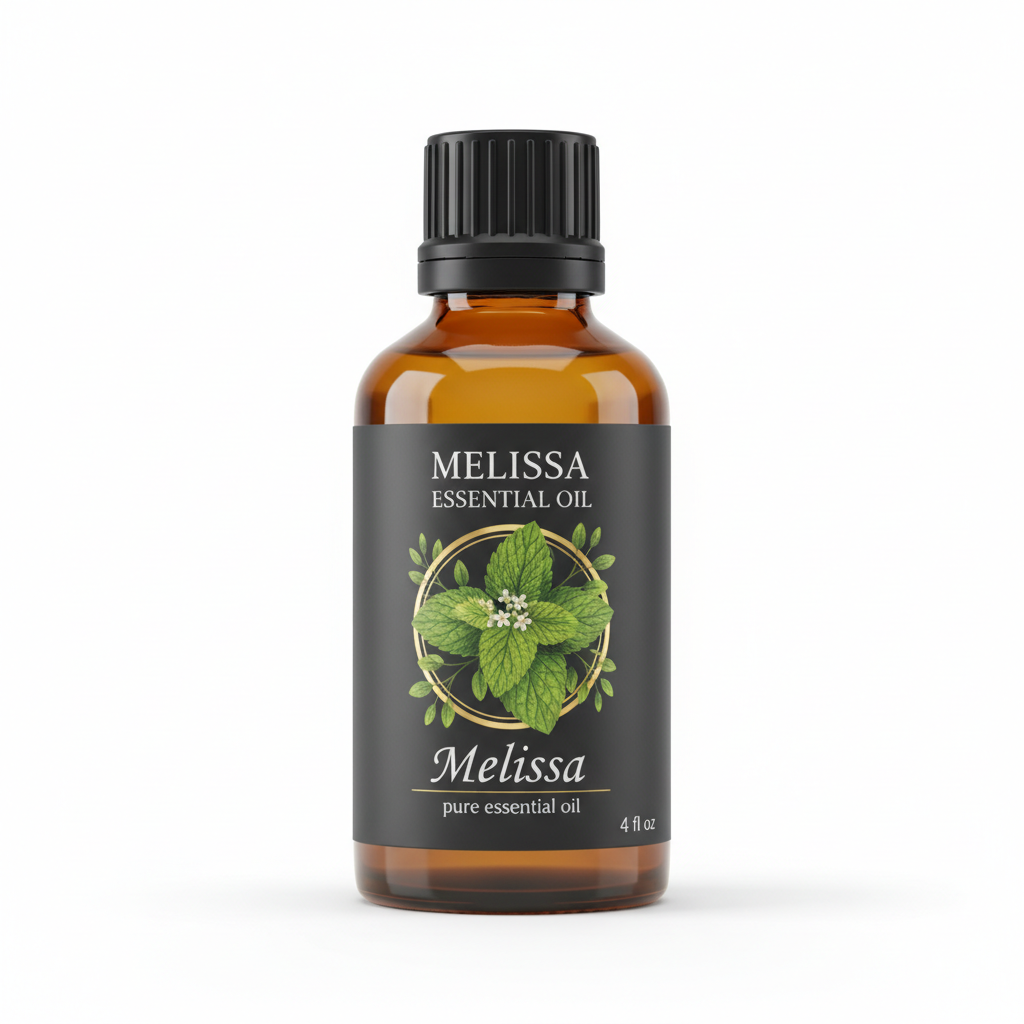
Melissa Essential Oil
Our own Melissa Essential Oil, in sizes from 0.5 oz to bulk.
From $23.99
Shop Now →What is actually happening in the bottle
Essential oils are mixtures of small, reactive molecules, and many of them are unsaturated, which means they react with oxygen. Turek and Stintzing's review of essential oil stability describes this as autoxidation: oxygen sets off a chain of reactions that first builds up compounds called hydroperoxides and then breaks them down into a crowd of other substances. Temperature, light and the availability of oxygen are the three big drivers. The review also found that oils changed more in half-filled containers than in nearly full ones, which is a quiet reason a bottle that has been opened many times ages faster than a sealed one.
For melissa, the lemony character comes mainly from the citral pair, geranial and neral, with citronellal alongside, according to a composition review by Petrisor and colleagues. The proportions vary a lot from plant to plant, so we would not promise how any one bottle will age. The general picture holds, though: a bright oil built from reactive aldehydes is one worth keeping cool, dark and well filled.
Four checks for an old bottle
1. The date
Start with how old it is. Our guidance is that melissa typically keeps for 1 to 2 years when stored tightly capped in a cool, dark place, and the Tisserand Institute says the same of most essential oils: at least one to two years, with a wide range, and mostly no concern if you use an oil within 6 to 12 months. If you never wrote a date on the bottle, a receipt or order email will tell you.
2. The smell
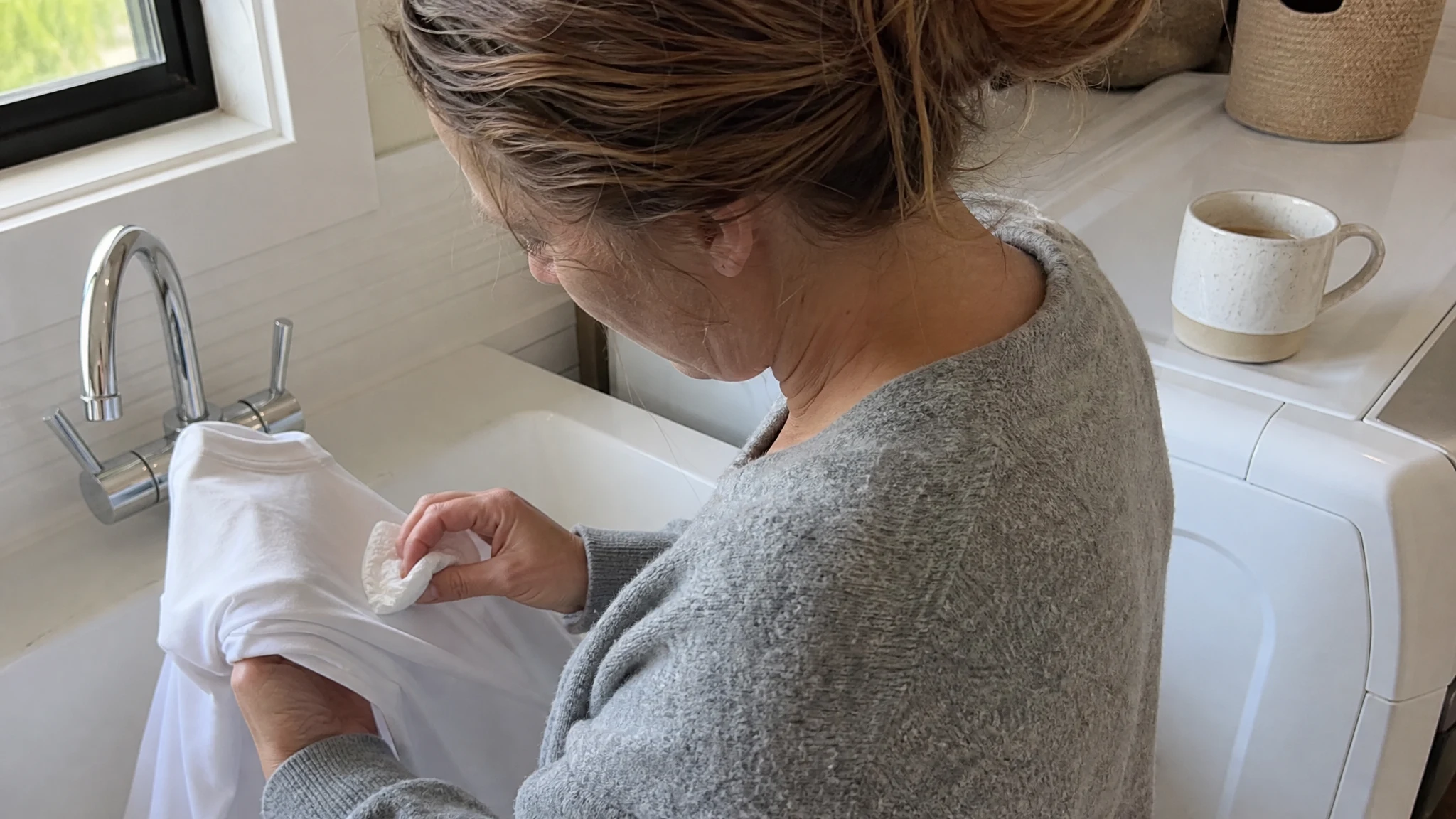
This is the most telling test. Put a drop on a tissue rather than sniffing the neck, and if you have another bottle, compare the two side by side. Tisserand notes that oxidation changes the perceptible odor and that brightness fades. With melissa, that would show up as the fresh lemon lift flattening, or something sharper and staler sitting in its place.
3. The look and feel
The Certificate of Analysis we publish gives the standard appearance as a colourless to yellow liquid, so look for a clear change from what you remember rather than any one shade. Tisserand adds that very old oils may become more viscous and eventually solidify, though that usually takes quite a few years, and that citrus oils can turn cloudy when moisture has got in. Turek and Stintzing also describe viscosity changes and polymers building up at later stages of oxidation. A sticky film around the cap is worth wiping and noticing.
4. Where it is going
The skin is where age matters most. Turek and Stintzing report that aged essential oils and oxidized terpenoids have shown skin-sensitizing capacity, and the Tisserand Institute says oxidation products increase the chance of adverse skin reactions. Melissa already has a low IFRA limit for skin products because of sensitization, so a bottle you doubt is one we would keep out of anything that touches skin. Our skin dilution guide explains why we are careful even with a fresh bottle.
What we would do with the verdict
- Smells fresh, within its first year or two: carry on as usual.
- Smells a little flat but nothing more: keep it away from skin and leave-on products. It will not be at its best in a perfume or a room scent, either.
- Smells off, looks cloudy or feels thick or sticky: retire it. Follow your local household waste rules for disposal.
That last step is our reasoning from the sources rather than a rule any of them states. What they do agree on is that it is easier to prevent the drift than to repair it.
Slowing it down
The routine is short, and we cover it fully in our storage guide: cool, dark, tightly capped, and a smaller bottle once the big one is half empty so there is less air above the oil. Tisserand adds that refrigeration roughly doubles an oil's useful life. If you are working through a bottle slowly, our guide to making a bottle last shows how far a few drops go, and the FAQ covers the other everyday questions.
A bottle you actually reach for is the best preservation plan of all. Pop a date on it, give it a sniff now and then, and it will tell you when it is time to move on.
Melissa Essential Oil
Melissa Essential Oil from our own shop, in sizes from 0.5 oz to bulk.
From $23.99
Shop Now →Sources & Further Reading
- Turek C, Stintzing FC, 2013. Stability of Essential Oils: A Review. Comprehensive Reviews in Food Science and Food Safety 12:40-53.
- Tisserand Institute. Is my bottle of essential oil oxidized or no longer good to use?
- Petrisor G et al., 2022. Melissa officinalis: Composition, Pharmacological Effects and Derived Release Systems-A Review. Int J Mol Sci.
- IFRA Standards, 51st Amendment: Melissa oil (genuine Melissa officinalis L.), Amendment 49.