Does Melissa Oil Stain Clothes? What to Do Fast
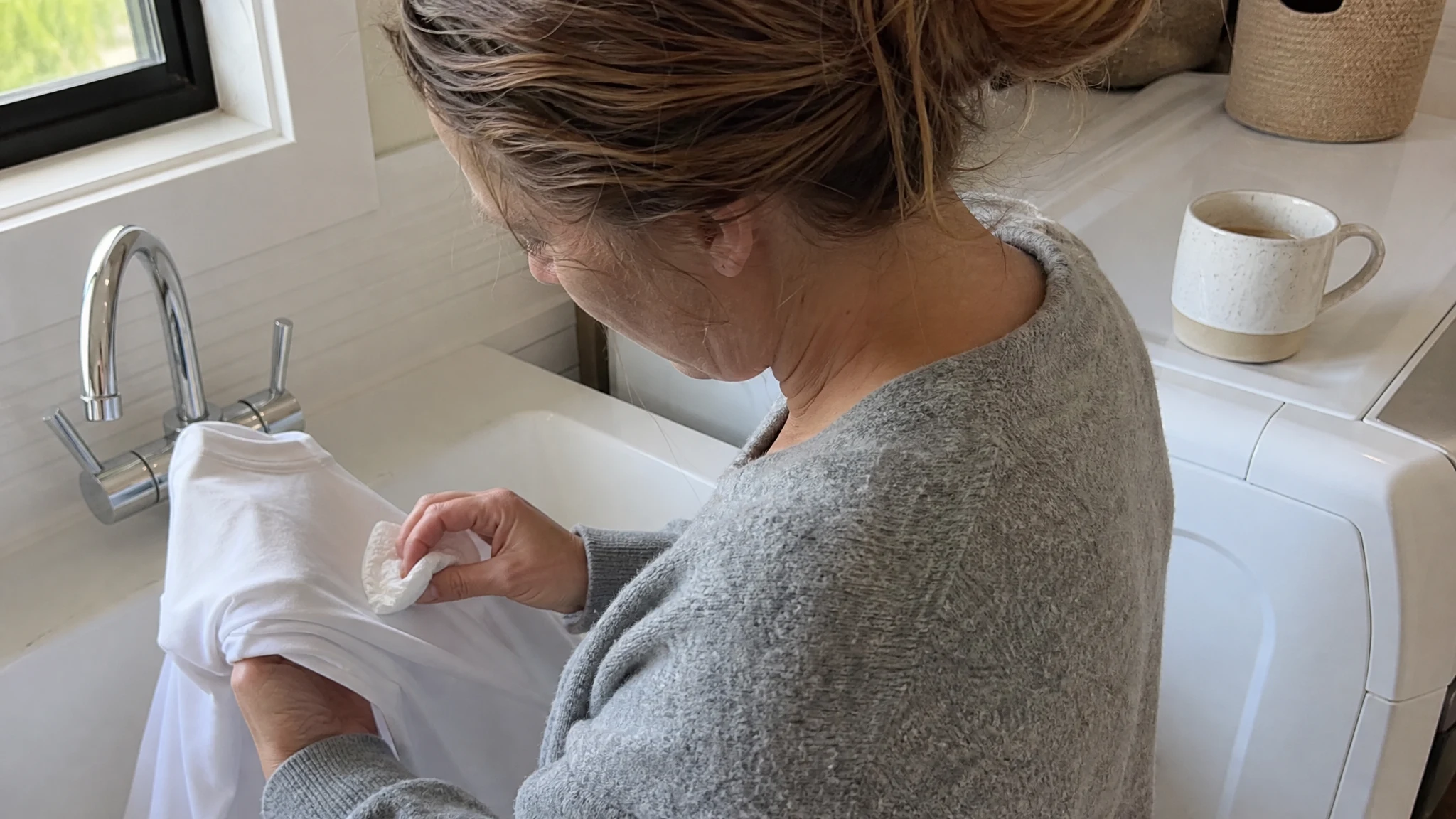
It happens to nearly everyone who works with oils: you tip the bottle a fraction too far and a drop lands on your sleeve. A few seconds later there is a small, dark, slightly see-through patch on the cotton, and the room smells wonderfully of lemon. The pleasant smell is not the part to worry about. The patch is, and what you do in the next few minutes decides how much of it you will see tomorrow.
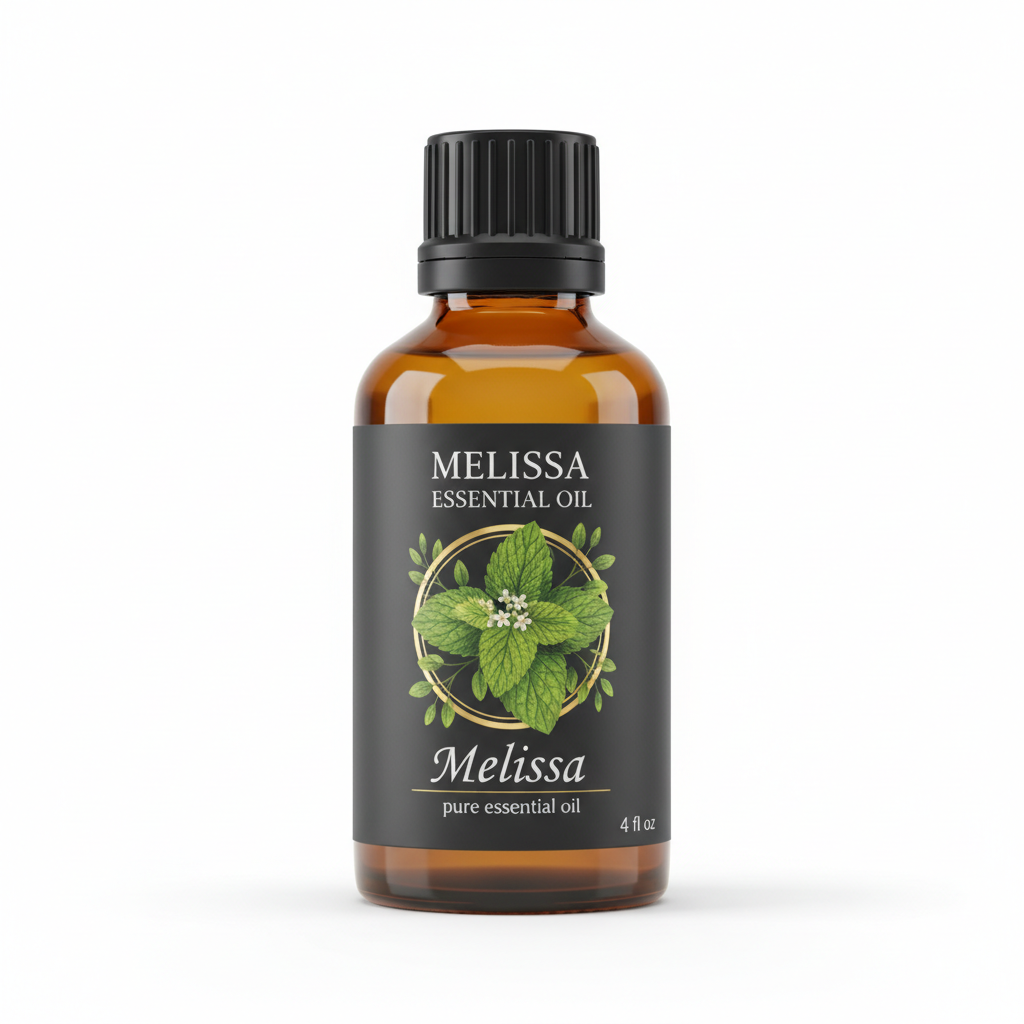
Melissa Essential Oil
Our own Melissa Essential Oil, in sizes from 0.5 oz to bulk.
From $23.99
Shop Now →What kind of mark is it?
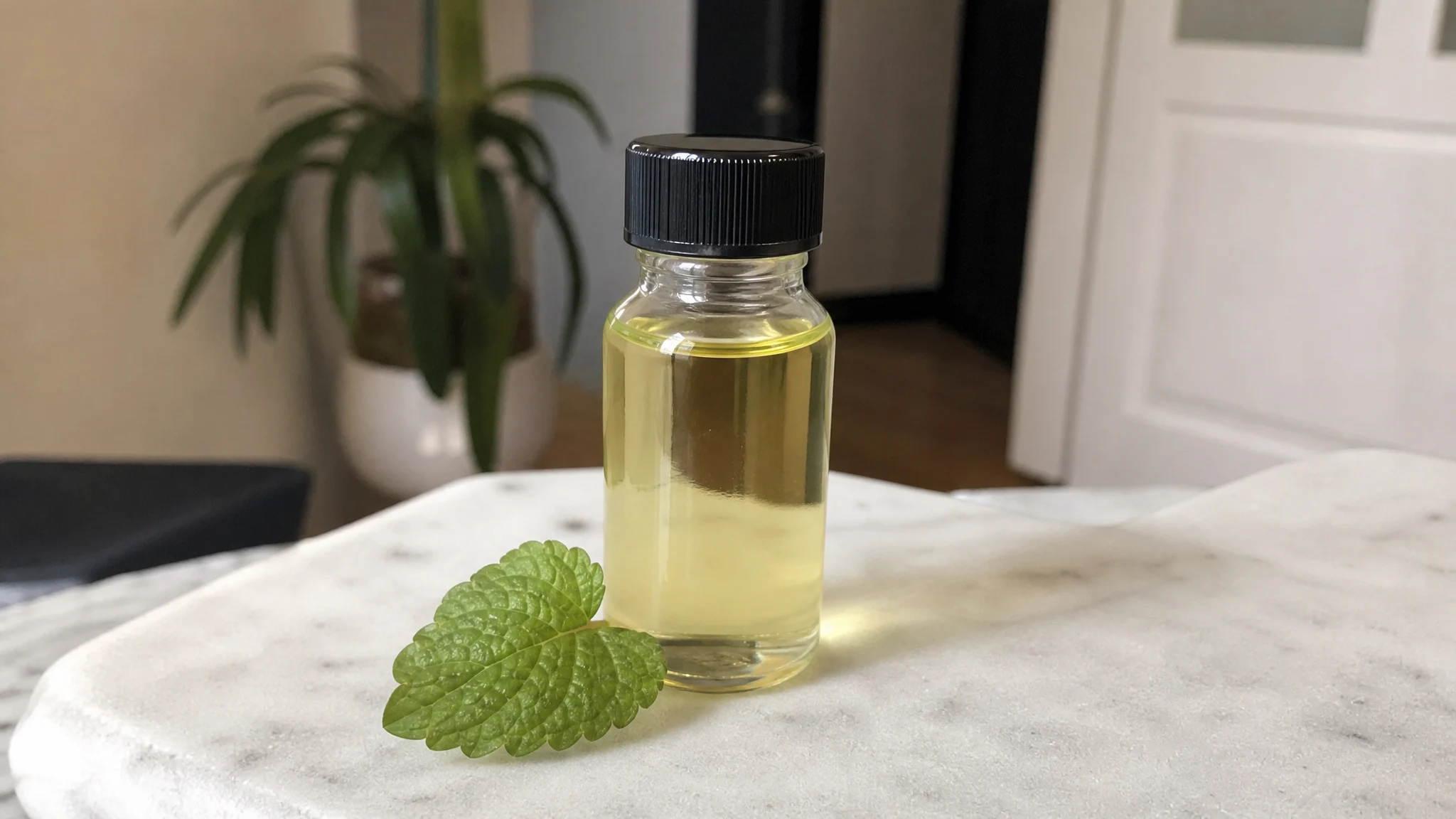
Melissa oil is a pale liquid. The Certificate of Analysis we publish for one batch gives its standard appearance as a colourless to yellow liquid, so you should not expect a dramatic colour. What you get is a grease-type mark, the same translucent spot a drop of cooking oil leaves, because an essential oil is an oil in the plain household sense. Part of it will evaporate, since the lighter, more volatile components of an essential oil are the ones that vanish first. Reasoning from that, it makes sense that some marks fade by themselves while others leave a faint ring behind. We cannot promise that any particular fabric will not mark, so it is safest to treat a drop as a stain-in-waiting and deal with it promptly.
The first two minutes
Texas A&M AgriLife Extension, in its Quick Stain Removal Guide, files oily stains alongside cooking oils, animal fat and cosmetics, and its opening advice applies directly. Treat the stain quickly, because time and heat make it harder to remove. Blot rather than rub, and work from the back of the fabric so the oil is pushed out rather than deeper in. Rubbing spreads the mark and presses it into the weave.
Before you use any pretreatment, try it on a hidden spot such as a hem or seam allowance. The same guide reminds readers that fabric looks darker when wet, so a colour change may only show once it dries.
Washable fabrics
For light grease stains, K-State Research and Extension recommends pretreating with a prewash stain remover, liquid laundry detergent or a liquid detergent booster, then laundering in the hottest water the fabric can safely take. The care label on the garment tells you what that is. A heavier patch can go face down on clean paper towels, with cleaning fluid applied from the back and the towels replaced as they pick up oil.
The step people skip is the last one. Texas A&M is blunt about it: do not put a stained garment in the dryer, because heat can set the mark so that it may become impossible to remove. Look at the spot when the wash finishes, and if you can still see it, repeat the pretreatment and wash again before any heat gets near it.
Silk, wool, leather and dry-clean-only pieces
If the care label says dry-clean only, the extension advice is to take it to a professional dry cleaner. We would apply the same thinking to silk, wool and leather, where a home pretreatment can cause a worse mark than the oil did. Blot gently, do not add water or cleaner, and take it in soon, mentioning that the mark is an essential oil. Those fabrics are really a job for a cleaner.
Floors, wood and counters
For hard floors, the University of Georgia Extension suggests wiping up the excess and scrubbing with a detergent solution and a soft brush. On wood, it suggests dishwashing detergent suds in hot water, then rinsing and drying immediately. Its advice is written for cooking oils, so reading it across to an essential oil is our own reasoning, but the principle is the same for any oil. Test any cleaner in a hidden spot first, since finishes vary. On carpet and upholstery, blot, do not rub, and if the spot does not lift, a professional cleaner is a better bet than experimenting.
Keeping drops where they belong
Most spills happen in two moments: when you tip the bottle, and when you carry it. A few small habits cover both.
- Work over a tray, a folded towel or a sheet of kitchen paper, away from clothes you care about.
- Roll up your sleeves and keep the cap on until you are ready to pour.
- Recap and wipe the neck before you put the bottle back, and store it upright. Our storage guide explains where it lives best.
- If you scent fabrics on purpose, such as bed linens, keep to very small amounts. Our pillow spray guide shows how few drops that means.
If you diffuse, a tray under the unit catches drips, and our diffuser guide and home use guide have more on keeping a session tidy.
One drop on a sleeve is an easy thing to fix when you catch it quickly, and a good reason to keep a little kitchen paper beside the bottle.
Melissa Essential Oil
Melissa Essential Oil from our own shop, in sizes from 0.5 oz to bulk.
From $23.99
Shop Now →Sources & Further Reading
- Brown PJ, Texas A&M AgriLife Extension. Quick Stain Removal Guide.
- K-State Research and Extension. Stain Removal.
- University of Georgia Extension. Remove Stains From Oil-Based Foods.