Where to Buy Melissa Oil: 4 Questions to Ask
With melissa oil, the best predictor of a good purchase is not how polished a site looks or the price tag. It is how willing the seller is to put specifics in writing. A shop with a clear Latin name, a batch document and a prompt reply to a pointed question has already told you most of what you need.
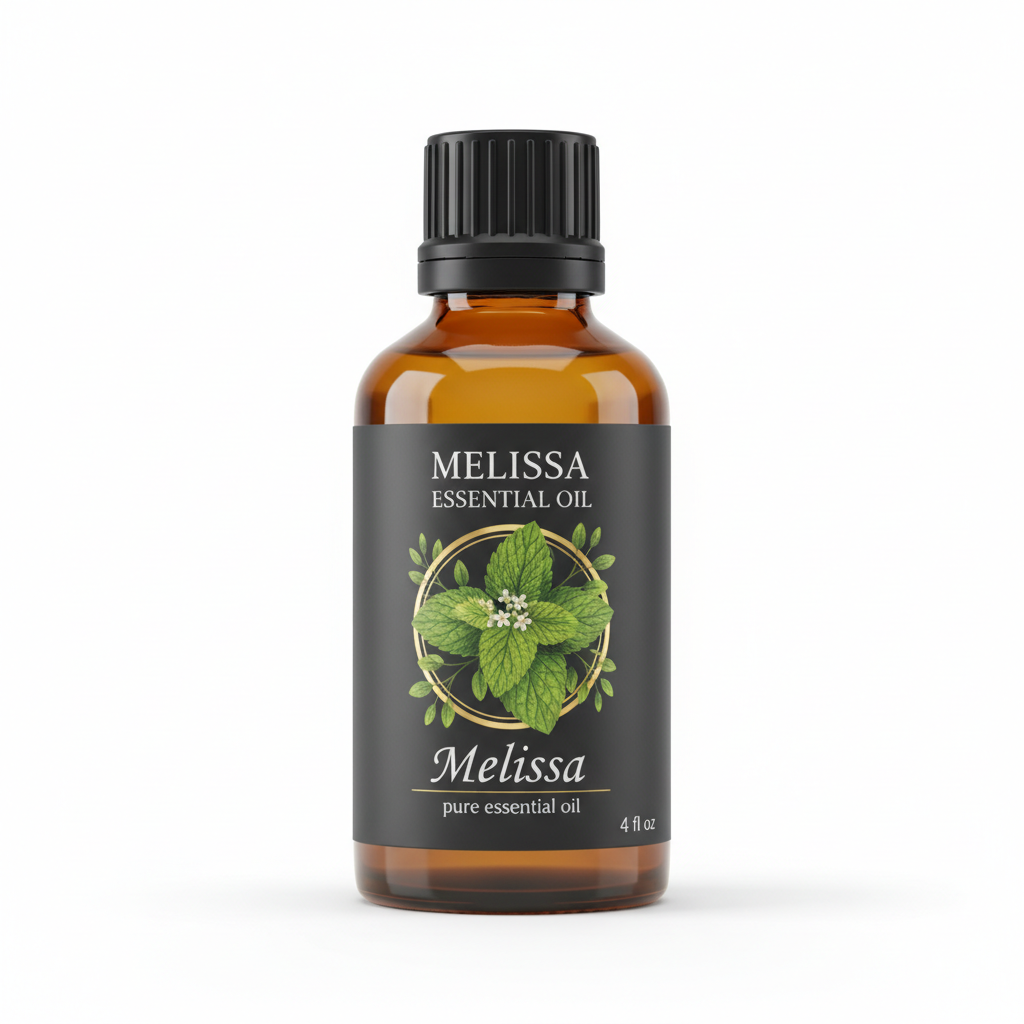
Melissa Essential Oil
Our own Melissa Essential Oil, in sizes from 0.5 oz to bulk.
From $23.99
Shop Now →Four questions that work on any seller
Whether you are on a marketplace page, a specialist retailer or a pharmacy counter, these four questions sort things out quickly.
- What is the Latin name? You want Melissa officinalis. A 2022 review found geranial in published melissa oils ranging from about 6% to 51%, so the name alone leaves a lot of room for the chemistry.
- Is there a document for this batch? A GC-MS report tied to the lot is the document that shows a citral percentage. A certificate of physical constants, such as density and refractive index, is a smaller document that answers a smaller question.
- Which lab, which date, which method? A document that leaves these out is closer to a claim than a record.
- Is it neat or diluted, and how much? It changes your arithmetic completely; our label-reading post explains.
Different sellers, different strengths
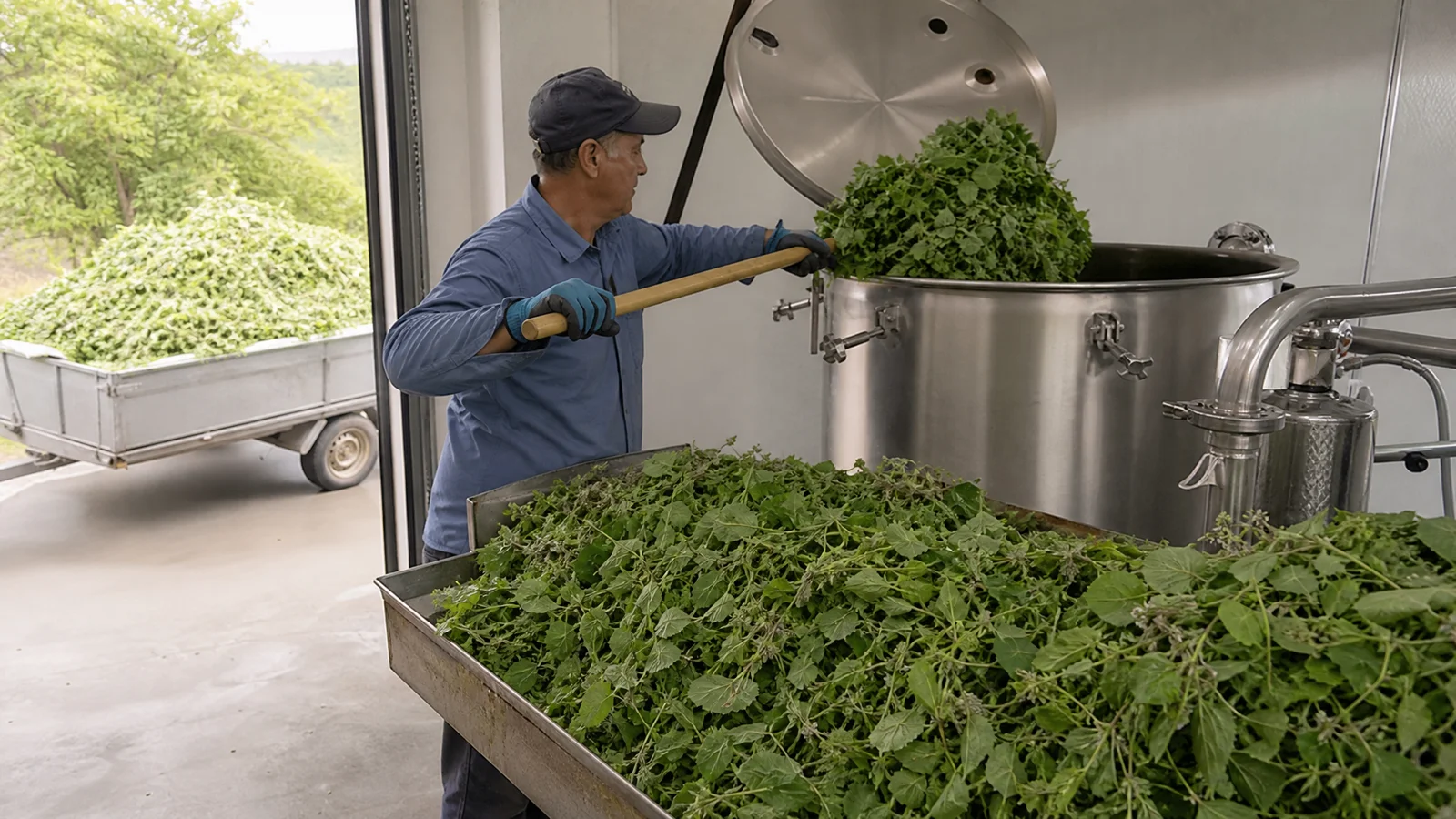
This is reasoning about how each channel works, not a survey. A specialist aromatics shop often answers email and can send batch paperwork. A local shop or pharmacy lets you see the bottle and ask a person. A marketplace is convenient, but when several sellers share one listing, a document on the page may describe someone else's stock, so match the batch number on the paper to the bottle that arrives. Direct-sales brands publish their own statements, which we look at in our brand comparison. Producers and wholesale suppliers can offer samples and larger sizes; the useful step is to ask that the sample and the drum share a batch number.
Before you click anything
A little preparation makes shopping for any oil calmer. Decide what you want to do with it: a diffuser, a perfume, a body product, a batch of soap. The use tells you what size you need, what paperwork matters and how much you will use. Many people buy a bigger bottle than they will finish because the larger size looks like a bargain, and then watch it age on a shelf. A smaller bottle you use up is nearly always happier than a large one you do not.
Listing words that do not carry weight
The FDA says there is no regulatory definition for "essential oils," and that it has no regulations defining "natural" or "organic" for cosmetics. So grade-sounding adjectives on a bottle are seller vocabulary. Price is a weak signal as well: a very low price does not tell you what is inside, and a high one does not either. What helps is paperwork that fits the claim, and our post on spotting real melissa oil covers what each check can and cannot show.
A kitchen-scale check
If a seller publishes a density, you can check it at home. A relative density of 0.888 means 5 ml of oil weighs about 4.44 g. Measure the volume with a clean syringe, weigh on a scale that reads to 0.01 g, and note the room temperature, since published figures are usually at 20 C. A big miss is worth a question to the seller. A match proves little, because different oils can share a density, so think of it as a way to catch a mislabeled or diluted bottle rather than a test of identity.
Once the bottle arrives
Open the package soon after it lands and check it against your notes. Does the label say what you ordered? Does the batch number match the paper? Does the bottle look intact and clean? Then open it and smell. You'll notice whether the aroma fits the description you were given. A delicate, lemony, herbal oil should feel like that, not like a loud candy lemon. Write the date on the bottle, store it cool and dark, and keep the paperwork where you can find it.

What we offer
We sell one product, Melissa Essential Oil, Melissa officinalis, steam-distilled and sold neat, in nine sizes from 0.5 oz up to 400 lb. Our wholesale page offers sample bottles for trying the oil in your own product, a free consultation form, private label and custom formulation help. We publish a Certificate of Analysis for one batch, with relative density, refractive index and optical rotation, each inside its printed range. If you need GC-MS data or anything beyond that, ask us in writing through the contact page before you order, and judge our answer the way you would judge anyone else's.
Our dilution guidance for skin is 0.5% to 2% in a carrier oil with a patch test first. IFRA's limit for melissa in body products is 0.15%, so we start at the lower figure and do not call 2% safe; the skin post compares the numbers. If you are choosing a size, the bottle size post has the arithmetic.
The best purchase is the one where the paperwork arrives with, or before, the oil. Start small, compare what you receive with what you were told, and the rest follows.
Melissa Essential Oil
Melissa Essential Oil from our own shop, in sizes from 0.5 oz to bulk.
From $23.99
Shop Now →Sources & Further Reading
- Petrisor et al., Melissa officinalis: Composition, Pharmacological Effects and Derived Release Systems-A Review, Int J Mol Sci, 2022
- US FDA, Fragrances in Cosmetics
- US FDA, Aromatherapy
- IFRA, IFRA Standards (51st Amendment compendium), entry Melissa oil (genuine Melissa officinalis L.)