How to Use Melissa Oil at Home: The Ultimate Calm Evening and DIY Guide
Key Takeaways
- Melissa essential oil (steam-distilled from Melissa officinalis) is one of the rarest and most expensive oils in aromatherapy, priced high because it takes a substantial amount of fresh plant material to yield even a small amount of oil.
- Its scent profile is bright, lemony, and softly herbal, distinct from lemon or lemongrass. Once you smell it, you understand why it commands such attention.
- Proper dilution is non-negotiable. Melissa oil is potent and should always be diluted before any skin contact.
- Diffusing is the most accessible and cost-effective way to enjoy melissa at home without concerns about dilution ratios.
- Many "melissa" products on the market are actually blends with lemon or citronella. Sourcing genuinely matters here more than with almost any other oil.
- This guide covers diffuser use, DIY body and bath projects, linen and room mists, and how to build a calm evening ritual around melissa's distinctive character.

1. What Is Melissa Essential Oil, and Why Is It So Rare?
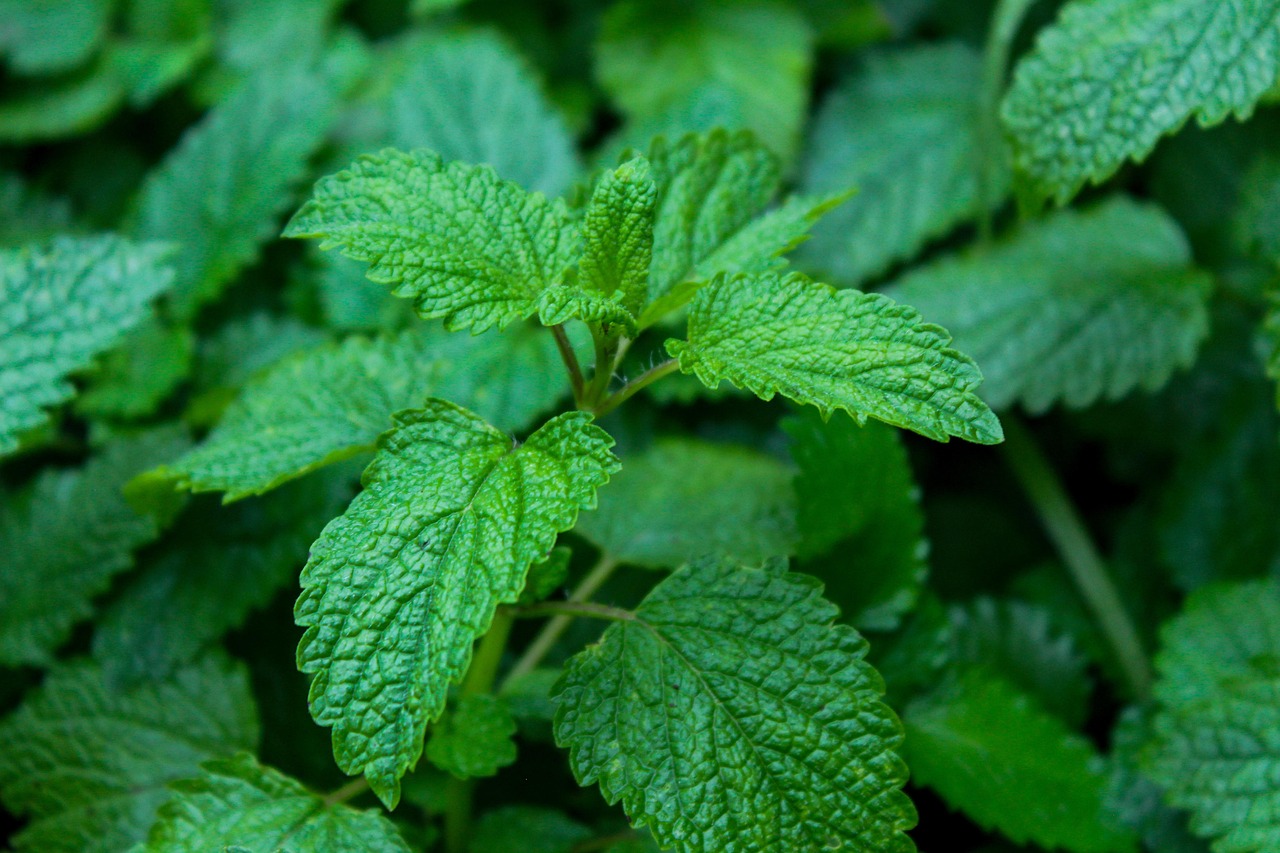
Melissa essential oil comes from Melissa officinalis, the plant most people know as lemon balm. It is a perennial herb native to southern Europe and western Asia, grown today across the Mediterranean, Eastern Europe, and parts of North America. The plant itself is generous: it grows readily, spreads enthusiastically, and can be found in kitchen gardens worldwide. The essential oil, however, is another matter entirely.
The reason melissa oil is one of the scarcest essential oils on the market comes down to yield. Steam distillation of fresh lemon balm leaves produces an extraordinarily small amount of oil. Industry figures often cited suggest it can take several hundred kilograms of fresh plant material to yield just one kilogram of essential oil, though exact numbers vary by growing conditions, harvest timing, and distillation method. Compare that to lavender, which yields comparatively generous quantities, and you begin to understand why authentic melissa commands prices that can reach several hundred dollars per milliliter from quality producers.
This scarcity creates a practical problem for consumers: adulteration is widespread. Many products labeled "melissa oil" or "melissa blend" contain significant amounts of lemon oil, lemongrass oil, citronella, or other inexpensive citrus-scented oils. Some disclose this honestly as "melissa blend"; others do not. A guide on DIY lemon balm infused oil versus true melissa oil explores this distinction in practical depth, including how to assess what you are actually purchasing.
For home use, the rarity has one important implication: use melissa oil with intention. This is not an oil to splash into a diffuser carelessly or blend in large quantities out of habit. A little genuinely goes a long way, both in terms of scent impact and budget. When used thoughtfully, even a small bottle of authentic melissa oil can provide months of use.
The Chemistry in Brief
Melissa oil's character comes largely from a group of compounds including citral (which gives the bright lemon quality), geraniol, and citronellal, along with trace amounts of compounds that contribute subtle herbal and even slightly floral dimensions. The exact chemical profile shifts depending on where the plant was grown, when it was harvested, and how carefully it was distilled. European-grown melissa, particularly from Hungary and Bulgaria, tends to be regarded highly for oil quality and aromatic complexity.
Understanding the chemistry is less important for home use than understanding the scent result: fresh, lemony, softly green, with a gentle herbal undertone that distinguishes it from any synthetic lemon fragrance you have encountered.
2. Understanding the Scent: What Melissa Actually Smells Like
Before committing to any diffuser blend or DIY recipe, it helps to understand melissa's scent character clearly. Many people arrive at melissa oil expecting something like lemon essential oil. They are pleasantly surprised, or occasionally puzzled, by what they actually encounter.
Melissa smells unmistakably lemony, but it is a softer, rounder version of lemon. There is none of the sharp, almost abrasive brightness you get from cold-pressed lemon peel oil. Instead, melissa's lemon note has a green, slightly herbal quality underneath it, like the smell of bruised lemon balm leaves fresh from the garden on a warm afternoon. Some people detect a very faint floral thread in high-quality samples.
It dries down gently rather than disappearing abruptly the way citrus oils often do. This makes it more versatile in blends. It holds its character without dominating, which is why it works well as a top-to-middle note in both diffuser compositions and personal fragrance work.
How Melissa Compares to Similar Oils
| Oil | Scent Character | Key Difference from Melissa |
|---|---|---|
| Lemon (cold-pressed) | Sharp, bright, clean citrus | Much more aggressive; no herbal base note |
| Lemongrass | Strong, grassy, lemony | Heavier and more piercing; no softness |
| Citronella | Lemony with a slightly medicinal edge | Rougher; less refined; often used as adulterant |
| Lemon verbena | Very bright lemon, slightly floral | Sharper and drier than melissa |
| Melissa | Soft lemon, green, herbal, slightly floral | The most nuanced; longest dry-down |
Knowing this comparison helps with blending. Melissa pairs beautifully with oils that complement its softness rather than compete with it. Lavender is a natural ally. So are Roman chamomile, palmarosa, neroli, frankincense, and cedarwood. In diffuser work, a single drop of melissa can anchor a blend and give it a quality that is difficult to define but immediately recognizable as something more refined than an ordinary citrus composition.
3. Using Melissa Oil in a Diffuser: Blends and Timing
Diffusing is where most people begin their relationship with melissa oil, and for good reason. The diffuser delivers scent without any skin contact, which sidesteps dilution concerns entirely. It is also one of the most economical approaches: even one or two drops of melissa in a diffuser blend creates a noticeable and complex aromatic atmosphere.
For a detailed exploration of diffuser recipes built specifically around calm evenings, see our companion piece on calm evening diffuser recipes featuring melissa oil. Here, we will cover the core principles and several reliable starting points.
How Many Drops? General Diffuser Guidance
Standard guidance for most home ultrasonic diffusers suggests 3 to 5 drops total of essential oil per 100 ml of water. With melissa oil specifically, less is often more. Its scent carries well. A general starting point for a melissa-forward blend in a 200 ml diffuser would be 2 drops of melissa alongside 4 to 6 drops of supporting oils. Adjust from there based on your space size and preference.
Run your diffuser in 30 to 60 minute intervals rather than continuously. This reduces sensory fatigue and makes the scent feel present when you do notice it, rather than becoming invisible through constant exposure.
Four Diffuser Blends to Start With
Blend 1: Garden at Dusk (Signature Blend)
Our own Garden Dusk blend pairing melissa with lavender is the simplest introduction to melissa in a diffuser. The lavender softens the citrus brightness of melissa while melissa lifts the lavender out of its familiar territory into something more interesting.
- 2 drops melissa
- 4 drops lavender
- 1 drop Roman chamomile
Ideal for: early evening, around the time the day's energy begins to shift.
Blend 2: Citrus Herb Study
A brighter, more energetic composition suited for late afternoon when you want focus without stimulation.
- 2 drops melissa
- 2 drops bergamot
- 2 drops cedarwood
Ideal for: home office use, reading, journaling.
Blend 3: Soft Landing
A deeply quieting composition for the hour before bed. The frankincense slows things down; the melissa keeps it from feeling heavy.
- 2 drops melissa
- 3 drops frankincense
- 2 drops sandalwood (Australian or Indian)
Ideal for: bedtime wind-down ritual, dim lighting, a book.
Blend 4: Morning Herb Garden
A fresh, gentle opener for daytime diffusing. This one feels like a window just cracked on a cool morning.
- 2 drops melissa
- 3 drops petitgrain
- 2 drops rosemary
Ideal for: morning routines, yoga practice at home, light household tasks.
Diffuser Types: Which Works Best with Melissa?
Ultrasonic diffusers (the most common household type) work well for melissa. Nebulizing diffusers, which disperse undiluted oil as a fine mist, will use your melissa supply more quickly but produce a more intense aromatic experience. Given the cost of authentic melissa, ultrasonic diffusing makes more financial sense for regular home use. Avoid heat-based diffusers (candle-warmed or plug-in heating pads) with melissa, since heat degrades the more delicate aromatic compounds quickly.
4. Building a Calm Evening Ritual with Melissa
Rituals work because they signal transition. The brain registers a familiar sensory sequence and begins to shift gears. Scent is particularly effective for this, because olfactory signals travel through neural pathways associated with memory and mood before they are consciously processed. Melissa oil, with its distinctive quality, becomes a reliable cue for winding down when used consistently in an evening context.
A melissa-centered evening ritual does not need to be elaborate. In fact, simplicity tends to make it more sustainable.
A Simple Melissa Evening Sequence
- 5:30 to 6:00 PM: Start the diffuser. Add your chosen melissa blend to the diffuser in the main living space. Let the scent arrive before you notice you need it.
- After dinner: Transition the space. Dim lights, lower noise. If you have a melissa pillow mist (recipe in the next section), mist a light chair throw or cushion. The scent moves with you.
- Bath or quiet hour: Two or three evenings a week, a melissa bath ritual can anchor the wind-down more deeply. See the full recipe guide for melissa bath oil and salts for a quiet evening soak.
- 30 minutes before bed: Apply a diluted melissa body oil to pulse points or the soles of feet. Turn off the diffuser. Let the lingering scent do the rest.
Consistency over several days is what builds the ritual's power. The first night, the scent is simply pleasant. By the fifth or sixth night, the smell of melissa in a diffuser begins to function as a signal your body starts to recognize.
"Lemon balm has been cultivated in European gardens for centuries specifically for its calming, pleasant scent. Medieval herbalists prized it for evening preparations. The essential oil carries that same soft, garden-dusk quality in concentrated form."
5. DIY Melissa Recipes for Skin and Body Care
Melissa oil works beautifully in skin and body care preparations, but this is where dilution becomes a firm requirement rather than a suggestion. Undiluted essential oils applied directly to skin can cause irritation or sensitization. With melissa, which has a notable citral content, this is especially relevant. Always dilute properly, and always patch test before first use.
Understanding Dilution for Melissa Oil
As a general guide for adults applying to the body:
| Use Type | Recommended Dilution | Drops per 30 ml carrier |
|---|---|---|
| Face (adult) | 0.5% to 1% | 3 to 6 drops |
| Body (adult, healthy skin) | 1% to 2% | 6 to 12 drops |
| Bath (in carrier before adding to water) | 1% in a dispersant | 6 drops per 30 ml bath oil |
| Children (over 6, with guidance) | 0.5% maximum | 3 drops per 30 ml carrier |
Patch test protocol: Apply a small amount of your diluted blend to the inner forearm. Wait 24 hours before broader use. If redness, tingling, or discomfort appears, wash the area with mild soap and discontinue use.
Recipe: Melissa Evening Body Oil
This is a simple, elegant body oil intended for application after a bath or shower, ideally as part of your evening wind-down. The jojoba and sweet almond oils absorb well without leaving a heavy residue.
You will need:
- 25 ml sweet almond oil
- 5 ml jojoba oil
- 8 drops melissa essential oil
- 6 drops lavender essential oil
- 3 drops Roman chamomile essential oil
- Dark glass bottle (30 ml), with pump or dropper
Method: Combine the carrier oils in the bottle first. Add the essential oils. Cap and roll gently between your palms to combine (do not shake). Label with the date. Use within 6 months.
How to use: After bathing, apply 4 to 6 drops to the upper chest, inner wrists, backs of knees, and soles of feet. The scent is present but not overpowering. The oils absorb within a few minutes.
Safety notes: Not suitable for use during pregnancy without guidance from a qualified healthcare provider. Keep away from children's reach. Avoid use on broken or sensitized skin. Melissa oil may increase photosensitivity; avoid direct sun exposure on treated skin for 12 hours.
Recipe: Melissa and Frankincense Face Serum Oil
A small-batch facial serum for use on normal to dry skin in the evening. This is a scent-forward serum, meaning the aromatic experience is intentional and part of the ritual.
You will need:
- 15 ml rosehip seed oil
- 10 ml squalane oil
- 5 ml argan oil
- 4 drops melissa essential oil
- 4 drops frankincense essential oil
- 2 drops neroli essential oil
- 1 drop rose absolute (optional, for depth)
- Dark glass dropper bottle (30 ml)
Method: Combine carrier oils, then add essential oils. Roll to blend. Label with date. Use within 3 months, as rosehip seed oil oxidizes relatively quickly.
How to use: Apply 3 to 4 drops to clean skin in the evening. Warm between fingertips before pressing gently onto face and neck. The melissa note arrives first and fades slowly into the frankincense base.
Safety notes: Patch test essential, particularly if your skin is sensitive. The 0.5% dilution of melissa in this formula falls within cautious guidelines for facial use, but individual response varies. Not suitable for use during pregnancy without professional guidance.
6. Bath Rituals and Linen Mists with Melissa Oil
Two of the most underrated melissa uses at home involve water: bath preparations and room or linen mists. Both are accessible, both are genuinely lovely, and both extend melissa's reach into parts of your home and evening routine that a diffuser or body oil cannot quite touch.
Melissa in the Bath
Essential oils and bath water require a dispersant. Oil and water do not mix, which means undiluted essential oil dropped directly into a bath floats on the surface and contacts skin in an undiluted state. This can cause irritation, particularly with a citral-rich oil like melissa. Always pre-mix melissa oil into a carrier before adding to bath water.
Good dispersants for bath use include full-fat liquid castile soap, unscented bath gel base, sweet almond oil, or colloidal oatmeal. Epsom salts can also be used, though essential oils added to dry salt and then to water still need careful dispersion.
For a full recipe guide, including both bath oil and salt variations, see the DIY melissa bath oil and salts guide. A summary recipe is below.
Quick Melissa Bath Oil Recipe
- 30 ml sweet almond oil or fractionated coconut oil
- 6 drops melissa essential oil
- 4 drops lavender essential oil
- 3 drops geranium essential oil
Combine in a small bottle. Add the entire amount to running bath water, swirling to disperse. Soak for 15 to 20 minutes. Do not use water that is too hot; it accelerates evaporation of the aromatics and is generally hard on skin.
Melissa Pillow Mist and Linen Spray
A linen mist is one of the most versatile and gentle ways to bring melissa oil into your bedroom and sleep environment. The concentration is low enough to be non-irritating when it settles onto fabric, and the scent lingers softly on pillowcases, throws, and curtains.
The full recipe and method for a melissa pillow mist is covered in detail in the DIY melissa pillow mist guide. Here is a reliable base formula:
Melissa Pillow Mist (100 ml)
- 90 ml distilled water
- 10 ml witch hazel (unfragranced, alcohol-based as dispersant)
- 8 drops melissa essential oil
- 6 drops lavender essential oil
- 3 drops Roman chamomile essential oil
- 100 ml fine-mist spray bottle (glass or PET plastic)
Method: Add witch hazel to bottle first, then essential oils, then distilled water. Shake gently before each use. Mist pillowcases and duvet covers lightly from a distance of about 20 cm. Allow 2 to 3 minutes before contact with skin. Use within 4 to 6 weeks.
Safety note: Do not spray directly onto face or into eyes. Keep away from children. Test on a small area of fabric before misting entire bedding, as some delicate textiles may be affected by alcohol content.
Room Mist vs. Linen Mist: What Is the Difference?
Room mists disperse into the air rather than settling on fabric. They work best in smaller spaces and dissipate more quickly than diffusing. A melissa room mist in a bathroom before an evening bath, for instance, creates a scented cloud that fades within 20 minutes. It is a good option when you want aromatics without running a diffuser.
Linen mists are designed to be absorbed into fabric, which holds the scent longer. The scent interaction with your skin as you sleep against a melissa-misted pillowcase is quite different from diffusing: gentler, closer, more personal.
7. How to Source and Assess Genuine Melissa Oil
No guide to melissa oil uses would be complete without an honest discussion of sourcing. This is genuinely the most important practical decision you will make, more important than which recipe you try first or which diffuser you own. Poor-quality or adulterated melissa oil simply will not perform as described. It will not have the same scent profile, the same staying power, or the same character that makes melissa worth its price.
Red Flags When Shopping
- Price that seems too accessible: Authentic melissa essential oil is expensive. If a 10 ml bottle is priced similarly to lavender or peppermint, it is almost certainly adulterated or a blend. This is not snobbery; it is math based on distillation yield.
- No Gas Chromatography / Mass Spectrometry (GC/MS) data available: Reputable sellers of melissa oil should be able to provide batch-specific testing data showing the chemical composition. Citral, geraniol, and citronellal should appear in proportions consistent with authenticated Melissa officinalis.
- Label says "melissa blend" but is priced like pure melissa: Some blenders make a reasonable commercial decision to blend melissa with lemon or other citrus oils and label it transparently. This is not fraudulent, but it is a different product. Read labels carefully.
- No Latin name on the label: The Latin species name Melissa officinalis should appear. Any absence of botanical identification is a flag worth noting.
- Scent is sharp and one-dimensional: If the oil smells harsh, very sharp, or overwhelmingly chemical-lemon with no herbal softness, you likely have a blend or a low-quality distillate.
Where Melissa Oil Comes From: Origin Matters
Melissa is grown and distilled in several countries including Hungary, Bulgaria, France, Germany, and Ireland. Each origin produces oil with slightly different aromatic character, influenced by soil, climate, and harvest practices. Hungarian and Bulgarian melissa are frequently cited as producing oil with good chemical profiles. French melissa sometimes commands a premium for complexity.
If you are interested in the plant side of things and the relationship between growing your own lemon balm and understanding the raw material behind the oil, the guide to growing lemon balm in your garden offers a wonderful entry point into that connection.
Organic Versus Conventional
Organic certification adds another layer of assurance for those concerned about agricultural chemical residues in the source plant material. For topical use, organic sourcing is worth prioritizing when you can find it. For diffuser use only, conventional melissa from a verified, reputable supplier is a reasonable choice.
Storage After Purchase
Melissa oil, like most essential oils with significant citral content, is susceptible to oxidation. Store it in a dark glass bottle, away from heat and light. Keep the cap tightly closed. Refrigeration can extend shelf life, though condensation when bringing the bottle to room temperature is something to manage. Most melissa oil, stored properly, should retain its quality for 1 to 2 years.
8. Safety, Dilution, and Who Should Use Caution
Essential oil safety is not a topic for fine print and footnotes. It belongs clearly in any guide that encourages people to use potent botanical concentrates at home. Melissa oil is gentle relative to some essential oils, but it is not without considerations.
Photosensitivity
Melissa oil contains compounds that some research suggests may increase skin sensitivity to ultraviolet light. If you apply a melissa-containing body oil or lotion and then spend time in direct sunlight, there is a possibility of skin discoloration or enhanced burning on treated areas. To avoid this, apply melissa-containing topical preparations only to areas that will not be exposed to sun, or apply them in the evening when sun exposure is not expected for several hours.
Skin Sensitization
Citral, a major component of melissa oil, is a known potential sensitizer. Using melissa oil at higher-than-recommended concentrations over a long period may build sensitization, meaning you could develop a reaction to it over time. Keeping dilutions within the guidelines in this article is the practical way to enjoy melissa topically for the long term without building unwanted sensitivity.
Pregnancy and Nursing
The safe use of essential oils during pregnancy is a topic that requires individual guidance from a qualified healthcare provider or a certified aromatherapist. General guidance from professional aromatherapy organizations suggests caution with many essential oils during the first trimester in particular. Do not rely on general internet guidance, including this article, for decisions about essential oil use during pregnancy. Please consult your healthcare provider directly.
Children
Essential oil use around or on children requires care. Diffusing melissa at low concentrations in well-ventilated spaces is generally considered less risky than topical application. For topical use on children, dilutions should be significantly lower than adult recommendations. Do not apply essential oils to the faces of children. For infants, the guidance from most professional aromatherapy bodies is to avoid essential oil use altogether unless under professional supervision.
People with Certain Health Situations
If you manage an ongoing health situation, take prescription medications, or have known sensitivities to plants in the Lamiaceae (mint) family, speak with a healthcare provider before incorporating melissa oil regularly into your routine. This article is educational and aromatic in focus; it does not replace professional health guidance of any kind.
Patch Testing: The Non-Negotiable Step
Every time you create a new melissa blend for topical use, patch test it before broader application. This is especially true if you are using a new batch of oil from a different supplier, as chemical composition can vary between batches and sources.
How to patch test:
- Apply a small amount of your diluted blend (not undiluted oil) to the inner forearm.
- Cover with a bandage and leave for 24 hours.
- Remove the bandage and assess: any redness, itching, swelling, or discomfort means discontinue use of that formula.
- If there is no reaction, the blend is likely suitable for your skin at that concentration.
When to Consult a Professional
A certified aromatherapist can provide personalized guidance on melissa oil use that goes beyond what any general article can offer. They can account for your individual health profile, any medications you take, your skin type, and your specific goals. If you are serious about incorporating essential oils into your daily routine in a meaningful way, a consultation is a worthwhile investment.
Always consult a qualified healthcare provider regarding any health concerns, before changing any aspect of your current care plan, and before using essential oils in the context of a specific health situation.
Bringing It All Together
Melissa oil rewards a certain kind of attention. It is not an oil that announces itself loudly. It is quiet, complex, and deeply pleasant in a way that accumulates over time, especially when you use it consistently in rituals that carry meaning.
The diffuser recipes in this guide are places to start, not places to stop. Your nose is your best guide once you understand the oil's character. The DIY recipes give you practical ways to extend melissa into skin care, bath rituals, and your sleep environment without overcomplicating the process. And the safety information here is the foundation that makes long-term enjoyment of melissa possible without risk.
Start simple. One blend, one evening routine, one small bottle of genuinely sourced oil. From there, melissa has a way of finding its place in your home quite naturally.
For more on the plant behind the oil, the history of its cultivation, and what it is like to grow it yourself, explore the guide to growing lemon balm at home. And for those curious about how commercial melissa oil compares to home infusions made from garden lemon balm, the comparison guide on infused oil versus true melissa essential oil offers a clear and practical answer.