DIY Melissa Pillow Mist: A Soft Citrus-Herb Recipe for Your Evening Routine
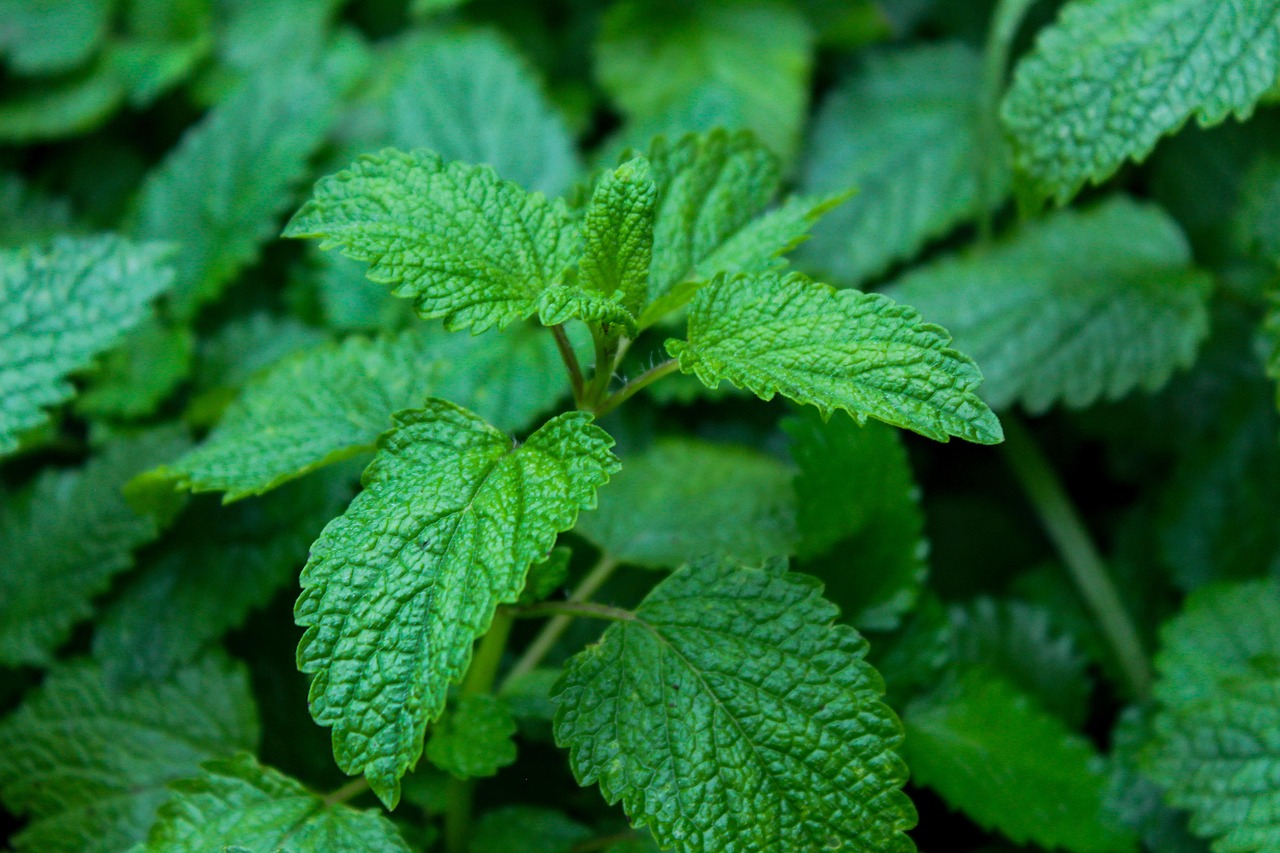
There is something quietly special about spritzing your pillow before bed. The scent settles into the fabric, and the simple act of doing it can signal to your mind that the day is winding down. This melissa pillow mist recipe leans into that ritual by centering one of the most rare and nuanced essential oils in the botanical world: true melissa (Melissa officinalis), also known as lemon balm essential oil.
Melissa has a bright, green-lemon character that is softer and more herbal than lemon or lemongrass. It does not announce itself loudly. It lingers. For a pillow spray, that quality is exactly what you want: a scent that is present without being intrusive, one that fades gently as you drift off rather than sitting heavy in a warm room.
This guide walks through a complete DIY pillow spray with essential oils, from sourcing notes to shelf-life guidance. If you are new to working with melissa oil, it is worth reading through the safety section first. The oil is potent, the real thing is expensive, and a little knowledge up front saves a lot of frustration.

Before You Begin: A Note on True Melissa Oil
Melissa essential oil is one of the most frequently adulterated oils on the market. Because the plant yields very little oil per harvest, the price of genuine melissa is high. Many products labeled "melissa" are actually blends of lemon, lemongrass, citronella, or lemon balm CO2 extract. These are not the same thing, and they will not produce the same scent profile in your mist.
If you are unsure what you have, this comparison of lemon balm infused oil versus true melissa oil can help you identify and source the right ingredient before you start. Getting this one detail right makes the finished spray noticeably different.
Recipe Overview
| Detail | Info |
|---|---|
| Difficulty Level | Beginner |
| Prep Time | 10 minutes |
| Yield | 100 ml (approximately 200 sprays) |
| Shelf Life | 4 to 6 weeks (with witch hazel); up to 3 months (with alcohol base) |
| Total Essential Oil Dilution | Approximately 0.5% (pillow/linen safe) |
Ingredients
Base
- 80 ml distilled water
- 20 ml witch hazel (alcohol-free) or unflavored vodka (minimum 40% ABV)
Essential Oils
- 5 drops true melissa essential oil (Melissa officinalis)
- 4 drops Roman chamomile essential oil (Chamaemelum nobile)
- 3 drops lavender essential oil (Lavandula angustifolia)
- 2 drops cedarwood essential oil (Cedrus atlantica or Juniperus virginiana)
Total essential oil count: 14 drops in 100 ml. This gives you a dilution of roughly 0.5%, which is appropriate for a linen mist that contacts fabric and may reach skin.
Optional Additions
- 1 teaspoon vegetable glycerin (adds a slight humectant quality and helps oils disperse)
- 1 drop neroli or petitgrain essential oil (adds a faint floral-green lift)
Equipment
- 100 ml glass spray bottle (amber or cobalt recommended)
- Small glass measuring jug or beaker
- Funnel (optional but helpful)
- Labels and a marker

Step-by-Step Instructions
- Prepare your workspace. Wipe down your work surface and make sure your spray bottle is clean and dry. Essential oils can degrade in plastic, so glass is strongly preferred here.
- Combine the essential oils first. Add all 14 drops into the empty spray bottle before adding any liquid. This helps the oils disperse more evenly once you add the water and witch hazel.
- Add the witch hazel or vodka. Pour your 20 ml of dispersant directly into the bottle over the oils. Gently swirl (do not shake vigorously yet) to begin incorporating the oils.
- Add glycerin if using. Pour in the optional teaspoon of vegetable glycerin at this stage. It will thicken the base slightly and help keep the oils from separating as quickly.
- Add the distilled water. Pour in the remaining 80 ml of distilled water slowly. Avoid tap water, which can introduce minerals that affect both the scent and the longevity of your mist.
- Cap and shake gently. Secure the spray top and shake the bottle for about 20 seconds. The mist will look slightly cloudy. That is normal.
- Label your bottle. Write the date made, the contents, and the dilution percentage. This matters more than it might seem when you have several bottles in rotation.
- Test the spray pattern. Give it a few test spritzes into the air over your sink. You are looking for a fine, even mist rather than a stream. If the nozzle produces droplets, try adjusting the spray head or replacing it.
How to Use Your Melissa Pillow Mist
Hold the bottle about 30 cm (12 inches) above your pillow and give it one or two light sprays. Less is more. Melissa has a presence that compounds in a warm, enclosed space, and too much can feel sharp rather than soft.
You can also mist the edges of your duvet cover, a nearby curtain, or the fabric on a bedside lampshade (switched off and cool). The goal is a gentle ambient scent, not a saturated fabric.
Spray about 10 to 15 minutes before you plan to get into bed. This gives the alcohol or witch hazel time to evaporate, leaving behind a softer, drier version of the scent rather than the raw, sharp top notes you get from a fresh spray.
For more ideas on building a complete evening scent ritual around melissa oil, this guide on using melissa oil at home in the evening covers diffusing, personal fragrance, and room misting in one place.
Safety Warnings and Contraindications

Please read this section before making or using your mist. Essential oils are concentrated plant extracts. Even at low dilutions, they can cause reactions in some people. This recipe is designed for fabric use, but any mist can reach the skin, eyes, and airways of people nearby.
Dilution and Skin Contact
This recipe is formulated at approximately 0.5% total essential oil concentration. This is intentionally conservative for a linen mist. While most adults tolerate this level on intact skin, individual responses vary. If you have sensitive skin, avoid spraying directly onto skin-facing fabric.
Patch Testing
Before using the mist on pillowcases you sleep on regularly, perform a patch test on a small, inconspicuous area of the fabric. Let it dry completely. Check for any discoloration or fabric damage after 24 hours, especially on silk, satin, or delicate linens.
If you want to test for personal skin sensitivity, apply one spray to the inside of your wrist, let it dry, and wait 24 hours before using the mist on your pillow.
Melissa Oil Specifically
True melissa essential oil is a known sensitizer in some individuals, particularly at higher concentrations. The low dilution in this recipe helps reduce that risk. However, if you have had previous reactions to citrus or herb-family essential oils, proceed with extra caution and consider substituting melissa with a higher proportion of Roman chamomile instead.
Who Should Avoid or Modify This Recipe
- Pregnant or nursing individuals: Consult a qualified healthcare provider before using essential oil products, including linen sprays.
- Infants and young children: Do not use this mist on bedding for children under 10 years. Several oils in this blend are not appropriate for young children. For children under 2, avoid essential oil-scented textiles entirely.
- Pets: Cats are particularly sensitive to many essential oils, including those in this blend. Do not use this mist in rooms where cats sleep or spend significant time. Consult a veterinarian if you are unsure.
- Respiratory sensitivities: Pillow mists release volatile compounds into the air you breathe overnight. If you or a bed partner have sensitivities to strong scents, start with one spray on the far edge of the pillow and assess over several nights before increasing.
This product is for aromatic and cosmetic use on fabric only. It is not intended for ingestion or direct skin application as a primary use.
Storage Instructions and Shelf Life
Store your pillow mist in a cool, dark location away from direct sunlight and heat sources. A bedside drawer works well. Avoid leaving the bottle on a windowsill or in a bathroom where temperature and humidity fluctuate.
- With witch hazel base: Use within 4 to 6 weeks. Witch hazel has some preservative quality, but water-based blends without a full alcohol base are more susceptible to microbial growth over time.
- With vodka base: The higher alcohol content extends shelf life to approximately 3 months. Shake before each use, as the oils will still separate between uses regardless of base.
- Signs to discard: Any cloudiness that does not clear after shaking, an off or sour smell underneath the essential oils, or any visible particles in the liquid.
Make small batches. A 100 ml bottle lasts most people two to four weeks of nightly use, which aligns naturally with the shelf life of the witch hazel version.
Variations and Substitutions
If You Cannot Source True Melissa Oil
True melissa is expensive and genuinely difficult to find in authenticated form. If your budget does not allow for it right now, you can create a softer approximation using lemon myrtle essential oil (1 drop), Roman chamomile (5 drops), and lavender (8 drops). The result will be simpler and less complex, but it will still work well as a gentle evening linen scent.
Alternatively, a steam-distilled lemon verbena oil (in smaller quantities, as it can be a sensitizer) offers some of the green-citrus character of melissa without the full price point.
A Warmer, Woodier Version
Swap the Roman chamomile for 4 drops of sandalwood or vetiver. Keep the melissa and lavender. Increase the cedarwood to 4 drops. This produces a deeper, earthier spray that suits autumn and winter evenings well.
A Lighter Summer Version
Replace the cedarwood entirely with 2 drops of bergamot (bergapten-free) and add 1 drop of neroli. This creates a brighter, more airy spray suited to warm months when you want something lighter on the fabric.
Alcohol-Free Version
If you prefer to avoid both alcohol and witch hazel, you can use a small amount of polysorbate 20 (a cosmetic-grade emulsifier) at around 5 ml per 100 ml bottle to help the oils disperse in water. Use within 2 weeks and shake well before each use. Note that the shelf life shortens considerably without any preservative action from alcohol.
Pairing This Mist with a Wider Evening Ritual
A pillow mist works best as one part of a broader wind-down sequence rather than a standalone act. Many people find that pairing it with a warm bath earlier in the evening deepens the overall effect. If you want to carry the melissa scent through from bath to bed, this melissa bath oil and salts recipe uses complementary oils that layer naturally with this pillow mist formula.
The consistency of a scent across different points in your evening is part of what makes it feel like a genuine ritual rather than a collection of separate steps. When your bath water, your lotion, and your pillow all carry a similar botanical note, your mind begins to associate that scent with the transition into rest. Over time, the scent itself becomes a kind of cue.
Quick Reference Card
| Ingredient | Amount | Purpose |
|---|---|---|
| Distilled water | 80 ml | Base carrier |
| Witch hazel or vodka | 20 ml | Dispersant and preservative |
| True melissa EO | 5 drops | Primary scent note |
| Roman chamomile EO | 4 drops | Soft floral mid-note |
| Lavender EO | 3 drops | Floral base support |
| Cedarwood EO | 2 drops | Grounding base note |
| Vegetable glycerin (optional) | 1 tsp | Dispersal and texture |
Keep this recipe on a card in your supplies box. Once you have made it two or three times, the process takes less than five minutes. The harder work is sourcing quality ingredients once and building the habit of using the mist every evening. Those two things, done consistently, are what make the ritual feel like yours.