How to Buy Melissa Oil: The Ultimate Guide to Quality in a Costly Oil

Key Takeaways
- Pure melissa essential oil is one of the most expensive oils in the world, routinely priced between $200 and $500 per milliliter at wholesale. Retail prices reflect that cost.
- Adulteration is extremely common. Most products sold as "melissa oil" contain little or no actual Melissa officinalis distillate.
- GC/MS (gas chromatography/mass spectrometry) test reports are the single most important document to request before you buy.
- Botanical names, country of origin, and distillation method on a label are minimum signals of a serious supplier.
- Pre-diluted blends are not inferior by default, but they require different evaluation criteria than neat oil.
- Independent specialty distillers often deliver better quality per dollar than large multi-level-marketing brands for this particular oil.
Why Melissa Oil Is So Difficult to Buy Well
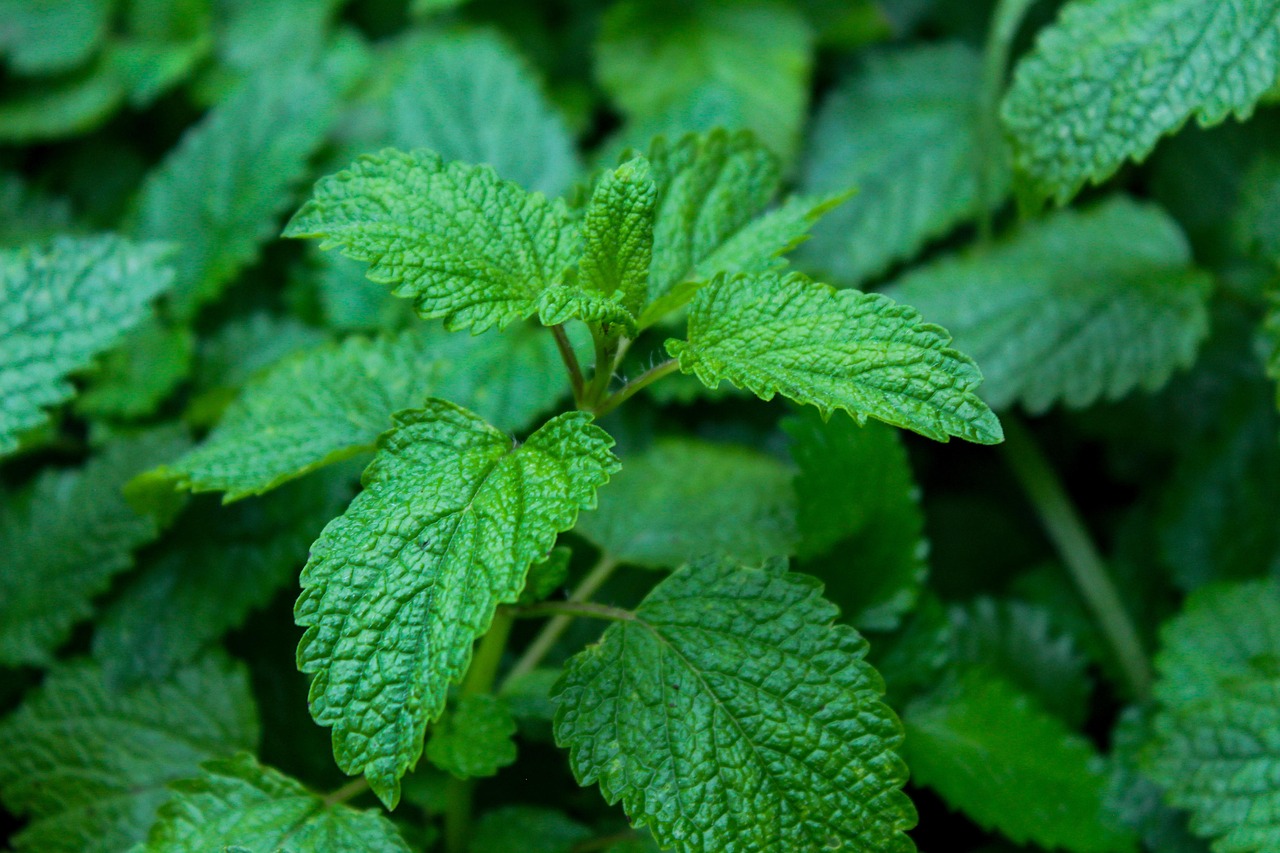
Melissa essential oil occupies a peculiar position in the fragrance and botanical world. The plant, Melissa officinalis (commonly called lemon balm), is familiar and easy to grow. You can find it at almost any garden center. Yet the essential oil distilled from its leaves and flowering tops is one of the scarcest and most expensive in commercial aromatherapy. The gap between the plant's accessibility and the oil's rarity creates a near-perfect environment for adulteration and outright fraud.
The core problem is yield. Steam-distilling fresh lemon balm produces a heartbreakingly small amount of oil. Published yield figures vary by growing conditions and harvest timing, but figures of 0.02 to 0.1 percent by weight are commonly cited in industry literature. In practical terms, you may need several hundred kilograms of plant material to produce a single kilogram of oil. Labor, land, and energy costs stack on top of that low yield, pushing the raw material price to a level that makes adulteration financially attractive for unscrupulous suppliers.
The scent of melissa is often described as a bright, green-fresh lemon note with herbal depth. That profile can be approximated reasonably well with far cheaper oils: lemongrass, citronella, lemon eucalyptus, or blends of these with synthetic citral. A buyer who has never smelled genuine, high-grade melissa may not notice the substitution immediately. Even experienced noses can be fooled by a well-constructed blend. Chemistry testing, not sensory evaluation alone, is the reliable arbiter.
This guide exists to give you a systematic, practical framework for buying melissa oil with confidence. It covers labels, suppliers, pricing, chemistry reports, and the specific red flags that indicate adulteration or misrepresentation. Each section builds on the last. Read it through once, then use the checklist in the final section as your buying reference.

Understanding What You Are Actually Buying
The Chemistry That Defines True Melissa Oil
Genuine Melissa officinalis essential oil has a recognizable chemical fingerprint. The dominant components in quality melissa oil are aldehydes: geranial and neral (collectively known as citral) typically make up 30 to 50 percent of the total composition. Geraniol, nerol, linalool, and beta-caryophyllene are also significant. The ratio of these components, the presence of minor sesquiterpene hydrocarbons, and the overall balance of the profile distinguish real melissa from its imitators.
Lemongrass oil (Cymbopogon citratus or Cymbopogon flexuosus) also contains high citral levels, often above 70 percent. A supplier who stretches or replaces melissa with lemongrass produces a product that smells lemon-forward but lacks the gentler herbal complexity, the softer geraniol contribution, and the sesquiterpene character of true melissa. GC/MS analysis catches this substitution clearly because the minor compound profile is completely different.
For a detailed sensory and chemical comparison between melissa and its most common substitutes, see our guide on melissa oil vs. lemongrass and citronella: telling the real lemon note apart. That article walks through what each oil smells like at different dilutions, and how their GC/MS traces differ.
Neat Oil, Diluted Oil, and Reconstituted Oil
Three distinct categories are sold under the "melissa oil" label, and conflating them causes significant confusion.
- Neat (undiluted) melissa essential oil: Pure distillate, no carrier. This is the most expensive format. It should arrive in a small bottle (often 1 ml to 5 ml at retail) with a clear statement that no carrier has been added.
- Pre-diluted melissa oil: Genuine melissa essential oil diluted into a carrier such as jojoba, fractionated coconut oil, or sunflower. Reputable suppliers state the dilution percentage clearly. A 3 percent dilution is common for cosmetic use. This format is more affordable and is often safer for direct skin application.
- Reconstituted or "nature-identical" melissa: A blend of isolated aromatic chemicals or cheaper essential oils designed to approximate the smell of melissa. This is not essential oil in any meaningful sense. It has no relationship to Melissa officinalis distillate. Some suppliers sell reconstituted melissa without adequate disclosure, which is where serious misrepresentation begins.
A good supplier is transparent about which category their product falls into. Any ambiguity on this point is itself a signal worth noting.
Harvest and Distillation Variables
Even among genuine melissa oils, quality varies significantly based on growing location, harvest stage, and distillation parameters. Oil distilled at the start of flowering tends to show different aldehyde ratios than oil distilled from fully mature flowering tops. Steam pressure and distillation time affect which compounds come over. Some producers use gentle low-pressure distillation to preserve the more volatile, delicate top notes. Others prioritize yield over quality.
Country of origin matters because of climate and soil. Melissa grown in Central Europe (Bulgaria, Hungary, France) and certain regions of the Mediterranean produces oil with a chemical profile that tends to align with quality standards recognized in professional literature. This does not mean oil from other regions is automatically inferior, but provenance is a useful data point when combined with chemistry test results.
Reading Labels Before You Spend a Cent
The label is the first filter. A supplier who cannot be bothered to label their product correctly is unlikely to invest in rigorous quality control. Here is what to look for, and what each piece of information tells you.
Botanical Name
The label must state Melissa officinalis. The common name "lemon balm" can appear alongside it, but the Latin binomial is non-negotiable. If the label says only "melissa oil" or "lemon balm oil" without the Latin name, that is a gap worth investigating. Some suppliers also note the plant part used (leaves and flowering tops) and the chemotype if relevant.
For a comprehensive walkthrough of label language including how to interpret botanical names, dilution disclosures, and lot codes, read our companion piece on reading a melissa oil label: botanical names, dilutions, and what the fine print means.
Country of Origin
Not a guarantee of quality on its own, but a data point. Reputable suppliers state where the plant was grown, not just where the oil was bottled. "Bottled in the USA" does not tell you where the raw material originated.
Distillation Method
Steam distillation is standard for melissa. CO2 extraction exists but is less common at commercial scale for this particular oil. If a supplier specifies distillation method, that signals attention to process detail. If they do not, ask.
Batch Number and Lot Traceability
A batch or lot number means the supplier can connect that specific bottle to a specific production run. This is essential for accessing GC/MS test data, because analysis is done per batch, not per product line. Without a lot number, a GC/MS report floating on a website may or may not correspond to the oil in your bottle.
Dilution Disclosure
If the oil is pre-diluted, the label must say so, and ideally state the percentage of melissa essential oil and the carrier oil used. A label that says "100% pure melissa oil" on a product that has clearly been diluted (given price and bottle size) is a compliance concern and a trust concern simultaneously.
How to Evaluate a Supplier
The oil in the bottle is only as trustworthy as the company that sourced, tested, and packaged it. Evaluating the supplier is arguably more important than evaluating any single product attribute.
GC/MS Testing: The Non-Negotiable Standard
Gas chromatography/mass spectrometry (GC/MS) testing separates an essential oil into its constituent chemical compounds and identifies each one. The resulting report shows what is in the oil, at what percentages. For melissa oil specifically, a quality GC/MS report should show:
- Geranial and neral (the citral pair) in a range consistent with Melissa officinalis (roughly 30 to 50 percent combined for quality oil)
- Geraniol and nerol as secondary components
- Beta-caryophyllene and related sesquiterpenes, which are present in genuine melissa and largely absent from lemongrass
- No unexplained high concentrations of compounds that would indicate blending with lemongrass, citronella, or synthetic citral
A reputable supplier makes GC/MS reports available per batch, either publicly on their website or on request. If a company hesitates, delays, or cannot produce a report matched to your specific lot number, that is a serious concern. Third-party testing, where an independent laboratory runs the analysis rather than the supplier's in-house lab, adds another layer of credibility.
For a step-by-step guide on how to read and interpret a melissa GC/MS report, including what a suspicious trace looks like compared to a clean one, see our detailed article on how to spot true melissa oil: quality checks for an often-adulterated essential oil.
Optical Rotation and Refractive Index
Beyond GC/MS, quality suppliers often include additional physical chemistry data: specific gravity, refractive index, and optical rotation. These measurements act as quick-check parameters. If the physical chemistry of an oil is outside the accepted range for Melissa officinalis, it flags the sample for further investigation. These numbers appear on a Certificate of Analysis (COA), which should accompany or be available for any batch of serious quality melissa oil.
Sourcing Transparency
Ask where the plant material comes from. Can the supplier name their distiller or farm? Can they describe the harvest season and method? A supplier who has visited their source, or who has a long-standing relationship with a specific distillery, can usually speak to this concretely. Vague answers about "our network of trusted global sources" carry less weight than "we work with a family farm in Bulgaria that we have visited twice and who supply us exclusively."
Independent vs. MLM Brands
The two largest multi-level marketing (MLM) essential oil companies sell melissa oil, and both have significant market visibility. Neither is necessarily dishonest, but the MLM distribution model creates structural pressure on pricing that affects how melissa, as an exceptionally costly raw material, gets handled in their product lines. Independent specialty distillers and small-batch aromatherapy companies often offer more transparency and occasionally better value for this specific oil.
We have analyzed the specific differences in detail in our comparison of doTERRA and Young Living melissa oil vs. independent specialty suppliers. That piece looks at testing transparency, pricing structures, and what buyers report about sensory quality.
Customer Support and Return Policies
A supplier confident in their product's quality will have a clear return or satisfaction policy. If a company's terms make returns difficult or impossible for genuine quality concerns, that asymmetry of confidence is informative. Good suppliers want you to be satisfied and know their oil will hold up to scrutiny.
Price as a Quality Signal
For most consumer goods, price is an imperfect signal of quality. For melissa essential oil, it is a near-essential signal. The raw material cost is simply too high to allow for dramatically low retail pricing on genuine, undiluted oil. Understanding the realistic price floor helps you identify products that are priced in a range that makes authenticity credible.
Wholesale and Retail Price Realities
At the wholesale level, genuine Melissa officinalis essential oil from reputable European suppliers has been quoted in ranges from roughly $200 to $500 per kilogram, and often higher for exceptional quality or limited harvest years. At retail, markups are significant. A 1 ml bottle of genuine neat melissa oil from a credible supplier will typically cost between $15 and $40 at minimum, with premium small-batch oils priced higher.
If you see a 10 ml bottle of "pure melissa essential oil" priced at $12, the arithmetic does not work. Either the oil is heavily diluted (and the label should say so), adulterated with cheaper materials, or mislabeled entirely. None of those three options represents what the product claims to be.
For a full breakdown of current fair price ranges across bottle sizes, dilutions, and supplier tiers, see our dedicated melissa oil price guide: what a fair price looks like per milliliter. That article updates periodically as market conditions shift.
Price as a Ceiling, Not a Floor
High price alone does not confirm quality. Some brands charge premium prices for oils that do not hold up to chemistry testing. The price floor is meaningful: anything below the credible minimum is almost certainly misrepresented. But above that floor, price alone is not sufficient. You still need the GC/MS data and the supplier evaluation steps described above.
Cost-Per-Milliliter Thinking
Train yourself to think in cost per milliliter rather than cost per bottle. A 5 ml bottle at $75 costs $15 per ml. A 1 ml bottle at $18 costs $18 per ml. The 5 ml bottle appears more expensive at checkout but is actually priced more favorably per unit. This mental shift matters especially when comparing neat oil to pre-diluted blends, since diluted products include the cost of the carrier, not just the essential oil fraction.
Neat Oil vs. Pre-Diluted Blends: Which to Buy
This is one of the most practical questions a buyer faces, and the answer depends on your intended use, experience level, and budget.
The Case for Neat Oil
Neat (undiluted) melissa essential oil gives you maximum flexibility. You can dilute it to any concentration appropriate for your intended cosmetic or aromatic application. You can formulate it into a range of products: facial serums, balms, room sprays, or diffuser blends. You have full control over the carrier and the dilution ratio.
Neat oil is also easier to authenticate through GC/MS testing, because there is no carrier oil masking any components or complicating the analysis. If quality verification matters to you (and it should), neat oil from a supplier who provides batch-specific GC/MS reports is the most straightforward option.
The drawbacks are price and the need for careful handling. Melissa essential oil at full strength can cause skin sensitization if used improperly. It should never be applied undiluted to skin. Always dilute to an appropriate concentration for your use case.
The Case for Pre-Diluted Blends
A well-formulated pre-diluted melissa blend from a transparent supplier is not a compromise. It is a sensible product for buyers who want a ready-to-use format without the need to purchase carrier oils separately, calculate dilution ratios, or handle a small volume of extremely concentrated and costly essential oil.
Pre-diluted melissa is also the safer default for anyone new to working with the oil. A 2 to 3 percent dilution in a stable carrier is ready for most cosmetic applications, assuming a patch test is done first.
The key evaluation questions for pre-diluted products are: Does the label state the exact dilution percentage? Is the carrier oil named? Is the essential oil content sufficient to be meaningful at that dilution? A 0.1 percent melissa dilution may technically qualify as a "melissa blend" but delivers very little of the actual oil's character.
Our in-depth comparison of pre-diluted melissa blends vs. neat melissa oil covers the formulation details, when each format makes sense, and how to calculate the effective cost of the melissa fraction in a diluted product.
Dilution Safety Basics
Safety note: Melissa essential oil is potent. The International Fragrance Association (IFRA) and industry safety guidelines recommend conservative dilution levels for leave-on skin applications, generally around 0.9 percent or less for some usage categories. Always consult current IFRA guidelines and perform a patch test before applying any new product to skin. Pregnant or nursing individuals, young children, and those with known sensitivities should consult a qualified healthcare provider before using melissa essential oil in any format.
Red Flags That Should Stop You from Buying
Pattern recognition is a skill. Once you know what misrepresented melissa products look like, they become easier to spot quickly. The following signals, individually or in combination, should prompt either deeper investigation or a decision to look elsewhere.
Price That Defies Arithmetic
Already covered in the pricing section, but worth restating as a hard stop: if the math does not work, the oil is not what it claims to be. A 10 ml bottle of "100% pure melissa essential oil" for $9.99 is not possible at current raw material costs. Period.
Absence of Botanical Name on the Label
Any supplier who cannot or will not put Melissa officinalis on the label is not meeting minimum professional standards. This is not a technicality. The botanical name is the only precise identifier that distinguishes this oil from its botanical relatives and its common adulterants.
No GC/MS Data Available
In 2025, the absence of GC/MS testing on a company's melissa oil is not acceptable for a serious buyer. This is now a baseline expectation, not a premium feature. If a company says their quality is guaranteed by their "experienced staff" or "decades of industry relationships" but cannot produce chemistry data, you have no objective basis for their claim.
Suspiciously Similar Pricing to Lemongrass or Citronella
Lemongrass essential oil sells for a few dollars per 10 ml at retail. If melissa oil from a supplier is priced anywhere near lemongrass, that similarity in price is not a bargain. It is a disclosure about what you are actually buying.
Vague Country of Origin
"Natural origin" or "botanically sourced" or "wildcrafted from pristine environments" are marketing phrases, not provenance data. A supplier who knows their source knows the country, region, and often the specific farm or cooperative. Vagueness here usually indicates a commodity supply chain with minimal traceability.
Scent That Does Not Match
This is a supplementary check, not a primary one, because scent evaluation is subjective and can be fooled. That said, once you have smelled genuine high-grade melissa oil, the difference from lemongrass-based adulterants becomes more apparent. Authentic melissa has a softer, rounder lemon note with an herbal, slightly citrus-floral background. Lemongrass-heavy substitutes tend to be sharper, more aggressive in their lemon character, and lack the delicate green complexity.
Implausible Claims About What the Oil Does
While this guide is focused on quality evaluation rather than use claims, it is worth noting that suppliers who make dramatic, sweeping claims about their melissa oil's effects are often using those claims as a distraction from a lack of substantive quality documentation. Focus on what the supplier can prove, not what they promise.
Marketplace Listings Without Supplier Identity
Amazon, eBay, and similar marketplaces host numerous melissa oil listings from sellers with minimal verifiable identity. That does not make every such listing fraudulent, but purchasing from a named supplier's own website, where you can find their full company information, testing practices, and return policy, significantly reduces risk. Marketplace listings for expensive, frequently adulterated oils deserve extra skepticism.
Building Your Buying Checklist
Everything in this guide condenses into a practical sequence of checks you can run before committing to a purchase. Use this as a reference each time you consider a new supplier or product.
Step 1: Confirm the Label Basics
- Does the label show Melissa officinalis as the botanical name?
- Is the country of origin (plant source, not just bottling location) stated?
- Is the distillation or extraction method noted?
- Is there a batch number or lot code?
- If pre-diluted, is the dilution percentage and carrier oil clearly named?
If you are shopping online before receiving the product, look for this information in the product listing or ask the supplier directly before ordering.
Step 2: Run the Price Check
- Calculate the price per milliliter.
- Is the per-ml price consistent with the realistic cost floor for genuine melissa oil? (Reference our melissa oil price guide for current benchmarks.)
- If the oil is pre-diluted, calculate the implied cost of the essential oil fraction at the stated dilution percentage. Does that math align with current market prices for neat melissa?
Step 3: Request or Find GC/MS Documentation
- Is a GC/MS report available for your specific lot number?
- Is the testing done by an independent laboratory, or in-house?
- Does the report show geranial and neral combined in the 30 to 50 percent range typical of quality melissa?
- Are beta-caryophyllene and other sesquiterpenes present at meaningful levels?
- Are there any unexpected peaks that suggest blending with lemongrass, citronella, or synthetic citral?
If you need help interpreting what a GC/MS report should look like, revisit our quality verification guide at how to spot true melissa oil.
Step 4: Evaluate the Supplier
- Can the supplier describe where their plant material comes from specifically?
- Do they have a verifiable business identity and contactable customer support?
- Is their return policy reasonable and clearly stated?
- Are they transparent about whether the product is neat oil or a diluted blend? (See pre-diluted blends vs. neat melissa oil for what full disclosure looks like.)
- Do independent reviews or professional references support their reputation for this specific oil?
Step 5: Check for Red Flags
- Is the price suspiciously close to lemongrass pricing?
- Is the botanical name absent or unclear?
- Is GC/MS data unavailable or unmatched to the lot number?
- Is the country of origin vague or absent?
- Is the product listed on a marketplace without a traceable supplier identity?
One red flag warrants a careful second look. Multiple red flags together mean you should move on.
A Note on Building Supplier Relationships
Melissa oil buyers who source regularly often find that establishing a direct relationship with one or two vetted suppliers is more efficient than evaluating a new product each time. Once you have gone through the full verification process with a supplier and found their documentation, pricing, and product quality satisfactory, re-ordering from that source is lower friction and lower risk. Ask suppliers about new crop availability and batch notifications if you use melissa regularly.
Comparison Table: What Separates Quality Melissa Oil Suppliers from Poor Ones
| Evaluation Criterion | Strong Supplier | Weak or Suspect Supplier |
|---|---|---|
| Botanical name on label | Melissa officinalis clearly stated | "Lemon balm oil" or generic name only |
| Country of origin | Specific country and region of cultivation | Vague or absent |
| GC/MS testing | Third-party, batch-specific, available on request | No data, in-house only, or not lot-matched |
| Pricing | Consistent with raw material cost realities | Priced near lemongrass or obviously too low |
| Dilution transparency | Clearly stated percentage and carrier named | Ambiguous or absent dilution disclosure |
| Sourcing information | Named distiller, farm, or cooperative | "Global trusted network" language |
| Return/satisfaction policy | Clear, accessible, reasonable | Difficult, absent, or exception-heavy |
| Supplier identity | Verifiable business with contact information | Anonymous marketplace listing |
Buying melissa oil well is not complicated once you know what to look for. The barriers are mainly unfamiliarity with the crop's economics and the absence of a systematic evaluation habit. Both of those gaps are now filled. Take the checklist to your next search, ask the questions, read the data, and let the answers guide your decision. The genuine article is worth finding.