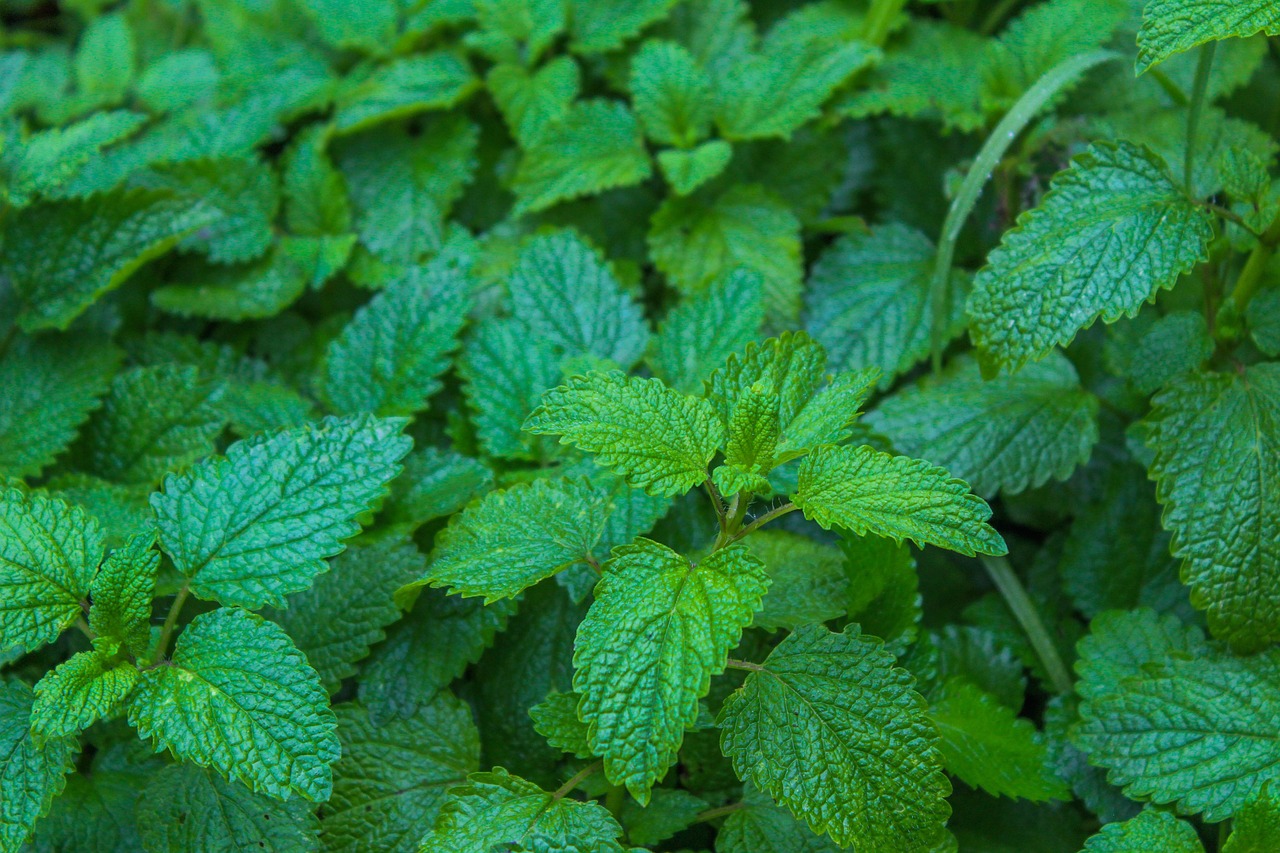
Melissa Oil Price Guide: What a Fair Price Looks Like Per Milliliter
Melissa essential oil sits at the top of the aromatic world in terms of cost. A single milliliter of genuine, steam-distilled melissa can run anywhere from $3 to over $15, depending on sourcing, concentration, and supplier integrity. That wide range is not random. It reflects real differences in botanical origin, distillation quality, and market transparency. This guide breaks down what drives melissa oil price, what a fair cost per milliliter actually looks like, and how to shop without getting burned by diluted or mislabeled products.
Why Melissa Essential Oil Costs So Much
Before comparing prices, it helps to understand the production math. Melissa officinalis leaves are notoriously low-yielding. Roughly 3 to 5 metric tons of fresh plant material are required to produce just one kilogram of essential oil. The plant itself is delicate, the harvest window is short, and the aromatic compounds are volatile enough to degrade quickly if distillation is not handled carefully.
That yield problem makes melissa essential oil cost structurally high. A supplier pricing genuine, undiluted melissa at $1 per milliliter is not offering a deal. They are selling something else entirely, most likely a blend of citronella, lemon, lemongrass, or a synthetic citral compound. Knowing this baseline protects you before you ever read a product label.
The Real Price Range: Neat vs. Pre-Diluted
Melissa is commonly sold in two forms: neat (100% pure) and pre-diluted in a carrier oil. The melissa oil price per ml looks very different depending on which form you are buying, and conflating the two is one of the most common mistakes shoppers make.
| Product Type | Typical Price Range (per ml) | What You Are Actually Buying |
|---|---|---|
| Neat melissa (100% pure) | $6 to $15+ | Undiluted essential oil, highest potency |
| Pre-diluted melissa (2 to 5%) | $0.80 to $3 | Carrier oil with a small percentage of melissa |
| Melissa blend or "nature-identical" | $0.20 to $1 | Synthetic or blended substitute, not true melissa |
The pre-diluted category is not inherently inferior. For most skin and body applications, a well-formulated 3% dilution in jojoba or fractionated coconut oil is perfectly appropriate and more cost-effective than buying neat oil and diluting yourself. The issue arises when products are labeled ambiguously, listing a low per-milliliter price without disclosing the dilution ratio. To navigate labeling clearly, read our guide on reading a melissa oil label: botanical names and dilutions.
Quality Indicators Worth Paying For
Price alone does not confirm quality. A high price tag on a poorly sourced oil is still a bad purchase. Here are the specific markers that justify a premium melissa essential oil cost.
GC/MS Testing Documentation
Gas chromatography and mass spectrometry analysis is the industry benchmark for verifying essential oil composition. A reputable supplier will publish batch-specific GC/MS reports, either directly on the product page or available on request. For melissa, the key compounds to look for in these reports are geranial, neral (together these form citral), and citronellal. A meaningful melissa oil will show substantial geranial and neral percentages. If a supplier cannot or will not provide this documentation, that is reason enough to shop elsewhere.
Latin Name and Chemotype Clarity
The label should clearly state Melissa officinalis. Any vague reference to "lemon balm oil" without the Latin name, or a label that lists only a common name, suggests the supplier is not operating with full botanical precision. This matters because several oils share lemony scent profiles but are not melissa.
Country of Origin
Eastern European origins, particularly Bulgaria, Hungary, and Moldova, have produced well-regarded melissa oil over the past several decades. French melissa also has a strong reputation. Origin alone is not a guarantee, but it is a useful context point when evaluating price. A Bulgarian-sourced, GC/MS-verified melissa priced at $8 per milliliter is more plausible than the same claim from an unknown origin priced at $1.50.
Distillation Method
Steam distillation is the standard method for melissa. Some suppliers note the specific distillation parameters, such as low-pressure or short-cycle distillation, which can preserve the more delicate aromatic notes. This level of detail is a positive signal about a supplier's technical seriousness.
Packaging
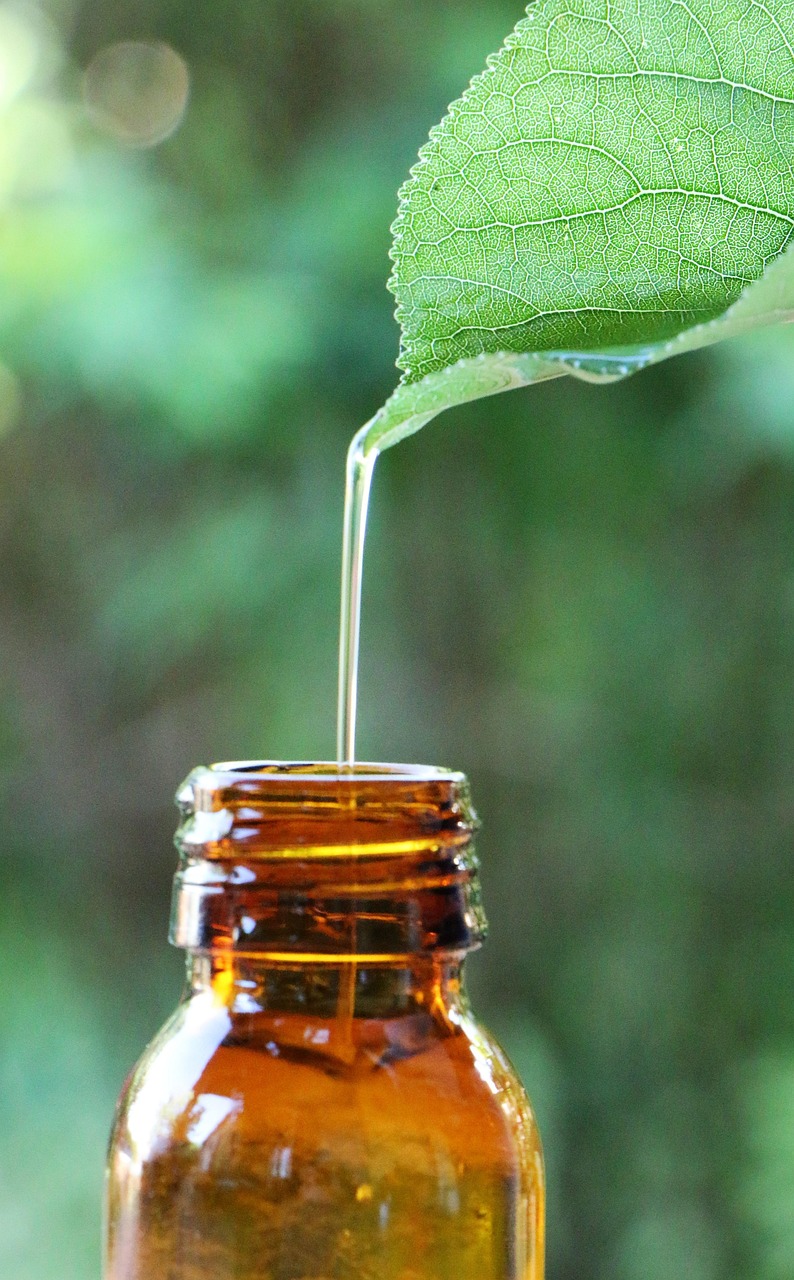
Dark amber or cobalt glass bottles with an orifice reducer or dropper insert are appropriate for neat melissa oil. Any product sold in clear plastic is either a very low-concentration dilution or being handled irresponsibly. Light and plastic both degrade essential oil quality over time.
Top Picks at Different Price Points
Rather than name specific brands (supply chains shift and batch quality varies), think in terms of supplier archetypes that reflect different melissa essential oil cost tiers.
Budget Tier: $0.80 to $2 per ml
At this price, you are realistically buying a pre-diluted melissa blend or a carrier-heavy product. This tier is not worthless. A well-formulated 2 to 3% melissa in a quality jojoba base can work beautifully for a facial serum, a leave-on balm, or a pulse-point roller. The key is finding a supplier who is transparent about the dilution percentage and the carrier used. Avoid anything in this range that claims to be 100% pure neat melissa. It is not.
For a deeper look at how pre-diluted products compare to neat oil for everyday use, see our article on pre-diluted melissa blends vs. neat melissa oil.
Mid Tier: $3 to $7 per ml
This is a complicated zone. Some legitimate pre-diluted products with higher melissa concentrations (5 to 10%) live here, alongside some neat melissa sourced from lower-yield harvests or less rigorous distillation runs. GC/MS documentation becomes especially important at this tier. Request or review the batch report before purchasing. A mid-tier product with solid documentation is often a better value than a premium-priced product from a supplier who offers no analytical backup.
Premium Tier: $8 to $15+ per ml
This is the realistic home for verified, undiluted Melissa officinalis essential oil from named, reputable origins. At this price point, expect full GC/MS documentation, clear country of origin, and responsive customer service. The scent itself should be complex: softly lemony with an herbal, slightly floral undertone. It should not smell aggressively citrusy or sharply chemical. If a product at this price smells like candy lemon or furniture polish, something is off.
Red Flags to Avoid
The melissa market has more than its share of mislabeled and adulterated products. These warning signs apply regardless of where you shop.
- Price that seems too good. Neat melissa under $3 per milliliter from an unknown supplier is almost certainly not genuine. The production economics simply do not allow for it.
- No GC/MS report available. Any supplier serious about melissa will have this documentation. Absence is a meaningful signal.
- Vague labeling. "Lemon balm essential oil" without the Melissa officinalis designation, or no country of origin listed, suggests a lack of rigor.
- Overpromising copy. Listings that make dramatic wellness claims without hedging are often compensating for a product that cannot compete on quality alone.
- Plastic packaging for a "pure" product. As noted above, this is a basic quality indicator. Neat melissa does not belong in a plastic bottle.
- No return or quality guarantee. Reputable essential oil suppliers stand behind their sourcing. A no-returns policy on a premium-priced product is a red flag.
Where to Buy Melissa Essential Oil
Sourcing matters as much as price. These are the channel types worth considering, with honest notes on each.
Specialty Aromatics Suppliers
Companies that focus specifically on essential oils, absolutes, and aromatic raw materials are often the most reliable source for genuine melissa. They typically publish GC/MS data, offer detailed sourcing information, and carry smaller batch quantities that turn over regularly. Freshness matters with melissa; older stock loses the bright lemony top notes first.
Direct-from-Distillery Imports
Some small importers work directly with Bulgarian or Hungarian distilleries and sell through independent web shops. These can offer excellent value for a verified product. The trade-off is that customer service and shipping infrastructure may be less polished than a larger retailer. Research the importer's reputation before purchasing.
Large Retail Platforms
Marketplace platforms can surface legitimate suppliers, but they also carry significant adulteration risk. The same platform may list a verified premium product alongside a synthetic substitute at a fraction of the price, with nearly identical packaging. If you shop through a large retail marketplace, filter strictly by suppliers who publish GC/MS data and have detailed, specific product descriptions rather than generic wellness copy.
What to Avoid
Discount import sites and unnamed dropshippers with no physical address, no documentation, and suspiciously low pricing are the highest-risk category. The savings are not real when the product is not what it claims to be.
Calculating True Value Per Milliliter
When comparing melissa oil per ml across products, a quick normalization helps. Take the total price, divide by the total volume in milliliters, and you have your comparable unit cost. Then factor in dilution status. A 10 ml bottle of 100% pure melissa at $90 works out to $9 per ml of actual melissa. A 30 ml bottle of 3% dilution at $18 works out to $0.60 per ml of carrier oil, plus roughly $18 worth of melissa at the same $9 per ml rate spread across the batch. The pre-diluted product may represent reasonable value for a ready-to-use format, but the math only makes sense if the dilution percentage is disclosed and the carrier quality is good.
For a complete framework on evaluating sourcing claims, label language, and supplier credentials, our ultimate guide to buying melissa oil covers each step in detail.
A Note on Seasonal and Batch Variation
Melissa oil price is not fully stable across seasons or years. A poor harvest in a primary growing region will push prices up; a surplus year may bring them down slightly. Reputable suppliers will sometimes note harvest year and batch number on their product pages. This level of transparency is worth seeking out. It signals that the supplier tracks provenance carefully, which correlates with overall sourcing integrity.
Purchasing a larger quantity from a verified batch when pricing is favorable can make practical sense if you use melissa regularly. Stored correctly in a cool, dark location with the cap sealed tightly, neat melissa oil retains its quality for two to three years.
The Summary View
Genuine melissa essential oil costs more than most people expect the first time they look. That cost reflects real scarcity, real labor, and real chemistry. The goal of a smart purchase is not to find the lowest melissa oil price, but to find the lowest price at which you are actually getting what the label says. GC/MS documentation, clear dilution disclosure, named botanical sourcing, and appropriate packaging are the four pillars that separate a worthwhile purchase from an expensive disappointment.
Spend time with a supplier's documentation before you spend money on their product. The arithmetic per milliliter only means something if the milliliter is real.