Reading a Melissa Oil Label: Botanical Names, Dilutions, and Testing Claims
Melissa essential oil is one of the most frequently adulterated oils on the market. Its price alone makes it a target. A single kilogram of genuine steam-distilled Melissa officinalis essential oil can cost several thousand dollars to produce, which means a bottle priced at $12 is almost certainly not what it claims to be. Knowing how to read a melissa oil label carefully is the single most valuable skill a buyer can develop before spending money on this oil.
This guide walks through every element of a quality label: what the botanical name tells you, how dilution disclosures should appear, what a legitimate essential oil GC/MS report looks like, and the specific red flags that signal a product worth putting back on the shelf.

Start With the Botanical Name: It Has to Say Melissa officinalis
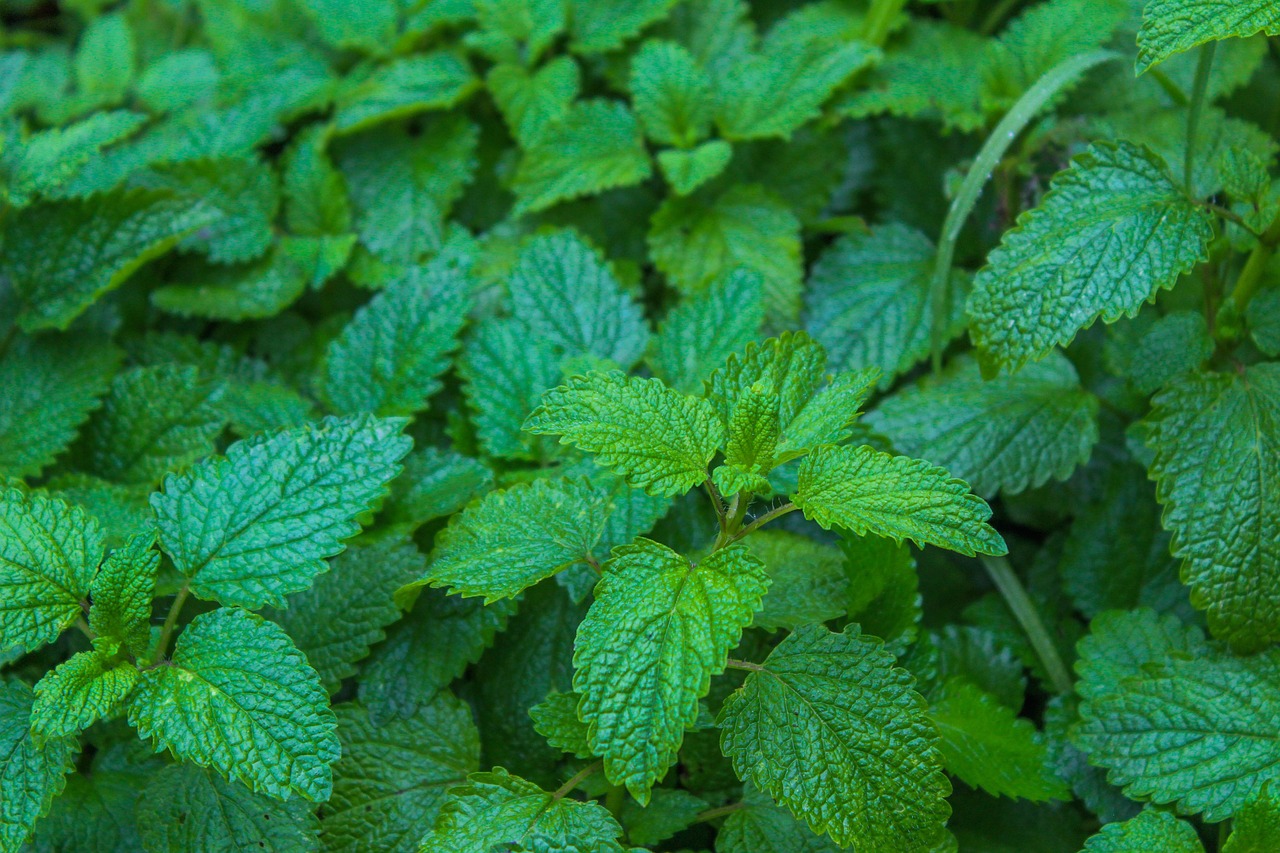
The most important line on any melissa oil label is the botanical name. Genuine melissa essential oil comes exclusively from Melissa officinalis, a perennial herb in the mint family native to southern Europe and western Asia. If that exact Latin binomial is not printed on the label, you have no verified connection to the actual plant.
This matters because several other plants produce a lemon-scented oil that is commonly sold under the melissa name. Lemon balm absolute, lemon verbena (Aloysia citrodora), lemongrass (Cymbopogon citratus), lemon eucalyptus (Eucalyptus citriodora), and citronella are all substituted for melissa with some regularity. Their scent profiles overlap enough to fool a casual nose, but their chemical compositions are entirely different.
Some labels will list only "melissa" or "lemon balm" as the common name. Common names alone are insufficient. Reputable suppliers always include the full botanical name in Latin. Its absence is a red flag, not a minor formatting oversight.
What About Chemotype Designations?
Melissa officinalis does not have widely commercialized chemotypes the way lavender or rosemary do, so you are unlikely to see a chemotype designation on a melissa label. If you do see one, verify it with the supplier's documentation. More importantly, look for the country of origin and the plant part used. Leaves and flowering tops are the standard source material. An oil distilled solely from stems or roots would be atypical and should prompt questions.
Dilution Disclosures: Neat Oil vs. Pre-Diluted Blends
Because neat melissa essential oil is so costly, many suppliers sell it pre-diluted in a carrier oil at 3%, 5%, or 10% concentrations. This is a completely legitimate practice, provided the label is honest about it.
A transparent dilution label will state:
- The percentage of Melissa officinalis essential oil present (e.g., "5% melissa in jojoba oil")
- The carrier oil used by its own botanical name
- Whether the product is intended for direct skin application or requires further dilution
Problems arise when a label lists melissa essential oil as an ingredient without disclosing that the bottle contains mostly carrier oil. This is not always done with fraudulent intent; some smaller producers simply follow poor labeling conventions. But the result is that you may be paying essential oil prices for what is effectively a pre-made blend. Understanding the difference between pre-diluted melissa blends and neat melissa oil before you shop will save you money and confusion. You can explore that comparison in detail at pre-diluted melissa blends vs. neat melissa oil.

Understanding the Essential Oil GC/MS Report
A GC/MS report (gas chromatography/mass spectrometry) is the chemical fingerprint of an essential oil. It identifies and quantifies the individual compounds present in a given batch. For melissa oil, this document is not optional. It is the primary evidence that what is in the bottle is what the label says it is.
What a Legitimate GC/MS Report Looks Like
A trustworthy essential oil GC/MS report will include:
- Batch or lot number that matches the number printed on the physical bottle
- Sample name listed as Melissa officinalis, not a generic "lemon balm" designation
- Testing laboratory name and contact information (third-party testing is more credible than in-house testing alone)
- Date of analysis
- A compound list with retention indices and percentage composition
For genuine Melissa officinalis essential oil, the report should show meaningful concentrations of geranial, neral, citronellal, and geraniol. Geranial and neral together (the two isomers that make up "citral") typically account for 30% to 50% or more of a quality steam-distilled melissa oil. Beta-caryophyllene and other sesquiterpenes round out the profile.
If a report shows the composition dominated by geraniol or linalool at unusual levels, or if citral figures are absent, consider that with skepticism. Lemongrass oil, for instance, can also show high citral content, which is one reason GC/MS alone is sometimes paired with optical rotation or refractive index testing by more rigorous suppliers.
Red Flags in a GC/MS Report
- No lot number, or a lot number that does not match the bottle
- A single generic report posted for all melissa products regardless of harvest year
- A report dated several years ago with no indication of current batch testing
- The report is available only upon request after purchase, rather than linked or printed on the label
- The testing laboratory cannot be verified with a web search
Many reputable suppliers now include a QR code on the label that links directly to the batch-specific report. This is the gold standard for accessibility. If a supplier does not make its reports available at all, that alone is reason to look elsewhere.
Other Label Elements Worth Scrutinizing
Country of Origin
Genuine melissa oil is produced in small quantities across several regions: Bulgaria, France, Germany, Hungary, and parts of the Middle East are recognized sources. The country of origin does not guarantee quality on its own, but its absence on a label suggests the supplier either does not know the provenance of their oil or has chosen not to disclose it.
Extraction Method
Steam distillation is the standard extraction method for melissa essential oil. Some products labeled as "melissa" are actually solvent-extracted absolutes or CO2 extracts. These are not necessarily inferior, but they have different aromatic profiles and are used differently in cosmetic formulation. The label should specify the extraction method clearly.
Expiration or Best-Before Date
Melissa oil contains a relatively high proportion of aldehydes, which oxidize over time. A responsible supplier will include an expiration or "best before" date. If you are buying from a retailer with no date on the label, ask about the distillation year. Oils that have been sitting in a warehouse for three or four years before reaching you may have compromised aromatic quality.
Bottle size also plays a role here. Smaller bottles reduce your exposure to oxidized oil, particularly for an ingredient you may not use in large quantities. The reasoning behind this is covered thoroughly at best melissa oil bottle sizes: why smaller is usually smarter.
Allergen Disclosures
Under EU cosmetic regulations, several fragrance allergens require labeling when present above certain thresholds in a finished product. Melissa oil contains compounds such as geraniol and citral that fall under these disclosure requirements. If you are purchasing melissa oil in a European market or from a supplier who follows EU standards, allergen disclosures on the label reflect good formulation practice. Their presence is a positive signal about the supplier's regulatory awareness.
Price as a Quality Signal

It bears repeating: melissa is among the most expensive essential oils in the world. The extraordinarily low yield from the plant (roughly 1 kilogram of oil requires somewhere between 3,000 and 7,000 kilograms of fresh plant material, depending on growing conditions and harvest timing) means that authentic melissa oil commands a high price at every point in the supply chain.
A useful reference range: as of recent market pricing, genuine neat Melissa officinalis essential oil typically retails between $40 and $80 for a 1 mL bottle, $150 and $350 for 5 mL, and higher still for larger volumes. Prices below these ranges for a product claiming to be neat, undiluted melissa oil warrant serious scrutiny.
That said, high price is not proof of quality. Some suppliers charge premium rates for adulterated or diluted products. Price is a floor, not a ceiling. It rules out obvious fakes but does not confirm authenticity on its own.
Where to Buy: Choosing Reliable Suppliers
The most reliable sources for authentic melissa essential oil share a few consistent traits:
- Batch-specific GC/MS reports accessible before purchase
- Clear botanical naming and country of origin disclosure
- Transparent pricing that reflects realistic production costs
- Responsive customer service that can answer sourcing questions
- A track record in the industry, verified through independent reviews and aromatherapy community forums
Established specialist suppliers in the essential oil trade, such as Eden Botanicals, Tisserand (for pre-diluted products), Rocky Mountain Oils, and several European distilleries that sell direct, generally meet these criteria. General-purpose online marketplaces are higher risk because individual sellers may not follow rigorous testing or labeling standards.
For a more complete breakdown of how to evaluate suppliers across all these dimensions, the resource at how to buy melissa oil: the ultimate guide to quality goes deeper into vetting individual companies and reading supplier documentation.
A Quick-Reference Label Checklist
| Label Element | What to Look For | Red Flag |
|---|---|---|
| Botanical name | Melissa officinalis in full | Common name only, or a different Latin name |
| Extraction method | Steam distillation stated explicitly | No method listed |
| Country of origin | Named country (Bulgaria, France, etc.) | Absent or listed as "various" |
| Lot or batch number | Unique number matching available GC/MS report | No lot number; generic report only |
| GC/MS report access | QR code or URL on label; third-party lab preferred | Not available; available only after purchase |
| Dilution disclosure | Percentage and carrier oil named if diluted | "Blend" or carrier oil unlisted; misleading concentration |
| Best-before date | Date printed or distillation year disclosed | No date; product appears old |
| Price | Consistent with known production costs | Suspiciously low for claimed volume and purity |
Making the Decision
A melissa oil label is a contract of sorts. It tells you what the supplier believes about their product and what they are willing to stand behind publicly. Suppliers who invest in third-party GC/MS testing, print batch numbers, disclose sourcing details, and price honestly are demonstrating accountability. Those who omit these details may have good reasons, but you have no way to know that from the label alone.
The extra five minutes spent reading a label and pulling up the associated report will do more to protect your investment in this rare oil than any other single step. Melissa is worth buying well. A bottle of genuine Melissa officinalis essential oil is a remarkable aromatic material. A bottle of adulterated substitute is simply a disappointment waiting to happen.
Safety note: Melissa essential oil, including pre-diluted products, should be patch tested before broad skin application. Dilute neat oil appropriately in a carrier before any topical use, following established dilution guidelines from a qualified aromatherapist. Consult a healthcare provider with any questions about suitability for your individual circumstances.