Best Melissa Oil Bottle Sizes: Why Smaller Is Usually Smarter
Melissa essential oil is one of the rarest oils on the market. Genuine, high-quality melissa commands prices that can surprise first-time buyers, and that price point makes every purchasing decision count. One of the most overlooked decisions? The bottle size you choose.
This guide walks through the most common melissa oil sizes available, what to look for before you buy, and why the instinct to stock up on a larger bottle often works against you with this particular oil.
Why Melissa Oil Sizes Deserve More Thought Than Usual
Most essential oil buyers have been trained to think bigger is better. Larger bottles typically mean a lower cost per milliliter, and that logic holds for workhorse oils like lavender or eucalyptus. Melissa is different.
True melissa oil (distilled from Melissa officinalis leaves) is expensive for a straightforward reason: it takes an enormous quantity of plant material to yield even a small amount of oil. Reputable suppliers often cite yields of 0.05% to 0.1% from fresh plant matter. That means a single kilogram of finished oil may require hundreds of kilograms of lemon balm.
Because the oil is so costly, adulteration is widespread. Blends cut with lemon, lemongrass, citronella, or synthetic citral are commonly sold as "melissa" at suspiciously low prices. Buying a large bottle of adulterated oil is not a bargain. It is an expensive mistake.
Even with a genuinely pure oil, larger volumes create a different problem: oxidation. Once a bottle is opened, the clock starts. A 30ml bottle that takes you two years to use will likely be significantly degraded before you finish it. Melissa oil sizes should match your actual usage rate.
The Most Common Melissa Oil Bottle Sizes
Understanding what is typically available helps you match your purchase to your needs.
| Bottle Size | Best For | Approximate Drops | Typical Shelf Life After Opening |
|---|---|---|---|
| 1ml to 2ml | Sampling, blending trials | 20 to 40 drops | Use quickly; minimal air exposure |
| 5ml | Regular home users | Approx. 100 drops | 6 to 12 months after opening |
| 10ml | Dedicated users, small batch formulators | Approx. 200 drops | 12 months with good storage habits |
| 15ml to 30ml | Professional formulators, high-volume use | 300 to 600+ drops | Only practical if used regularly |
For most home users adding a drop or two of melissa to a diffuser blend, a roller, or a skin care formula a few times per week, a 5ml bottle is the practical sweet spot. It keeps costs manageable, limits oxidation risk, and lets you reassess quality with each purchase rather than committing to a single large supply.
What to Look For: Quality Indicators
Before comparing melissa oil sizes, you need confidence that the oil inside the bottle is genuinely what it claims to be. Here is what separates high-quality melissa from the many impostors on the market.
Gas Chromatography / Mass Spectrometry (GC/MS) Reports
Any reputable melissa supplier should provide a batch-specific GC/MS report on request, or better yet, post it publicly. Authentic melissa oil has a specific chemical profile. The primary constituents typically include geranial, neral, and citronellal, often alongside smaller proportions of beta-caryophyllene and other compounds. A report dominated by synthetic citral or missing key constituents is a warning sign.
Latin Name and Chemotype Clarity
The label should clearly state Melissa officinalis. Some suppliers list a chemotype or growing region. Oils from France, Ireland, and parts of Eastern Europe are among the more commonly cited quality sources, though origin alone does not guarantee authenticity.
Pricing That Reflects Reality
Genuine melissa oil is expensive. If a 10ml bottle is priced similarly to a comparable volume of lavender or sweet orange, that price should prompt immediate skepticism. See our detailed breakdown in the ultimate guide to buying melissa oil for a full discussion of realistic price ranges.
Packaging and Bottle Quality
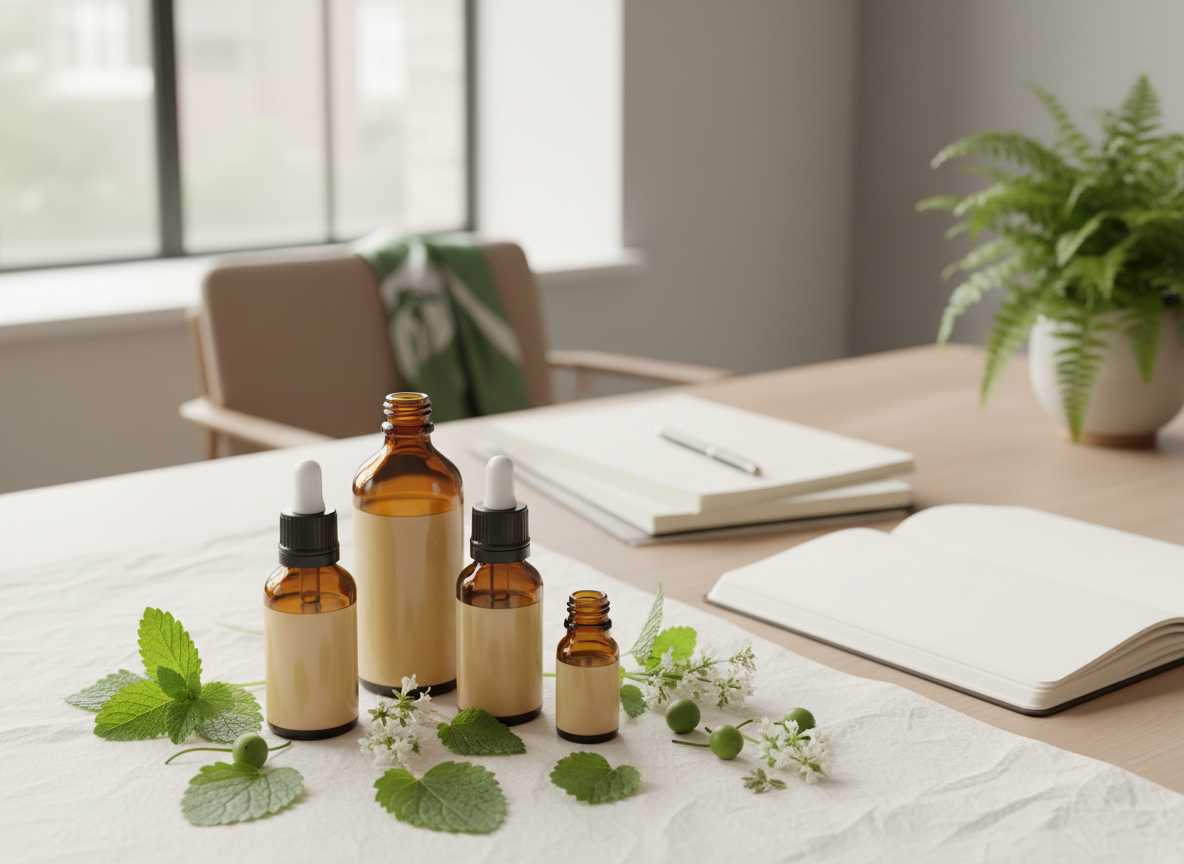
Melissa oil should always be sold in dark amber or cobalt blue glass bottles with a tight-fitting orifice reducer or dropper cap. Clear glass offers no UV protection and will accelerate degradation. Plastic bottles are a red flag for any serious essential oil, and especially for one as valuable as melissa.
Key Features to Compare When Shopping
Once you have confirmed a supplier is credible, these are the specific features worth comparing across listings.
- Batch traceability: Can the supplier tell you which harvest season and farm lot the oil comes from? This matters because melissa quality varies year to year.
- Organic certification: Not mandatory for quality, but certified organic melissa signals that the grower has met documented standards for cultivation practices.
- Dilution disclosure: Some suppliers sell melissa pre-diluted in a carrier oil, which can be perfectly fine for topical use. However, a diluted product should be clearly labeled as such, with the percentage of melissa clearly stated. A 3% melissa in jojoba is a different product from a neat (undiluted) oil, and the price should reflect that.
- Return or satisfaction policy: Reputable suppliers stand behind their sourcing. A company that offers no recourse if the batch smells off or fails a quality check is taking less risk than you are.
Top Picks at Different Price Points
Rather than name individual brands (which can change their sourcing without notice), the following categories describe what you should expect at each price tier.
Entry Point: Sampler Vials (1ml to 2ml)
Some specialist aromatics suppliers offer small sampler volumes of melissa, often priced between five and fifteen dollars. These are a sensible way to evaluate the scent profile and quality of a supplier before committing to a larger purchase. The honeyed, bright lemon character of good melissa should be immediately apparent. If the sample smells thin, aggressively sharp, or almost identical to lemon essential oil, that is informative.
Mid-Range: 5ml Bottles
A 5ml bottle of genuine, undiluted melissa from a verified supplier typically falls in the range of forty to ninety dollars, sometimes more depending on the source and year. This is where most home users will find the best balance of cost, freshness, and practical volume. It is enough oil for dozens of personal care applications without the oxidation risk of a larger bottle sitting half-used for eighteen months.
Professional Range: 10ml and Above
Formulators creating small-batch products, perfumers working melissa into a signature blend, or dedicated enthusiasts who use the oil frequently may find a 10ml bottle worthwhile. At this volume, the cost per milliliter is often modestly lower, and the investment makes sense if you genuinely will use it within a year. For anything larger, see the considerations outlined in our careful buyer's guide to bulk and wholesale melissa oil.
Red Flags to Avoid
The melissa market has a higher proportion of adulterated or mislabeled products than almost any other essential oil category. These are the clearest warning signs.
- Price that seems too accessible: This is the single most reliable signal. Authentic melissa cannot be produced and sold cheaply. If the math seems too good to be true, it almost always is.
- No GC/MS documentation available: A supplier who cannot or will not provide a batch-specific GC/MS report is asking you to trust them without evidence.
- Labels reading only "Melissa Oil" without the Latin name: Vague labeling often obscures a blend or a substitute oil.
- Identical scent to lemon essential oil: True melissa has a distinct honeyed, herbaceous, slightly rosy quality underneath the lemon note. A flat, one-dimensional citrus scent suggests the oil is largely or entirely something else.
- Large bottles at competitive prices from unknown suppliers: A 30ml bottle at twenty dollars is not a find. It is almost certainly not melissa.
- Marketplace listings with no supplier identity: Anonymous third-party marketplace listings with no direct supplier information offer you very little recourse and even less transparency.
Where to Buy: A Brief Overview
The safest places to source quality melissa oil are established aromatics specialists, direct-from-distiller suppliers, and vetted natural cosmetic ingredient companies. These channels are more likely to provide documentation, stand behind their sourcing, and carry oils with genuine traceability.
General retail marketplaces can occasionally surface reputable suppliers, but they require more due diligence on the buyer's part. You will need to research the seller independently rather than relying on the platform's rating system alone.
For a full breakdown of where to shop and what to ask each type of supplier, our guide to smart shopping for melissa essential oil covers the landscape in detail.
Storage Tips That Extend the Life of Any Bottle Size
Whichever melissa oil sizes you choose, proper storage protects your investment.
- Store bottles upright in a cool, dark location. A drawer or cabinet away from heat sources works well.
- Keep the cap tightly closed between uses. Even brief exposure to air introduces oxygen that accelerates oxidation.
- Consider decanting larger bottles into smaller ones as the volume drops. Less air space in the bottle means slower degradation.
- Note the date you open each bottle. Melissa oil, like all essential oils, has a finite useful life once exposed to air.
- Trust your nose. A fresh, high-quality melissa has a bright, complex, slightly sweet lemon character. Oil that smells flat, harsh, or simply "off" has likely oxidized and is best retired from skin application use.
The Bottom Line on Bottle Size
The best melissa oil to buy is not the largest bottle you can find at the lowest price per milliliter. It is the smallest volume of the highest-quality, fully documented oil that genuinely matches your usage habits.
For most people, that means a 5ml bottle from a transparent, traceable supplier, purchased fresh, stored carefully, and used within a year. That approach gets you the real scent experience, the assurance of quality, and none of the waste that comes from a large bottle of oxidized oil sitting forgotten at the back of a shelf.
Melissa is a worthwhile oil. It deserves a buying decision as careful as its production.
Dilution and Safety Note: Melissa essential oil is potent and should always be properly diluted before any skin application. A general guideline for topical use in adults is 0.5% to 1% dilution in a suitable carrier oil. Perform a patch test before applying to larger areas of skin. Keep all essential oils out of reach of children. If you are expecting, nursing, or have any health considerations, consult a qualified healthcare provider before use.