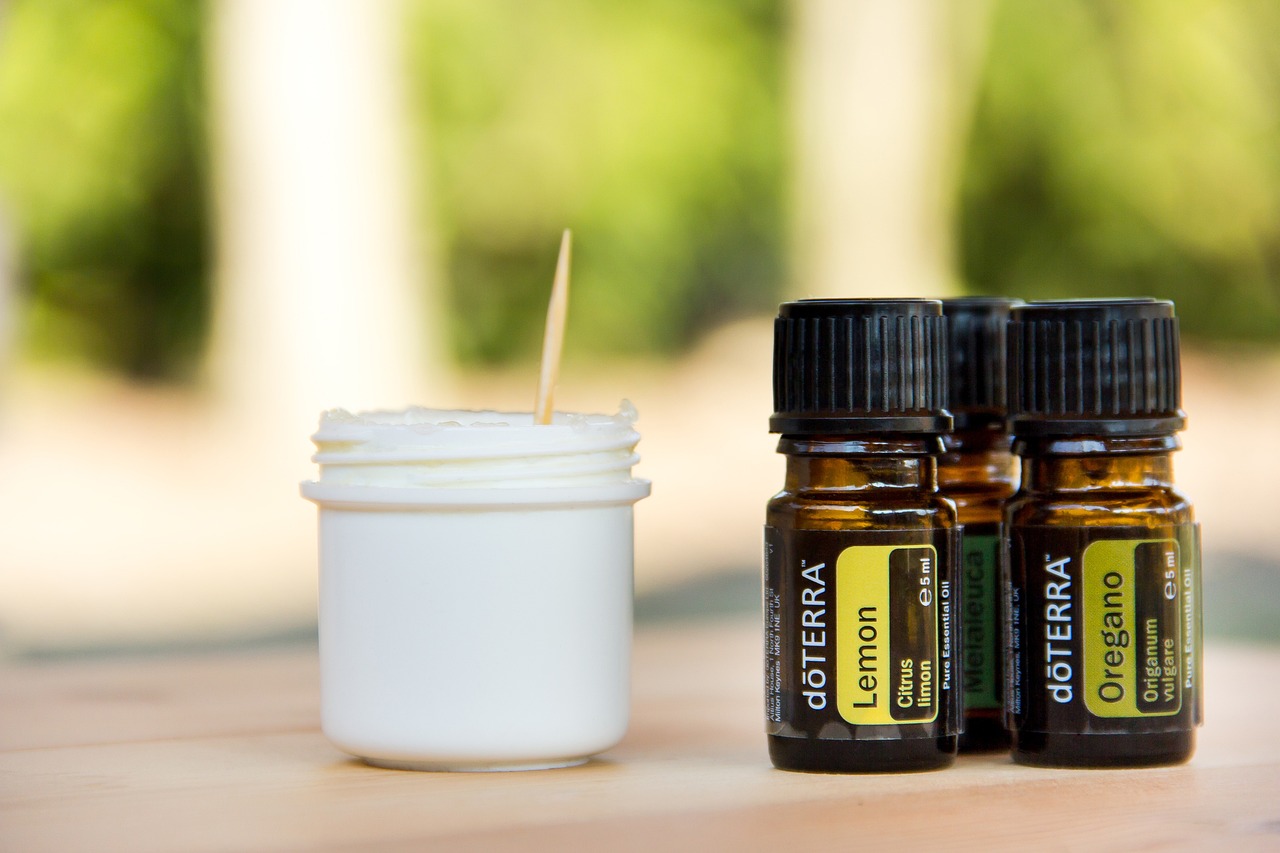
DoTERRA and Young Living Melissa Oil vs Independent Distillers: A Fair Comparison
Melissa essential oil sits in a category of its own. Distilled from the tender leaves and flowering tops of Melissa officinalis, it is one of the most labor-intensive oils to produce, and one of the most frequently adulterated. So when a buyer starts comparing melissa essential oil brands, the stakes are genuinely high. A poor choice can mean paying a premium price for lemon balm fragrance that barely resembles the real thing.
This post puts three distinct sourcing paths side by side: DoTERRA melissa oil, Young Living melissa oil, and oils sourced directly from small independent distillers or specialist importers. The goal is a clear, honest picture, not a verdict handed down from on high. Each path has real strengths, real weaknesses, and a buyer profile it suits best.
A Quick Word on Why Melissa Is Especially Hard to Compare
Most essential oils are easy enough to evaluate on basic criteria: price per milliliter, GC/MS data, country of origin. Melissa adds a layer of complexity because the plant yields so little oil per kilogram of plant material (often cited at 0.05 to 0.1 percent by weight). That scarcity means even reputable brands face pressure to cut, blend, or dilute without full disclosure.
Before diving into the brand comparison, it helps to understand what a genuine melissa profile actually looks like. If you want a grounding reference, reading a melissa oil label for botanical names and dilutions is a practical starting point. Knowing what to look for on a label changes everything about how you read a brand's claims.
The Contenders at a Glance
| Attribute | DoTERRA Melissa | Young Living Melissa | Independent Distillers |
|---|---|---|---|
| Typical bottle size | 5 mL | 5 mL | 1 mL to 10 mL (varies) |
| Price range (approx.) | $85 to $95 retail (5 mL) | $90 to $100 retail (5 mL) | $20 to $120 depending on volume and source |
| GC/MS reports publicly available | Yes, via sourcing app | Partial, on request | Varies widely: some share full data, some share nothing |
| Country of origin stated | Usually (varies by lot) | Usually (farm-branded lots) | Often precise (distiller-specific) |
| Dilution disclosure | Sold as neat oil | Sold as neat oil | Variable: check each supplier carefully |
| Distribution model | MLM / Wellness Advocate | MLM / Brand Partner | Direct-to-consumer or specialty retail |
| Accessibility for new buyers | High (large support network) | High (large support network) | Lower (requires research) |
| Batch-to-batch consistency | High (standardized supply chain) | High (farm-to-bottle branding) | Lower (single-farm harvests vary seasonally) |
DoTERRA Melissa Oil: What You Are Actually Buying
DoTERRA has built a large, recognizable brand around sourcing transparency. Their Co-Impact Sourcing model connects specific oils to specific regions, and melissa is no exception. The company publishes batch-specific GC/MS reports through a QR code system, which is genuinely useful for buyers who want to cross-reference the chemistry.
The distribution model, however, shapes the price in ways that have nothing to do with the oil itself. Commissions move through multiple levels of Wellness Advocates before a bottle reaches the end user. That markup is real. At roughly $85 to $95 for 5 mL at retail, DoTERRA melissa is priced at the premium end, though not outrageously so for a genuine product. Preferred customer pricing brings the cost down somewhat.
Pros
- Publicly accessible GC/MS data by batch
- Consistent quality across lots due to a centralized supply chain
- Strong customer service and return policy
- Large community for questions and usage guidance
Cons
- MLM pricing structure adds cost unrelated to oil quality
- Country of origin can shift between lots without clear consumer notice
- Buying process may require signing up through an advocate
- Some experienced buyers find the scent profile slightly standardized compared to single-harvest oils
Young Living Melissa Oil: Farm Branding and Vertical Integration

Young Living built its identity around the Seed to Seal promise, which positions the company as a vertically integrated producer. They own partner farms, which gives them more direct control over growing and distillation conditions than most large brands. Their melissa offering carries that same farm-branded philosophy.
In practice, Young Living melissa oil sits in a similar price bracket to DoTERRA. The scent tends to be well-regarded among long-time users: bright, herbaceous, with the characteristic citrus-forward lemon note that makes genuine melissa so distinctive. GC/MS access is less seamless than DoTERRA's app-based system, though reports can be obtained.
The same structural reality applies here as with DoTERRA: the multi-level distribution model layers cost onto a product regardless of the oil's intrinsic quality. New buyers often find Young Living melissa through a Brand Partner, which means the onboarding experience varies depending on who that person is.
Pros
- Vertical integration gives meaningful quality control at the farm level
- Scent profile is well-regarded by experienced users
- Established brand with decades of sourcing history
- Large product ecosystem for blending companions
Cons
- GC/MS data access is less streamlined than DoTERRA's
- MLM pricing applies the same cost-layer problem
- Buying experience depends heavily on the individual Brand Partner
- Less flexibility in bottle sizes and formats
Independent Distillers: Higher Ceiling, Higher Risk
This category covers a wide range of suppliers: small European farms selling direct, specialist aromatherapy importers, and quality-focused online retailers that work with single-origin distillers. The ceiling for quality here is genuinely higher than anything the MLM brands can offer, because single-harvest, single-origin melissa from a skilled distiller captures nuances that standardized supply chains inevitably smooth out.
The floor, however, is much lower. Without the brand infrastructure of a large company, a buyer has to do their own due diligence. Some independent suppliers provide outstanding documentation: detailed GC/MS reports, harvest dates, altitude, distillation method, and even photos of the crop. Others offer almost nothing.
Price variation in this category is significant. A 1 mL sample from a reputable European distiller might cost $15 to $25, which allows a buyer to evaluate quality before committing. A 10 mL bottle of verified single-origin melissa from an established importer can run $80 to $120, competitive with the big brands but with provenance information that is far more specific. For a fuller breakdown of what pricing signals about quality, the melissa oil price guide covers this in detail.
Pros
- Potential for the highest quality and most complex scent profiles
- Transparent sourcing at the farm or distiller level
- No MLM markup: price reflects product cost more directly
- Sample sizes often available for evaluation before bulk purchase
- Seasonal variation tells an authentic story about the plant
Cons
- Requires significant research to identify trustworthy suppliers
- Batch-to-batch consistency varies by design, which some buyers find frustrating
- Customer support is often minimal compared to large brands
- Diluted or adulterated products exist in this space too, sometimes without disclosure
- Shipping times and international sourcing can add complexity
Best For: Matching the Source to the Buyer
Choose DoTERRA melissa oil if:
- You value accessible GC/MS data and prefer a straightforward verification process
- You already use DoTERRA products and want a consistent blending companion
- Batch-to-batch consistency matters more to you than seasonal character
- You prefer buying from a support network rather than researching independently
Choose Young Living melissa oil if:
- Farm-level sourcing accountability appeals to you
- You are already in the Young Living ecosystem
- You want an established brand with a long track record in melissa specifically
- Scent profile and blending performance are your primary criteria
Choose an independent distiller if:
- You are an experienced buyer comfortable evaluating GC/MS data yourself
- You want the most authentic single-origin expression of melissa
- Price efficiency matters and you are willing to invest time in sourcing research
- You value knowing exactly which farm and harvest your oil comes from
The Honest Verdict
None of these three paths produces a universally better oil. They produce different purchasing experiences around a product that may or may not be comparable in quality.
DoTERRA and Young Living melissa oil both deliver reasonable quality assurance for buyers who do not want to become sourcing experts. The GC/MS transparency from DoTERRA in particular is a genuine asset that not every large brand offers. The price premium tied to their distribution models is real, but it buys consistency, customer service, and brand accountability. For many buyers, that trade-off is worth it.
Independent distillers offer something the big brands structurally cannot: a direct line to the plant and the person who distilled it. When you find a trustworthy supplier in this category, the oil can be exceptional. The catch is that finding that supplier takes effort, and the field includes unreliable operators alongside outstanding ones. The complete guide to buying melissa oil walks through exactly how to vet a supplier, what questions to ask, and what documentation to request before committing to a purchase.
The single most important variable across all three categories is adulteration risk. Melissa is routinely extended with lemon, citronella, or lemongrass oil, and even experienced noses can be fooled. Whichever path you choose, GC/MS data from an independent third-party laboratory is the non-negotiable baseline. A brand's reputation matters. A distiller's credentials matter. But the chemistry does not lie, and any supplier unwilling to share it deserves caution.
Buy from a source that shows its work, whatever category that source falls into.