Melissa Oil vs Melissa CO2 Extract: Choosing the Right Extraction
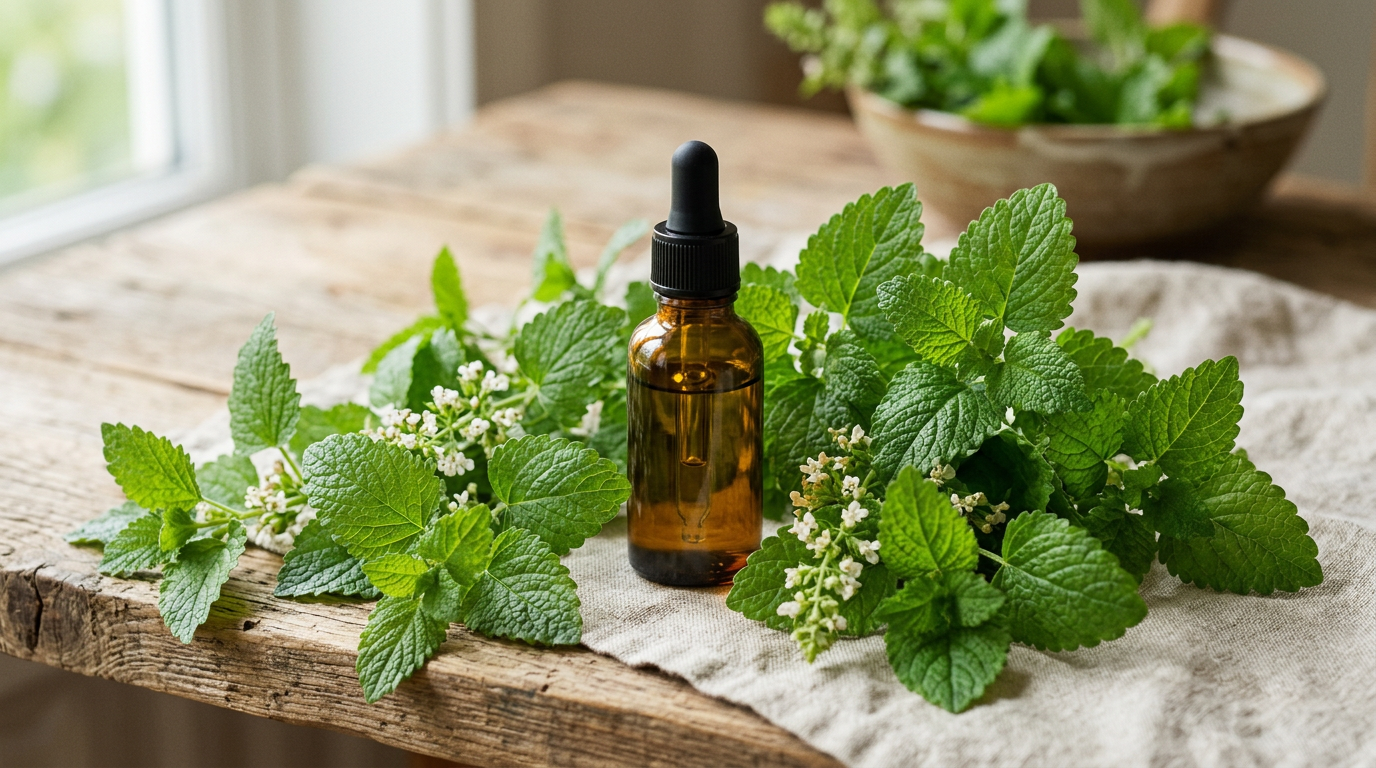
Melissa officinalis, better known as lemon balm, gives up its scent reluctantly. The plant yields so little aromatic material that a true bottle of melissa essential oil ranks among the most expensive botanicals in the trade, priced closer to rose otto than to lavender or lemongrass. That scarcity has pushed formulators and hobbyists toward a second extraction path: CO2 extract. Both start from the same herb. Both end up in a small amber bottle labeled "melissa." But they are not interchangeable, and understanding why matters if you're choosing between them for a blend, a formulation, or a fragrance project.
Melissa Essential Oil
Our own Melissa Essential Oil, in sizes from 0.5 oz to bulk.
From $20.99
Shop Now →This comparison walks through how each extraction method works, what it does to the finished scent, what it costs, and where each one earns its place on a workbench. No single answer fits every project, so the goal here is a fair, side-by-side look rather than a sales pitch for one over the other.
The Quick Answer
If you're comparing melissa oil vs CO2 extract on a shopping list, here's the short version: steam-distilled melissa oil delivers the brighter, more classically "melissa" lemon-and-honey top note prized in fine fragrance, at the steepest price point of almost any oil on the market. Lemon balm CO2 extract captures a fuller, greener, more true-to-the-leaf profile at a somewhat gentler (though still premium) cost, with a texture and color that differ noticeably from the distilled version. Neither is a shortcut around the plant's low yield. Both are genuinely scarce.
Melissa Oil vs CO2 Extract: Side-by-Side Comparison
| Attribute | Steam-Distilled Melissa Oil | Lemon Balm CO2 Extract |
|---|---|---|
| Extraction method | Steam distillation of fresh leaf and flowering tops | Supercritical or subcritical CO2 extraction of dried or fresh leaf |
| Typical yield | Extremely low; often cited near 0.01 to 0.02 percent by weight | Higher than steam distillation, though still modest compared to common herbs |
| Color | Pale yellow to light amber, thin viscosity | Deeper green to olive, thicker and sometimes semi-solid |
| Scent character | Bright, lemony, honeyed, with a delicate floral lift | Fuller-bodied, greener, closer to the crushed fresh leaf |
| Aromatic staying power | Lighter top notes, fades faster in a blend | Rounder base presence, tends to linger longer |
| Typical cost tier | Among the highest of any essential oil | Premium, but generally below true melissa oil |
| Adulteration risk | Very high; frequently cut with lemongrass, citronella, or synthetic citral | Lower incidence, though still worth sourcing carefully |
| Common uses | Fine fragrance, small-batch perfumery, high-end blending | Natural perfumery, cosmetic formulation, richer blend bases |
| Best paired skill level | Experienced blenders working in tiny drop quantities | Formulators wanting a fuller lemon balm character without the top-tier price |
What Steam Distillation Actually Does
Steam distillation is the traditional route to melissa essential oil, and it's the reason the oil carries such a steep price tag. Steam passes through fresh lemon balm leaf and flowering tops, carrying the plant's volatile aromatic compounds up and over into a condenser, where oil and water separate. The process sounds simple, but lemon balm is stubborn about it. The plant's aromatic compounds sit at very low concentration in the leaf tissue, so producers need an enormous volume of fresh plant material, often reported in the range of several tons, to fill a single small bottle.
That scarcity is the entire story of melissa essential oil extraction methods. It's why genuine melissa oil sits at the top of nearly every price list a supplier publishes, and why so much of what circulates under the "melissa" label on the open market is quietly stretched with cheaper lookalike oils. A careful supplier will disclose gas chromatography and mass spectrometry (GC/MS) testing on request, since that's the only reliable way to confirm the bottle contains what the label claims.
What steam distillation rewards you with, when the oil is genuine, is a scent profile that's hard to replicate any other way: a citrus-forward top note with a warm, honeyed undertone and a faint green whisper beneath it. It's the version most associated with the name "melissa" in classic perfumery references.
What CO2 Extraction Actually Does
CO2 extraction takes a different physical route to the same plant material. Carbon dioxide is pressurized until it behaves as a supercritical fluid, somewhere between a gas and a liquid, and passed through the lemon balm leaf. In that state, CO2 is an efficient solvent for a broader range of aromatic and non-volatile plant compounds than steam alone captures, then reverts to a gas and evaporates off cleanly when pressure drops, leaving the extract behind with no residual solvent.
The practical effect: lemon balm CO2 extract tends to pull more of the plant's total aromatic and pigment-bearing material into the finished product. That's why CO2 extracts run thicker and darker than their steam-distilled counterparts, sometimes closer to a soft paste than a free-flowing oil. The scent reflects that fuller capture too. Where steam-distilled melissa leans bright and citrus-forward, the CO2 version reads rounder and greener, closer to what you'd smell crushing a fresh lemon balm leaf between your fingers.
Yield is somewhat more forgiving with CO2 extraction than with steam distillation, though "more forgiving" is relative. Lemon balm remains a low-yield plant under any extraction method, so CO2 extract still commands a premium price. It simply tends to land a step below true melissa oil rather than at the very top of the price list.
Steam Distilled vs CO2 Melissa: Pros and Cons
Steam-Distilled Melissa Oil
Pros:
- Delivers the bright, classic lemon-and-honey profile most associated with the name "melissa" in perfumery references
- Long-established extraction method with a deep body of GC/MS reference data for authenticity testing
- Works in extremely small drop quantities, so a tiny bottle stretches across many blends
- Widely recognized by name among fragrance formulators and collectors
Cons:
- Among the most expensive oils available, often priced per drop rather than per ounce in practical terms
- High rate of adulteration on the open market, which makes sourcing verification essential
- Top notes fade relatively quickly once blended
- Very limited supply means backorders and price swings are common
Lemon Balm CO2 Extract
Pros:
- Fuller, more true-to-the-leaf green character that some formulators prefer for depth
- Generally lower adulteration incidence, since it's a less commonly counterfeited label
- Longer-lingering presence in a finished blend compared to the lighter distilled oil
- Somewhat more accessible pricing relative to true melissa oil, though still a premium ingredient
Cons:
- Thicker, sometimes semi-solid texture that requires gentle warming to measure and blend
- Darker color can tint light-colored formulations
- Less standardized supply chain than steam-distilled oils, with more variation between producers
- Still a genuinely scarce, higher-cost material, not a budget substitute
Scent and Chemistry: Why They Smell Different
The gap between these two extracts comes down to what each method physically captures. Steam distillation only lifts compounds volatile enough to travel with steam vapor, which tends to favor the lighter, brighter aromatic molecules, citral and related compounds among them, that give melissa oil its lemony lift. CO2, working as a supercritical solvent, pulls a wider range of material, including some heavier, less volatile compounds that steam leaves behind. That's the technical reason a CO2 extract can smell like a more complete rendering of the living leaf, while a steam-distilled oil smells like a distilled, concentrated impression of its top notes.
Neither profile is objectively better. Perfumers who want a precise, bright citrus accent often reach for the distilled oil specifically because of its narrower, more focused character. Formulators building a fuller herbal or green base sometimes prefer the CO2 extract for exactly the opposite reason. It's a matter of what a given blend calls for.
The Adulteration and Sourcing Reality
Any honest comparison of melissa oil vs CO2 extract has to address the market's biggest open secret: a large share of the "melissa essential oil" sold at everyday prices isn't melissa at all, or isn't only melissa. Because true steam-distilled melissa oil is so costly to produce, cheaper oils like lemongrass, citronella, or synthetic citral blends frequently get sold under the melissa name, sometimes with a small percentage of real melissa mixed in to legitimize the label.
Practical ways to buy with more confidence:
- Ask any supplier for current-batch GC/MS testing rather than a generic older report
- Treat a suspiciously low price on "melissa essential oil" as a red flag, not a bargain
- Compare the botanical name on the label (Melissa officinalis) against the testing documentation
- For CO2 extract, ask whether the material is a full-spectrum extract or a select fraction, since suppliers describe this differently
This is one area where CO2 extract can actually be the more transparent purchase, simply because it isn't counterfeited as often. That doesn't mean skip due diligence, but it does mean the odds of getting an honestly labeled product are somewhat better.
Best For: Matching the Extract to the Project
Choose Steam-Distilled Melissa Oil If:
- You're building a fine fragrance or niche perfume and need the classic bright, honeyed citrus accent
- You work in very small batch sizes where a tiny, expensive bottle still goes a long way
- You have a trusted, GC/MS-verified source and the budget to match
- The project specifically calls for melissa's traditional top-note character rather than a general lemony green scent
Choose Lemon Balm CO2 Extract If:
- You want a fuller, greener lemon balm character with more lasting presence in the finished blend
- You're formulating skincare or cosmetic products where the extract's fuller compound profile fits the goal
- You're working with a somewhat larger batch size and need the extraction method with the better yield-to-cost ratio
- You'd rather manage a thicker, semi-solid material than chase down a heavily adulterated oil market
Consider a Blended Approach If:
Some formulators use both: a small amount of true steam-distilled melissa oil for the bright top note, layered over a lemon balm CO2 extract base for body and lasting presence. This isn't necessary for every project, but it's a reasonable way to get the strengths of each without relying entirely on the scarcer, pricier oil.
The Verdict
Neither extraction method beats the other outright, because they're not really competing for the same job. Steam-distilled melissa oil earns its price by delivering a specific, hard-to-replicate bright citrus character that has defined "melissa" in perfumery for generations. Lemon balm CO2 extract earns its place by capturing more of the plant in a single pull, at a somewhat gentler price, with a fuller and greener personality.
If your project is a fine fragrance or a small-batch perfume where that classic melissa top note is the whole point, the steam-distilled oil is worth the investment, provided you can verify it's genuine. If you're formulating something that benefits from a rounder, more complete lemon balm profile, or if the melissa oil market's adulteration problem makes you uneasy, the CO2 extract is a reasonable and often more transparent choice. Buy from a supplier willing to show current testing either way. With a plant this scarce, the extraction method matters less than the honesty of the person selling it to you.
As always, patch test any new botanical material before broader use, dilute appropriately for your application, and check with a qualified healthcare provider if you have any questions about how a new ingredient fits your specific circumstances.