Melissa Oil Uses: 18 Gentle Ideas for Home, Evenings, and Self Care
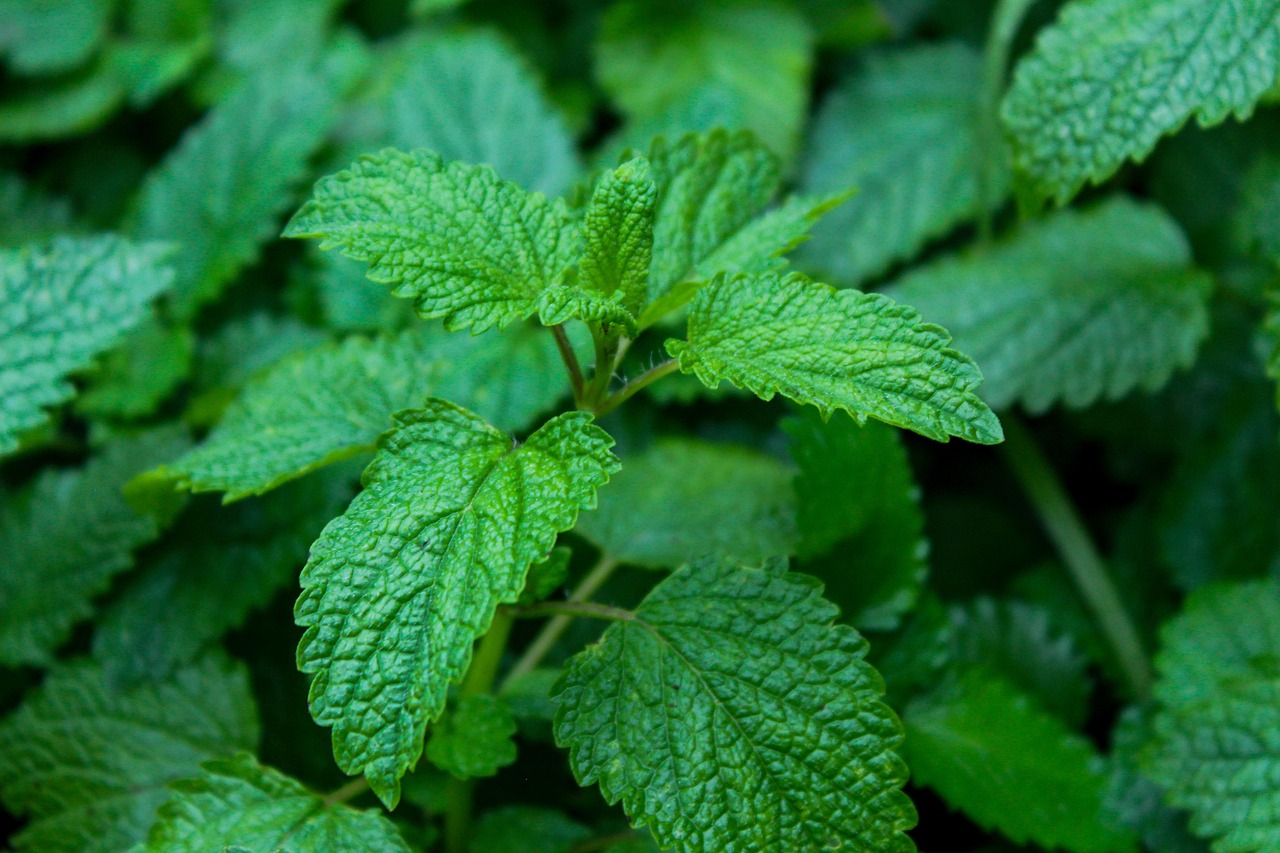
Melissa essential oil is one of the rarest and most beautifully scented oils you can bring into your home. Distilled from fresh lemon balm leaves (Melissa officinalis), it carries a luminous, green-tinged citrus quality that no synthetic fragrance has ever quite replicated. If you're curious about what melissa oil is good for beyond a vague sense of "relaxation," this list is for you.
Below, you'll find 18 specific, practical, and genuinely gentle ideas for weaving melissa essential oil uses into everyday life. These span home atmosphere, evening wind-down rituals, skin care, and simple sensory moments. Each entry is honest about what this oil can and cannot do, because melissa deserves more than overblown promises.
New to this oil entirely? Start with our complete guide to true melissa essential oil for background on sourcing and authenticity. The adulteration rate for melissa is extraordinarily high, so knowing what you're buying matters enormously before you invest.
In the Home
1. A Bright Morning Diffuser Blend
Melissa's scent profile is often described as the most refined lemon note in all of aromatherapy. It's herbaceous and soft where lemon or lemongrass can be sharp or aggressive. Adding two or three drops to a diffuser first thing in the morning creates a clean, uplifting atmosphere without the sometimes clinical edge of citrus peel oils.
Pair it with a drop of basil ct. linalool for a fresh garden character, or a drop of frankincense to add quiet depth. These pairings let a small amount of melissa go a long way, which matters given how expensive authentic melissa can be.
Practical takeaway: Start with 2 drops in 100ml of water. Melissa's scent is complex and does not need much to fill a room.
2. Refreshing a Stale Room
Every home has a room that needs a reset at some point: a guest room that's been closed up, a home office where stale air accumulates, or a linen closet. A light mist made with distilled water and a few drops of melissa (shake well before each spray) adds a clean, green-citrus freshness that reads as natural rather than perfumed.
The oil's brightness comes partly from its citral content, the same compound responsible for the characteristic lemon note in lemon balm tea. That vivid quality translates beautifully into a room spray, where it lifts rather than masks.
Practical takeaway: Combine 4 drops melissa, 4 drops cedarwood, and 2 drops bergamot in a 100ml spray bottle filled with distilled water. Shake before each use. Do not spray directly onto fabrics without testing for staining first.
3. Scenting Wooden Surfaces and Diffuser Reeds
Untreated wooden objects absorb essential oils slowly and release them over time. A drop of melissa applied to the back of a wooden coaster, a small piece of unfinished cedar, or a diffuser reed can create a subtle, lasting fragrance point in a room without continuous diffuser use.
This is a quiet, low-effort approach that suits people who find active diffusion overwhelming or who want fragrance in a small area like a bedside table or bathroom shelf. The scent won't last as long as a synthetic fragrance, but it will be truer and greener.
Practical takeaway: One drop every 2 to 3 days is sufficient for most small wooden diffuser pieces. Always keep essential oils away from finished or painted wood surfaces.
4. A Linen Sachet for Drawers
Fabric sachets filled with dried lavender are a classic drawer freshener, but adding a drop of melissa to the outside of the sachet fabric introduces a lovely lemon-herb dimension. It works especially well in drawers storing bed linens or natural fiber clothing.
The combination of dried herbs and true melissa creates an aromatic layering effect that feels genuinely botanical rather than manufactured. Refresh the melissa drop every few weeks as the top notes fade.
Practical takeaway: Apply the oil drop to the fabric itself, not directly onto clothing. Allow it to air for 10 minutes before placing the sachet in a drawer to prevent any oil transfer.
5. Candle Layering
If you enjoy burning unscented beeswax or soy candles, placing your diffuser nearby while the candle is lit creates a warm, multi-sensory atmosphere. The gentle heat of a candle and the cool mist of a diffuser interact differently, and many people find the combination more nuanced than either alone.
Melissa paired with a warm wood or resinous candle fragrance creates an interesting contrast: the candle provides depth and warmth while the diffused melissa supplies the bright top note. It's a layering technique borrowed from fine perfumery.
Practical takeaway: Never add essential oils directly to a burning candle. Keep your diffuser at a safe distance from any open flame.
Evening Rituals
6. A Bedtime Wind-Down Diffuser Blend
Melissa has a long history of use in European herbal tradition as a calming botanical. While we won't make medical claims about what it does to the nervous system, the scent itself is genuinely soothing in character. It's gentle where some calming oils like vetiver or patchouli can feel heavy. Many people find its soft lemon-herb quality easier to settle into at night than sharper herbal notes.
A simple evening blend: 2 drops melissa, 2 drops Roman chamomile, 1 drop cedarwood. Run the diffuser for 30 to 45 minutes before bed rather than all night.
Practical takeaway: Avoid running a diffuser continuously while sleeping. Set a timer or use a diffuser with an auto-shutoff function. Diffuse in the bedroom for 30 to 45 minutes before you get into bed, then turn it off.
7. A Pre-Bath Moment
Running a bath is already a ritual for many people. Adding melissa to that moment, either in the bathwater itself (properly diluted in a carrier) or simply diffused in the bathroom, turns a routine into something more intentional.
If adding to bathwater, essential oils must always be pre-diluted in a dispersant such as full-fat milk, a tablespoon of carrier oil, or a purpose-made bath dispersant. Essential oils do not dissolve in water and can cause skin irritation if dropped directly into the tub undiluted.
Practical takeaway: Use no more than 3 to 5 drops of melissa total, pre-diluted in one tablespoon of carrier oil or bath dispersant, for an adult bath. Do not use essential oils in baths for young children without qualified guidance.
8. Journaling or Reading Atmosphere
Many people find that a consistent scent used during a regular evening activity helps signal a shift in mental pace. Using melissa while journaling, reading, or doing gentle stretching may over time become associated with that slower, quieter mode.
This is simply about building pleasant associations through repetition, a sensory anchor for a routine you already value. The specific scent matters here because melissa's character is present enough to notice but not so dominant it distracts.
Practical takeaway: Keep a small personal inhaler with melissa for this ritual so you can use it without a diffuser if needed. Personal inhalers are discreet, economical with the oil, and portable.
9. Winding Down with a Foot Soak
A warm foot soak at the end of a long day is one of the most underrated self-care rituals available. Adding melissa to the water (again, pre-diluted in a carrier or dispersant) creates an aromatic experience that pairs well with the physical sensation of warmth and relief.
Epsom salts, which can help carry the oil and also contribute to a softening effect on the feet, make a good dispersant base. Add your diluted melissa to the Epsom salts first, then dissolve in the warm water before soaking.
Practical takeaway: 2 to 3 drops melissa diluted in a teaspoon of carrier oil, then blended into a cup of Epsom salts, is plenty for a foot soak. Keep the water warm but not scalding, as excessive heat can cause skin sensitivity.
10. A Pillow Spray (Used with Care)
Pillow sprays are popular for good reason: the proximity to the face during sleep means you receive the scent in a very direct way. A melissa-based pillow spray should be very lightly applied, as a small amount is genuinely sufficient.
Spray onto the pillowcase and allow it to dry completely before placing your face on it. A recipe of 3 drops melissa and 3 drops lavender in 50ml of distilled water (with a tiny pinch of alcohol to help emulsify) works well. Always patch-test a fabric before misting, especially with silk or delicate linens.
Practical takeaway: One or two light spritzes from about 30cm away is all you need. More is not better. Allow to dry for at least 5 minutes before use.
Self-Care and Skin Applications
11. A Gentle Facial Oil Blend
Melissa is sometimes found in facial oils formulated for normal to combination skin. Its profile makes it a popular choice among natural skincare formulators, though as with all essential oils, it must be properly diluted before any skin contact. For facial applications, dilution rates are typically lower than for body use: 0.5 to 1% is the general guideline from cosmetic safety standards.
In a 30ml facial oil, that means 3 to 6 drops total of essential oil, with melissa being just one component of a blend. A suitable carrier for a light facial oil might be jojoba, rosehip, or squalane.
Practical takeaway: Always perform a patch test before applying any new facial oil formulation. Apply a small amount to the inner forearm, wait 24 hours, and check for any reaction before using on the face. Consult a cosmetic formulator or dermatologist if you have any skin sensitivities.
12. A Body Massage Oil for Quiet Evenings
A self-massage with a lightly scented carrier oil is a genuinely accessible self-care practice. The act of slow, attentive touch combined with a calming scent can support a sense of physical ease and presence. Melissa blends well with sweet almond, apricot kernel, or fractionated coconut oil for this purpose.
A reasonable dilution for adult body use is 2 to 2.5%, which in a 30ml bottle means approximately 12 to 15 drops of essential oil total. If melissa is the primary scent, use 6 to 8 drops of melissa and complement with softer notes like Roman chamomile or sandalwood.
Practical takeaway: Avoid applying melissa oil (or any citrus-adjacent essential oil) to skin that will be exposed to direct sunlight within 12 hours. While melissa itself is not strongly phototoxic, individual sensitivities vary. When in doubt, use on areas covered by clothing.
13. A Perfume Oil or Natural Cologne
Because melissa's scent is so distinctive and genuinely lemon-forward with herbal complexity, it works beautifully as the featured note in a simple natural perfume oil. Mixed with a small amount of jojoba as a carrier, melissa becomes a light, wearable personal fragrance.
Layer it with a touch of frankincense or labdanum for a longer-lasting base, and a drop of petitgrain for green brightness. The result is a soft, naturalistic scent that performs differently on every person's skin chemistry, which is part of the appeal of natural perfumery.
Practical takeaway: Apply perfume oils to pulse points (wrists, inner elbows, behind the ears) from a diluted roller bottle. Keep dilution at or below 5% for pulse point application. Do not apply to broken or irritated skin.
14. Scented Body Butter
Adding melissa to a homemade or unscented commercial body butter creates an indulgent post-shower ritual. The richness of shea or mango butter slows the release of the essential oil's volatile compounds, which means you receive the scent in a gentle, extended way rather than in a sharp initial burst.
A good starting dilution for a body butter is 1 to 2%, with particular care for any body butter intended for use on sensitive areas. Always ensure your body butter is fully melted and cooled to below 40°C before adding essential oils, to preserve the scent integrity.
Practical takeaway: Add essential oils at the very end of a body butter recipe, after the mixture has cooled enough to solidify when chilled. Adding oils to hot mixtures causes significant scent loss.
15. A Scalp Oil Ritual
Melissa appears in some hair care formulations, primarily for its scent and its association with soothing properties in traditional European herbalism. A simple scalp oil made with a light carrier like jojoba and a small amount of melissa can be used as a weekly pre-wash scalp massage ritual.
The physical act of massaging the scalp increases circulation to the area and can feel genuinely relaxing as part of a longer self-care evening. The melissa scent adds a pleasant sensory dimension to what might otherwise be a purely functional step.
Practical takeaway: Keep dilution at 1% or below for scalp applications. That's approximately 3 drops per 30ml of carrier oil. Apply to the scalp, massage gently for 5 to 10 minutes, and leave for at least 30 minutes before shampooing out.
16. A Warm Compress for General Soothing
A warm compress is a traditional self-care practice with roots in many cultures. Adding a small amount of diluted melissa oil to the warm water used to soak the compress (a flannel or muslin cloth) creates a sensory experience that combines gentle warmth with aromatic comfort.
This is most pleasant applied to the shoulders, the back of the neck, or the abdomen during a quiet evening. The warmth helps open the pores slightly, and the aromatic steam from the cloth creates a localized, intimate version of diffusion.
Practical takeaway: Add 2 drops of melissa to a bowl of warm (not hot) water, stir well, and soak your cloth in it. Wring out well and apply. The dilution in the water is sufficient; adding undiluted oil directly to a cloth and then applying it to skin is not recommended.
Small Sensory Moments
17. A Personal Inhaler for On-the-Go Calm
Personal inhalers (sometimes called aromatherapy inhalers or nasal inhalers) are small, lipstick-sized tubes with an absorbent wick inside. They let you carry a specific scent with you and inhale it intentionally whenever you want to shift your sensory state, without affecting anyone around you.
For melissa, which is expensive by the drop, a personal inhaler is one of the most economical ways to use it. You need only 15 to 20 drops to fill the wick, and the inhaler will stay potent for months when capped properly. It's particularly useful during travel, at a desk, or in any situation where a diffuser isn't practical.
Practical takeaway: Load your inhaler wick with 10 drops melissa and 5 drops bergamot for a bright, sustainable blend. Keep it capped when not in use. Replace the wick every 3 to 4 months or when the scent fades noticeably.
18. A Seasonal Celebration Blend
Melissa's freshness makes it a natural fit for spring and early summer atmospheres. A diffuser blend built around melissa, a drop of rose geranium, and a drop of lime creates a celebratory, garden-party atmosphere that feels genuinely seasonal and special rather than generically "fresh."
Using melissa for specific occasions rather than every day also makes practical sense given its cost. Treating it as a featured note for rituals you want to mark as meaningful (a birthday morning, the first warm evening of spring, a celebratory gathering) means both the oil and the experience feel more significant.
Practical takeaway: Blend 2 drops melissa, 1 drop rose geranium, 1 drop lime in your diffuser. This combination is vivid and doesn't need more than 30 minutes of diffusion time to establish itself in a room.
A Few Notes Before You Start
Across all 18 of these melissa oil uses, a few consistent principles apply. Dilution is not optional. Essential oils are highly concentrated plant extracts, and melissa is no exception. Always dilute before skin contact, observe the percentages mentioned above, and patch-test any new preparation on a small area of skin before broader use.
Children, people who are pregnant or nursing, and anyone with existing health conditions should consult a qualified healthcare provider before using essential oils. The ideas above are written for healthy adults as general sensory and self-care suggestions, not as guidance for managing any specific condition.
Sourcing matters more with melissa than with almost any other essential oil. Much of what is sold as melissa is actually lemon balm CO2, melissa rectified, or a blend of citronella, lemon, and lemongrass designed to mimic the profile. True steam-distilled melissa is extraordinarily rare. If you'd like to understand exactly what to look for, our complete guide to true melissa walks through authentication in detail, and our piece on melissa's economics explains why the price gap between authentic and adulterated versions exists.
Used with respect for its concentration, its rarity, and its genuine complexity, melissa essential oil earns its place as one of the most quietly extraordinary botanicals available to home aromatherapy enthusiasts. These 18 ideas are a starting point. The best melissa oil uses are ultimately the ones you return to because they genuinely enrich your day.