Melissa Oil Safety Basics: Dilution, Patch Tests, Pets, and Kids
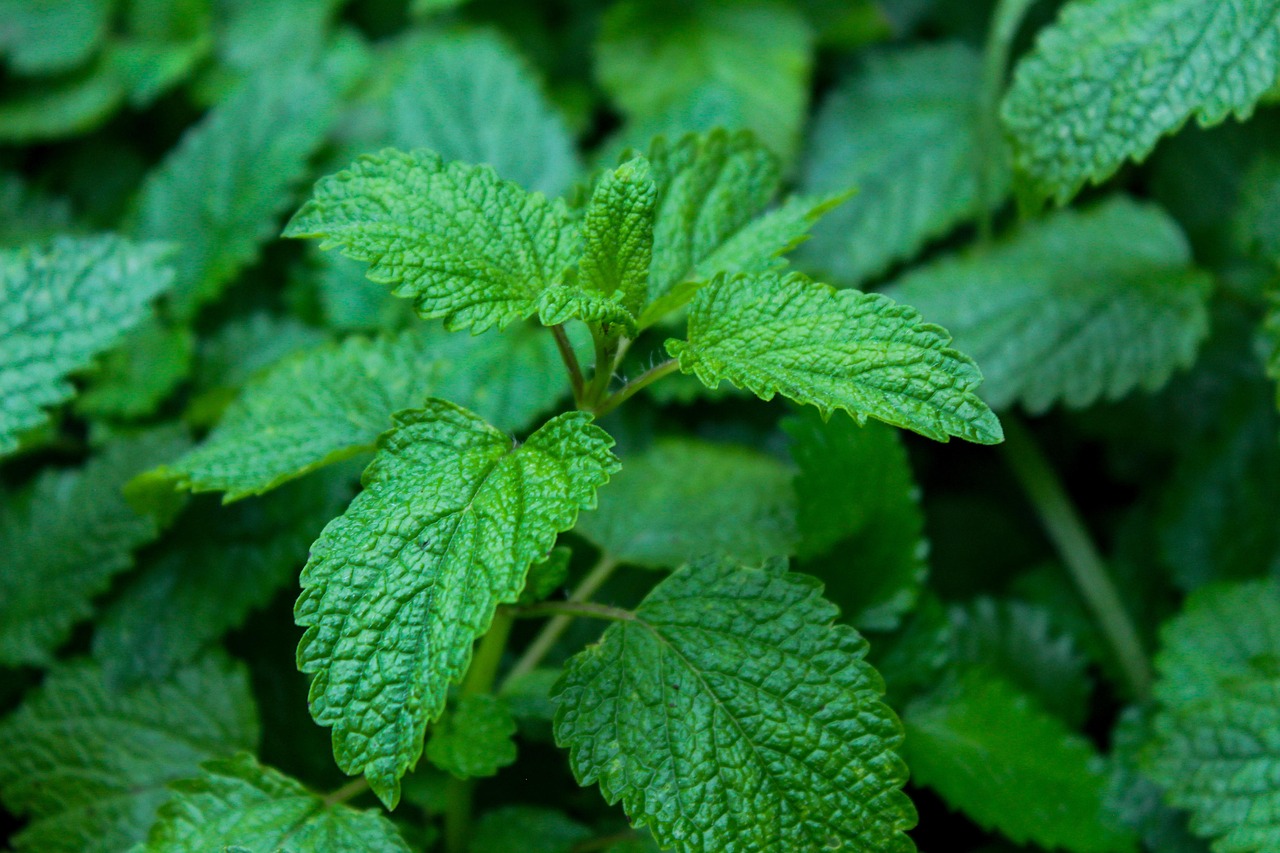
Melissa essential oil is one of the rarest and most expensive oils you can buy. A single kilogram requires somewhere between three and five tons of fresh lemon balm herb to produce, which means every drop deserves careful, intentional use. But that rarity can create a false sense of hesitation: some people bottle it up and never use it because they are unsure whether they are using it correctly.
This guide cuts through that uncertainty. Below you will find clear, practical steps for safe melissa oil use covering dilution ratios, patch testing, diffusion basics, and specific considerations for pets and children. If you are new to this oil, you may also want to read our complete guide to true melissa essential oil before diving in here.
Why Melissa Oil Safety Deserves Specific Attention
All essential oils require respect. Melissa, however, has a few characteristics that make it worth understanding before you begin.
First, its concentration is significant. Melissa essential oil contains high levels of citral (a mixture of the compounds geranial and neral), along with citronellal, linalool, and beta-caryophyllene. These constituents give it that bright, clean lemon-green scent profile. They are also potent skin sensitizers when used at the wrong concentration or without preparation.
Second, because genuine melissa is so costly, many products sold under its name are actually blends of lemon, lemongrass, or citronella oil. Those substitutes have different chemical profiles and their own safety considerations. Always verify you are working with true Melissa officinalis oil before following melissa-specific dilution guidance. Our melissa FAQ covers how to identify genuine oil in more detail.
What You Will Need
Before you start, gather the following materials. Having everything on hand makes the process cleaner and reduces the chance of error.
- Your melissa essential oil (verified as true Melissa officinalis)
- A carrier oil suited to your skin type (fractionated coconut oil, jojoba, or sweet almond oil work well)
- A small glass mixing bowl or dark glass roll-on bottle
- A graduated pipette or dropper with milliliter markings
- Unscented cosmetic base (optional, for body blends)
- A timer
- Pen and notebook to record your blend ratios
A note on carrier oils: fractionated coconut oil absorbs quickly and has a long shelf life, which makes it a practical starting point for most people. If you have a nut sensitivity, jojoba (technically a liquid wax) is a reliable alternative.
Step-by-Step: Diluting Melissa Essential Oil for Skin Use
Proper dilution is the single most important part of melissa oil safety. The following steps address the question of whether melissa oil is safe for skin: yes, but only at appropriate concentrations and with a patch test completed first.
Step 1: Choose Your Dilution Rate
The general standard for facial application is 0.5% to 1%. For body application on healthy adult skin, 1% to 2% is the widely cited starting range. These figures come from the International Fragrance Association (IFRA) and industry cosmetic formulation guidelines for high-citral oils.
To make this concrete:
- A 1% dilution in 10 ml of carrier oil requires 2 drops of essential oil.
- A 2% dilution in 10 ml of carrier oil requires 4 drops of essential oil.
- For facial use, stay at or below 1% (2 drops per 10 ml).
Start at the lower end. You can always adjust upward after you know how your skin responds.
Step 2: Measure Your Carrier Oil
Using your pipette or a measured bottle, pour your desired volume of carrier oil into your glass bowl or roll-on bottle. Work in small batches: 10 ml is plenty for a patch test blend. Larger batches made before testing are a common and avoidable waste of a costly oil.
Step 3: Add Your Melissa Oil Drops
Count drops carefully. Hold the bottle at a consistent angle, let each drop form fully before it falls, and count aloud or keep a tally on your notebook. One miscount at this concentration is meaningful.
Do not exceed the rate you calculated in Step 1 for your first blend. Record the exact ratio in your notebook so you can replicate it or adjust it with confidence later.
Step 4: Mix Gently
Swirl or stir slowly. Essential oils do not need aggressive mixing, just enough to distribute through the carrier. If you are filling a roll-on, cap it and roll it between your palms for about 20 seconds.
Step-by-Step: Performing a Patch Test
A patch test is not optional for melissa oil. Its citral content means sensitization is a real possibility, particularly on people who already react to lemongrass or similar high-citral oils. Do this before any broader skin application.
Step 1: Select Your Test Site
The inner forearm (between the elbow crease and wrist) is the most practical site. The skin there is relatively thin and sensitive enough to give a meaningful result, but easy to observe and not generally an area you would expose in public if a mild reaction occurs.
Step 2: Apply a Small Amount of Your Diluted Blend
Apply a coin-sized amount of your diluted blend to the test site. Do not cover a large area. Do not apply undiluted oil directly to skin at any stage of testing.
Step 3: Wait 24 Hours
Set a timer or calendar reminder. Do not wash the area for the full 24-hour window unless you experience immediate discomfort. Check the site at the 15-minute mark, at 4 hours, and at 24 hours.
Signs that suggest you should discontinue use and consult a healthcare provider include: redness that does not fade, raised skin, itching, or any feeling of warmth or burning that persists beyond the first few minutes.
Step 4: Document Your Result
Write down what you observed at each check-in. Even a clear result with no reaction is worth recording. Over time, your notes will reveal whether your skin's response shifts with different batch numbers, different carrier oils, or seasonal changes.
Melissa Essential Oil Dilution for Diffusion
Aromatic use via a diffuser is the gentlest entry point for melissa oil, and it is worth understanding the basics before assuming diffusion is automatically lower-risk than topical application.
- Diffuser ratios: For a standard ultrasonic diffuser with a 100 ml water capacity, 2 to 3 drops of melissa oil is a reasonable starting point. More is not better. The citral compounds that give melissa its bright scent can become overwhelming in an enclosed space at high concentrations.
- Session length: Run the diffuser for 30 to 60 minutes at a time, then allow the room to ventilate for a similar period. Continuous diffusion for several hours is not recommended.
- Ventilation: Keep a window or door cracked. Good airflow makes a meaningful difference in how the aroma settles in the room.
Melissa Oil Safety Around Pets
This section requires straightforward honesty: aromatic use of essential oils around pets is an area where caution is well justified, and melissa oil is no exception.
Cats, dogs, birds, and small animals have metabolic pathways that differ significantly from humans. Cats in particular lack certain liver enzymes that process the compounds found in many essential oils. The citral content of melissa oil places it in a category that veterinary professionals generally flag as requiring care.
Practical steps if you have pets:
- Never diffuse in a sealed room where a pet cannot leave. The animal must always have the option to move away from the scent.
- Keep bottles capped and stored out of reach. Accidental ingestion is the highest-risk scenario.
- Do not apply any diluted melissa blend to a pet's fur, skin, or bedding without explicit guidance from a veterinarian experienced in essential oil safety.
- Watch for behavioral signals. If a pet leaves the room, squints, sneezes repeatedly, or seems unsettled when you diffuse, stop the session and ventilate.
- Consult your veterinarian before any aromatic use around birds. Avian respiratory systems are particularly sensitive to airborne compounds.
When in doubt, diffuse in a room your pets do not use, or enjoy melissa oil in a personal inhaler instead of an open-room diffuser.
Melissa Oil Safety for Children

Children require lower concentrations than adults, and the youngest children require the most conservative approach of all.
General Age and Dilution Guidelines
| Age Group | Topical Dilution Guideline | Notes |
|---|---|---|
| Under 2 years | Not recommended for topical use | Consult a pediatrician before any essential oil use with infants |
| 2 to 6 years | 0.5% maximum (1 drop per 10 ml carrier) | Avoid face and hands (children touch their faces frequently) |
| 6 to 12 years | 1% maximum | Patch test required; supervise application |
| 12 years and older | Follow adult guidelines at the lower end (1%) | Individual sensitivity still varies |
For diffusion around children, use shorter sessions (20 to 30 minutes), keep concentrations at the low end of the scale, and ensure the child can freely move to another room. Never diffuse in a child's bedroom while they sleep.
Always consult a qualified healthcare provider before using any essential oil with an infant or young child.
Common Mistakes to Avoid
Even experienced users make these errors. A quick checklist before each session helps.
- Skipping the patch test on a new batch. Each batch of melissa oil can vary in its constituent ratios. A result from a previous bottle does not guarantee the same result from a new one.
- Using essential oil mathematics from lemongrass guidelines. Lemongrass contains even higher levels of citral and has its own separate IFRA guidelines. Do not interchange them.
- Applying to sensitive or compromised skin. Freshly shaved skin, sunburned skin, or skin that has recently been exfoliated is more permeable. Wait until skin has fully recovered before applying any essential oil blend.
- Sun exposure after citral-heavy oil application. Melissa oil's citral compounds may contribute to photosensitivity. Avoid applying diluted melissa to areas that will be exposed to direct sunlight for several hours after application.
- Storing oil improperly. Heat, light, and oxygen degrade melissa oil quickly. Keep it in a dark glass bottle in a cool location, capped tightly. Oxidized oil is more likely to cause skin sensitivity than fresh oil.
What to Expect from Careful Use
When melissa essential oil is diluted correctly, patch-tested, and used in appropriate settings, most people report a pleasant and uneventful experience. The scent is distinctive: bright lemon with an herbal, almost green softness underneath that other lemon-scented oils do not replicate. People commonly incorporate properly diluted melissa into evening wind-down routines, daytime focus rituals, and calming atmosphere work at home.
Some people find the scent surprisingly subtle at safe dilution rates, especially compared to synthetic lemon fragrances. This is normal for a true botanical extract. If you want to understand more about what makes the scent profile unique and what the research literature observes about its aromatic qualities, our article on melissa oil benefits and separating aroma facts covers that ground carefully.
A practical reminder: Every individual's skin chemistry is different. The dilution rates above reflect widely used industry benchmarks, not personal guarantees. Start low, observe carefully, and adjust based on your own results. If you experience any persistent skin reaction, discontinue use and speak with a qualified healthcare provider.
Quick Reference Summary
- Dilute to 0.5% to 1% for facial use, 1% to 2% for body use on adult skin.
- Always patch test a new blend on the inner forearm for 24 hours before broader application.
- Diffuse in short sessions (30 to 60 minutes) with ventilation, not continuously.
- Keep pets able to leave the room freely; avoid applying to pet fur or bedding.
- Use lower concentrations for children and skip use entirely for infants without pediatric guidance.
- Avoid sun exposure on areas where melissa blend has been applied.
- Store properly: dark glass, cool temperature, tightly capped.
Melissa oil rewards careful users. The cost of a quality bottle is significant enough that learning to use it well, rather than using it quickly, is both practical and satisfying. Take your time with it.